Quick answer
Yes, noise-cancelling headphones help on flights by reducing steady low-frequency engine drone, which is the main reason you turn up the volume. But the benefit depends on a stable over-ear seal and a wireless connection you can actually use in the air. For most travelers, an over-ear model with active noise cancellation and Bluetooth is the simplest choice.
What noise cancellation actually removes on a plane
Active noise cancellation targets continuous, low-frequency sound: engine hum, air-conditioning rumble, and the general cabin drone. It is less effective on sharp, unpredictable sounds like a baby crying or a sudden announcement. That is why a good seal matters as much as the electronics. If the ear cushions do not sit flush around your ears, low-frequency noise leaks in and the cancellation has less to work with.
- Engine drone: reduced well by active noise cancellation.
- Cabin chatter and announcements: reduced mainly by the physical seal and fit.
- Volume habit: less drone usually means you listen at lower levels, which is easier on your ears over a long flight.
Over-ear vs in-ear for long flights
Over-ear headphones cover the whole ear and create a larger sealed air pocket, which generally gives noise cancellation more room to work. They also spread pressure across the side of your head rather than inside the ear canal, which many travelers find more comfortable over several hours. In-ear models are smaller and easier to pack, but the seal depends on the tip size and can loosen as you move. If your priority is maximum quiet on a long-haul flight, start with an over-ear design.
Wired or Bluetooth? Check your seat before you buy
Bluetooth headphones for plane travel are convenient, but in-flight entertainment systems often still use a wired jack. Some seatback screens support Bluetooth pairing, many do not. If you plan to use the airline's screen, a wired connection or an adapter is the reliable path. If you mainly listen from your own phone or tablet, Bluetooth is fine. Decide which screen you will actually use before you commit to a connection type.
Battery life and travel-day practicalities
Noise cancellation draws power, so battery life matters more on a travel day than at your desk. A long-haul flight plus airport time can easily exceed eight hours of listening. Charge the night before, and pack the cable you need for your seat's power outlet if you have one. Keep the headphones in a case so the ear cushions do not get compressed in a carry-on, because a deformed cushion can break the seal that makes cancellation work.
Decision rules for buying travel headphones
- Rule 1: Match the connection to your seat: If you rely on the seatback screen, confirm whether it offers Bluetooth or a wired jack. Choose a model or adapter that matches. If you only use your own phone or tablet, Bluetooth alone is enough. Check your airline's seat features before you buy.
- Rule 2: Prioritize seal over spec sheet: A loose fit defeats noise cancellation. Over-ear cushions should surround your ears without pressing hard. If you wear glasses, the arms can break the seal, so test the fit or choose a model with softer cushions. A good seal is the single biggest factor in perceived quiet.
- Rule 3: Plan for battery and charging: Noise cancellation uses power. For flights over six hours, pick a model with enough battery for the whole trip, and bring a charging cable. If your seat has no power, a power bank can top up your headphones. Charge before you board, and carry a cable.
- Rule 4: Decide what you'll do besides listen: If you take calls or need to hear announcements, look for built-in microphones and controls. If you work on a laptop during the trip, a compact hub can simplify your setup. Match the headphone features to your actual flight routine.
UGREEN options that fit a flight kit
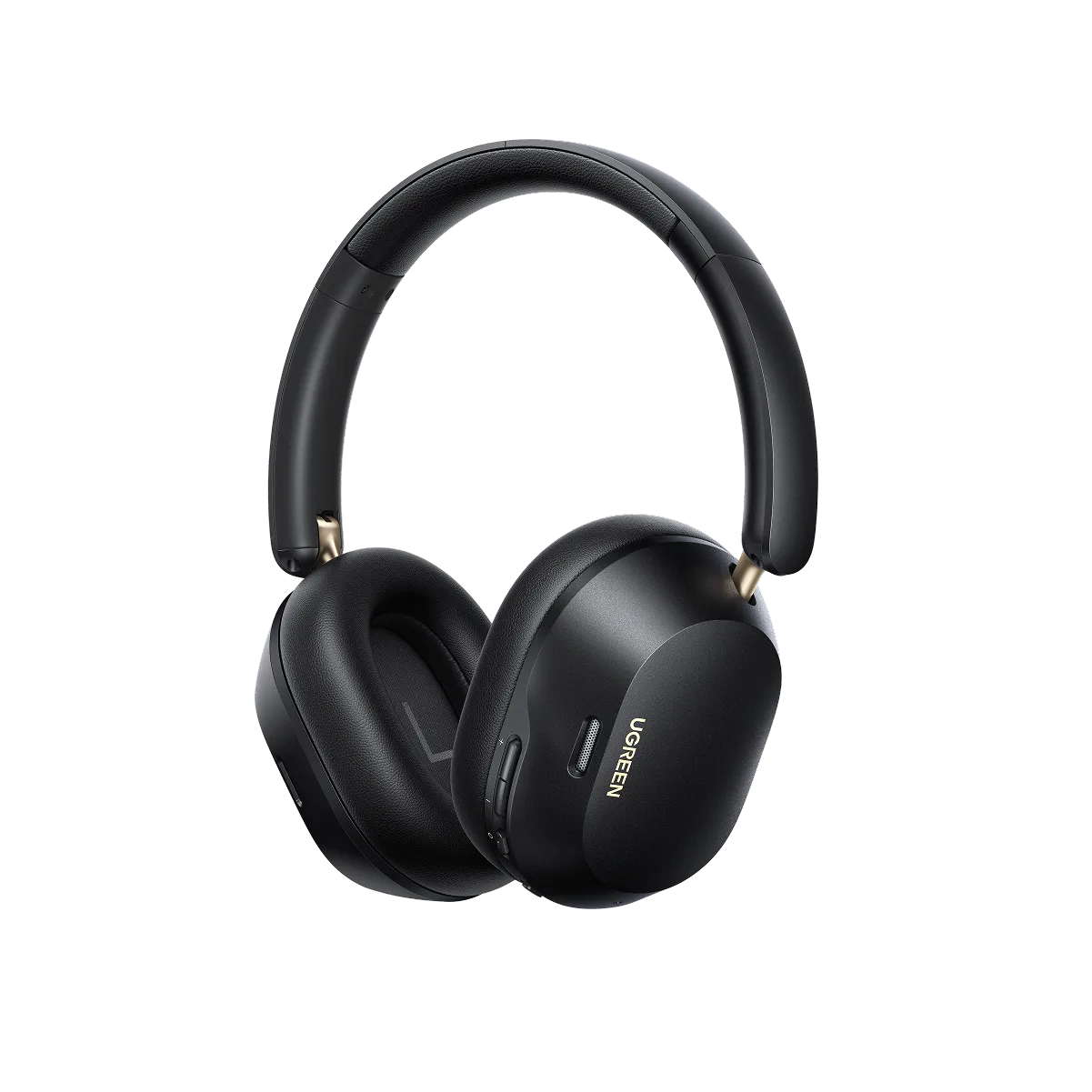
- UGREEN HiTune Max 5C Over-Ear Noise-Cancelling Bluetooth Headphones: UGREEN HiTune Max 5C over-ear headphones are designed for everyday listening with active noise cancellation and Bluetooth connectivity. This is the combination most travelers want: an over-ear fit for a stable seal plus active noise cancellation for engine drone and Bluetooth for cable-free listening from your own device.
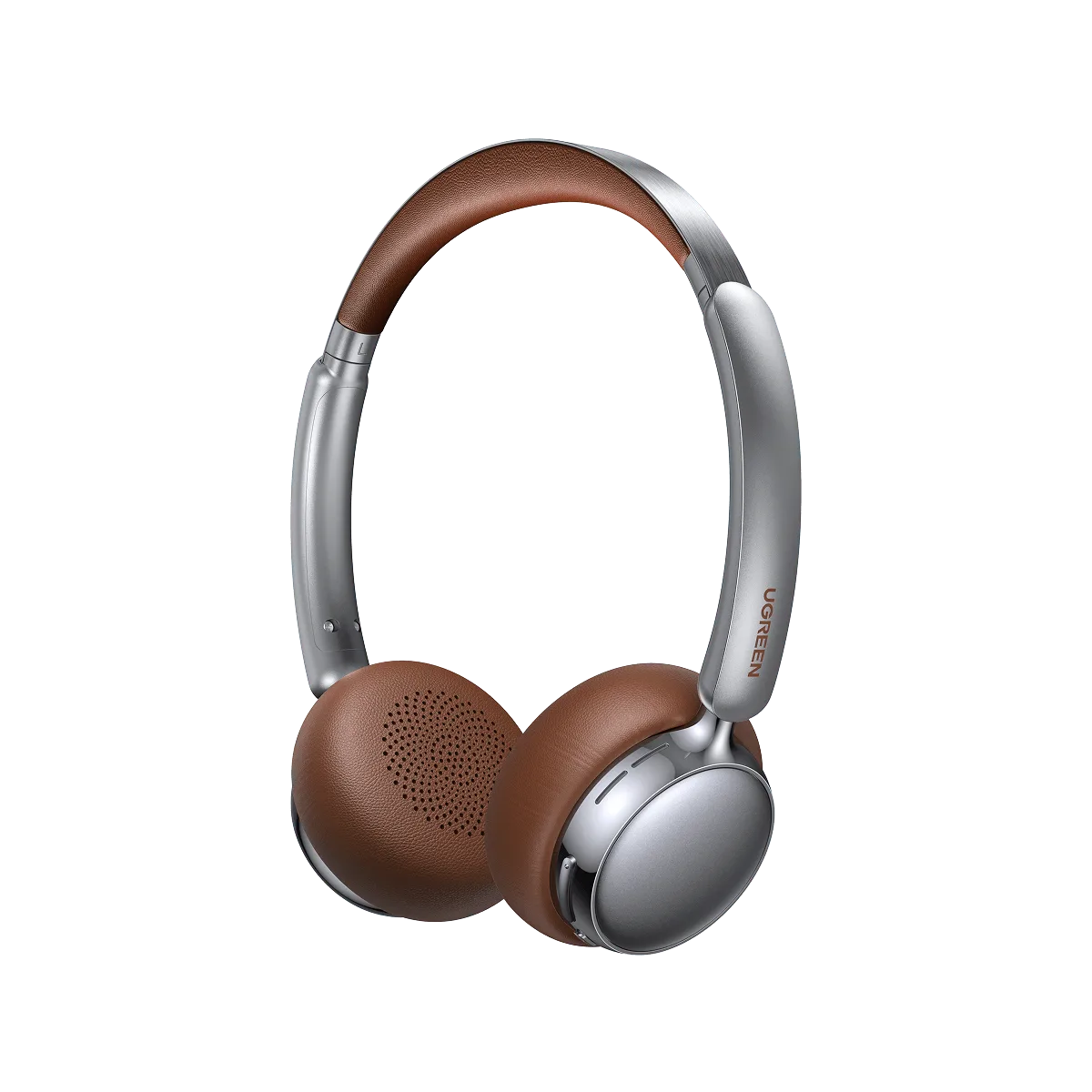
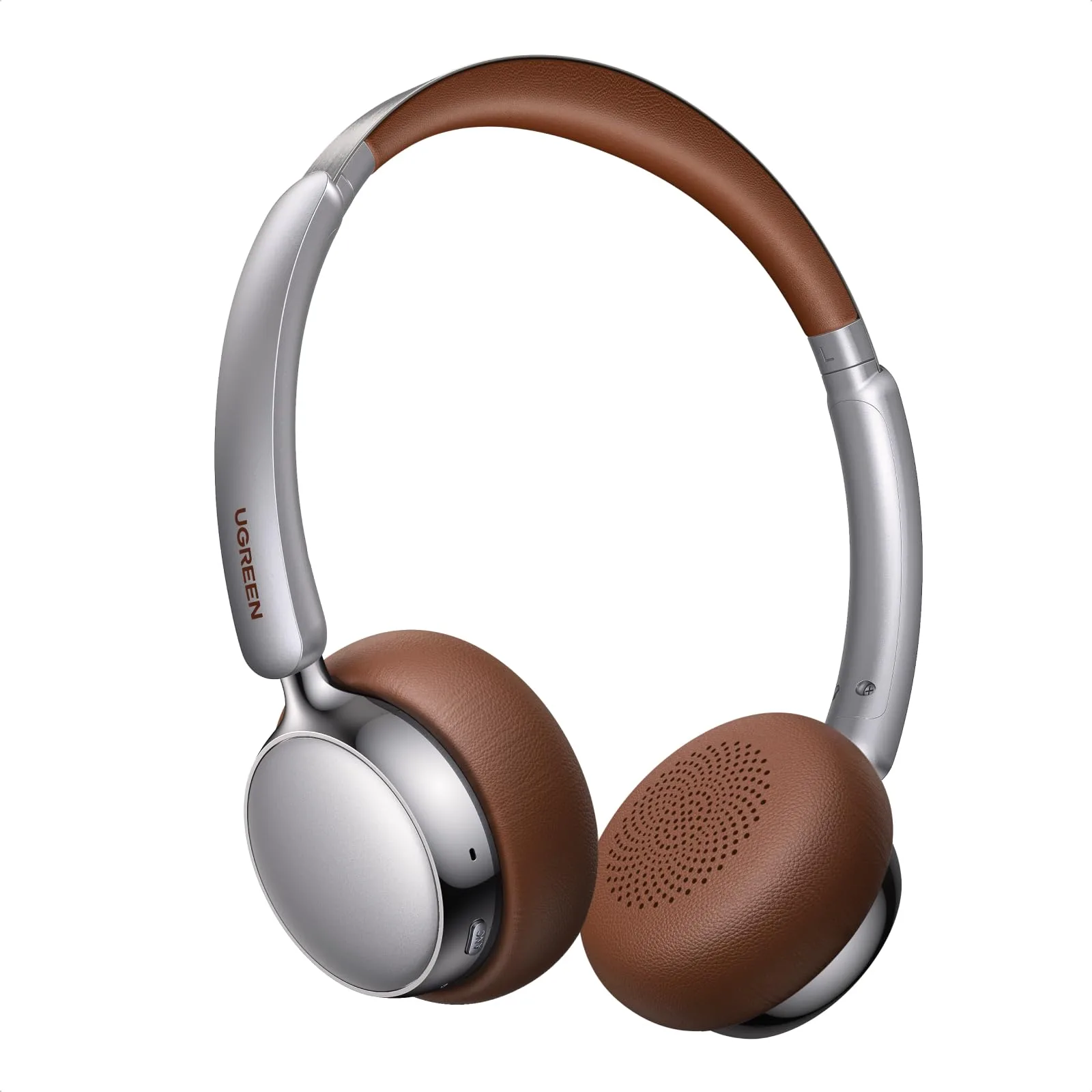
- UGREEN Studio Plus Headphones: https://ugreenetv.com/products/sg-75629-0046e549e860d9b810bb08c3-1310664UGREEN Studio Plus Headphones have an over-ear design for a stable and comfortable wearing experience during extended sessions, with a built-in microphone and controls for hands-free calls. If your trip includes calls or you wear headphones for hours at a time, the over-ear fit and built-in controls reduce the need to reach for your phone.
- UGREEN Revodok Max 213 Docking Station Thunderbolt 4 13 En 1 Hub: UGREEN Revodok Max 213 Docking Station Thunderbolt 4 13 En 1 Hub supports MacBook M1/M2/M3 and USB-C/TB4/USB 4. Not a headphone, but relevant if you work from a hotel room: it lets you connect a laptop and accessories from one hub instead of juggling ports.
Is this the right choice for you?
Best for
- Travelers on long flights who want to reduce engine drone without raising the volume.
- People who prefer an over-ear fit for comfort during extended listening.
- Anyone who mainly listens from their own phone or tablet and wants Bluetooth freedom.
Not for
- Travelers who need the smallest possible kit and prefer in-ear models.
- People who rely on a seatback screen that only has a wired jack and don't want to carry an adapter.
- Anyone who needs passive isolation only and doesn't want to manage battery life.