Quick answer
Covers and rubber tips can soften the feel of a prong collar and may improve comfort, but they do not remove the need for correct fit or humane handling. The biggest injury risks come from poor fit, wrong sizing, and misuse, not from the absence of a cover. Use covers or tips as a comfort add-on, and fix fit and technique first.
What covers and rubber tips actually do
Prong collar covers are fabric or leather sleeves that wrap around the collar links. Rubber tips are small caps that fit over the ends of the prongs. Both change how the collar contacts the dog: covers spread pressure over a wider area, and tips blunt the point of contact. That can reduce the sharpness a dog feels during a correction, which some owners and trainers prefer for comfort or for dogs with sensitive skin. But neither product changes the fundamental mechanics of how a prong collar works. If the collar is too loose, it can slide and cause uneven pressure. If it is too tight, it can cause constant pressure even when you are not giving a correction. Covers and tips do not fix those fit problems.
The real injury risks with prong collars
Injury risk with prong collars is mostly tied to three things: fit, sizing, and use. A collar that is too large can rotate or slip, and the prongs may contact the trachea instead of the sides of the neck. A collar that is too small can pinch or sit too high. Using a prong collar for constant pulling or as a full-time collar can also cause irritation over time. None of these are solved by adding covers or tips. In fact, a cover can hide a poor fit by making the collar look and feel more padded, so you may not notice that the collar is sitting wrong. The most reliable way to reduce injury risk is to follow fit guidelines: the collar should sit high on the neck, just behind the ears and jaw, and be snug enough that it does not slide down when the dog shakes. You should be able to fit one finger between the collar and the dog's neck, but not more. Check the fit before every session, and remove the collar when you are not training.
When covers and tips are a reasonable choice
If your dog is already fitted correctly and you are using the collar for short, structured training sessions, covers or rubber tips can be a sensible comfort layer. They may help if your dog has thin fur or sensitive skin, or if you are transitioning a dog to a prong collar and want to soften the initial feel. They can also reduce the chance of the prongs catching on fur or clothing. However, they are not a substitute for humane training. A prong collar should never be used for punishment or to drag a dog. It should be paired with clear commands, rewards, and a plan to fade the collar as training progresses. If you find yourself relying on the collar to control your dog in everyday situations, that is a training gap, not a gear gap. Covers and tips will not make an aversive tool humane on their own; they only change the surface feel.
How replacement links fit into the picture
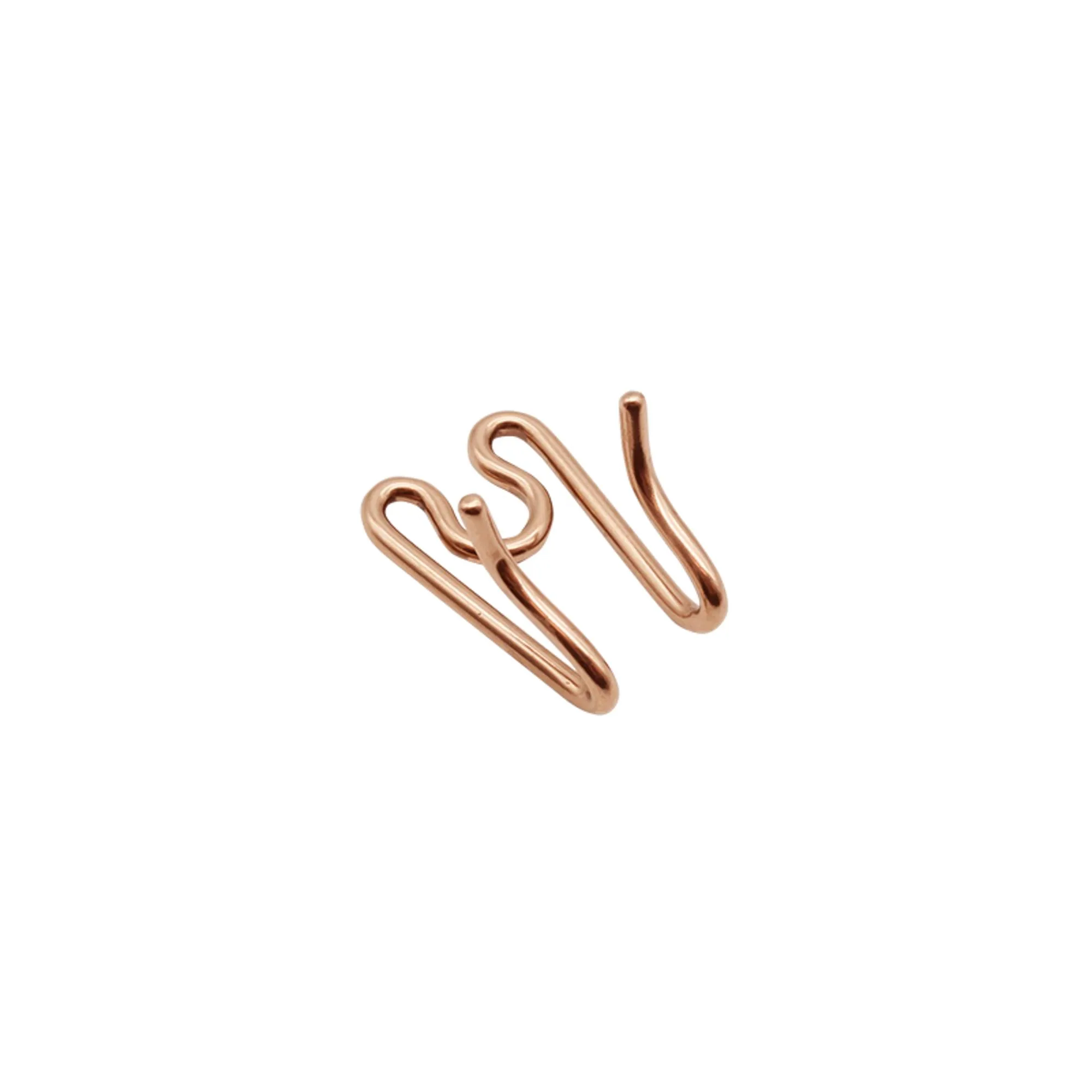
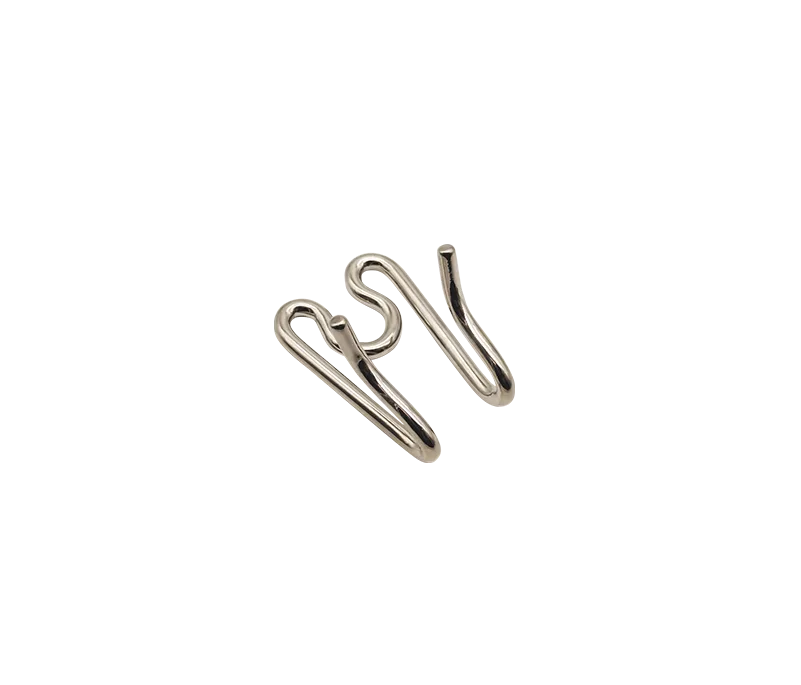
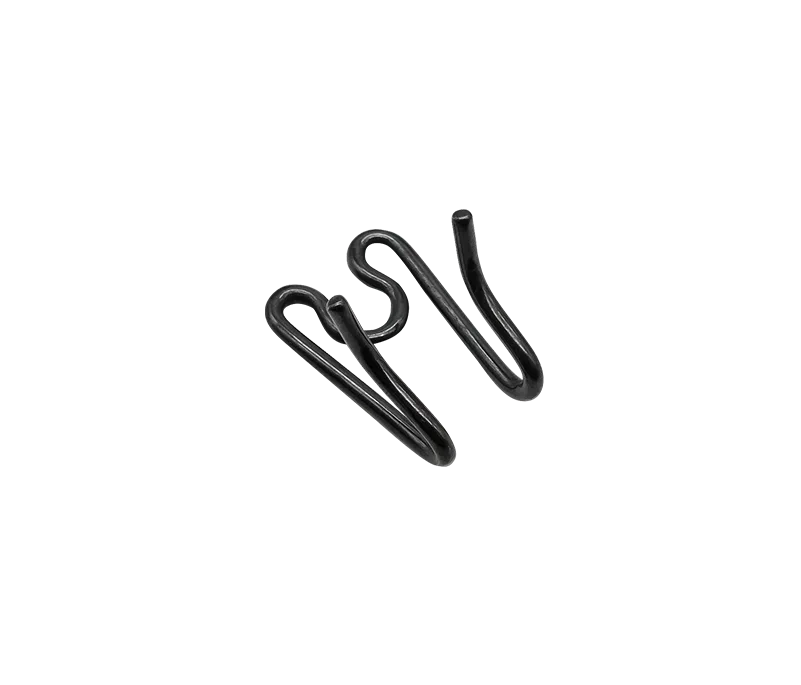
One of the most common fit problems is a collar that is between sizes. Herm Sprenger Ultra-Plus prong collars use interlocking links, and you can add or remove links to adjust the size. If your collar is slightly too small, adding a replacement link can give you the extra length you need without buying a whole new collar. That matters for safety because a collar that is too tight can cause discomfort and pressure points. The 3.25mm Curgoan Herm Sprenger Ultra-Plus Prong Training Dog Collar Replacement Links and the 3.25mm Stainless Herm Sprenger Ultra-Plus Prong Training Dog Collar Replacement Links are both designed to add length to existing Ultra-Plus collars. The blunt design attaches to existing links for a perfect fit. For smaller collars, the 2.25mm Black Stainless Herm Sprenger Ultra-Plus Prong Training Dog Collar Replacement Links serve the same purpose. Getting the size right is a more direct safety improvement than any cover or tip.
Verdicts on common claims
- Claim: Covers make a prong collar safe for any dog.: Covers change the surface feel but do not correct fit or handling. A poorly fitted collar with a cover is still poorly fitted. Verdict: False. Fix fit and training first.
- Claim: Rubber tips eliminate injury risk.: Tips blunt the prongs, which may reduce scratching or sharpness, but they do not prevent pressure from a tight collar or a hard correction. Verdict: Overstated. They reduce one specific risk, not all.
- Claim: You should always use covers or tips with a prong collar.: There is no universal rule. Some dogs do fine without them; others may benefit. The decision depends on your dog's coat, skin, and training context. Verdict: Not required. Use them as a comfort option, not a safety mandate.
- Claim: A prong collar is inherently inhumane.: Used correctly and humanely, with proper fit and short training sessions, a prong collar can be a tool. Misuse, not the tool itself, causes harm. Verdict: Misleading. Humane use is about technique and fit.
Product facts
- 3.25mm Curgoan Herm Sprenger Ultra-Plus Prong Training Dog Collar Replacement Links: These links are used to add length to the Herm Sprenger Ultra-Plus Prong Training Dog Collars. The blunt design is effective and easily attaches to existing links for a perfect fit. If your collar is slightly too small, adding a link can fix the fit without replacing the whole collar.
- 3.25mm Stainless Herm Sprenger Ultra-Plus Prong Training Dog Collar Replacement Links: These links are used to add length to the Herm Sprenger Ultra-Plus Prong Training Dog Collars. The blunt design is effective and easily attaches to existing links for a perfect fit. A stainless option for the same fit adjustment, useful if you want a different finish or material.
- 2.25mm Black Stainless Herm Sprenger Ultra-Plus Prong Training Dog Collar Replacement Links: These links are used to add length to the Herm Sprenger Ultra-Plus Prong Training Dog Collars. The blunt design is effective and easily attaches to existing links for a perfect fit. Sized for 2.25mm collars, so smaller dogs can get a precise fit instead of a loose or tight collar.