Quick Answer
A sharp blade is generally safer than a dull one because it cuts with less force, giving you more control. Dull blades make you push harder, and that extra pressure is what causes slips. Replace blades when they start requiring more effort, and use a knife that fits your hand so the blade does the work, not your wrist.
It sounds backwards: the sharper the blade, the more dangerous it must be. But in practice, a dull edge is often the bigger culprit behind craft knife injuries. When a blade can't slice cleanly, you compensate with pressure, and pressure is what turns a small slip into a deep cut.
This article separates common blade safety myths from what actually happens at the cutting mat. We'll look at how sharpness affects control, why replacement timing matters more than blade count, and which handle features help you keep a steady grip.
Myth: A Dull Blade Is the Safer Choice
The logic seems reasonable: a blade that barely cuts can't hurt you much. But a dull edge doesn't glide through material. It drags, catches, and skips, so you instinctively bear down. That downward force is exactly what makes the knife jump when the material finally gives way.
A sharp edge, by contrast, requires light pressure and follows the line you set. The blade does the work, so your hand stays relaxed and your wrist stays aligned. That's the real safety difference: not the edge itself, but how much force you have to add to make it cut.
- Test sharpness on scrap material before starting a project, not mid-cut.
- If you're pressing hard enough to whiten your knuckles, stop and change the blade.
Myth: Blade Sharpness Doesn't Affect Control
Control is the whole game in precision cutting. A blade that needs extra pressure also needs extra stabilization, which means your grip tightens and your fingers fatigue. Fatigue leads to small wobbles, and wobbles near a sharp edge are how most craft cuts happen.
Sharpness and control work together. When the blade slices cleanly, you can guide it with your fingertips rather than muscling it through. That's why crafters who replace blades on a schedule often report fewer nicks than those who stretch every blade to its limit.
- Keep your cutting hand relaxed; let the blade's edge do the work.
- Cut on a proper mat so the blade doesn't skip on a hard surface.
Myth: You Should Replace Blades Only When They Break
Waiting for a blade to snap or chip is too late. Long before that, the edge dulls and starts requiring more passes. You may not notice the gradual change, but your hands do: more pressure, more passes, more chances to slip.
Replacement timing depends on material and use. Cutting paper and cardstock wears an edge more slowly than foam board, leather, or abrasive materials. A practical rule is to swap the blade at the first sign of dragging or tearing rather than pushing through a whole project.
- Keep spare blades within reach so changing one doesn't feel like a project.
- Rotate blades between rough and fine work to extend usable life.
Myth: Any Handle Works If the Blade Is Sharp
A sharp blade in a slippery or uncomfortable handle still puts you at risk. Handle shape, grip material, and blade security all affect how much control you have. A knife that shifts in your hand forces you to compensate with grip strength, which reduces fine motor control.
Look for a handle that fills your palm without cramping and a blade-locking mechanism that holds the blade firmly. If the blade wobbles, you'll naturally press harder to steady it, which brings back the same pressure problem a dull blade creates.
- Choose a handle size that matches your hand; smaller isn't always better.
- Check that the blade is seated securely before every cut.
Blade Safety Verdicts
- Sharp blades cause more injuries: A sharp edge cuts with minimal force, so your hand stays relaxed and controlled. Dull blades require pressure, and pressure is what turns a slip into a cut. Verdict: myth. Sharp is generally safer when used with care.
- You can tell when a blade is too dull: The signs are subtle: more passes, tearing instead of slicing, and a need to push. By the time a blade breaks, it was already unsafe. Verdict: partly true. Watch for dragging, not breakage.
- Handle choice doesn't matter if the blade is sharp: A slippery or loose handle forces you to grip harder, which reduces control. Blade security and grip comfort are part of the safety equation. Verdict: myth. Pair a sharp blade with a handle that fits.
- Replacement timing is a safety habit: Swap blades at the first sign of dragging. Keep spares handy so changing one is quick and doesn't tempt you to push through. Verdict: true. Treat blade changes as routine maintenance.
Tools That Support Safer Cutting
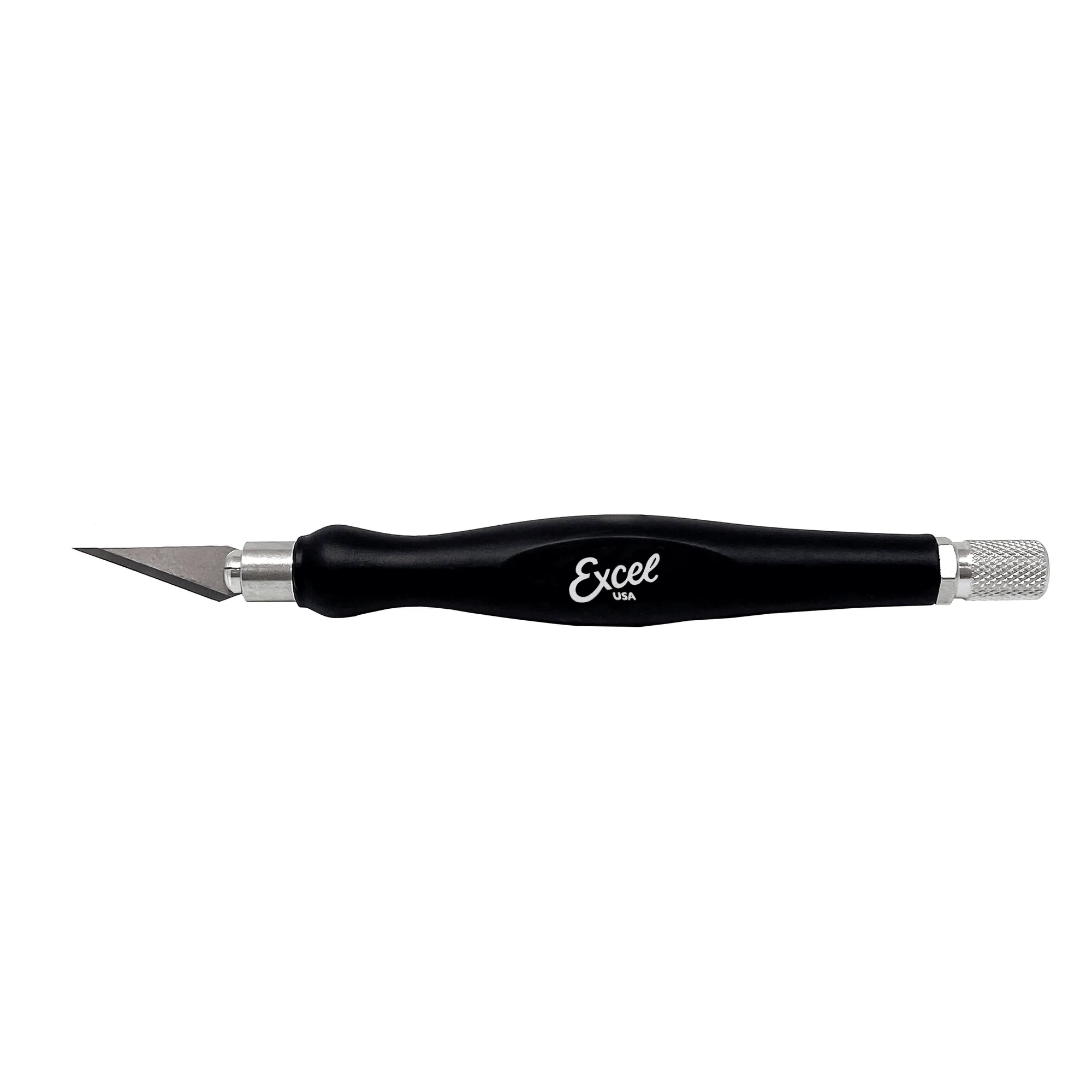
- K26 Fit Grip Ergonomic Craft Knife: Features a rubberized handle designed for comfort and control during extended use, and ships with a #11 blade. A secure, comfortable grip reduces the hand fatigue that leads to slips, and the included #11 blade lets you start with a fresh, sharp edge.
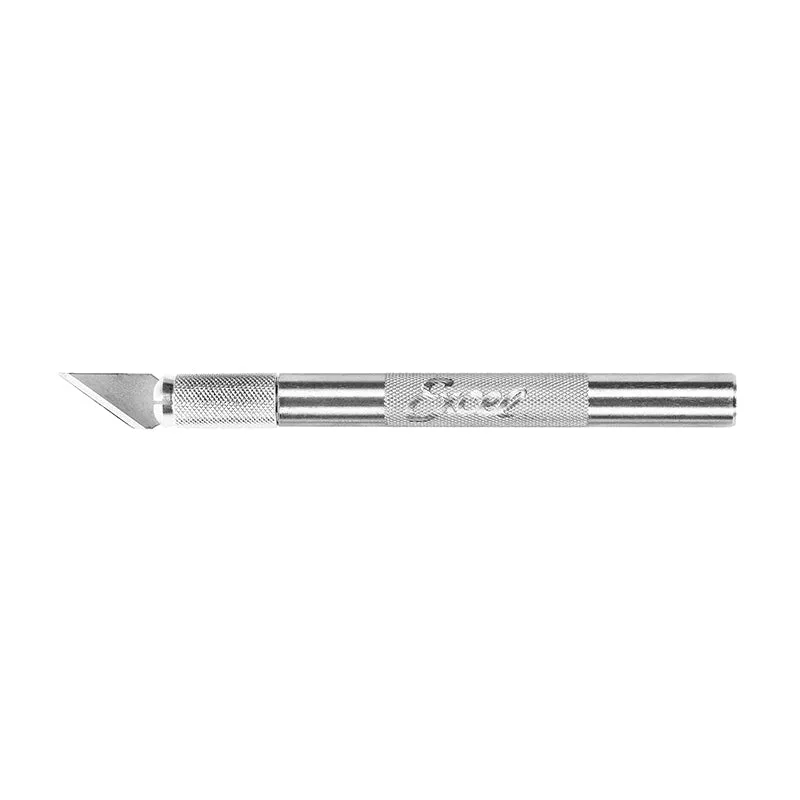
- K2 Aluminum Medium Duty Craft Knife: Uses a replaceable #24 blade and a 4-jaw aluminum chuck for extra blade security and stabilization. A chuck that holds the blade firmly prevents wobble, so you don't have to press harder to keep the blade steady.
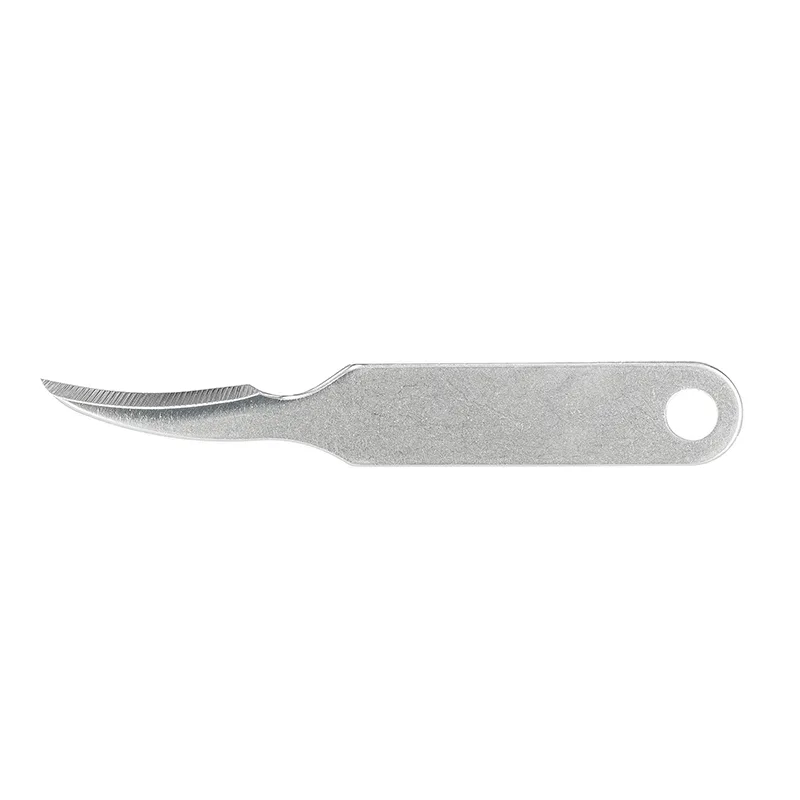
- Carving Blades Replacement, 2-Pack: Made with high-carbon steel for edge retention and a concave edge for enhanced control. Keeping spare blades on hand makes it easy to replace a dull edge the moment it starts dragging instead of pushing through.
Sharp blades aren't the enemy; uncontrolled force is. Keep your edge fresh, choose a handle that lets you guide rather than grip, and replace blades when they start to drag. That combination does more for craft knife safety than any warning label.