Quick answer
Yes, a solid shampoo bar can outlast a bottle of liquid shampoo when you store it properly between uses. The catch is that the bar only wins if it stays dry, because trapped water is what turns a long-lasting bar into a short one. Dry storage is the single habit that decides whether you get real value from a solid shampoo bar.
The longevity claim depends on one thing you control
The most common myth is that a shampoo bar lasts longer no matter what you do. In practice, a bar left sitting in a puddle on the shower shelf will soften and dissolve faster than it should. A bar that drains and dries between washes keeps its shape and gives you more washes per bar. So the honest answer to whether bars last longer is: they can, and storage is the deciding factor.
This is why the zero waste shampoo bar conversation is really a storage conversation. You are not just buying a product; you are adopting a small routine. If you are willing to change where the bar rests, the longevity advantage is real. If you are not, a bar can disappear quickly and feel like poor value.
Myth: all solid bars are the same, so value is fixed
A second myth is that any solid bar delivers the same number of washes. Bars differ in formulation, size, and how much water they hold. A long-lasting formula is designed to give multiple washes, but the actual count depends on hair length, how often you wash, and how much product you use per wash.
The practical takeaway is to judge value per wash rather than per bar. A bar that seems more expensive up front can still beat a bottle if it survives dozens of washes. That is the solid shampoo bar value question worth asking, and it is answered by your routine, not by the label alone.
Myth: liquid shampoo is always cheaper per wash
Liquid shampoo often looks cheaper because the bottle price is lower and the volume is easy to see. But a bottle is mostly water, and you cannot control how much you pour. A solid bar is concentrated, so a little goes further, and you can feel exactly how much you are using.
This does not mean every bar beats every bottle on cost. It means the comparison is not bottle price versus bar price. It is cost per wash, and that favors a bar when the bar is stored dry and used with a light hand.
Myth: you need special equipment to make bars last
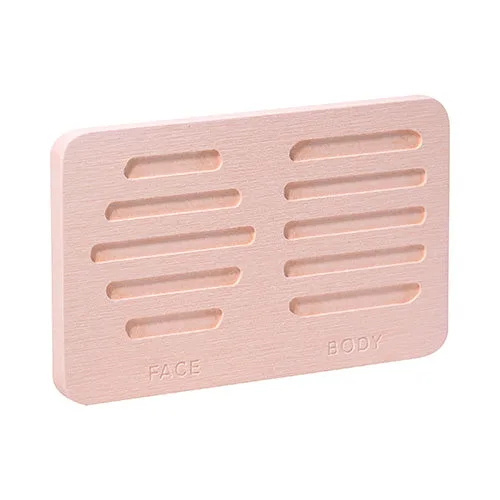
You do not need a cabinet full of gadgets. You need one surface that pulls water away from the bar instead of holding it against it. A self-drying tray made with diatomaceous earth does exactly that, drawing moisture away so the bar is not sitting in a pool between washes.
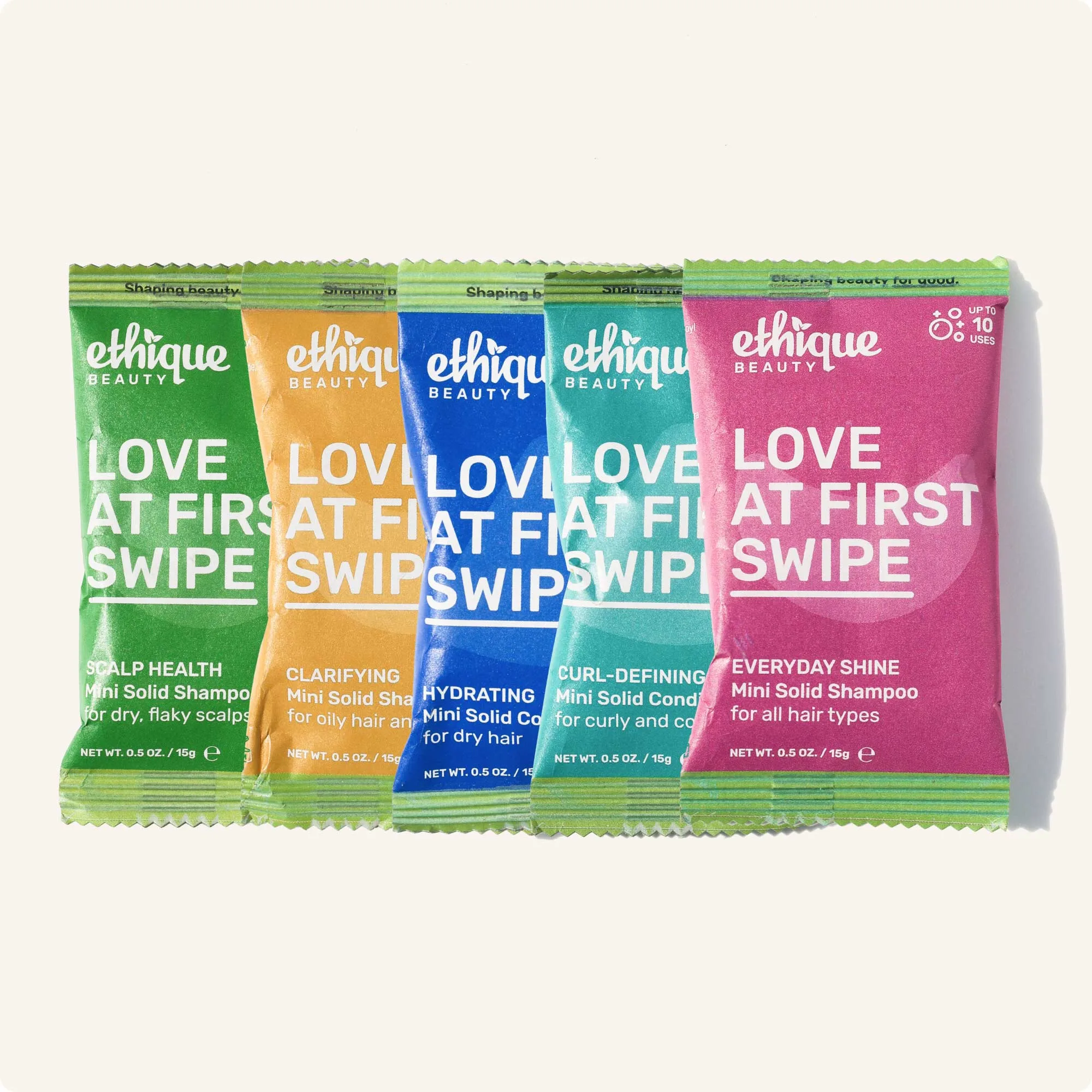
If you travel or want to test a bar before committing to a full size, a sample bundle lets you try solid haircare in a compact format without buying a full bar first. That is a low-risk way to see how long a bar lasts in your own routine.
Verdicts on common shampoo bar claims
- Bars always last longer: Only when they dry between uses. A bar left in standing water softens and dissolves faster, so the claim is conditional on storage. Verdict: true with dry storage, false without it.
- Liquid shampoo is cheaper per wash: Bottle price is not cost per wash. Liquid shampoo is mostly water, while a solid bar is concentrated and you control the amount used. Verdict: misleading. Compare cost per wash, not sticker price.
- You need a full routine overhaul to switch: The only change that matters is where the bar rests. A self-drying tray handles that, and a sample bundle lets you test before committing. Verdict: false. One storage habit is enough.
Products that support the verdict
- Pink Face & Body Storage Tray: A self-drying tray made with diatomaceous earth that draws water away from face and body bars to help them last longer. This is the storage fix that makes the longevity claim true. Keeping the bar dry between uses is the difference between a bar that lasts and one that melts away.
- Sample Bundle: A compact sample bundle with a mini shampoo bar and conditioner bar, with a solid format that eliminates plastic bottles and a long-lasting formula that provides multiple washes from each bar. A low-commitment way to test how many washes you actually get before buying full sizes, so you can judge value per wash for yourself.