Quick answer
Wash printed tees inside out in cold water on a gentle cycle, use a small amount of mild detergent, and air-dry or tumble low. Fading is usually caused by heat, detergent residue, or abrasion, not the print itself. If a shirt has already lost most of its color, washing changes cannot restore it; replace it or reserve it for non-display wear.
Why team t-shirts fade in the first place
Fading is a physical and chemical change in the fabric dye or the printed ink. Heat breaks down dye bonds, so hot water and a hot dryer are the two fastest ways to dull a shirt. Detergent residue left in the fibers can also make colors look chalky and attract more soil. Rough tumbling against zippers, buttons, or heavy towels abrades the surface, which is why a printed tee often fades first at the shoulders and chest where it rubs most.
A wash routine that protects printed colors
Turn the shirt inside out before it goes in the machine. This puts the printed side against itself instead of against the drum or other garments. Use cold water on a gentle or delicate cycle, and measure detergent rather than pouring freely; too much soap does not rinse out fully and leaves a film that dulls color. If your machine has a low-spin option, use it. High spin speed presses the fabric against the drum and increases abrasion.
- Wash only with similar colors and soft items; avoid mixing with jeans, towels, or anything with exposed zippers.
- Skip fabric softener and dryer sheets on printed tees; both can coat the print and reduce color clarity.
- For a single shirt or a very small load, use a mesh laundry bag to cut down on friction.
Drying choices that make the biggest difference
Air-drying is the safest option for any printed tee. Hang or lay the shirt flat in the shade; direct sun can fade dye over many exposures, especially on darker navy and turquoise fabrics. If you use a dryer, choose the lowest heat setting and remove the shirt while it is still slightly damp, then hang it to finish. High heat is the single most common cause of rapid fading, and it also shrinks cotton, which changes how the print sits on the body.
What to do when a shirt has already started to fade
If the color loss is mild and even, a cold-water wash with a color-safe detergent can remove residue and sometimes restore apparent brightness. If the print itself is cracking or the fabric has turned a different shade, no home washing method will reverse that. At that point, the practical options are to keep wearing it for yard work or workouts, or replace it. Do not use chlorine bleach or oxygen bleach on a printed tee; both attack dye and ink.
Fading diagnosis: match the symptom to the fix
- Overall dullness with no cracking: Usually detergent residue or hard water minerals. Rewash once in cold water with no detergent, add a half-cup of white vinegar to the rinse cycle, and air-dry. If the color looks better when damp, residue was the main problem.
- Faded patches at shoulders or chest: Caused by abrasion from tumbling or from rubbing against bags and seatbelts. Wash inside out on gentle, and avoid overloading the dryer. Switch to air-drying to stop the patches from spreading.
- Print is cracked, chalky, or missing color: The ink itself has degraded, often from high dryer heat. No wash additive restores cracked ink. Retire the shirt for casual wear or replace it; further washing will not bring the print back.
Product facts that affect washing and fading
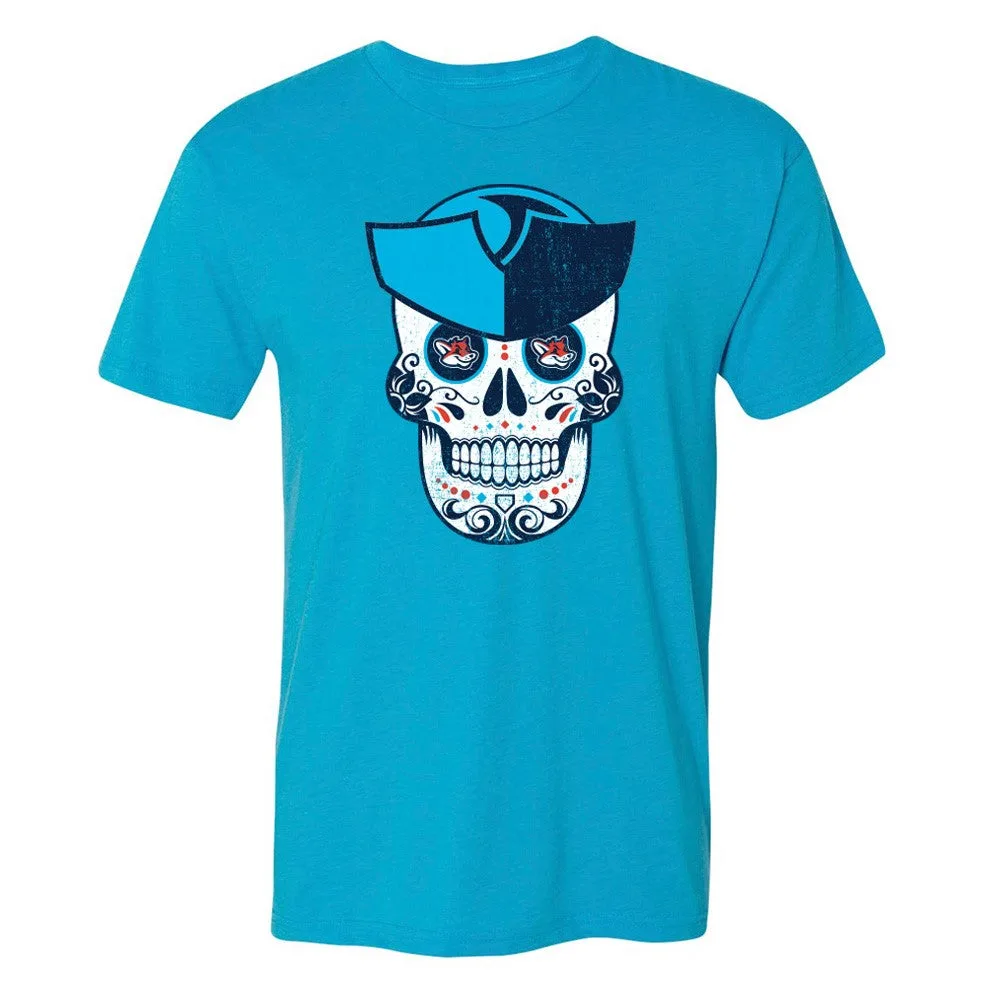
- Somerset Patriots Men's Copa Turquoise Sugar Skull Tee: Turquoise color with sugar skull design; soft fabric for all-day comfort. Turquoise and other bright dyes show fading faster than dark navy, so this tee benefits most from cold-water washing and shade drying.
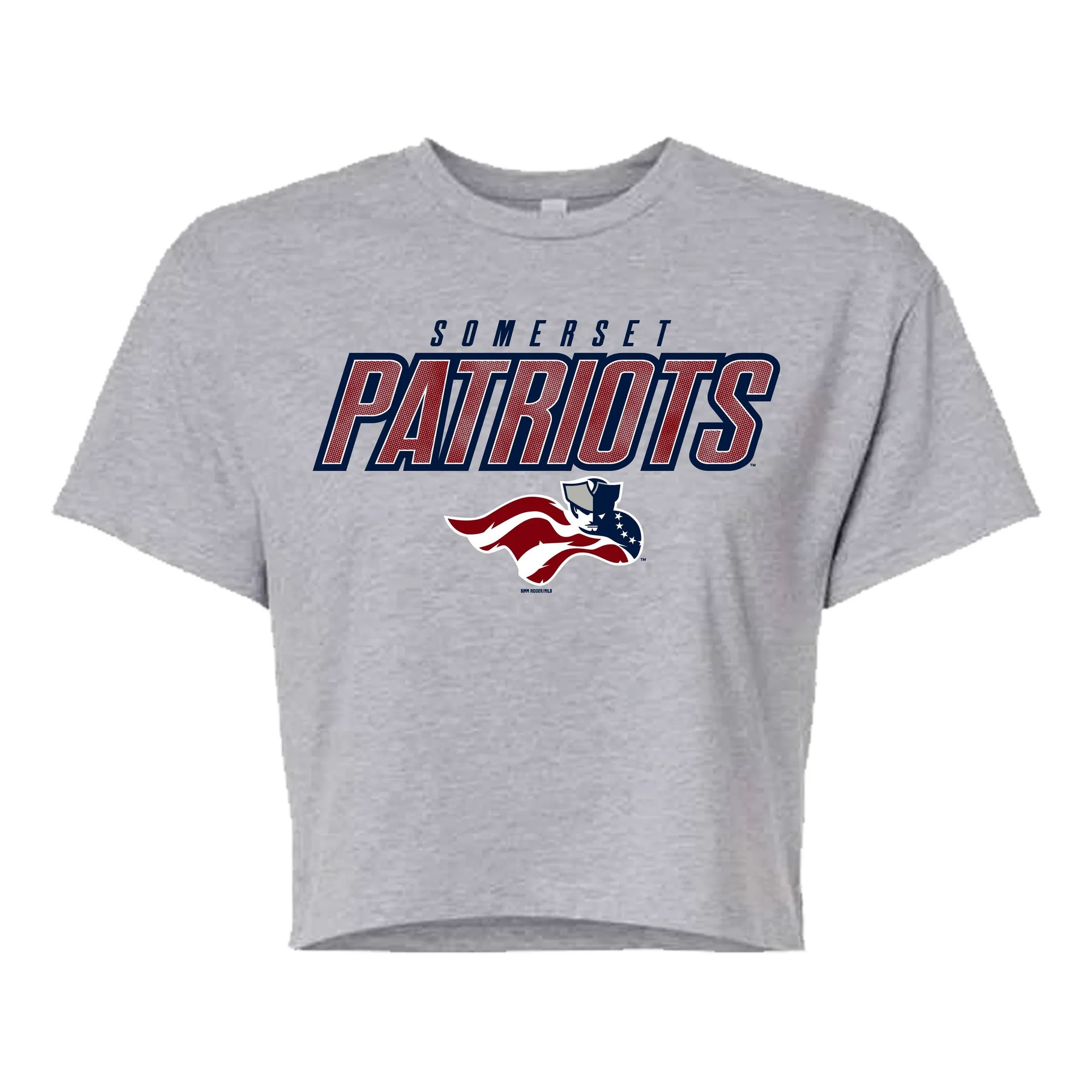
- Somerset Patriots Women's Heather Grey Zee Crop Top Tee: 4.5oz. 100% combed ringspun cotton with ribbed fashion collar and oversized Hi Low hem. Combed ringspun cotton is smooth and comfortable but can shrink with high heat, so keep the dryer low or air-dry to protect the crop fit.
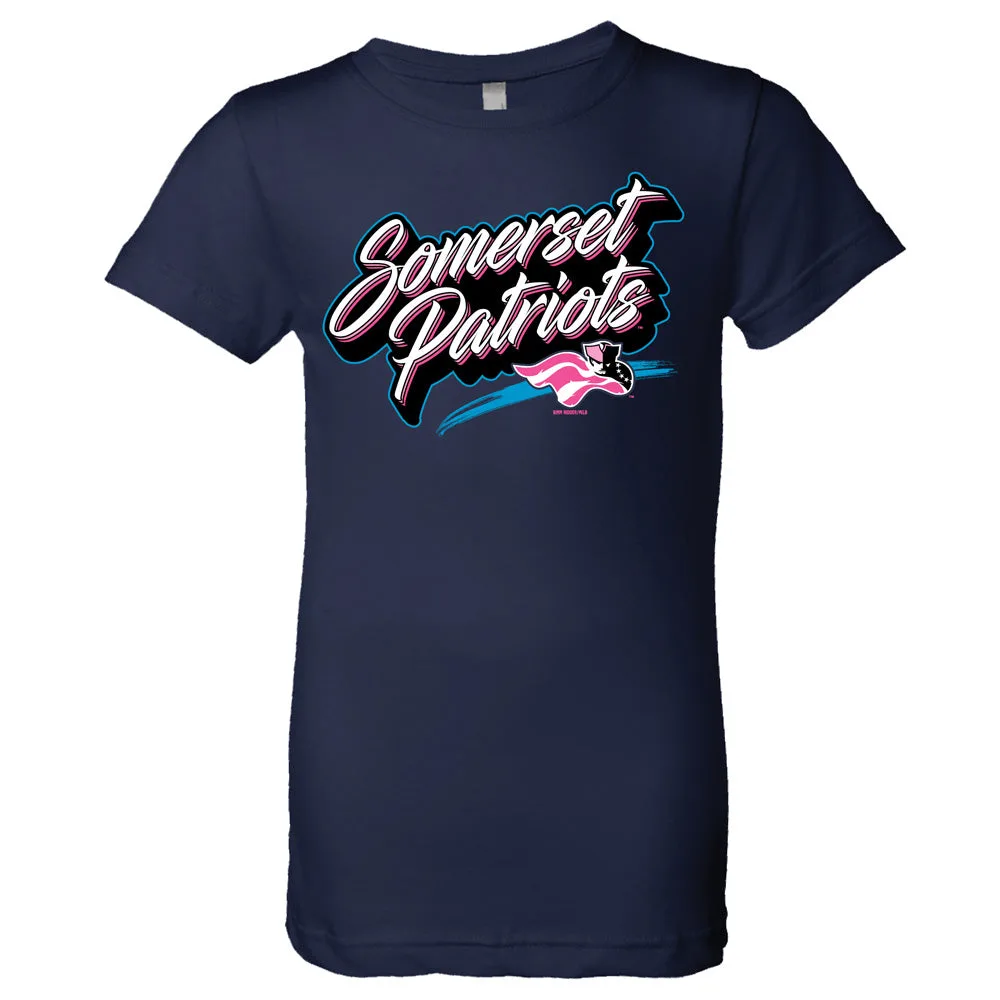
- Somerset Patriots Midnight Navy Girls Steppenwolf Princess Tee: 4.3oz. 100% cotton in midnight navy. Navy cotton hides light fading better than bright colors, but it still loses depth with hot water and repeated high-heat drying.