Quick answer
Wooden toys generally outlast plastic toys because they resist cracking, hold their shape, and can be handed down through multiple children. Plastic toys are often cheaper and easier to clean, but they tend to break faster and contribute more to landfill waste. If you want longevity and a lower environmental footprint, wooden toys are the better investment; if you need lightweight, budget-friendly options for travel or group play, plastic still has a place.
When you're standing in a toy aisle or scrolling online, the choice between wood and plastic can feel like a tug-of-war between your wallet, your child's safety, and the planet. Both materials have loyal fans, and both have real drawbacks. This comparison looks at durability, safety, and eco-friendliness using actual products from our catalog so you can see how the trade-offs play out in practice.
We'll focus on what matters most: how long each type typically lasts, what to watch out for, and which kids and situations each material suits best. You won't find a one-size-fits-all answer here, but you will find clear guidance to make a confident choice.
Durability: How Long Do Wooden and Plastic Toys Really Last?
Wooden toys are known for their toughness. Solid wood doesn't crack easily under normal play, and it can be sanded or refinished if it gets scratched. Plastic toys, especially those made from thin or brittle plastic, often break at joints or hinges after a few months of rough handling. That said, high-quality plastic like ABS can be very durable, but it's less common in budget toys.
A wooden toy like the Cash Register, made from FSC-certified wood, is built to withstand years of pretend play. Its solid construction means it won't shatter if dropped, and it can be passed down to younger siblings. Plastic toys may survive drops too, but they're more prone to stress fractures over time. If longevity is your priority, wood usually wins.
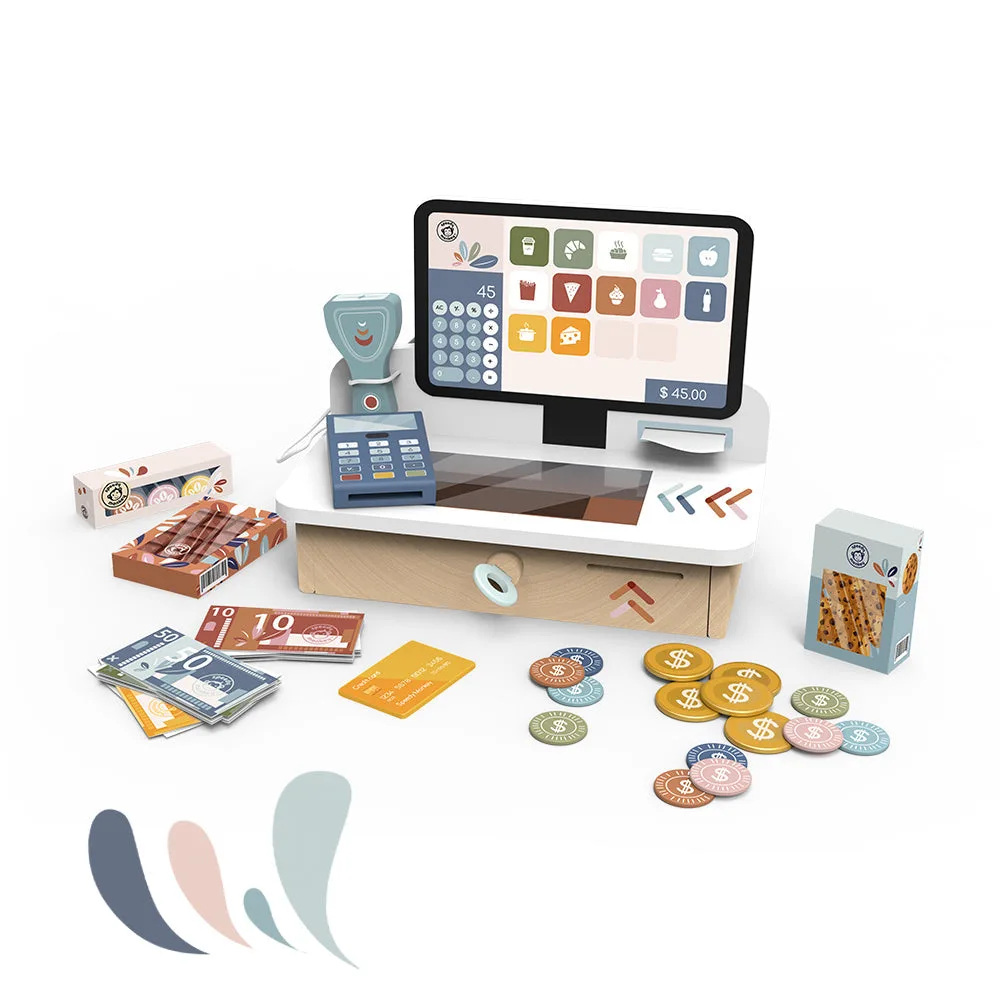
Cash Register
- Check for smooth, splinter-free edges on wooden toys; they should be sanded and sealed.
- For plastic, look for thick, flexible material rather than thin, rigid pieces that snap.
Safety: What Parents Need to Know
Both materials can be safe, but they have different risk profiles. Wooden toys are often finished with water-based, non-toxic paints and sealants, which is reassuring for mouthing toddlers. However, wooden toys can develop splinters if damaged, and some may have small parts that come loose. Plastic toys can be made from BPA-free, phthalate-free materials, but cheaper plastics may contain harmful chemicals.
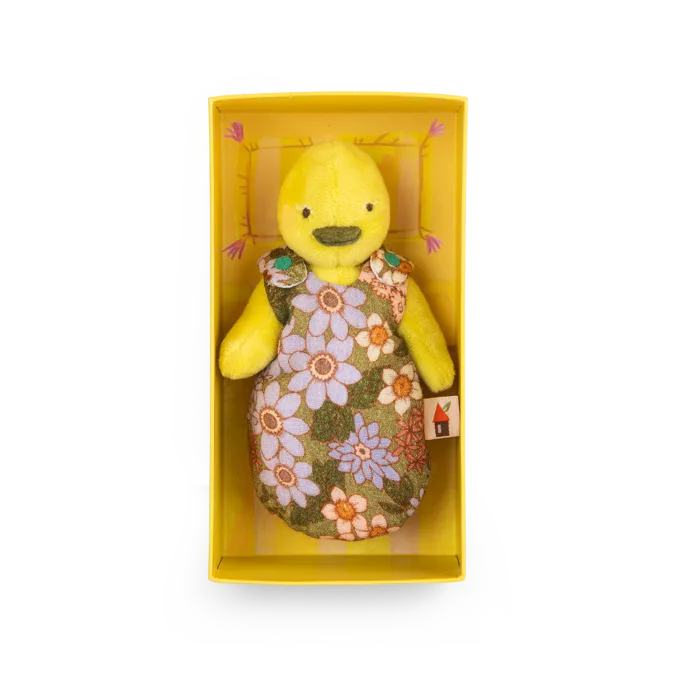
The Cash Register is recommended for children 36 months and up, which reflects its small parts and the need for supervised play. Always check age recommendations. For plush toys like Baby Rita The Duck, safety comes from soft fabrics and secure closures, not the material debate. In short, safety depends more on manufacturing quality and age-appropriateness than on wood versus plastic alone.
- Look for FSC certification on wooden toys to ensure responsible sourcing.
- For plastic, check labels for BPA-free and phthalate-free claims.
Eco-Friendliness: Which Material Is Kinder to the Planet?
Wooden toys from responsibly managed forests are biodegradable and renewable, giving them a clear edge over plastic, which is typically made from petroleum and can take centuries to decompose. Even recycled plastic has a limited number of lives before it ends up in landfill. Choosing FSC-certified wood, like that used in the Cash Register, supports sustainable forestry and reduces plastic waste.
That said, wooden toys aren't automatically eco-friendly if they're shipped long distances or treated with toxic finishes. Plastic toys can be recycled, but recycling rates remain low. If reducing your environmental footprint is a priority, wooden toys are generally the better choice, especially when they're locally made or certified.
- Pass on wooden toys to other families instead of throwing them away.
- Check if your local recycling center accepts rigid plastics before tossing broken toys.
Cost and Value: Are Wooden Toys Worth the Higher Price?
Wooden toys usually cost more upfront. The Cash Register is priced at $17.50 (compared to a catalog comparison price of $34.99), which is mid-range. Plastic toys can be very cheap, but they often need replacing sooner, making the long-term cost similar or even higher. A well-made wooden toy can last through multiple children, bringing the cost-per-year down significantly.
For plush toys like Baby Rita The Duck at $12.50, the material is soft fabric, not wood or plastic, so the durability question shifts to stitching and washability. When comparing wood and plastic, consider the total cost of ownership: wooden toys may be worth it if you plan to keep them for years or hand them down.
- Calculate cost per year of use, not just the sticker price.
- Wooden toys often have higher resale or donation value.
Trade-offs at a glance
- Durability: Wooden toys resist cracking and can be refinished; plastic toys may break at joints but are often cheaper to replace. Choose wood for heirloom quality; choose plastic for low-cost, short-term use.
- Safety: Wooden toys often use non-toxic finishes but can splinter; plastic may contain harmful chemicals if not BPA-free. Prioritize certified materials and age-appropriate designs over material alone.
- Eco-friendliness: Wood is renewable and biodegradable; plastic is petroleum-based and persists in landfills. Wood is the greener choice when sourced responsibly and kept in use.
- Cost: Wooden toys cost more upfront but last longer; plastic toys are cheap but may need frequent replacement. Consider total cost of ownership over the toy's lifespan.
Product facts
- Cash Register: FSC-certified wooden toy, recommended for children 36 months and up, priced at USD 17.50 (catalog comparison price USD 34.99). Demonstrates that wooden toys can be affordable and sustainably sourced, with a clear age recommendation for safety.
- Baby Rita The Duck - Les Minouchkas: Plush toy with soft fabrics and a secure Velcro closure, priced at USD 12.50 (catalog comparison price USD 24.99). Shows that not all toys fit the wood-versus-plastic debate; plush toys offer comfort and are easy for little hands to use.
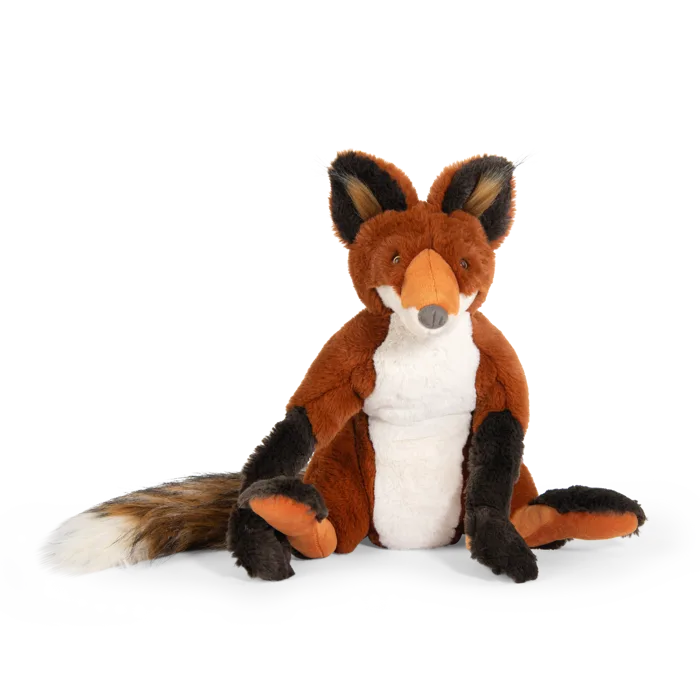
- Fox - All Around the World: Soft plush fox with long, fluffy tail, priced at USD 30.00 (catalog comparison price USD 59.99). Highlights that plush toys can be a premium option, and their durability depends on fabric quality and care.
Which should you choose?
Wooden toys are best for
- Families who want toys that last through multiple children
- Parents prioritizing sustainable, non-toxic materials
- Children who enjoy open-ended, classic play
Plastic toys are better for
- Budget-conscious shoppers who need inexpensive options
- Travel or outdoor play where lightweight and waterproof matter
- Kids who prefer bright, character-themed toys
There's no single winner in the wood-versus-plastic debate—it depends on your priorities. If durability and eco-friendliness top your list, wooden toys like the Cash Register are a smart investment. If you need affordable, lightweight options for travel or group settings, plastic still has its place. Whichever you choose, focus on quality construction and age-appropriate design to get the most value.