Quick Answer
Focus locks on cabinets containing hazards—cleaning products, medicines, sharp objects, and heavy items—rather than locking every door in your home.
Why not every cabinet needs a lock
Locking every cabinet can be inconvenient and may discourage kids from exploring safe spaces. The goal is to reduce risk, not to eliminate all access. Prioritize based on what’s inside and how easily a child can reach it.
Consider your child’s age and mobility. Once they can crawl or walk, they can open lower cabinets. But upper cabinets or those with child-resistant latches may not need extra locks. Re-evaluate as your child grows and their reach expands.
Trade-offs: locks vs. latches vs. blocks
Cabinet locks come in several styles: magnetic locks (hidden), spring-loaded latches (visible), and sliding blocks (often for double doors). Each has pros and cons. Magnetic locks are discreet but require a key. Latches are easy to install but visible. Blocks are simple but may not fit all door gaps.
For double doors, a block like the Fred Safety Double Door Block holds both doors shut and releases with one hand, making it convenient for adults. However, it only works on doors within a specific thickness range, so measure before buying.
Which cabinets need locks?
Kitchen cabinets
Lock cabinets under the sink (cleaning supplies), those with sharp utensils, and any storing heavy pots or appliances. Consider locks on cabinets with breakables or small appliances. Start with the under-sink cabinet and work outward based on hazard level.
Bathroom cabinets
Lock cabinets containing medicines, vitamins, toiletries, razors, or cleaning products. These are high-risk for poisoning and injury. Use a lock that’s easy for adults but difficult for kids—magnetic locks work well here.
Living room and bedroom cabinets
Lock cabinets with electronics, cords, or small items that pose choking hazards. Media centers and bedside tables often need attention. Check for accessible cords and small parts, not just obvious hazards.
Laundry and utility rooms
Lock cabinets with detergents, bleach, and tools. These are often at floor level and easy for toddlers to open. Even if the room is usually closed, lock the cabinets for extra safety.
Cabinets with safe contents
Skip locks on cabinets with only clothes, toys, or non-hazardous items. This reduces hassle and allows kids to explore safely. Re-evaluate as your child grows; what’s safe now may not be later.
Product Fact
-
Fred Safety Double Door Block (x1) - Dark Grey: The Fred Safety Double Door Block fits doors from 6 to 21 mm thick and uses a Squeeze-n-Lift™ release. This makes it a practical choice for double cabinets where you need quick adult access while keeping doors securely closed.
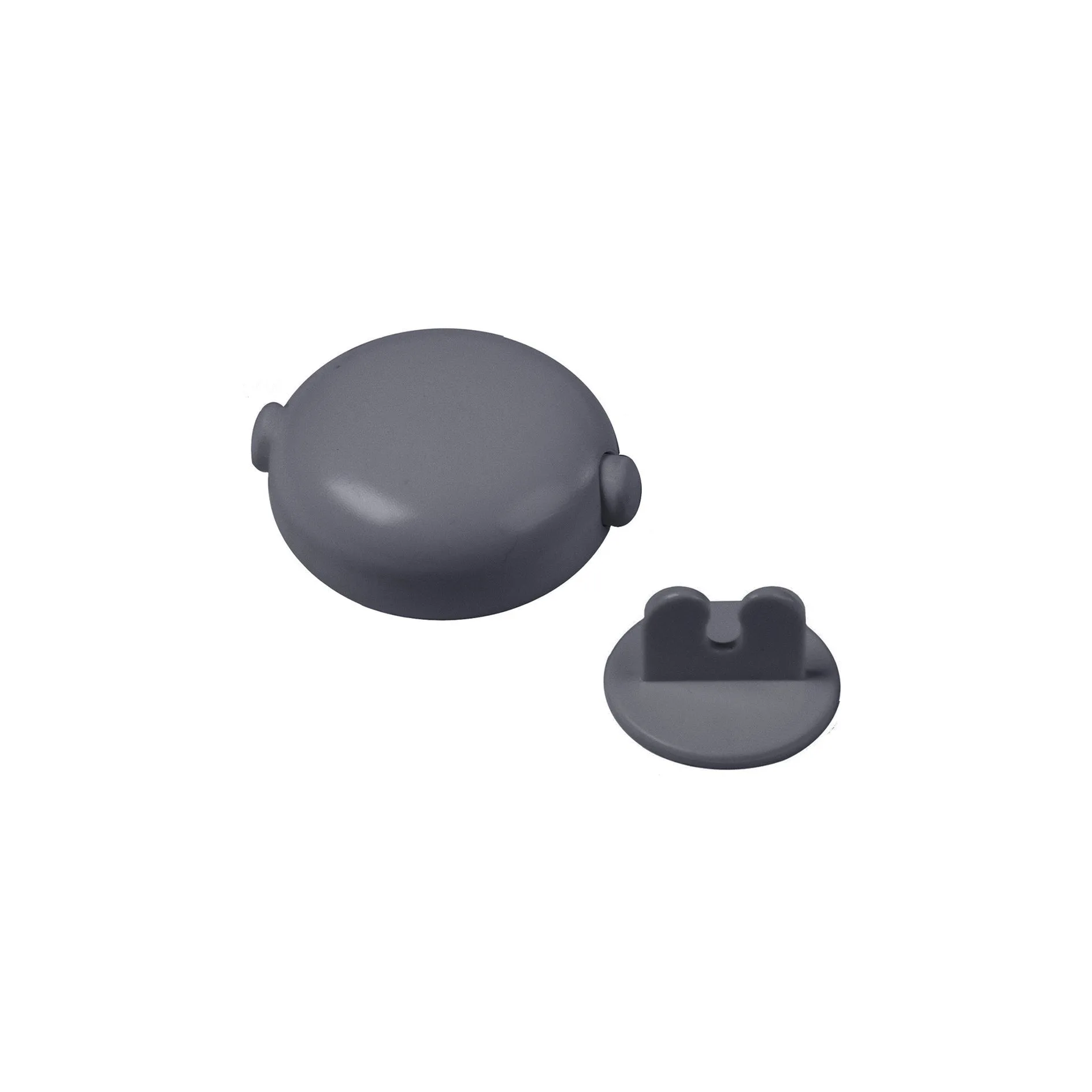
Fred Safety Double Door Block (x1) - Dark Grey