Quick Answer
No, you do not need a duvet cover over a quilt. A quilt is a finished top layer, so it already has its own decorative face and binding. Add a duvet cover only when you want to protect a duvet insert, change the look without buying new bedding, or add warmth in cold months. If your quilt is the star of the bed, skip the cover and let it show.
What a Duvet Cover Is Actually For
A duvet cover is a removable fabric shell that goes around a duvet insert. Its job is to protect the insert from skin oils, sweat, and dust, and to let you change the bed's color or pattern without replacing the insert itself. A quilt is different: it is a complete, stitched layer with its own top, filling, and backing. Because a quilt is already finished, it does not need a cover to look intentional or to function. That is the core of the quilt vs duvet cover question.
When a Duvet Cover Over a Quilt Makes Sense
There are three practical cases. First, you are using a duvet insert as your main warmth layer and want to protect it, so the cover stays on the insert, not on the quilt. Second, you want a quick style change and your quilt is a neutral base, so a patterned or colored duvet cover becomes the visible layer. Third, you are layering for winter and want the duvet cover plus a quilt on top for extra loft. In each case, the duvet cover wraps the insert, and the quilt remains a separate top layer.
When to Skip the Duvet Cover
Skip it when your quilt is the design focal point. Quilts often have quilting lines, bound edges, or a print that a duvet cover would hide. Skip it also when you sleep warm, because a duvet cover plus insert plus quilt can trap more heat than you need. And skip it if you dislike making the bed with multiple loose layers: a single quilt is faster to smooth and fold.
How to Use a Quilt on a Bed With a Duvet Cover
Start with the fitted sheet. Put the duvet cover on the insert and lay it across the bed as your main cover. Fold the top edge of the duvet cover back about a third of the way down. Then place the quilt over the lower two-thirds of the bed, so the duvet cover shows at the top and the quilt shows at the foot. This gives you a clear top-to-bottom gradient and makes both layers visible. If the quilt is smaller than the bed, center it and let the duvet cover fill the sides.
Fit and Size Checks Before You Layer
Measure your mattress first. A quilt that is too small will look like a throw rather than a bed cover, and a duvet cover that is too large will pool on the floor. For a queen bed, a quilt around 90 by 90 inches usually covers the top and hangs partway down the sides; a full or twin quilt will sit higher. If you use a duvet cover with a quilt insert, match the cover size to the insert size, not to the quilt. A quilt insert is simply a duvet insert used under a quilt, and it should be the same dimensions as the cover. When a size is not listed, treat that as a fit risk and check the product page before buying.
Quick Answers to Common Layering Questions
Can I put a duvet cover over a quilt?
You can, but it usually hides the quilt's quilting and binding. The more common approach is to put the duvet cover on the insert and place the quilt on top as a separate layer. Cover the insert, not the quilt, if you want both to show.
Is a quilt the same as a duvet cover?
No. A quilt is a finished, stitched blanket with its own filling. A duvet cover is a removable shell that needs an insert inside it. One is a complete layer; the other is a cover for a separate insert. If it has its own filling and stitching, it is a quilt, not a cover.
What is a duvet cover with quilt insert?
It means a duvet cover paired with a lightweight insert, used as a quilt-like top layer. The cover goes over the insert, and the insert provides the loft. This is a common way to get a quilt look with a washable cover. Match the cover size to the insert size for a smooth fit.
How do I use a quilt on a bed with a duvet?
Use the duvet cover and insert as your main cover, fold the top edge back, and lay the quilt across the lower half or foot of the bed. This keeps the duvet cover visible at the top and the quilt visible at the bottom. Fold, then layer, so both textures show.
Do I need a duvet cover if I have a quilt?
Only if you also use a duvet insert and want to protect it or change the look. If your quilt is your main cover and you sleep warm, you can skip the duvet cover entirely. No insert, no cover needed.
Products That Work in This Setup
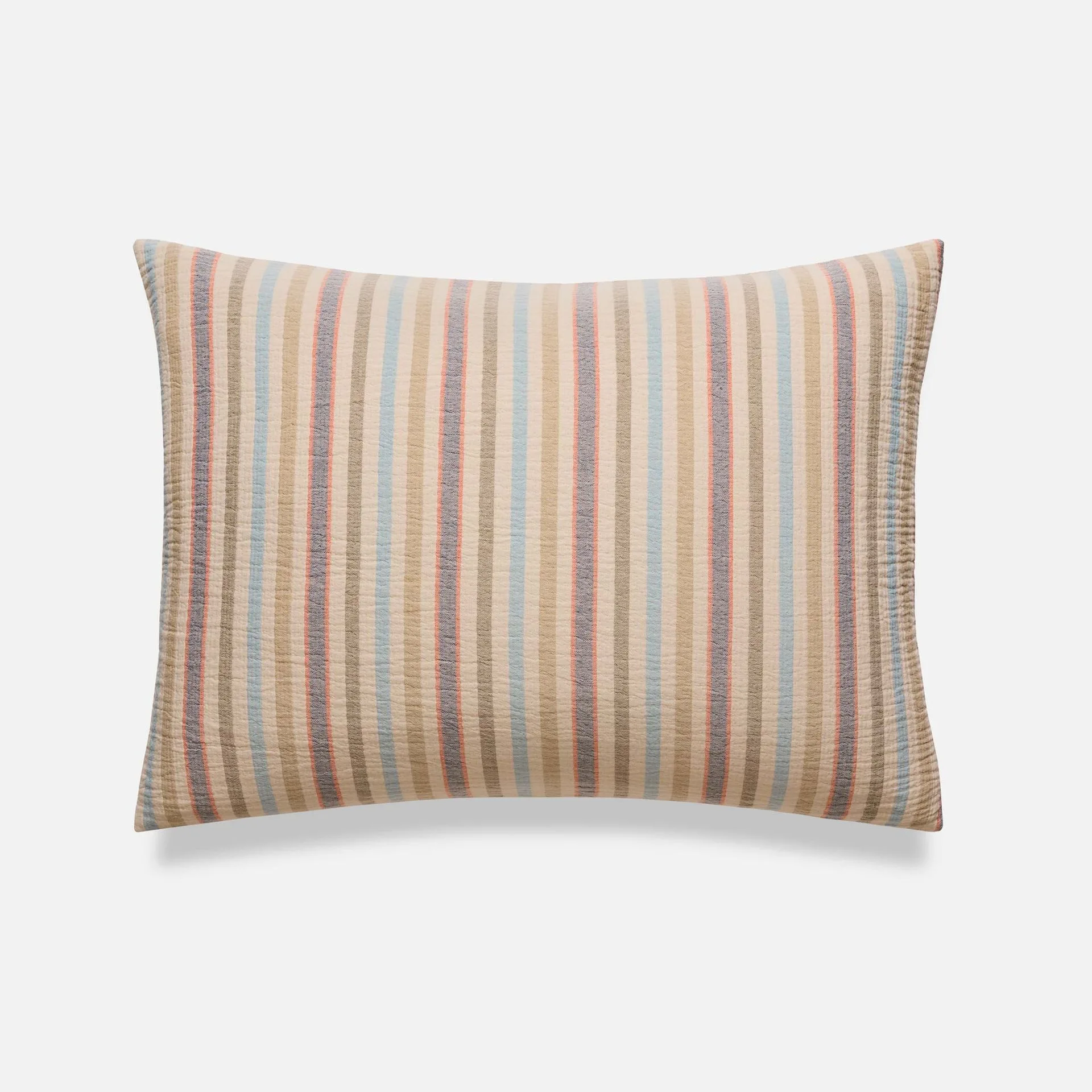
- Weekend Wash Sham Set: Weekend Wash Sham Set is ultra-soft, lightweight, and garment-dyed, with a casual quilted look. These shams match a relaxed quilt layer and let you skip a heavy duvet cover when you want a lighter bed.
- Colorfield Lambswool Throw Blanket: Colorfield Lambswool Throw Blanket is 100% lambswool, made in Germany, and doublefaced with a bright checkerboard pattern. A doublefaced throw adds warmth and color at the foot of the bed without covering your quilt, so both layers stay visible.
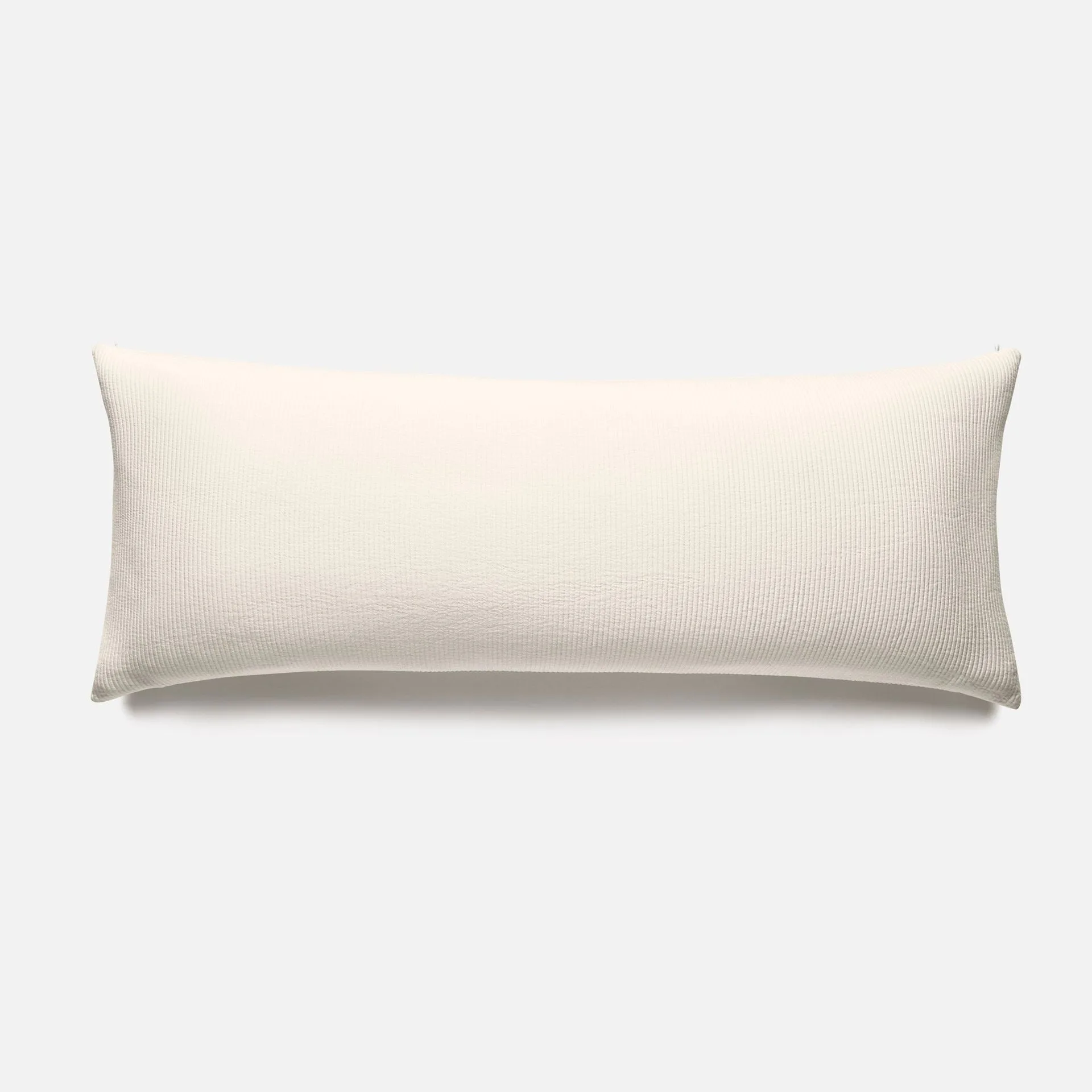
- Ribbed Matelasse Lumbar Pillow Cover: https://brooklinenstore.com/products/ribbed-matelasse-lumbar-pillow-cover-47602Ribbed Matelasse Lumbar Pillow Cover is 100% cotton, garment-dyed, and has an invisible zipper closure; feather insert is sold separately. A lumbar accent finishes the layered look and ties the quilt and duvet cover together without adding another full bedding layer.