Quick answer
For a one- or two-color project, you do not need a fiber organizer; a labeled bag or the project baggy that comes with many canvases is enough. Once you stitch with five or more colors, a fiber organizer or thread box saves time, reduces tangles, and protects fibers from dust and light. Start simple, then add an organizer when your thread collection outgrows a single bag.
Thread storage is one of those needlepoint topics that gets more complicated the longer you stitch. A beginner with a single canvas and three skeins does not need a system. A stitcher juggling three works in progress, a thread ring, and a growing pile of Vineyard Merino skeins does. The questions below cover the practical decisions: when to organize, what to organize into, and how to avoid the mistakes that make organizers feel like extra work.
Vineyard Merino
Answers are based on how needlepoint supplies actually behave: wool and silk fibers tangle, fade, and pick up dust, and canvases come in different mesh counts that change how much thread a project consumes. Where a product detail matters, it is drawn from the Wheelhaus Needlepoint catalog.
When does a fiber organizer actually become necessary?
The tipping point is usually the number of active colors, not the total number of skeins you own. With one to four colors, a small bag with labeled slots keeps everything findable. At five or more colors, loose skeins start to twist together, and you spend more time separating threads than stitching.
A second trigger is working on multiple projects at once. If you rotate between a travel piece and a larger canvas at home, duplicate storage prevents you from packing the wrong fibers. A third trigger is fiber type: silk and wool benefit from being kept flat and dust-free, while cotton and acrylic are more forgiving.
- Count active colors, not total stash, when deciding whether to organize.
- If you rotate projects, keep a separate organizer or bag per project.
- Store fibers away from direct sun; light fades dyed wool over time.
Acrylic fiber organizer vs thread box: which should you choose?
An acrylic fiber organizer is a clear, compartmentalized case. The clear lid lets you see colors without opening it, and rigid compartments keep skeins from crushing each other. It suits stitchers who want a single home for their working palette and who value visibility over portability.
A thread box is usually a lidded container with removable dividers or a card system. It holds more volume, costs less per skein stored, and is easy to stack. The tradeoff is that you often have to open it and dig, and flimsier dividers can let threads migrate between sections.
Choose acrylic if you want to see and grab colors fast. Choose a thread box if you are storing a large stash and do not need to view it constantly.
- Acrylic: best for a working palette of 10-30 active colors.
- Thread box: best for bulk storage and long-term stash.
- Many stitchers use both: acrylic for the current project, a box for the rest.
Can you organize threads without buying a dedicated organizer?
Yes. Resealable bags, carded threads, and labeled project bags handle most small-project needs. Carding threads onto numbered cards keeps them untangled and lets you write the color number directly on the card, which is useful when a dye lot matters.
The catch is durability and visibility. Bags wear out, cards can bend, and neither protects fibers from dust the way a closed case does. If you stitch occasionally, bags and cards are a reasonable permanent solution. If you stitch weekly, the replacement cost of bags starts to approach the cost of a simple organizer.
- Write the color number and dye lot on every card or bag.
- Keep one bag per project so fibers do not migrate.
- Replace bags when seams split; loose threads escape easily.
How do you organize threads for a canvas that comes with a project baggy?
Several Wheelhaus Needlepoint canvases ship with a reusable PVC protective project baggy, including the Sailor's Rope Wristlet Key Fob and the Euro Summer Mini - Caviar. That baggy is a starting point, not a full storage system. It protects the canvas and its threads during a single project, but it does not separate colors.
Euro Summer Mini - Caviar
A practical routine is to keep the canvas and its thread ring in the baggy, then move the working fibers into a small organizer or card them separately. When the project pauses, everything returns to the baggy so nothing is lost between sessions.
- Use the supplied baggy for the canvas and tools, not for loose fibers.
- Card or compartmentalize the fibers you are actively stitching with.
- Label the baggy with the project name if you rotate between canvases.
What are the real benefits of organizing needlepoint thread?
The obvious benefit is speed: you find the right color without unrolling five skeins. The less obvious benefits are fiber health and project accuracy. Dust and sunlight degrade dyed wool, and tangled threads develop weak spots that snap mid-stitch.
Organization also helps you buy accurately. When colors are separated and labeled, you can see what you already own before ordering more. That matters with retail-only sale threads, where a specific lot may not be restocked in the same dye lot.
- Fewer tangles means less thread waste per project.
- Labeled storage prevents buying duplicates of colors you already own.
- Note dye lots; the same color number can vary between lots.
Does mesh count change how you should store thread?
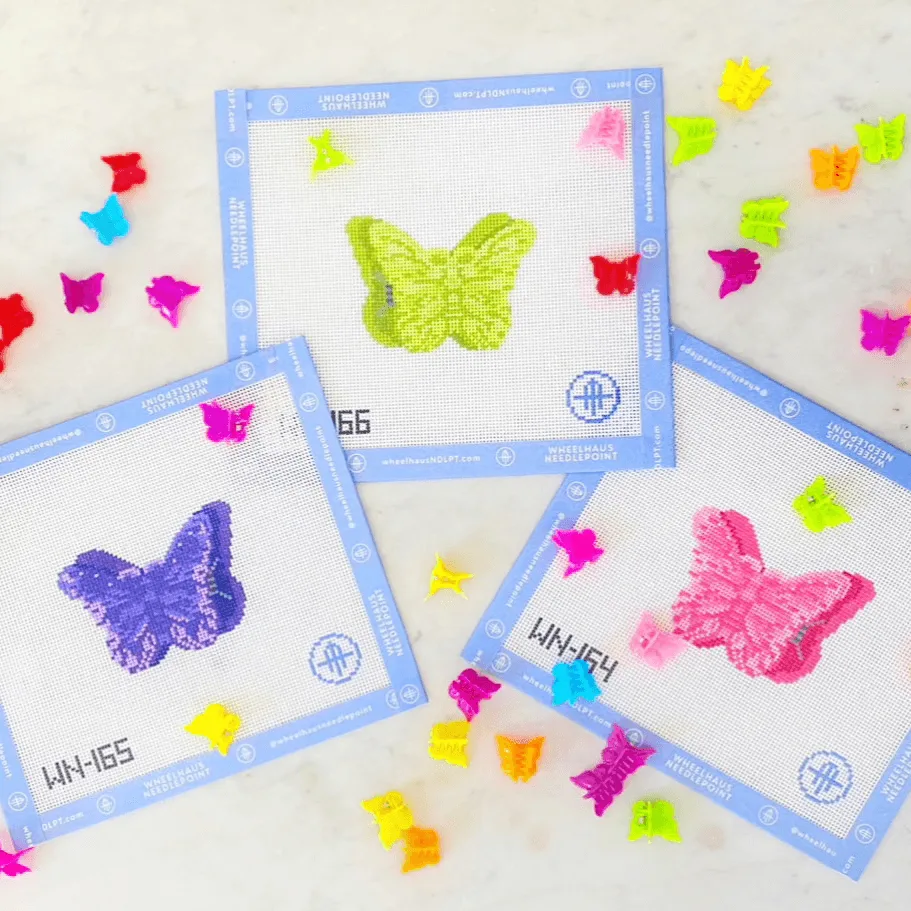
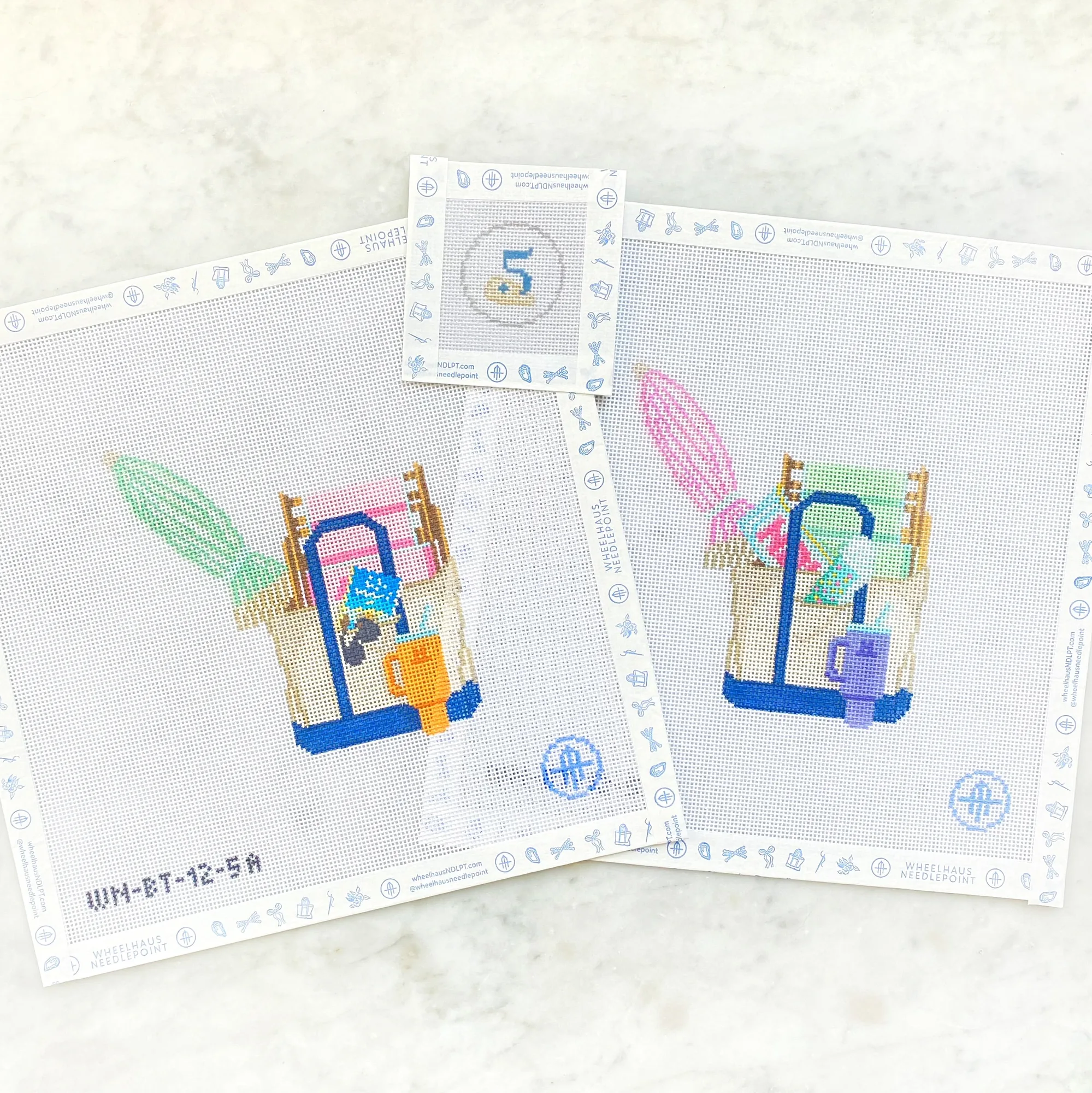
Mesh count affects how much thread a project consumes, which in turn affects how much you need to store per project. An 18 mesh canvas like the Preorder - My Era Butterfly Clips or https://wheelhausndlpts.com/products/5-sunny-hours-on-the-beach-boat-tote-day-five-b12b4be21aa9aaa31908b2fa-1389350Sunny Days on the Beach Tote - Day 5 uses finer threads and more stitches per inch, so a single project can involve several colors in small quantities.
A 13 mesh canvas like the Sailor's Rope Wristlet Key Fob covers ground faster and typically uses fewer, thicker threads. For 13 mesh, a simple labeled bag often suffices. For 18 mesh with many color changes, compartment storage earns its keep because small quantities of many colors are the hardest thing to keep untangled.
- 18 mesh: expect more colors and finer threads; compartment storage helps.
- 13 mesh: fewer, thicker threads; simple labeled storage is usually enough.
- Match storage size to the thread volume, not the canvas size.
Thread storage FAQ at a glance
Do I need a fiber organizer?
Only when you stitch with five or more active colors or rotate between projects. Start with a labeled bag; upgrade when tangles cost you stitching time.
Acrylic organizer or thread box?
Acrylic for visibility and a working palette; a thread box for bulk stash storage. Many stitchers use both for different jobs.
Can I skip buying anything?
Yes, if you card threads and use labeled bags, though they wear out faster. Write color numbers and dye lots on every card.
Does mesh count matter?
18 mesh projects involve more colors in small amounts; 13 mesh uses fewer, thicker threads. Match storage to thread volume, not canvas size.
How do I store wool threads?
Keep them flat, dust-free, and out of direct sunlight to protect dyed fibers. Label dye lots so you can reorder accurately.
Catalog details that affect thread storage
- Our Story Print Clear Needlepoint Project Bags: Available in four sizes: Small 9x4, Medium 11x5x5, Large 11x8.5, and Extra Large 16x11, with the larger sizes suited to skeins and travel. A clear project bag is the simplest first storage step; the size you pick determines whether it holds a few carded threads or a full project with skeins.
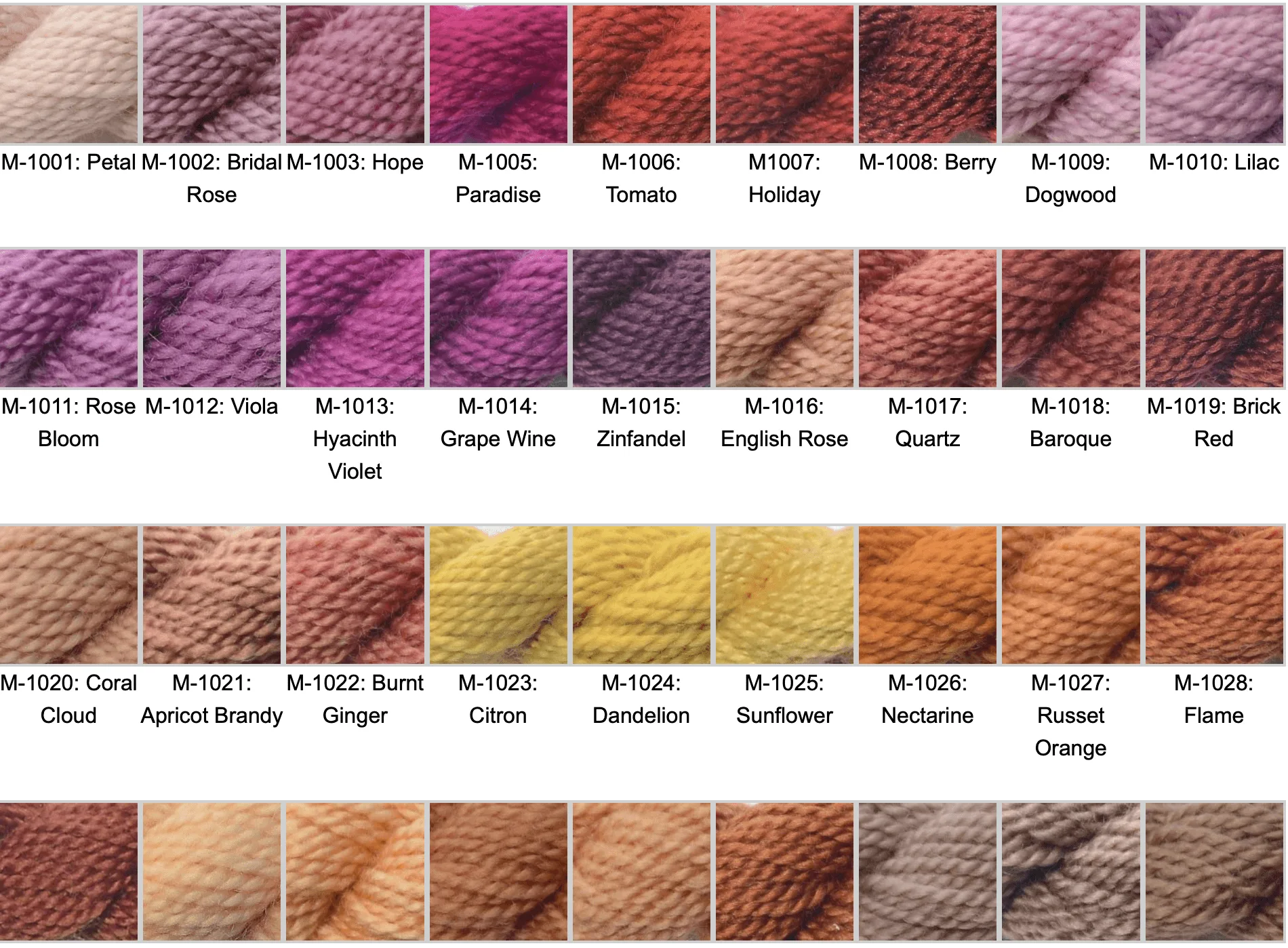
- Vineyard Merino: 100% wool thread, 30 yards per skein, with color options including M-1121 Blazing Sun, Lot 848 and M-1066 Nile, Lot 1034, sold as retail-only sale threads. Wool benefits from dust-free, out-of-sunlight storage, and lot-specific sale colors are worth labeling so you can reorder the same dye lot if it is still available.
- Sailor's Rope Wristlet Key Fob: 13 mesh canvas, design 7 x 1.5 inches, with a canvas-only option and a thread kit option that includes a thread ring, tapestry needle, and stitch brochure. The included thread ring keeps active fibers together, but a 13 mesh piece with a small palette usually does not need a full organizer.
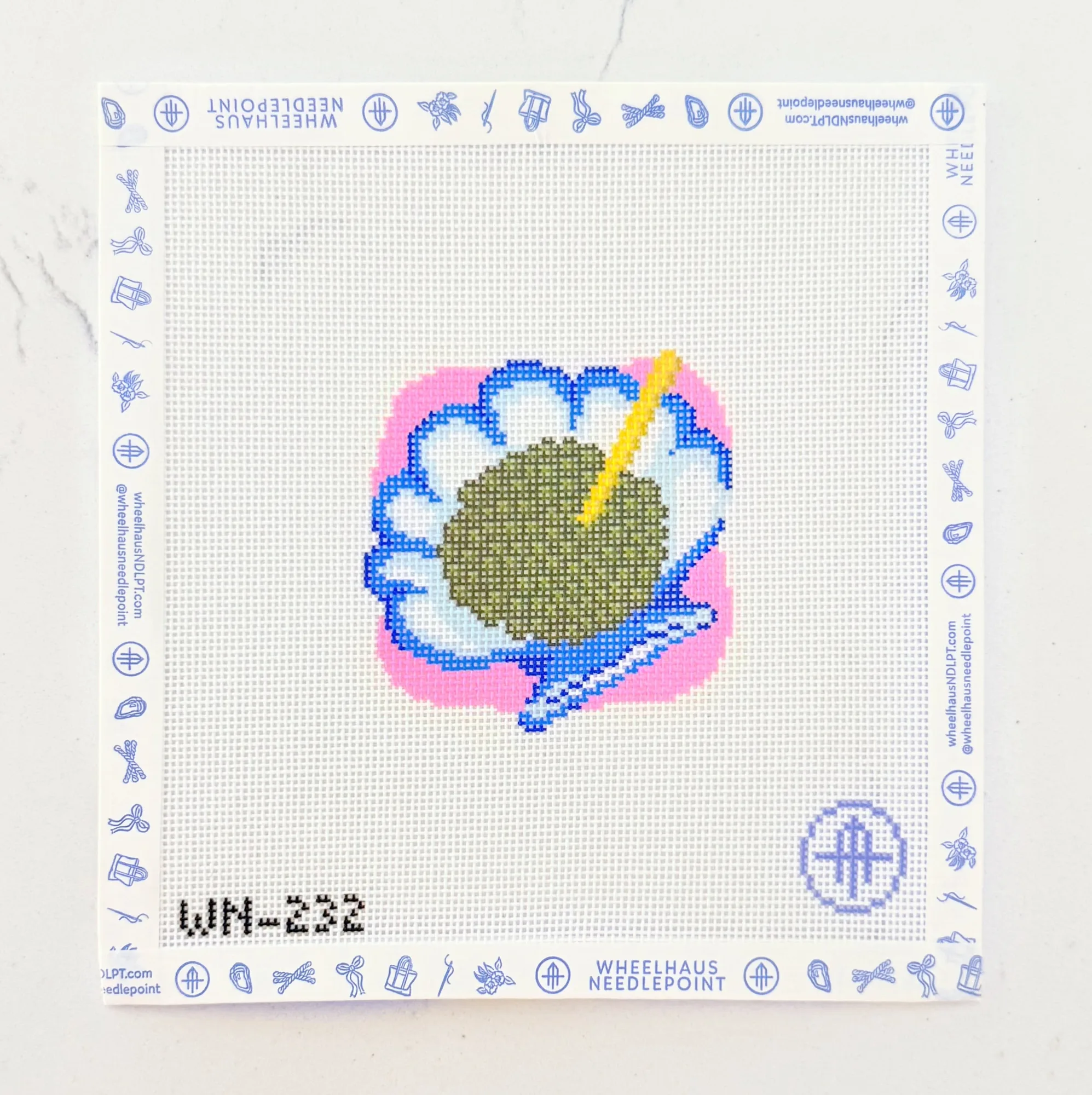
- Euro Summer Mini - Caviar: 18 mesh, design 3x3, StitchPerfect painted, and comes with a reusable PVC protective project baggy. The supplied baggy protects the canvas between sessions, but you still need a way to separate the fibers you are actively stitching with.
You do not need a fiber organizer to enjoy needlepoint, but you will want one once your thread collection outgrows a single bag. Start with a clear project bag and carded threads, then add an acrylic organizer or thread box when tangles start costing you stitching time. The goal is simple: keep fibers findable, protected, and labeled so you spend your time stitching, not sorting.