Quick answer
You don't need a filter for every shot, but a UV or haze filter is the easiest way to protect your front element while cutting atmospheric haze, and a polarizer or ND filter solves specific problems like glare and overexposure. Start with one filter that matches your most common frustration, not a full kit.
What does a UV or haze filter actually do for everyday photos?
A UV filter absorbs ultraviolet light, which film is sensitive to but digital sensors mostly ignore. On digital cameras, the visible benefit is reducing haze in scenes with lots of air between you and the subject, like mountains or the ocean. The bigger everyday win is protection: the filter takes the dust, fingerprints, and scratches that would otherwise hit your lens. You can leave it on all the time, and cleaning a filter is cheaper than repairing a front element.
When should I use an ND filter instead of a polarizer?
Use an ND filter when the scene is simply too bright for the shutter speed or aperture you want. It cuts light evenly without changing color, so you can blur motion with a slower shutter or open up for shallow depth of field in bright sun. A polarizer is for controlling reflections and glare, not for cutting overall exposure. If your problem is washed-out images at noon, ND is the tool. If your problem is glare on water or glass, reach for the polarizer.
Can a polarizer help indoors or in low light?
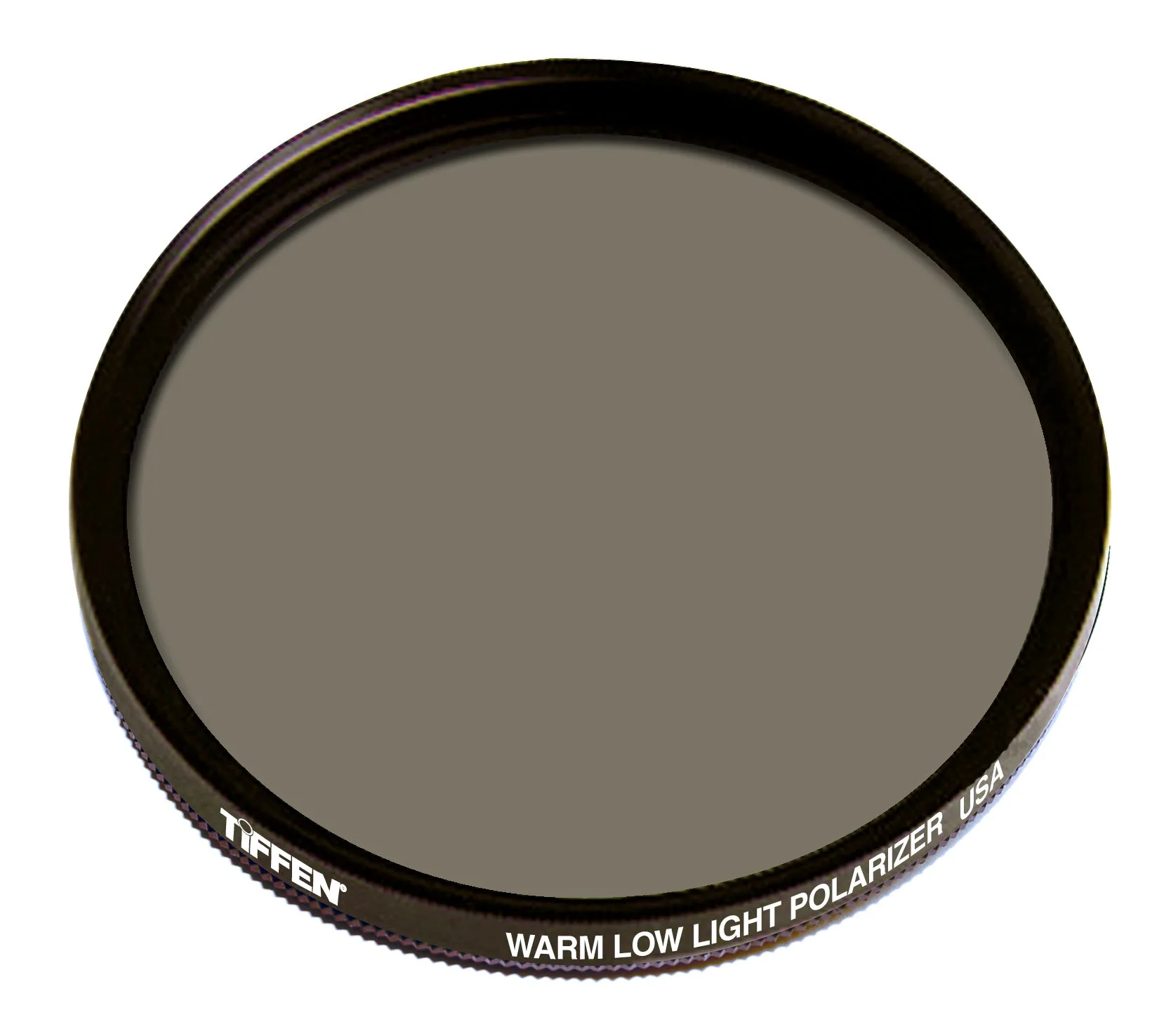
A standard polarizer costs you light and can make indoor shooting harder. A low light polarizer, like the Tiffen 46mm Warm Low Light Polarizer, combines a one-stop polarizer with a warming filter and has less polarizing effect than a standard version, so it stays usable in darker settings. It still rotates to control the effect, but it won't kill your exposure the way a standard polarizer might.
How do I pick the right filter size for my lens?
Look at the front of your lens for a number next to the diameter symbol, usually printed near the rim. That's your filter thread size, like 72mm. Buy that exact size; step-up rings can adapt a larger filter to a smaller lens, but they add bulk and can block a lens hood. If you own several lenses, buy for the largest thread and use step-up rings on the rest.
Lens filter FAQ
Do I need a UV filter for digital?
For image quality, the effect is subtle on most digital sensors. For protection, it's the cheapest insurance you can buy for your front element. Buy one if you shoot in dusty, sandy, or crowded environments.
Can I stack an ND and a polarizer?
Yes, but stacking thick filters can cause vignetting on wide-angle lenses and makes lens hoods harder to use. Rotate the polarizer first, then add ND if needed. Stack only when you can't solve the problem with one filter.
Will a cheap filter hurt my image?
Low-quality glass and coatings can reduce contrast and add flare. A well-coated filter from a known brand is usually worth the difference. Spend a little more on coatings if you shoot toward the sun.
Three filters and what they solve
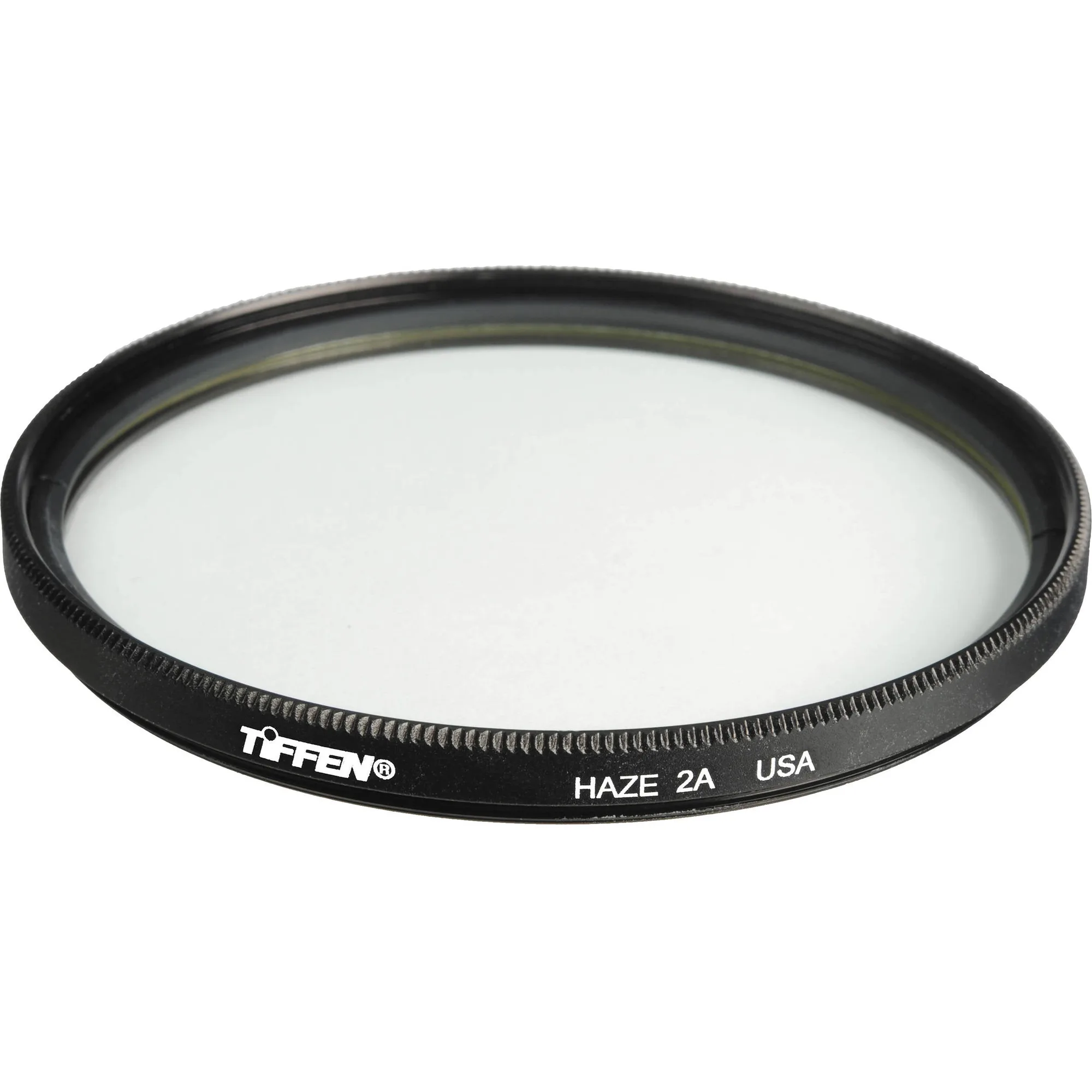
- Tiffen 72mm Haze 2A Lens Filter: Absorbs virtually all UV light and reduces haze more than Haze-1, making it ideal for high altitudes, bodies of water, and aerial or mountain scenes. If you shoot landscapes or travel near water or mountains, this filter cuts the haze that makes distant details look flat, while protecting your lens.
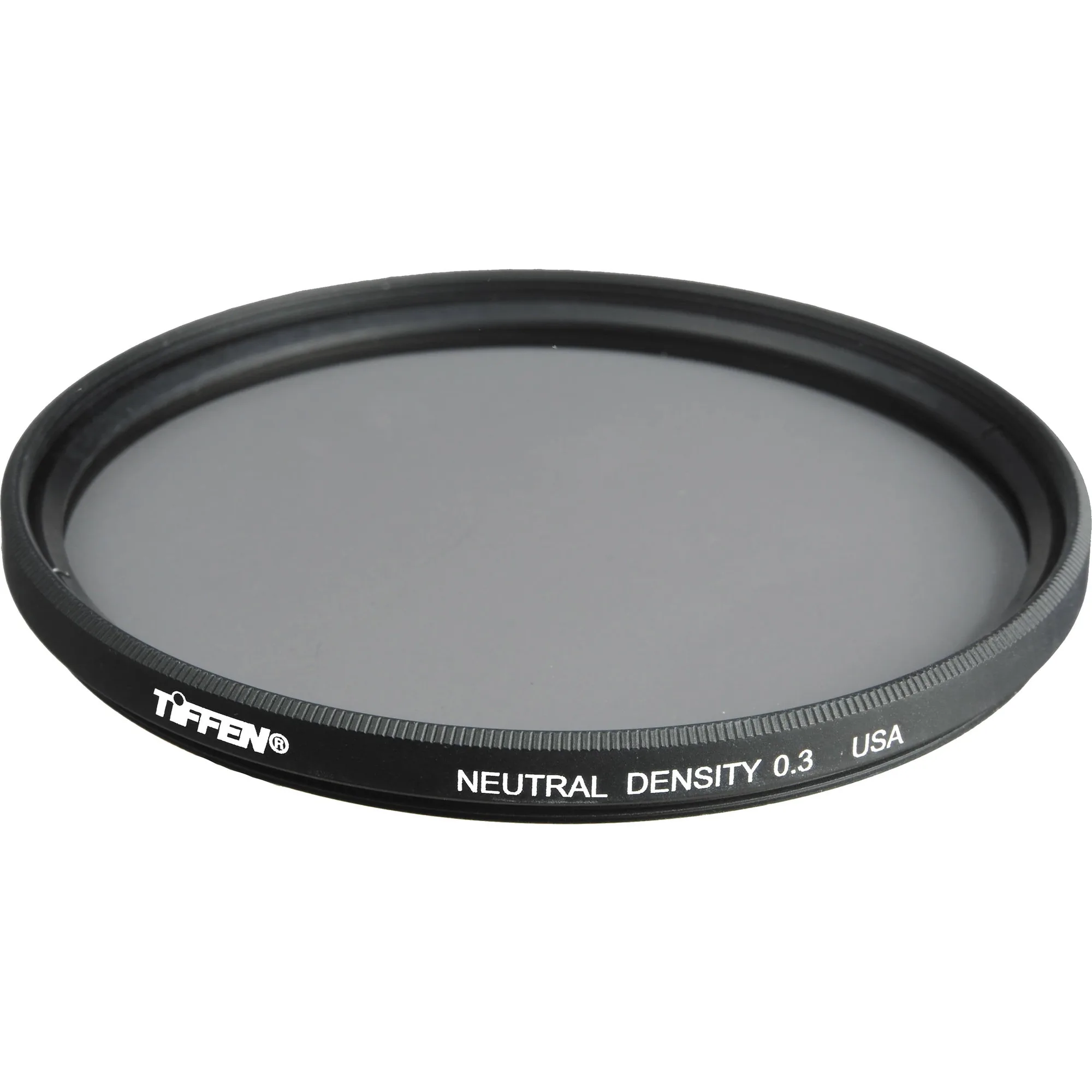
- Tiffen 72mm Neutral Density 0.3 Lens Filter: Eliminates overly bright, washed-out images by reducing the amount of light passing through the lens without changing color, and allows slower shutter speeds for blurred motion. Use it in bright daylight when you want a slower shutter for motion blur or a wider aperture for shallow depth of field without overexposing.
- Tiffen 46mm Warm Low Light Polarizer: Combines a 1-stop polarizer with a warming filter, reduces reflections and glare, and can be rotated to achieve the desired effect. A good choice for indoor or darker scenes where a standard polarizer would cut too much light, and the warming effect helps skin tones and foliage.