Quick answer
The Fujifilm GFX100RF is worth it if you print large, crop heavily, or want medium format image quality in a body you will actually carry. It is overkill if you mainly shoot fast action, low light, or share small files online. Most photographers should stay with full frame unless they have a clear reason to step up.
What the GFX100RF actually changes
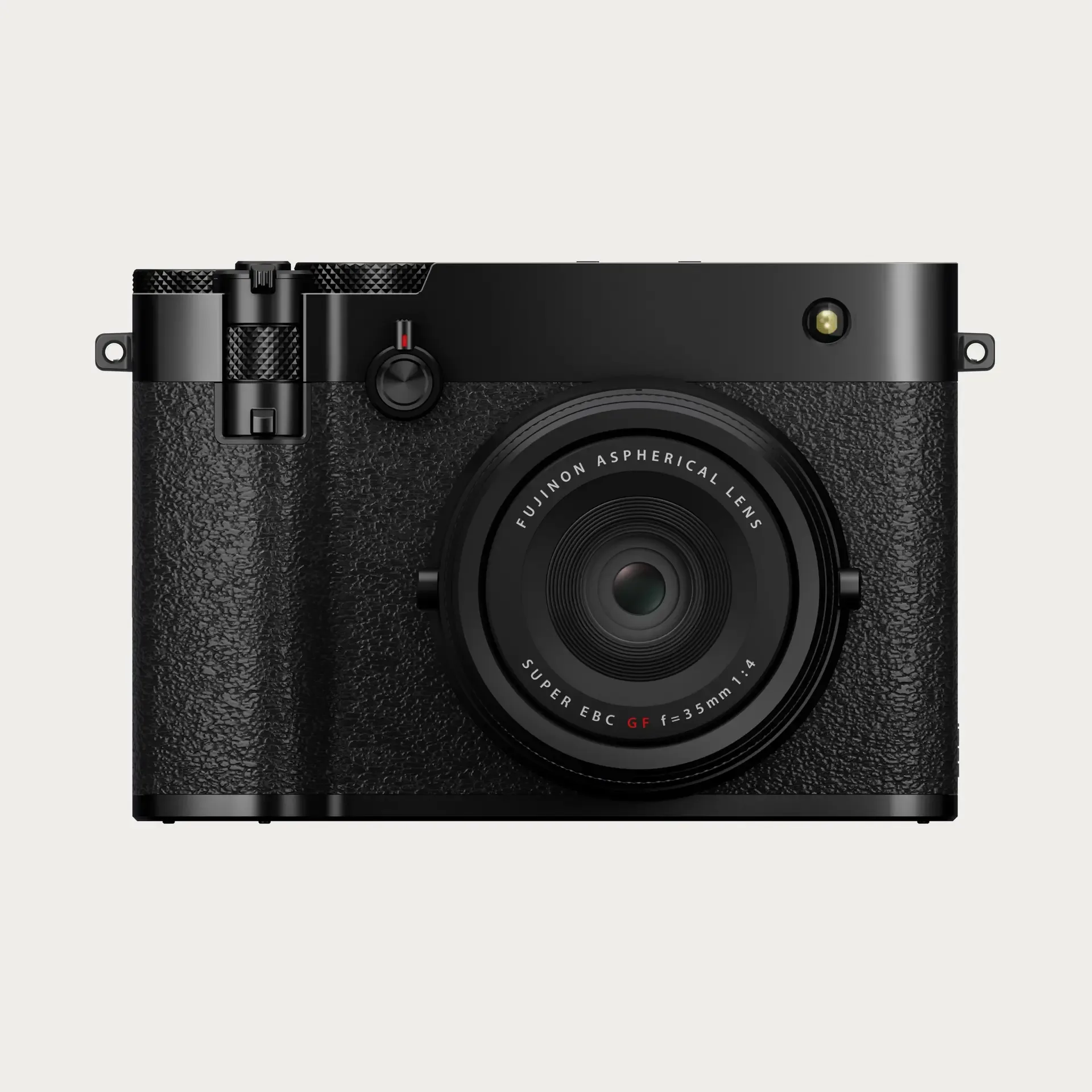
The GFX100RF pairs a 102MP medium-format sensor with a fixed 35mm lens in a compact, rangefinder-style body. That combination is unusual: you get the resolution and tonal depth of a larger sensor without a bag full of glass. For street, travel, and documentary work, the fixed lens forces a consistent point of view rather than slowing you down with choices.
The trade-off is flexibility. You cannot swap to a longer portrait lens or a wider landscape optic. If your work depends on one focal length, that is a feature. If it depends on many, it is a limitation.
Medium format vs full frame: where you see the difference
The gap shows up in three places: how much you can crop, how smoothly tones roll off in highlights, and how much detail survives a large print. If you deliver 16x20 prints or bigger, or you crop to a fraction of the frame for editorial layouts, the extra resolution is real and visible.
Where the gap narrows is speed and low light. Full-frame systems generally focus faster, shoot faster, and perform better at high ISO. A 102MP file also demands more storage, more RAM, and more patience in editing. If your workflow is already stretched, a bigger sensor will not fix it.
The beginner question: is the GFX100RF too much camera?
Beginners can absolutely use the GFX100RF, but they should be honest about why. The fixed 35mm lens and rangefinder-style body are approachable, and the files reward careful composition. The risk is buying resolution you will not use while paying for it in file size and cost.
A better first step for most new photographers is a full-frame or APS-C body with a fast prime, then upgrade once you can name exactly what your current camera is missing. If you already know you want maximum detail in a portable package, the GFX100RF is a legitimate starting point.
Decision rules: buy or skip the GFX100RF
- You print large or crop hard: If your final output is routinely 16x20 or bigger, or you crop to a small portion of the frame, the 102MP sensor gives you real headroom. Buy it. This is the clearest reason to step up.
- You shoot fast action or low light: Full-frame systems generally focus faster and handle high ISO better. The GFX100RF is not built for speed. Skip it. Stay with full frame or APS-C.
- You want one lens and one look: The fixed 35mm lens is a constraint only if you fight it. If you already shoot one focal length, it simplifies everything. Buy it. The limitation is the point.
- You are still exploring focal lengths: If you regularly switch between wide, normal, and telephoto, a fixed-lens medium format camera will frustrate you. Skip it. Choose an interchangeable-lens system first.
- You need the lowest cost per image: Medium format files are large, and the camera costs more than most full-frame bodies. Storage and editing time add up. Skip it unless resolution is your top priority.
Products that fit this decision
- Fujifilm GFX100RF Medium-Format Camera: The Fujifilm GFX100RF is a medium-format camera with a 102MP sensor and a fixed 35mm lens in a compact, rangefinder-style body. One body, one focal length, maximum detail. Ideal if you want medium format quality without carrying multiple lenses.
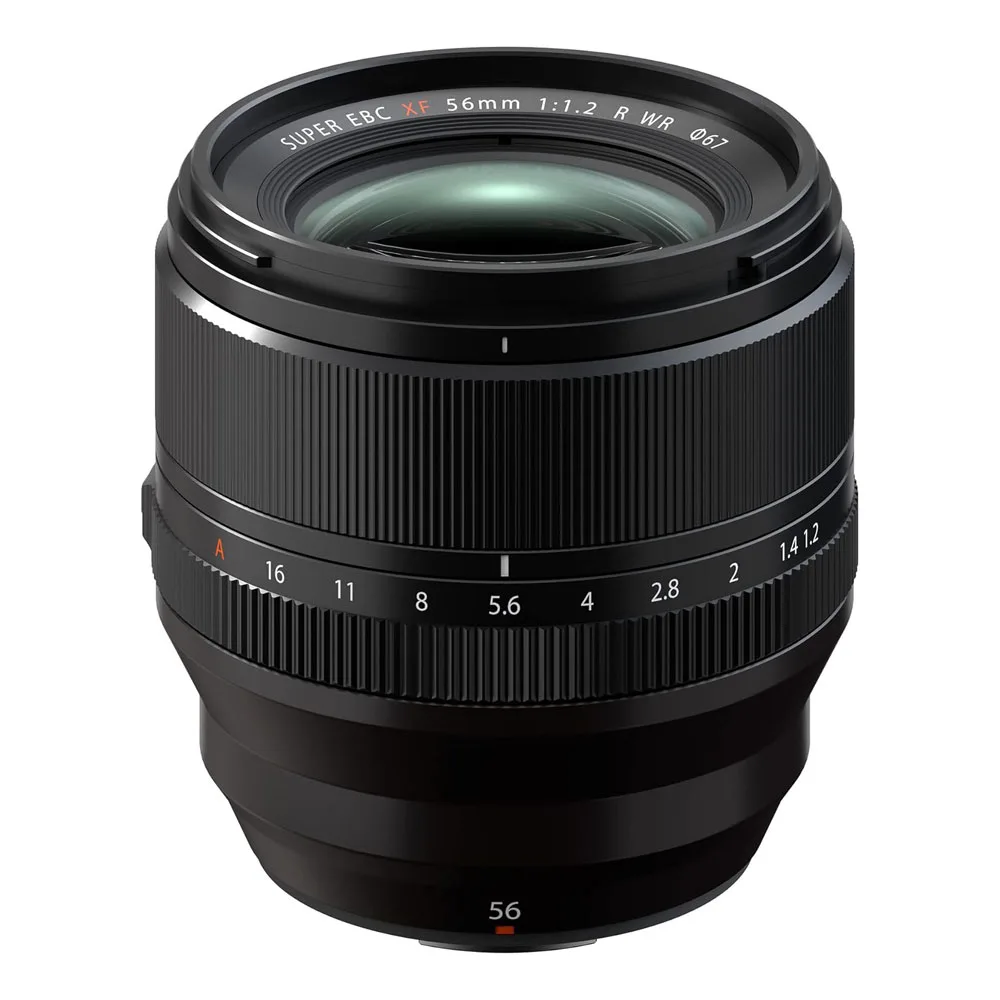
- Fujinon XF56mm F1.2 R WR Lens: The Fujinon XF56mm F1.2 R WR lens has a fast F1.2 aperture, advanced optics, and weather resistance for portraits and smooth bokeh. A strong alternative if you stay with an X-series body and want shallow depth of field and low-light performance instead of medium format resolution.
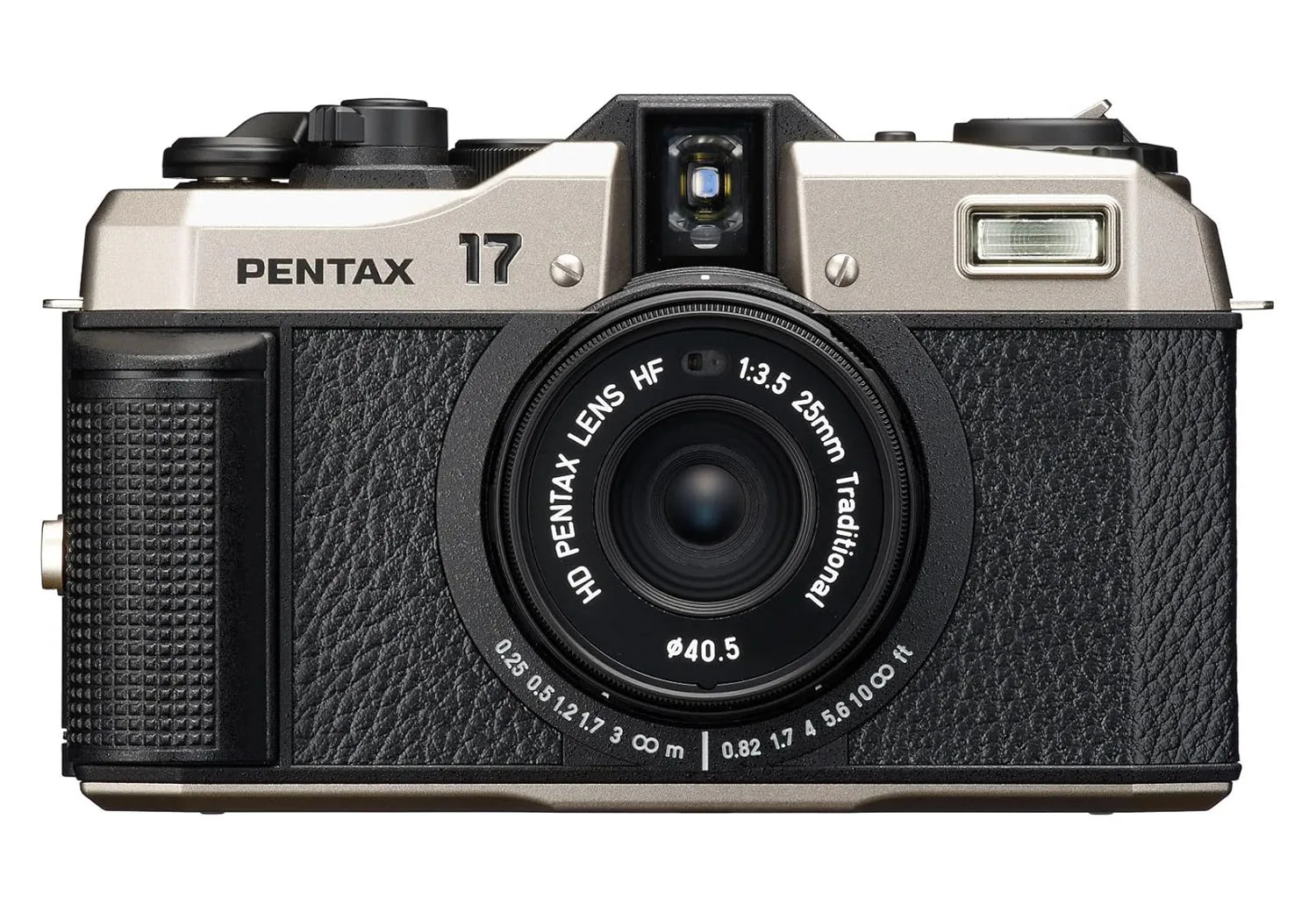
- PENTAX 17 Half-Frame 35mm Film Camera: The Pentax 17 is a half-frame 35mm film camera with manual winding, a 25mm f/3.5 fixed-focus lens, and a zone-focus system. A low-cost way to test whether a fixed-lens, deliberate shooting style suits you before committing to a medium format digital system.
Who should buy the GFX100RF?
Best for
- Landscape and architectural photographers who print large
- Street and travel shooters who want maximum detail in a portable body
- Photographers who prefer one focal length and deliberate composition
Not for
- Sports, wildlife, or fast-action shooters who need quick autofocus and high frame rates
- Beginners who are still learning which focal lengths they prefer
- Anyone who mainly shares small files online and does not crop