Quick answer
A painting handle like Figure Stix 600G is worth it if you paint regularly, want less hand fatigue, or need to reach a model's base edges without smudging wet paint. Holding the base by hand still works for quick touch-ups, tiny 35mm figures, or when you want maximum tactile feedback. The trade-off is control and comfort versus simplicity and zero setup.
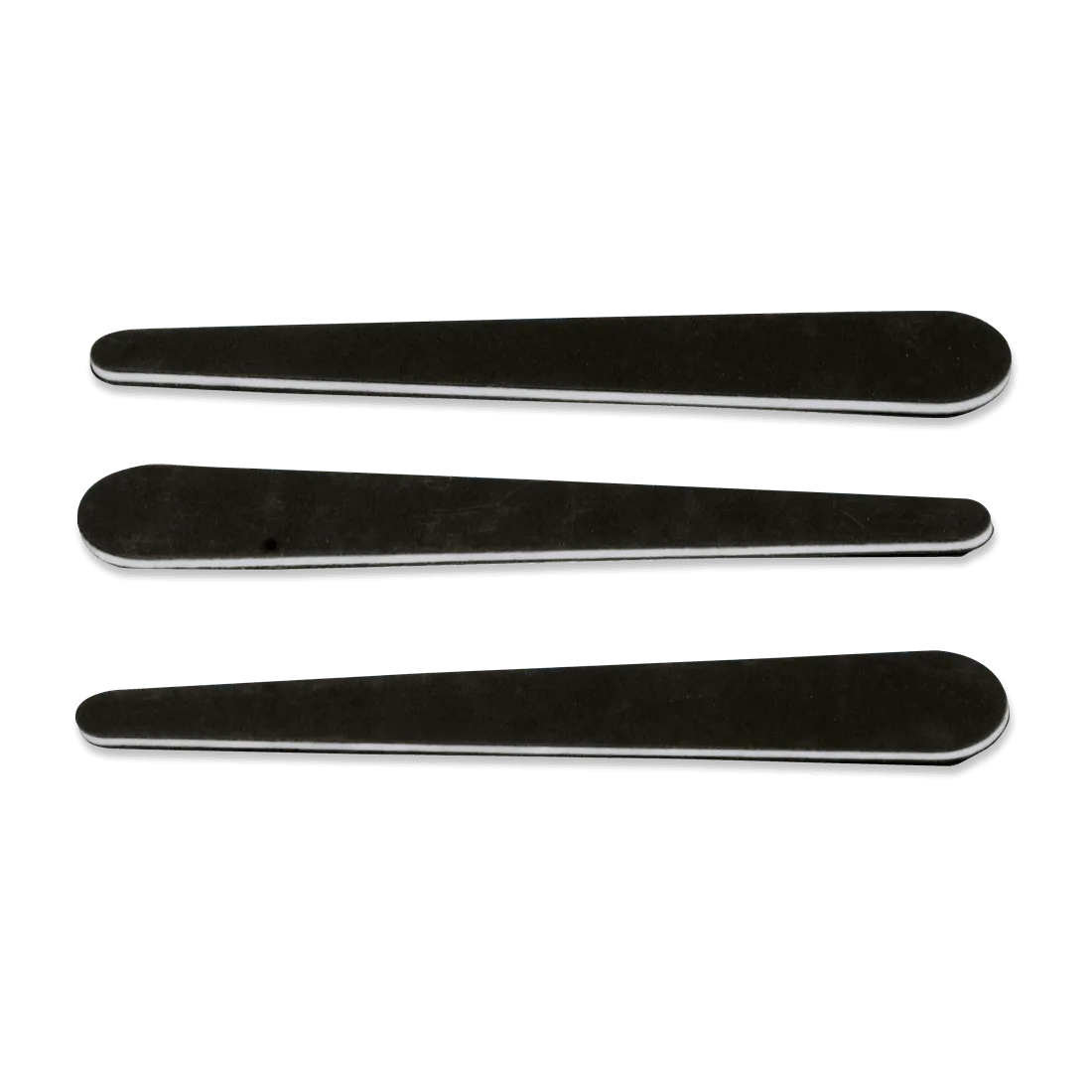
Figure Stix 600G
If you have ever glued a 35mm figure to a base and then spent the next hour trying not to touch the wet paint, you have already felt the problem this comparison addresses. Figure Stix 600G and holding the base by hand are the two most common ways miniature painters grip a model while working. Each has real strengths, and neither is automatically better for every project.
This comparison focuses on the supplied facts for Figure Stix 600G and related SCALE75 products, plus the practical realities of base-holding. You will see where the handle wins, where your fingers win, and how to decide based on the miniatures you actually paint.
What Figure Stix 600G gives you that fingers do not
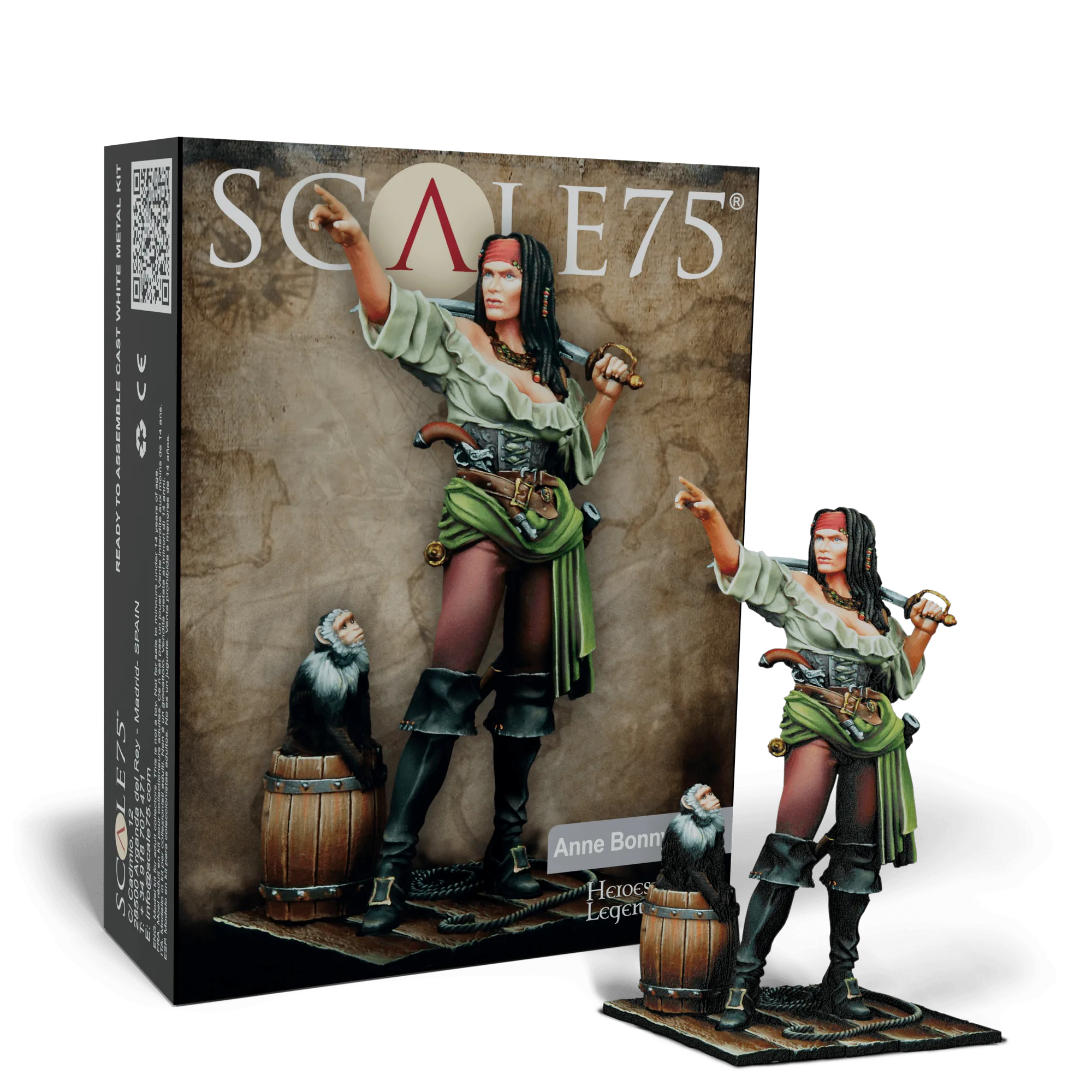
Figure Stix 600G is designed as a dedicated painting grip, so its main advantage is keeping your hand away from the miniature while you work. That matters most when you are painting a 35mm resin figure like https://scale75sx.com/products/anne-bonny-1-78e856f1675129553b22d467-1815841ANNE BONNY, where the model is small, detailed, and easy to smudge. With a handle, you rotate the figure without gripping the base edges, which reduces the chance of rubbing off fresh paint.
The second benefit is comfort over long sessions. Holding a small base between thumb and forefinger for an hour can cramp your hand, especially if you paint fine details. A handle spreads the grip across your palm, so you can keep going without constantly readjusting. That said, a handle adds a step: you need to mount the figure, and for some basing styles that mounting is not straightforward.
- Use a handle when you plan to paint for more than 30 minutes in one sitting.
- If you paint mostly 35mm figures like ANNE BONNY, test whether the handle's mount fits your base before committing.
Where holding the base by hand still makes sense
Holding the base by hand is immediate. There is no mounting, no clamp, and no adapter to find. For quick touch-ups, a single highlight, or a fast wash on a small figure, reaching for a handle can feel like more setup than the task deserves. You also get direct tactile feedback: you can feel how much pressure you are applying, which some painters find helpful for edge highlights.
The trade-off is access and fatigue. Your fingers cover part of the base, so painting the rim or the ground texture means shifting your grip, and each shift risks touching wet paint. On a long session, that grip becomes uncomfortable. If you paint in short bursts or work on models where the base is the last thing you paint, hand-holding is a perfectly reasonable choice.
- Keep a spare base or cork for quick hand-held touch-ups so you are not gripping the finished base directly.
- If your fingers cramp after 20 minutes, that is a signal to try a handle.
Setup, mounting, and base access compared
A handle requires a mounting decision. Figure Stix 600G is a grip system, and how you attach your figure depends on your base and your workflow. If you already pin your figures or use temporary bases, the transition is easy. If you glue finished bases early, you may need to rethink your assembly order. That is a real cost in time and planning, and it is the main reason some painters skip handles entirely.
Holding the base by hand has no setup cost, but it limits base access. You cannot easily paint the underside or rim while gripping the base, and you may need to wait for paint to dry before repositioning. A handle solves that by letting you rotate the model freely. The trade-off is that you must solve mounting first, and not every base style is equally convenient to mount.
- Plan your assembly order: mount the figure before you attach it to a finished base if you want full base access.
- If you use decorative bases, check whether your handle can grip them without scratching the rim.
Comfort and fatigue over a full painting session
Comfort is where a painting handle usually wins. Figure Stix 600G gives you a larger surface to hold, so your fingers are not pinched around a small base. That reduces strain during long sessions and makes it easier to maintain a steady hand for fine detail. For painters who work on multiple figures in one sitting, the cumulative benefit is noticeable.
Hand-holding is not automatically uncomfortable, especially for small 35mm figures. But as figure scale grows or your session lengthens, the grip becomes less stable. The honest trade-off is that a handle adds bulk and a mounting step, while hand-holding keeps things simple but asks more of your fingers. Neither is wrong; they suit different session lengths and figure sizes.
- If you paint for hours, a handle is usually the more comfortable option.
- If you paint in 15-minute bursts, hand-holding may be all you need.
How paints and base materials affect the choice
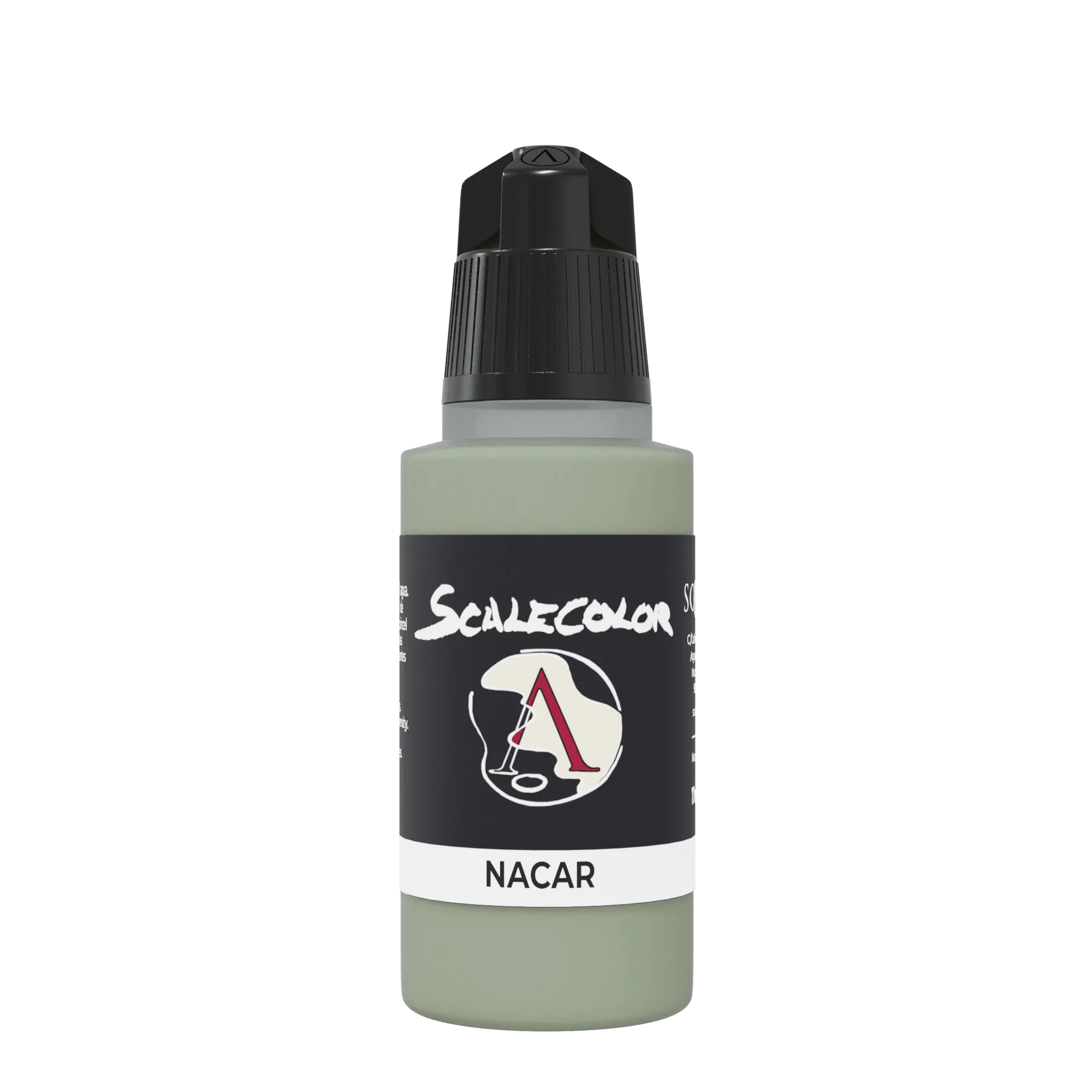
The paint you use can influence how much you value a handle. A super matte acrylic like NACRE is designed for glazes and opaque layers, and it can stay workable long enough that you risk smudging if you keep touching the model. A handle keeps your fingers off the surface, which helps preserve those thin glaze layers. The same logic applies to any slow-drying or highly pigmented paint.
Base materials matter too. A Jatoba wood base for miniatures, such as JATOBA BROWN VARNISH 50 X 50 X 50 or JATOBA BROWN VARNISH 40 X 40 X 50, gives you a solid, attractive foundation. But if you are hand-holding, you are gripping that finished wood, and you may leave skin oils or wear on the varnish over time. A handle lets you keep the base clean until the final assembly. The trade-off is that you need a mounting method that does not damage the wood.
- If you use thin glazes, a handle reduces the chance of fingerprint smudges.
- If you use finished wooden bases, consider mounting the figure separately and attaching the base last.
Trade-offs at a glance
- Stability and paint protection: Figure Stix 600G keeps your hand away from the miniature, reducing smudges and improving steadiness. Holding the base gives direct feedback but risks touching wet paint. Choose the handle if smudge-free layers matter more than immediate tactile feedback.
- Setup and workflow: A handle requires mounting and some planning around your assembly order. Hand-holding is instant but limits base access and forces grip shifts. If you dislike extra steps, hand-holding may suit you; if you want free rotation, plan your mounting.
- Comfort over time: Handles reduce finger fatigue on long sessions. Hand-holding is fine for short bursts but becomes uncomfortable as time or figure size increases. Match the grip to your typical session length, not just the figure.
Product facts that matter for this comparison
- ANNE BONNY: 35mm scale figure made with high quality resin, unpainted, assembly required, and includes a SCALE75 painting reference. A small resin figure like this is exactly the kind of model where a handle helps you avoid touching wet paint, but its size also means hand-holding is still practical for quick sessions.
- NACRE: Super matte finish acrylic paint, 17ml, designed for professional and amateur miniature painters, valid for brush and airbrush, and formulated to create glazes or opaque layers. Glazes stay workable longer, so keeping your fingers off the model with a handle reduces the risk of smudging thin layers.
- JATOBA BROWN VARNISH 50 X 50 X 50: Jatoba wood base for miniatures. A finished wooden base is something you want to keep clean; a handle lets you paint the figure without gripping the varnished wood.
- BASIC COLORS: Range of premium creamy acrylic paints and high coverage inks, recommended for novice or professional painters, valid for brush and airbrush, sold as a paint set. High coverage paints can be less forgiving of fingerprints, so a stable grip helps maintain clean layers during longer sessions.
Which grip fits your painting?
Best for
- Painters who work in long sessions and want less hand fatigue
- Anyone painting small, detailed 35mm resin figures like ANNE BONNY
- Painters using thin glazes or slow-drying acrylics like NACRE who want to avoid fingerprints
- Hobbyists who want to keep finished wooden bases like JATOBA BROWN VARNISH 50 X 50 X 50 clean until final assembly
Not for
- Quick touch-ups or single-highlight sessions where setup time outweighs the benefit
- Painters who prefer direct tactile feedback and never experience hand cramp
- Projects where the base is already finished and mounting would risk damaging it
- Anyone who paints only occasionally and does not want to store or manage a handle
Figure Stix 600G and holding the base by hand are both valid ways to paint miniatures. The handle wins on comfort, stability, and keeping your fingers off wet paint, while hand-holding wins on immediacy and simplicity. If you paint regularly, especially small resin figures or glaze-heavy layers, a handle is a practical upgrade. If you paint in short bursts and value direct feedback, your fingers are still a fine tool.