Quick answer
Yes, if your hobby involves wet clay, acrylics, dye, or anything that stains or dusts, a dedicated apron is worth it. A smock-style apron gives the most coverage for pottery and painting, while a classic bib apron works for lighter crafts. A cooking apron can double as a crafting apron only if you accept that clay dust and paint splatter will shorten its life.
What a pottery apron needs that a cooking apron doesn't
Clay is abrasive. It grinds into fabric, dries stiff, and sheds dust long after you've cleaned up. A cooking apron made from lightweight cotton or a thin poly blend will hold that dust and wear through at the hips and chest where you brace clay against your body. For pottery, look for a heavier cotton canvas or a tightly woven cotton slub that resists clay penetration and can handle frequent washing. Full-coverage smock styles keep clay off your shirt and forearms better than a standard bib apron because they wrap further around the torso and have sleeves or extended shoulder coverage.
Why painters often prefer a smock to a bib apron
Paint splatter travels. You lean over a canvas, reach across a palette, and wipe brushes on the nearest edge. A bib apron protects the front of your torso but leaves sleeves and shoulders exposed. A smock apron for artists covers more of the upper body and typically has a looser cut that lets you layer it over studio clothes. If you work with oil or acrylic regularly, a smock also gives you a dedicated painting layer you can hang separately from kitchen aprons, so you don't carry paint residue into food prep areas.
When a cooking apron is fine for crafts
Not every hobby demands a new apron. If you mostly do paper crafts, knitting, scrapbooking, or light glue work, a standard cooking apron gives you enough protection and keeps adhesive off your clothes. The practical rule: if the mess is dry, low-volume, and water-soluble, your kitchen apron can handle it. If the mess is wet, staining, dusty, or permanent, get a separate studio apron. Keeping one apron for food and one for messy hobbies also avoids cross-contamination, which matters if you work with dyes, solvents, or fine clay dust.
How to choose a studio apron that lasts
Prioritize fabric weight, coverage, and washability over color. Cotton canvas and cotton slub handle repeated laundering better than thin blends, and they soften with use instead of breaking down. Check that the apron covers the area where you actually get messy: potters need hip and chest coverage, painters need shoulder and sleeve coverage, and crafters who sit at a table may only need a bib apron that stays out of the way. Adjustable neck and waist ties matter more in a studio apron than in a cooking apron because you'll wear it for longer sessions and need to move freely between tasks.
Studio apron FAQ
Can I use my cooking apron for pottery?
You can, but clay dust is abrasive and will wear thin fabric faster than cooking ever would. If you throw pottery regularly, a heavier canvas or slub smock will last longer and keep dust off your clothes more effectively. Use a separate studio apron if you work with clay more than once a month.
What's the best apron for painting?
A smock-style apron with shoulder and upper-body coverage. Paint splatter doesn't stay on the front of your torso, so a bib apron leaves sleeves and shoulders exposed. A smock also gives you a dedicated painting layer you can store away from kitchen aprons. Choose a smock if you paint with oils, acrylics, or spray media.
Is a crafting apron different from a cooking apron?
The main differences are fabric weight and coverage. Crafting aprons often use heavier cotton canvas or slub to resist clay, paint, and adhesive, while cooking aprons prioritize lightweight comfort and easy washing. Some aprons, like canvas styles, work for both if your crafts are dry and low-mess. Match the apron to the mess: wet and permanent needs heavier fabric; dry and light can use a standard apron.
Do I need an apron for crafts if I already wear old clothes?
Old clothes protect your body, but they don't protect your workspace or keep clay dust and paint flakes out of your laundry. An apron also gives you a place to wipe tools and hands, which keeps your project cleaner. If you work with fine dusts or solvents, an apron is a safety and hygiene step, not just a clothing choice. Wear an apron when the mess is dusty, staining, or hard to wash out of regular clothes.
How should I wash a studio apron?
Shake off dry clay or dust outside before washing. Wash cotton canvas and cotton slub aprons separately from kitchen linens if they've been exposed to paint, dye, or solvents. Follow the care label, and avoid fabric softener, which can reduce absorbency and leave residue. Keep studio aprons separate from kitchen laundry to avoid cross-contamination.
Studio aprons that fit messy hobbies
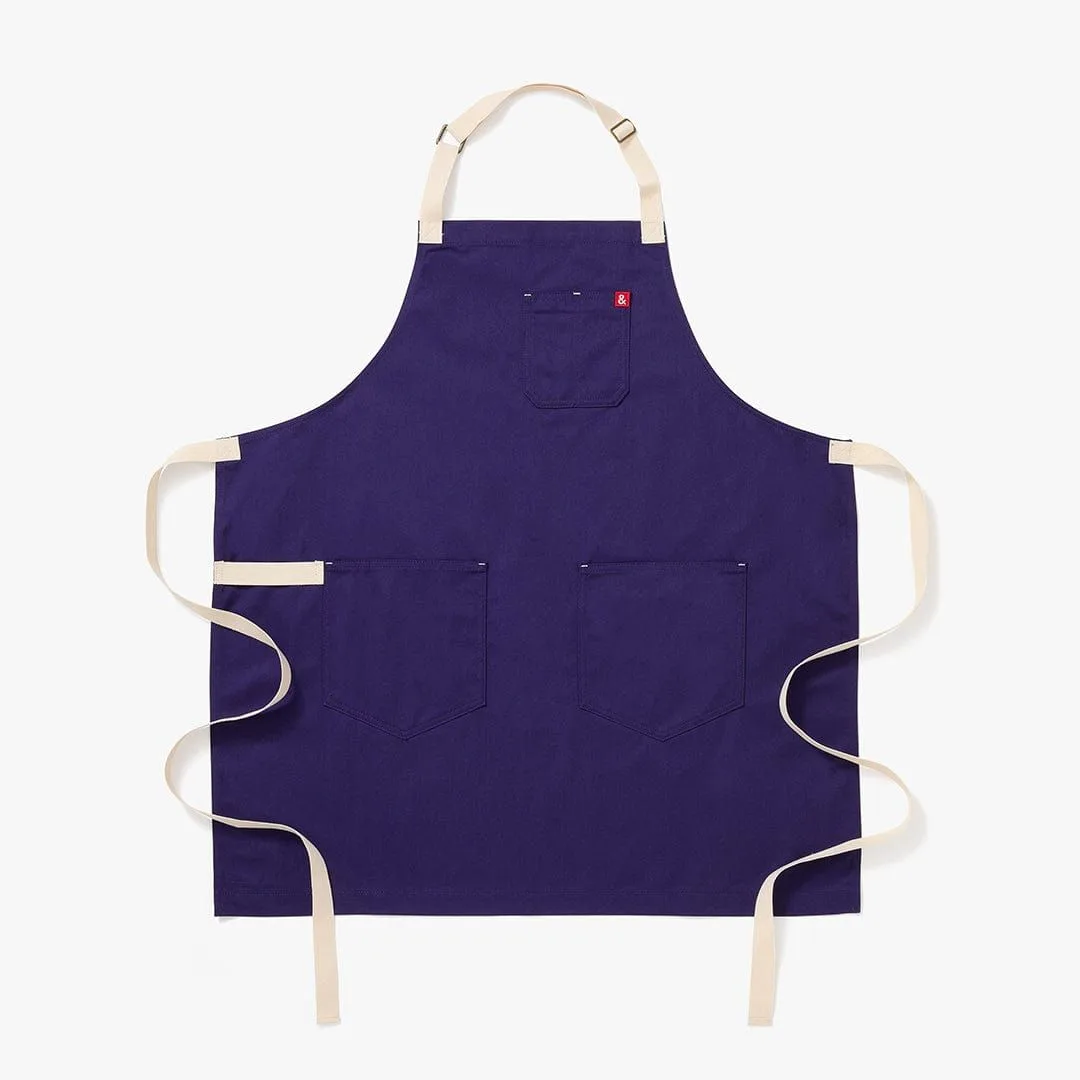
- Cloud Smock: The Cloud Smock is a smock-style apron made from cotton slub fabric in a blue colorway, designed for easy wear and coverage. The smock cut covers more of the torso and shoulders than a bib apron, which helps with pottery and painting where splatter and dust travel. Cotton slub is soft and textured, so it handles repeated wear and washing without feeling stiff.
- Charcoal Smock: The Charcoal Smock is a smock-style apron made from cotton slub material in a charcoal colorway, built for full coverage and easy movement. Charcoal hides clay dust and paint smudges better than light colors, making it a practical pick if you don't want to wash after every session. The smock design gives the coverage painters and potters need without restricting movement.
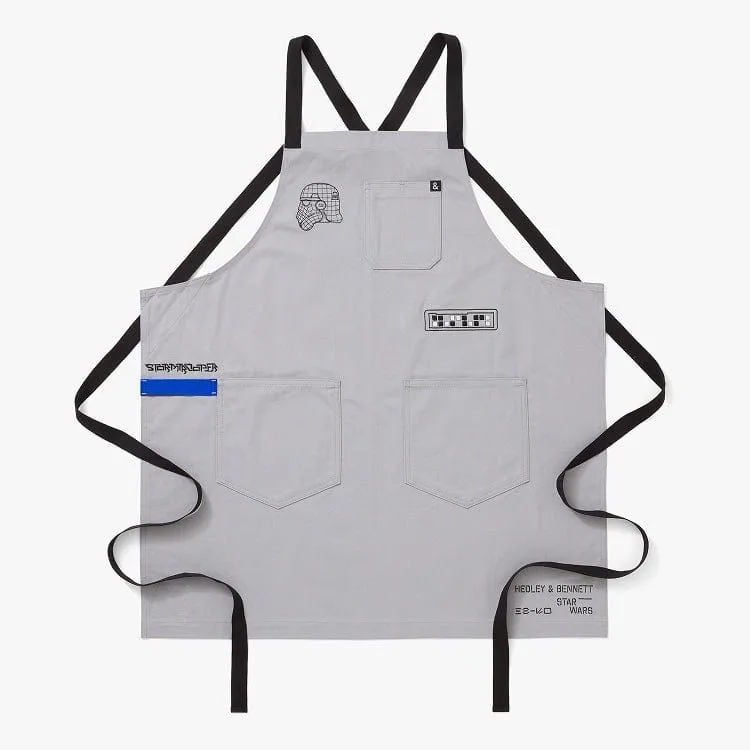
- Best Friends Cat Lovers Essential Apron: The Best Friends Cat Lovers Essential Apron is made from durable cotton canvas in a classic gray colorway, designed for cooking, baking, or crafting. Cotton canvas is sturdy enough for light crafting and easy to clean, so this apron can serve as a crossover option if you want one apron for both kitchen and craft table. The gray colorway hides everyday messes better than white or light pastels.