Quick answer
A camera lens protector is worth it if you often set your Galaxy S26 Ultra down on rough surfaces or carry it loose in a bag, because the camera bar is the most exposed part of the phone. It is not necessary if you already use a raised-edge case and treat your phone carefully. The choice is about your habits, not about the protector ruining your photos.
What a lens protector actually does for Galaxy S26 Ultra camera protection
A lens protector is a thin piece of glass that sits over the camera lenses. It does not change how the camera works; it adds a sacrificial layer that takes scratches and fingerprints instead of the lens itself. For a phone like the Galaxy S26 Ultra, where the camera bar sticks out and rests on whatever surface you place the phone on, that layer can mean the difference between a scuffed lens and a clean one.
The tradeoff is honest: you are adding a surface between the lens and the world. A well-made protector with anti-fingerprint and scratch-proof coatings keeps that surface clear and easy to wipe, but a cheap or poorly fitted one can trap dust or create a visible edge. That is why the material and the installation matter more than the concept.
Myth 1: A lens protector will ruin your photos
This is the most common worry, and it is only true when the protector is dirty, misaligned, or made of low-quality glass. A clean, properly installed protector with high clarity does not add a visible filter to your images. The bigger risk to photo quality is a scratched or smudged bare lens, which scatters light and softens every shot until you replace the phone or the lens assembly.
If you shoot a lot in bright sun or at night, keep the protector clean the same way you would keep the lens clean. A microfiber cloth takes care of fingerprints, and the anti-fingerprint coating on a good protector makes that wipe faster and more effective.
Myth 2: The Galaxy S26 Ultra lens is already scratch-proof
No phone lens is scratch-proof. Modern lens glass is hard, but it still picks up micro-scratches from keys, sand, and gritty tabletops. Those scratches are permanent because you cannot polish a phone lens without damaging its coating. A protector turns a permanent problem into a replaceable one.
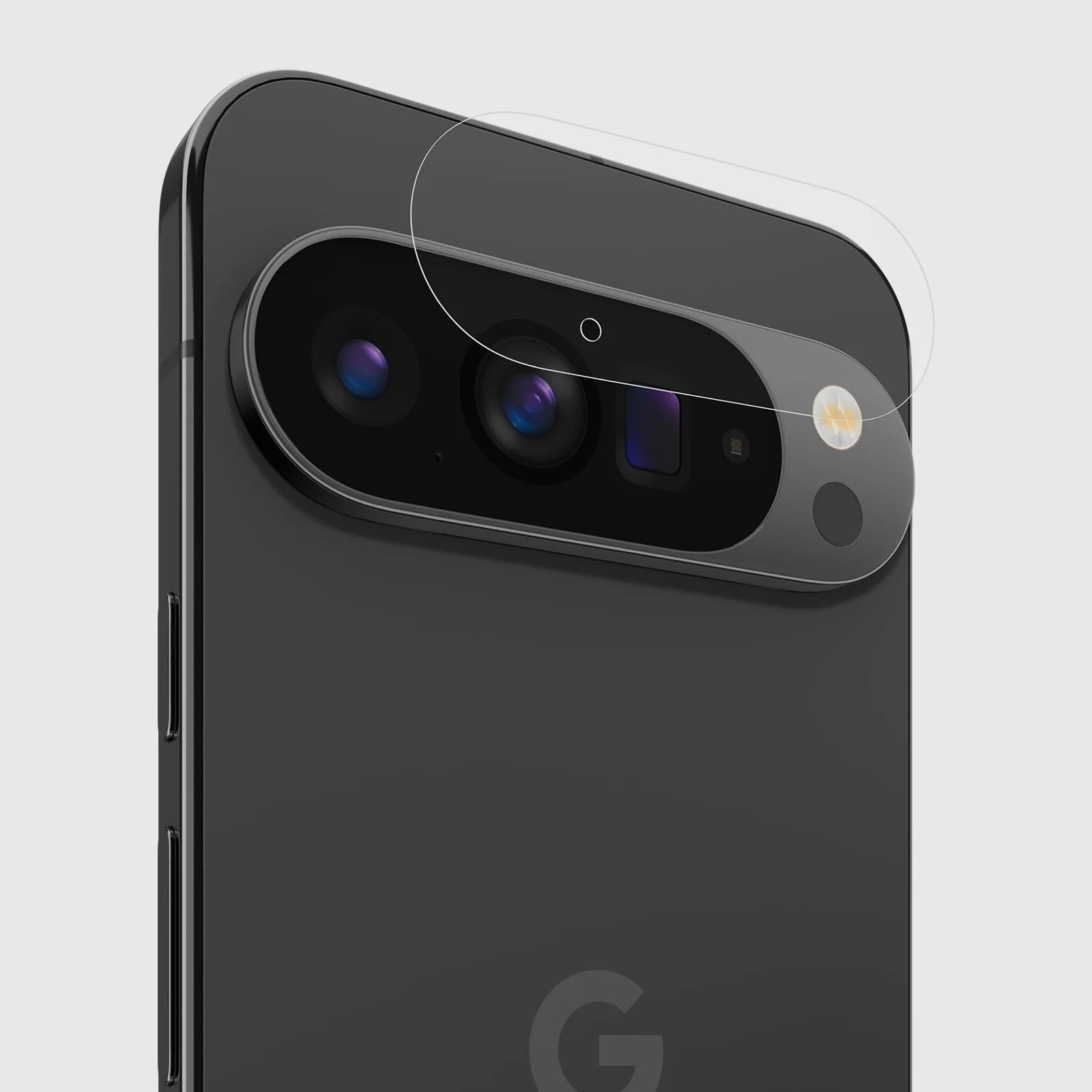
This is where a product like the Glass Camera Lens Protector for the Pixel 10 Pro XL is instructive even if you own a Galaxy: it uses double-tempered glass with scratch-proof and anti-fingerprint coatings, which is the same construction you should look for in any lens protector. The point is not the specific phone; it is that the protector is designed to absorb the wear your lens would otherwise take.
Myth 3: Any case makes a lens protector unnecessary
A case with a raised lip around the camera bar does reduce how often the lens touches a surface, but it does not eliminate contact. The Galaxy S26 Ultra camera bar is large, and most cases leave part of it exposed so the lenses can work. If you slide the phone into a pocket with keys or set it face-down on a textured table, the lenses can still meet grit.
If you want the lightest possible setup, a slim case plus a lens protector is a reasonable middle ground. If you already use a heavy rugged case with a deep camera surround, you can skip the protector and put that money toward a screen protector instead.
Myth 4: Lens protectors are all the same
They are not. The differences that matter are the glass construction, the coatings, and how precisely the protector is cut for the camera bar. A protector that is slightly too thick or too wide can interfere with some cases, and one without an anti-fingerprint coating will look smudged within a day.
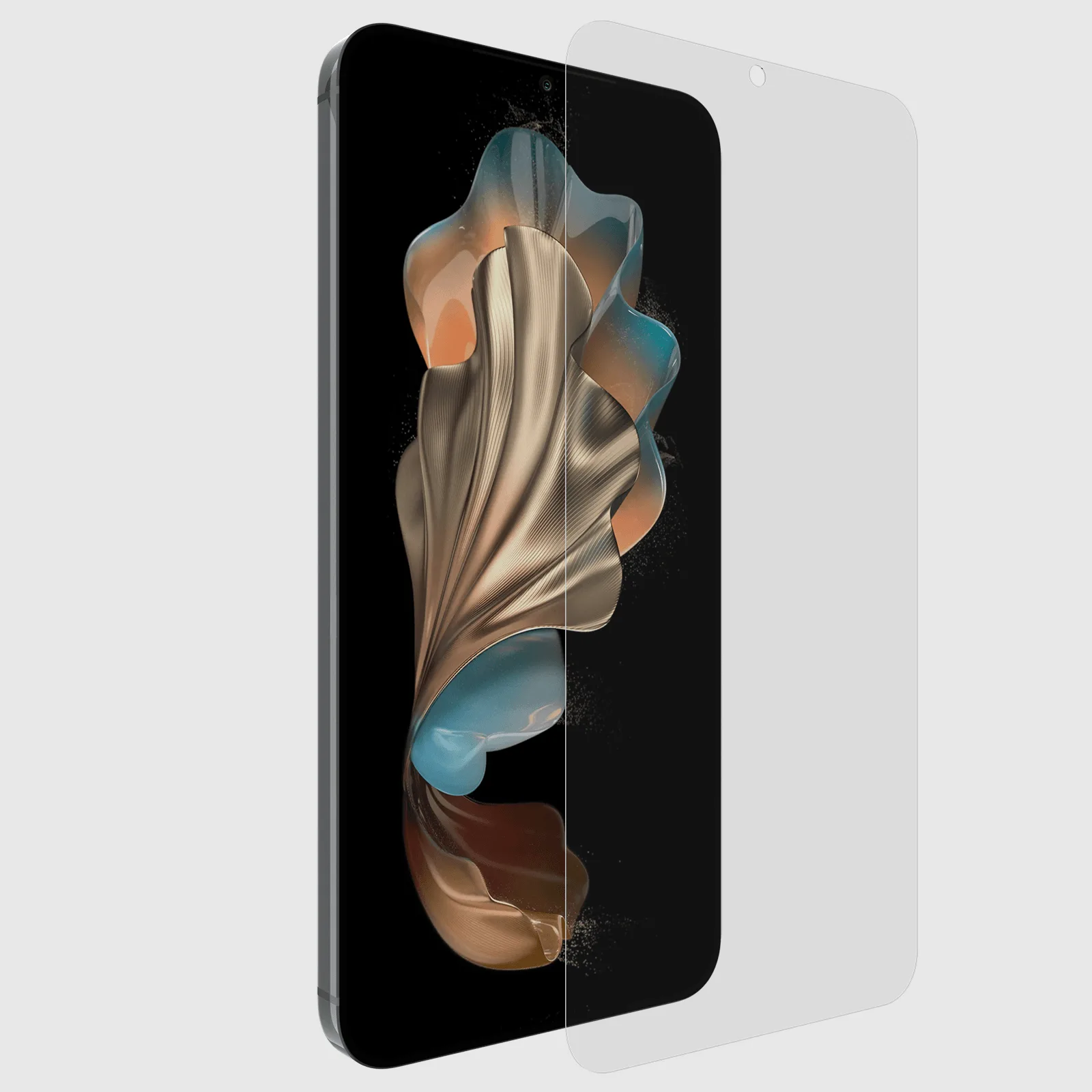
Look for double-tempered glass, scratch-proof and anti-fingerprint coatings, and a cut that matches your exact model. If a listing does not state those details, treat that as a limitation and keep looking. The same logic applies across phone models: the FlexiShield Screen Protector for the Galaxy S24+ shows how Case-Mate approaches clarity and coatings, with anti-scratch and anti-fingerprint layers and a thin, touch-sensitive design, and that standard is what you should expect from a lens protector too.
How to decide for your Galaxy S26 Ultra
Ask yourself three questions. Do you ever set your phone down on rough surfaces? Do you carry it in a pocket or bag with hard objects? Do you plan to keep the phone for more than a year? If you answered yes to two or more, a lens protector is a low-cost way to protect the part of the phone that is hardest to repair.
If you answered no to all three, your money is better spent on a screen protector and a case. Either way, the decision should be based on your habits, not on the fear that a protector will degrade your camera.
Verdicts on common Galaxy S26 Ultra lens protector claims
- Lens protectors ruin photo quality: Only when the protector is dirty, misaligned, or low quality. A clean, well-fitted protector with high clarity does not add a visible filter. Verdict: Myth, with a maintenance caveat.
- The Galaxy S26 Ultra lens cannot scratch: Lens glass is hard but not scratch-proof. Micro-scratches from keys, sand, and grit are permanent on a bare lens. Verdict: Myth. A protector makes the damage replaceable.
- A raised-edge case makes a lens protector pointless: A raised case reduces contact but does not eliminate it, especially with a large camera bar and pockets or bags. Verdict: Partly true. Skip the protector only if your case fully surrounds the camera and you are careful.
- All lens protectors are equal: Glass construction, coatings, and cut precision vary widely. Double-tempered glass with anti-fingerprint and scratch-proof coatings is the baseline. Verdict: Myth. Check the specs before buying.
Products that show the standard to look for
- Glass Camera Lens Protector - Pixel 10 Pro XL: Double-tempered glass with scratch-proof and anti-fingerprint coatings, made to last. These are the two coatings that keep a lens protector clear and easy to wipe, so you are not trading photo quality for protection.
- Flexishield Screen Protector - Galaxy S24+: Ultra-high clarity with anti-scratch and anti-fingerprint coatings and a thin, touch-sensitive design. Shows the clarity and coating standard Case-Mate applies to protection, which is the same standard you should expect from a camera lens protector.
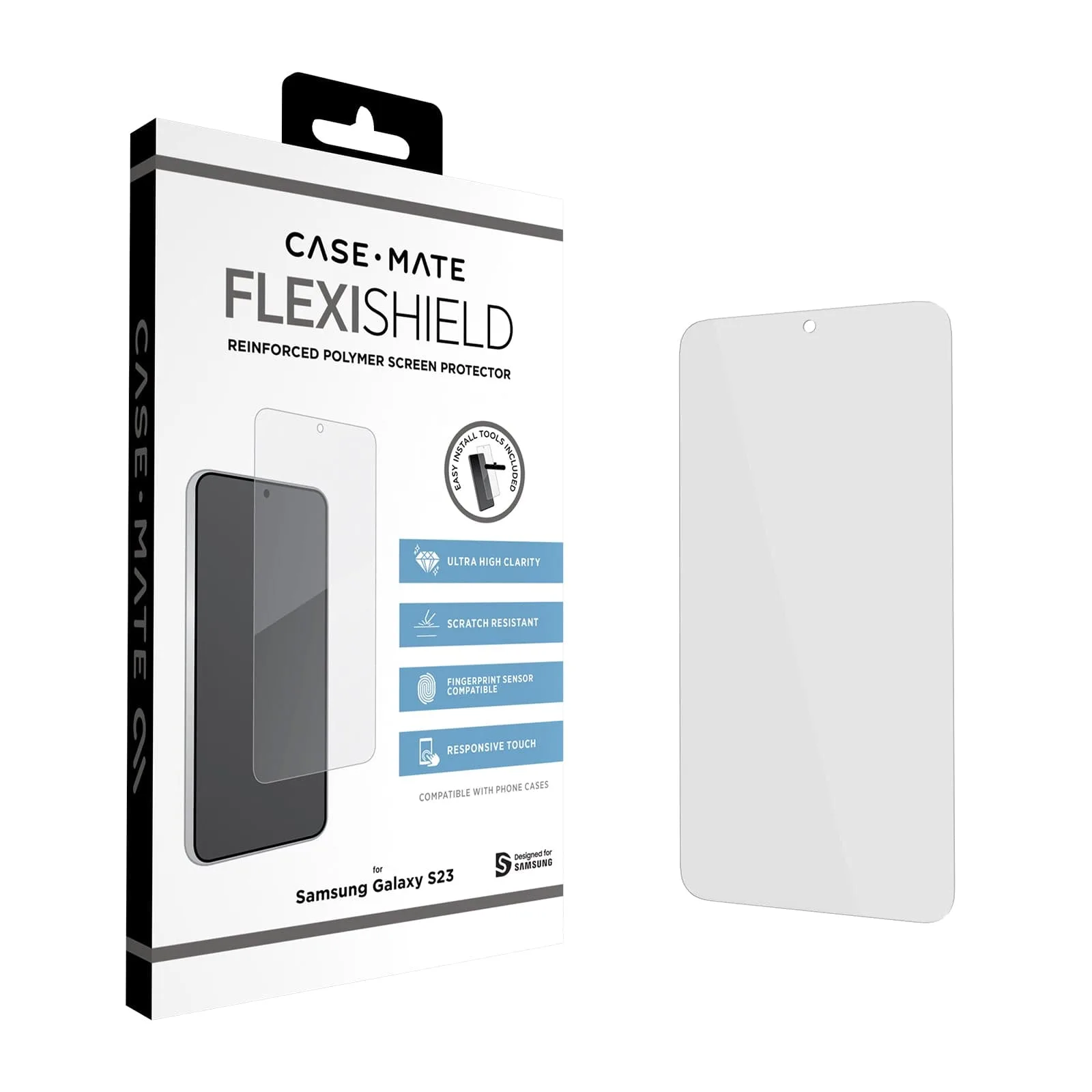
- FlexiShield Screen Protector - Galaxy S23: High-clarity protection from scratches with installation tools including a wet cleaning cloth, dust removal sticker, microfiber cloth, and slip-free mat. Installation tools matter for camera lenses too, because dust trapped under a protector is the main cause of visible spots in photos.