Quick answer
In most places, you don't need a personal trainer certification to train clients legally, but you almost certainly need one to get hired, insured, or trusted. Gyms and studios require a recognized certification, liability insurers often won't cover you without one, and clients increasingly ask. Treat certification as the entry ticket to a personal training career, not an optional extra.
What the law actually says
No U.S. state currently requires a personal training license the way it licenses nurses or electricians. That surprises a lot of new trainers. But 'legal' and 'employable' are different questions. Most commercial gyms, boutique studios, and franchise locations have their own hiring policies that mandate a certification from an accredited body before you can work the floor. If you plan to train clients independently, your liability insurance carrier will typically require proof of certification too, and without coverage a single injury claim can end your business. The practical reality: certification is a private-sector requirement, not a government one, but it functions like a license in every setting where money changes hands.
Which certifications employers recognize
The main accredited options are NCCA-accredited programs such as NASM, ACE, ACSM, and NSCA. These are the ones gyms, insurers, and platforms recognize. Specialty certifications sit on top of a base credential rather than replacing it. For example, TRX certification for trainers teaches you to coach suspension training, but it doesn't substitute for a foundational personal training certification. Think of it as a specialization that makes you more hireable and lets you charge more for small-group or one-on-one suspension sessions. If you already hold a base certification, adding a TRX qualification is a relatively fast way to differentiate yourself.
Costs, timelines, and what to expect
Budget roughly a few hundred to over a thousand dollars for a base certification, depending on the provider and whether you buy study materials or a live workshop. Most self-paced programs take two to six months to complete alongside a job. You'll need CPR/AED certification, which is usually a one-day course. Recertification every two years is standard, so factor continuing education credits into your ongoing costs. The honest tradeoff: certification doesn't guarantee clients. It opens doors to gyms and insurance, but your income still depends on retention, programming skill, and how well you communicate.
When you can skip certification
There are narrow cases where you might train people without a formal certification: coaching a sport you're already qualified in through a school or club, working under a licensed physical therapist as an aide, or training friends informally with no payment. The moment you accept money from the general public, the calculus changes. Insurance, gym access, and client trust all point to certification. If you're testing whether personal training is the right career before investing, shadow an experienced trainer or complete a low-cost introductory course first.
Trainer certification FAQ
Is certification legally required to train clients?
No state issues a personal training license, so you can legally accept clients without certification in most places. But gyms, insurers, and professional platforms require it, which makes it mandatory in practice for anyone working with the public. Check your gym's hiring policy and your insurer's requirements before assuming you can skip it.
How long does it take to become a personal trainer?
Most self-paced certification programs take two to six months. Add a CPR/AED course, which is usually a single day. Live workshops can compress the timeline but cost more. Plan for at least three months from starting study to holding a usable credential.
Is a fitness certification worth it financially?
It depends on your model. Certification unlocks gym employment and insurance, which are hard to replace. It doesn't guarantee income; retention and programming skill drive earnings more than the certificate itself. Treat certification as a gate, not a revenue guarantee.
Do I need a TRX certification to use TRX with clients?
You don't need a TRX-specific certification to use a suspension trainer, but the qualification teaches coaching cues, progressions, and safety that reduce your liability risk. It sits on top of a base personal training certification. Get the base certification first, then add TRX as a specialization.
Tools that support certified training
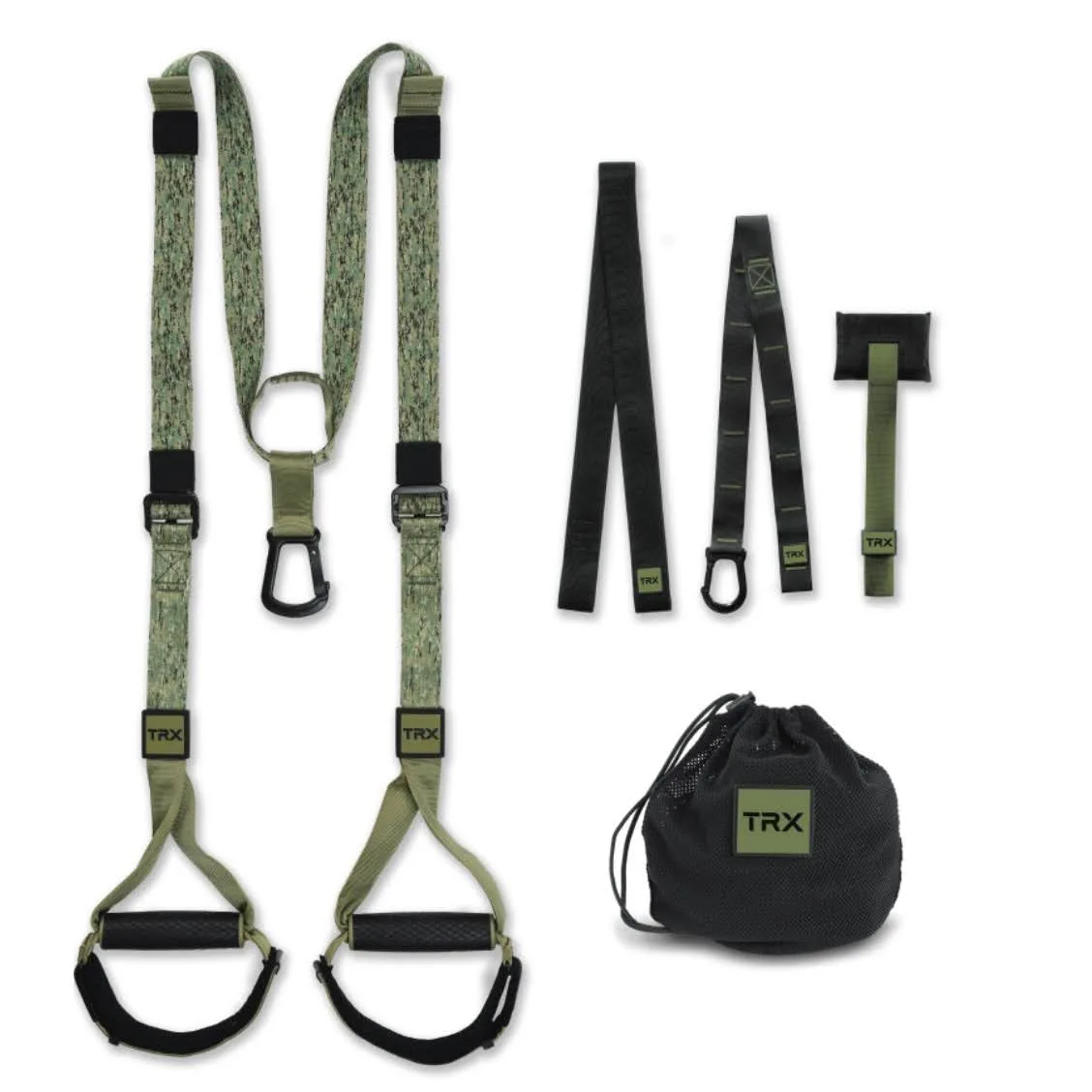
- TRX® PRO4 CAMO: The TRX Pro4 Camo kit includes the Pro4 Camo Suspension Trainer, door anchor, suspension anchor, Xtender, and a mesh carry bag, with a woven (not printed) green design inspired by the Navy's Working Uniform Type III. A complete kit lets you train clients in a home studio, park, or rented space without buying anchors separately, and the woven fabric holds up better to frequent outdoor use.
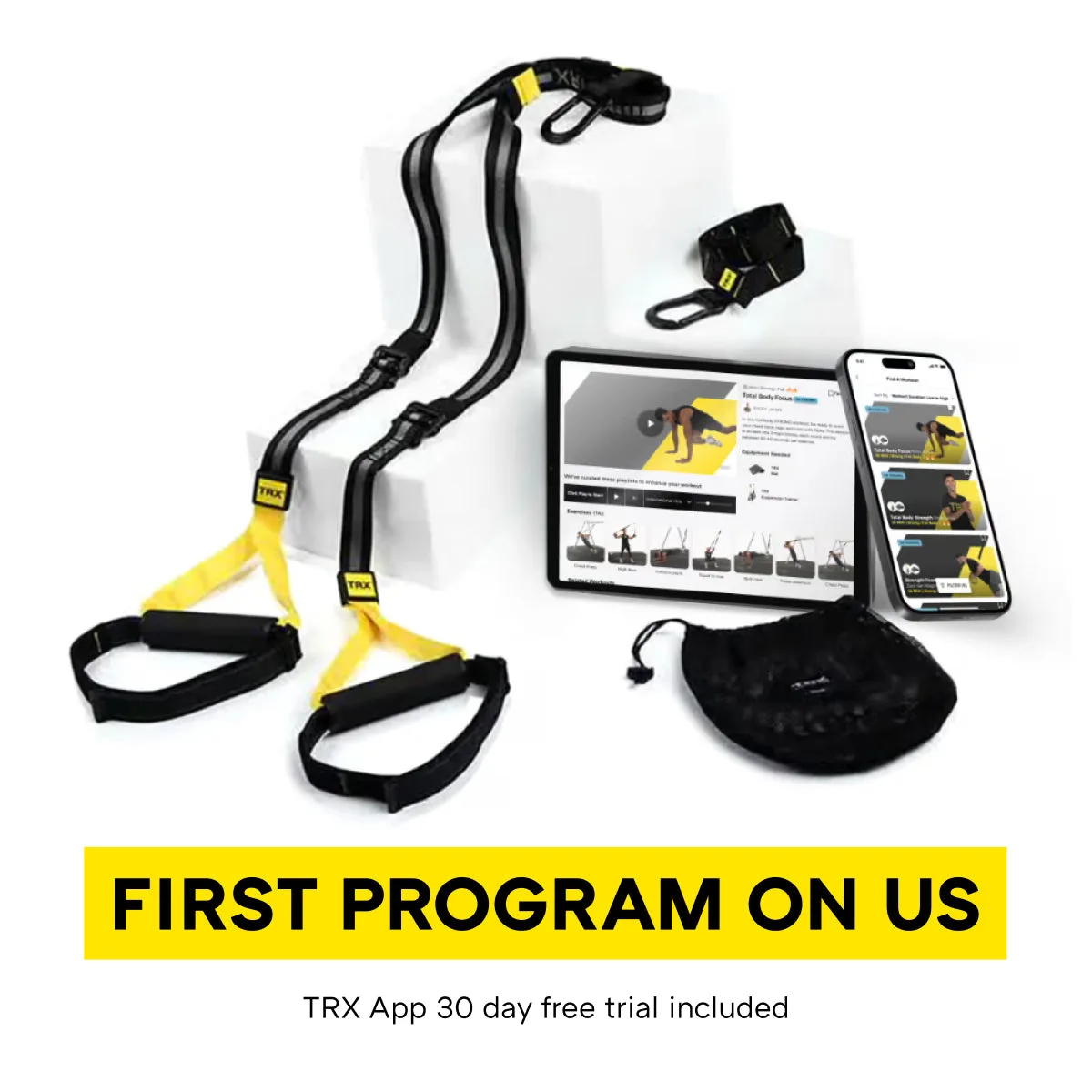
- TRX® HOME2 SYSTEM: The TRX Home2 System includes the TRX Home2 Suspension Trainer, door anchor, suspension anchor, and mesh carry bag, positioned as a workout solution for home or travel. If you're building a mobile or home-based training setup, this kit covers the essentials for client sessions without a gym membership.