Quick Answer
A document wallet is worth owning if you carry or protect loose paperwork regularly. If your documents live permanently in a drawer or filing cabinet, a folder or simple tray often does the same job for less. The deciding factor is movement and protection, not the label on the product.
Document wallets get sold as an upgrade to the humble folder, but the difference is smaller than the marketing suggests. A wallet is essentially a closed, protective sleeve, while a folder is an open cover that holds papers flat. Both store A4 pages. Only one of them survives a commute.
That distinction matters because most paperwork storage advice treats wallets and folders as interchangeable. They are not, but the gap is narrower than the myths claim. Here are the common beliefs worth testing against how you actually handle paper.
Myth: A Document Wallet Is Just a Folder With a New Name
Verdict: false, but only just. The meaningful difference is closure. A wallet wraps around its contents, so loose sheets cannot slide out when you tilt it. A folder relies on you keeping it flat or adding your own fastening.
That single design choice changes where each product belongs. Wallets suit bags, briefcases, and anywhere paper gets jostled. Folders suit desks, shelves, and drawers where nothing moves. If your paperwork never leaves the house, the wallet's main advantage is mostly unused.
- Choose a wallet when paper travels with you; choose a folder when it stays put.
- Check whether the wallet is sized for A4 or only smaller notepads before buying.
Myth: You Need a Wallet for Every Category of Paperwork
Verdict: false. One wallet per category sounds tidy until you own eleven of them and cannot remember which holds the warranty for the dishwasher. Broad groupings work better than narrow ones for most households.
A practical split is active, archive, and reference. Active paperwork is what you touch this month. Archive is tax, contracts, and records you keep but rarely open. Reference is manuals, certificates, and anything you occasionally look up. Three wallets handle that comfortably.
- Label wallets by purpose, not by document type, so the system survives new paperwork.
- Review the active wallet monthly and move anything finished into archive.
Myth: Any Wallet Will Protect Your Documents
Verdict: depends entirely on the material, which is rarely stated clearly. Many wallets are sold on colour and closure style rather than board weight or lining. If a listing does not tell you what the cover is made from, treat protection as unknown.
That is a decision limitation, not a reason to avoid wallets altogether. If you are storing receipts, school notes, or draft letters, a basic wallet is fine. If you are protecting signed originals or anything you would hate to crease, ask the seller what the cover and lining are before committing.
- Ask about cover material and lining if the product page omits them.
- For irreplaceable documents, store flat in something rigid rather than flexible.
Myth: A Wallet Replaces Your Filing System
Verdict: false, and this is where most people get caught. A wallet is a container, not a system. It holds whatever you put in it, in whatever order you left it. Without a naming habit, it becomes a portable pile.
The fix is unglamorous. Write the month and contents on the front, or use a small sticker, and empty the wallet on the same day each week. The wallet then does what it is good at, which is keeping paper clean and together between filing sessions.
- Pair every wallet with a fixed weekly emptying routine.
- Keep a separate labelled wallet for anything awaiting a reply or signature.
Myth: Wallets Are Only for Office Workers
Verdict: false. The strongest case for a wallet is anyone who moves paper between two places. Students carrying handouts, parents ferrying school forms, freelancers taking contracts to meetings, and anyone handling rental or medical paperwork all fit that pattern.
Where the myth has a point is the home desk that never moves. If your paperwork stays within one room, a document tray plus a folder will usually serve you better and cost less. Buy the wallet when the paper leaves the building.
- Count how often your paperwork leaves the house in a typical week.
- If the answer is rarely, spend the money on a good folder instead.
Verdicts at a Glance
- A wallet is just a folder: False. The closure is the real difference: a wallet keeps loose sheets contained when tilted or carried, while a folder holds them flat and open. Buy a wallet only if your paper moves.
- One wallet per document type: False. Broad groups such as active, archive, and reference stay workable as paperwork grows; narrow categories multiply faster than you can label them. Three labelled wallets beat eleven vague ones.
- Any wallet protects your documents: Unproven unless the listing states cover material and lining. Many wallets are described by colour and closure only, so protection cannot be assumed. Ask the seller before trusting a wallet with originals.
- A wallet replaces your filing system: False. It is a container, not a method. Without a weekly emptying routine and a written label, it becomes a portable pile of paper. Pair the wallet with a fixed review day.
- Wallets are only for office workers: False. Anyone moving paper between home, work, school, or appointments benefits. A home desk that never travels usually does not. Match the product to how far your paper travels.
Products That Support Better Paperwork Habits
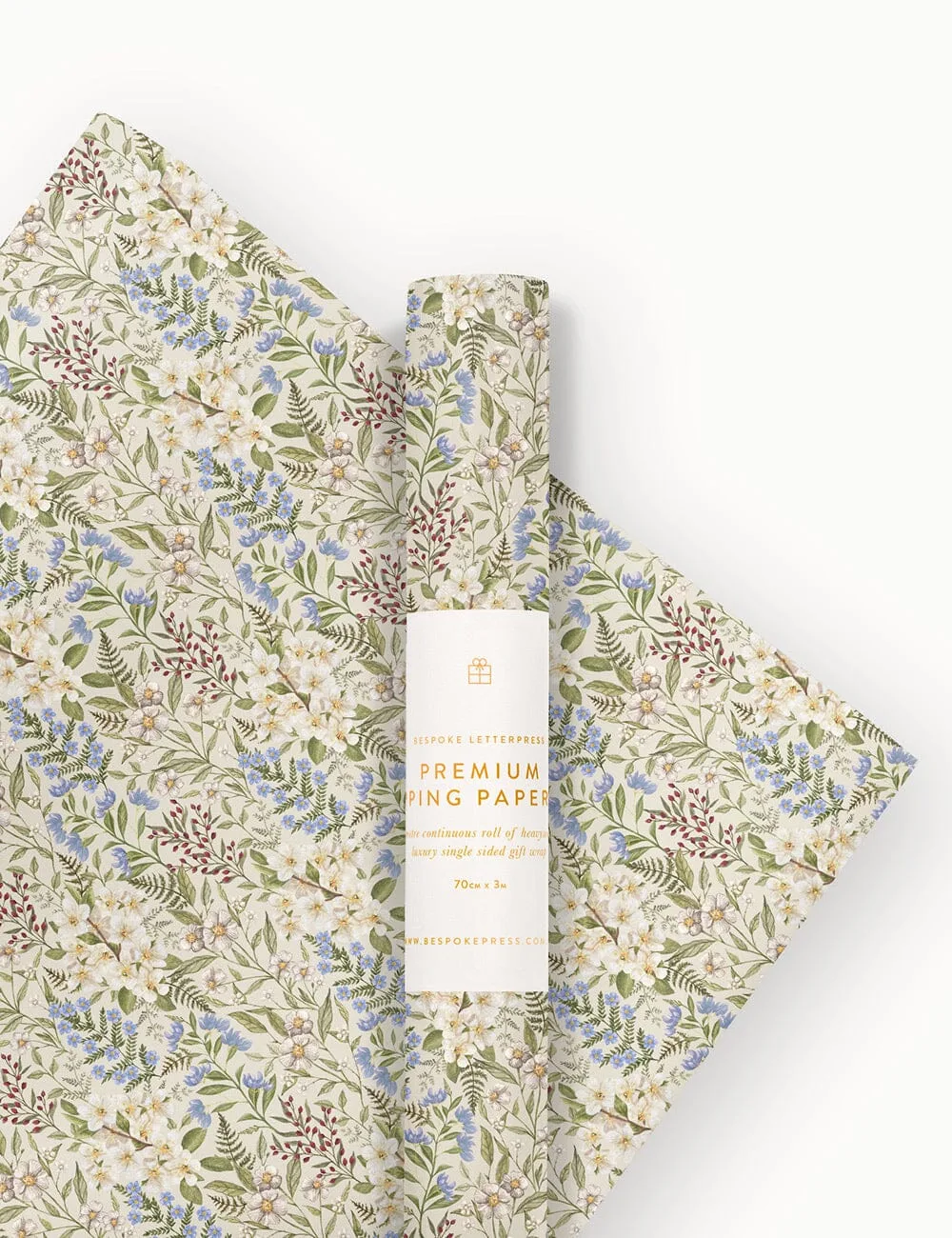
- Gift Wrap Roll 3m - Forget Me Not: Continuous web printed single sided on 100gsm environmentally responsible, 100% recycled paper, 70cm wide by 3m long. A reminder that paper quality is stated when it matters. If a document wallet listing does not name its cover material, ask before you buy.
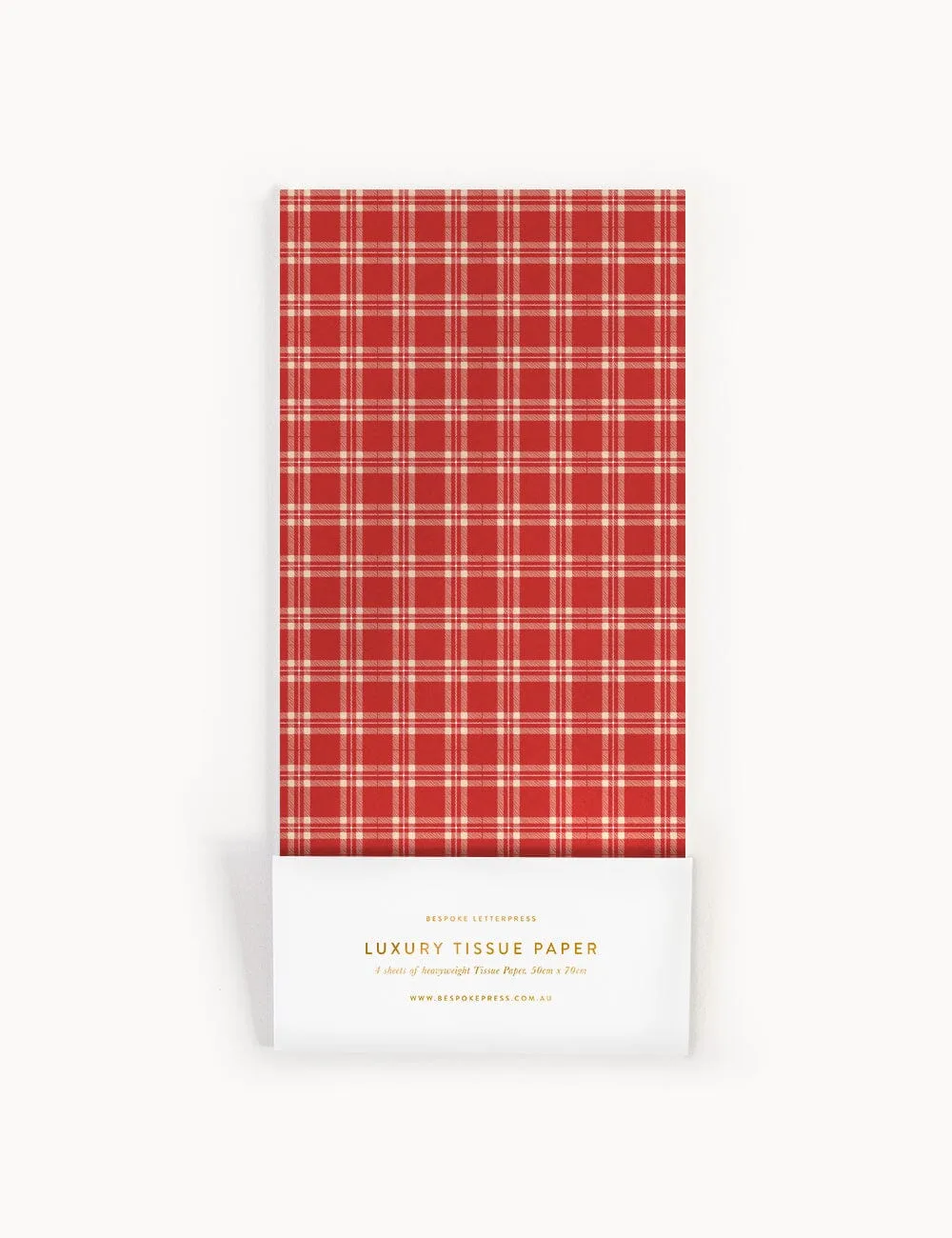
- 4pk Tissue Paper - Christmas Red Check: 30gsm heavyweight tissue paper, 50 x 70cm sheets, compostable and printed with inks that have passed PFAS testing. Useful for wrapping fragile certificates or keepsakes before they go into a wallet or archive box, so corners do not rub.
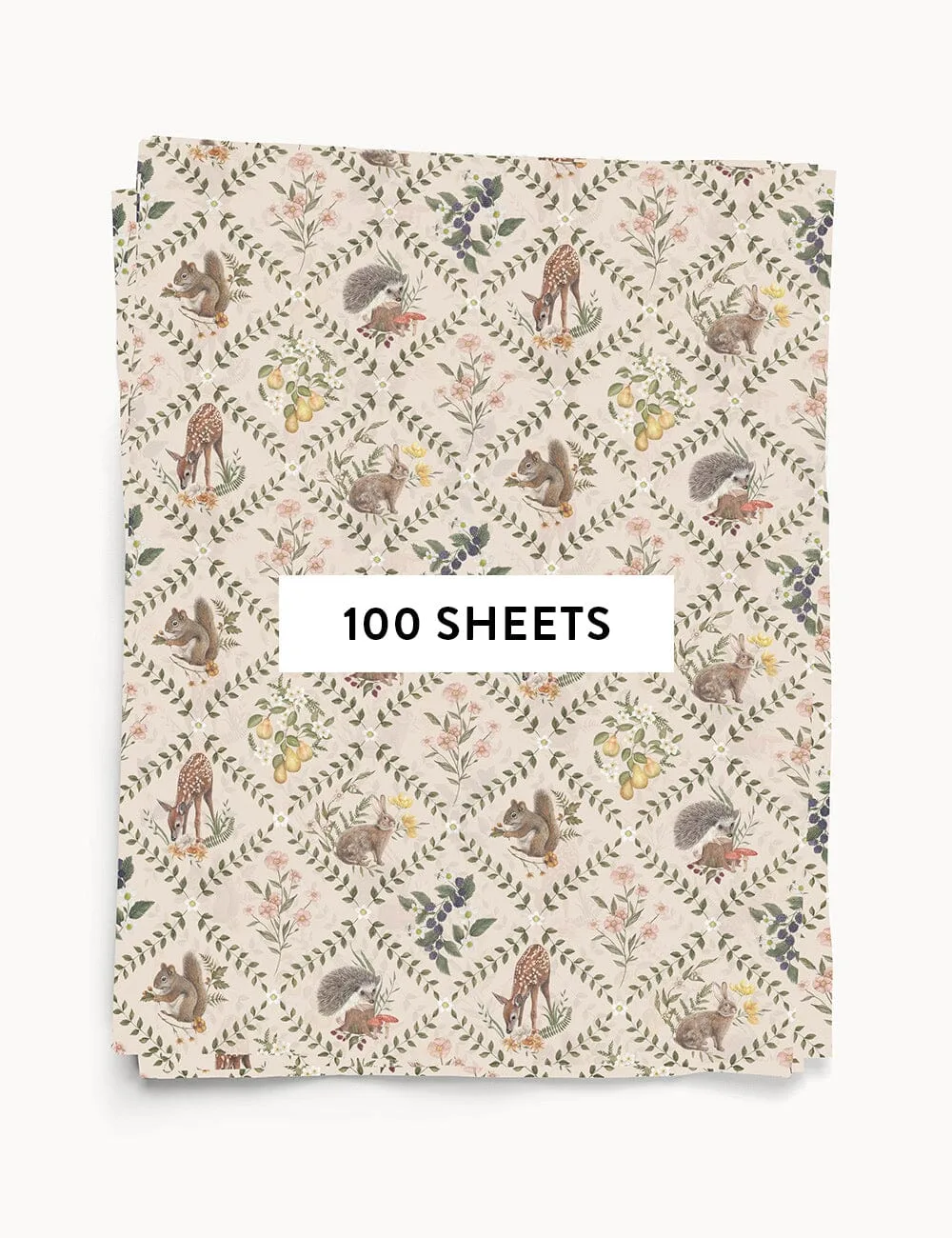
- 100pk Tissue Paper - Wildflower Trellis: 100 pack of 30gsm heavyweight tissue paper sheets, 50 x 70cm, supplied flat. Flat-supplied sheets interleave neatly between documents you are archiving, keeping pages from pressing against each other.
- "Joy to the World" Green Small Christmas Card: Letterpress hot foil printed small card, blank internally, with a matching heavyweight cream envelope. A good example of why envelopes and cards belong in a labelled wallet rather than loose in a bag, so they arrive uncreased.
A document wallet earns its place when paperwork moves and needs to stay together. If yours never leaves the desk, a folder and a tray will do the job honestly. Decide based on your habits, not the label.