Quick answer
Silver tarnish is not caused by air alone; it's a chemical reaction with sulfur compounds in the air, moisture, and everyday items like rubber bands, wool, and some foods. Sterling silver (92.5% silver) tarnishes faster than fine silver because copper alloys react more readily. The best prevention is storing silver in airtight bags with anti-tarnish strips, wearing it often (skin oils can slow tarnish), and cleaning with a soft cloth after wear.
Myth: Tarnish Means Your Silver Is Fake
Tarnish is actually a sign of genuine silver. Pure silver (99.9%) tarnishes slowly, while sterling silver (92.5% silver, 7.5% copper) tarnishes faster because copper reacts with sulfur. So if your silver jewelry tarnishes, it's not fake—it's just doing what real silver does. The only silver that never tarnishes is rhodium-plated or stainless steel, which aren't pure silver.
Myth: Air Alone Causes Tarnish
Air contains sulfur compounds from pollution, but tarnish needs more than just oxygen. Moisture and sulfur-bearing gases (like hydrogen sulfide) are the real culprits. That's why silver tarnishes faster in humid cities, near industrial areas, or when stored in damp basements. A dry, airtight environment slows the reaction dramatically.
Myth: You Can't Prevent Tarnish Without Chemicals
Simple habits beat harsh chemicals. Store each piece in a tarnish-resistant bag or airtight container with a piece of chalk or anti-tarnish strip. Wear your silver often—the natural oils in your skin create a barrier. Avoid exposing it to rubber, wool, and latex, which contain sulfur. After wearing, wipe with a soft cotton cloth to remove oils and moisture before storing.
Myth: All Silver Jewelry Tarnishes at the Same Rate
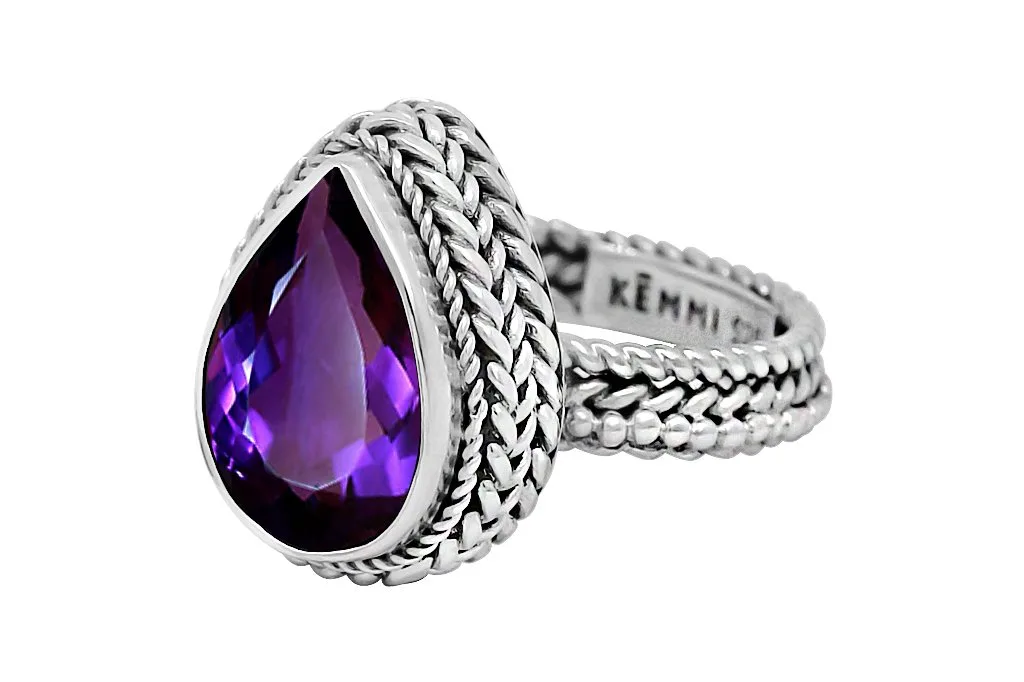
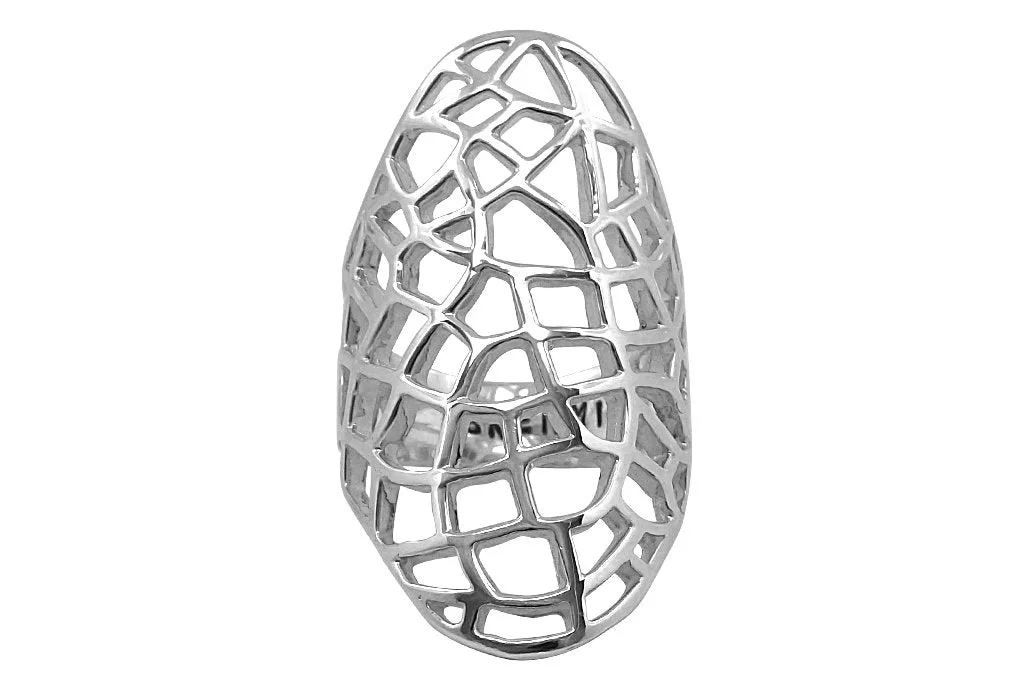
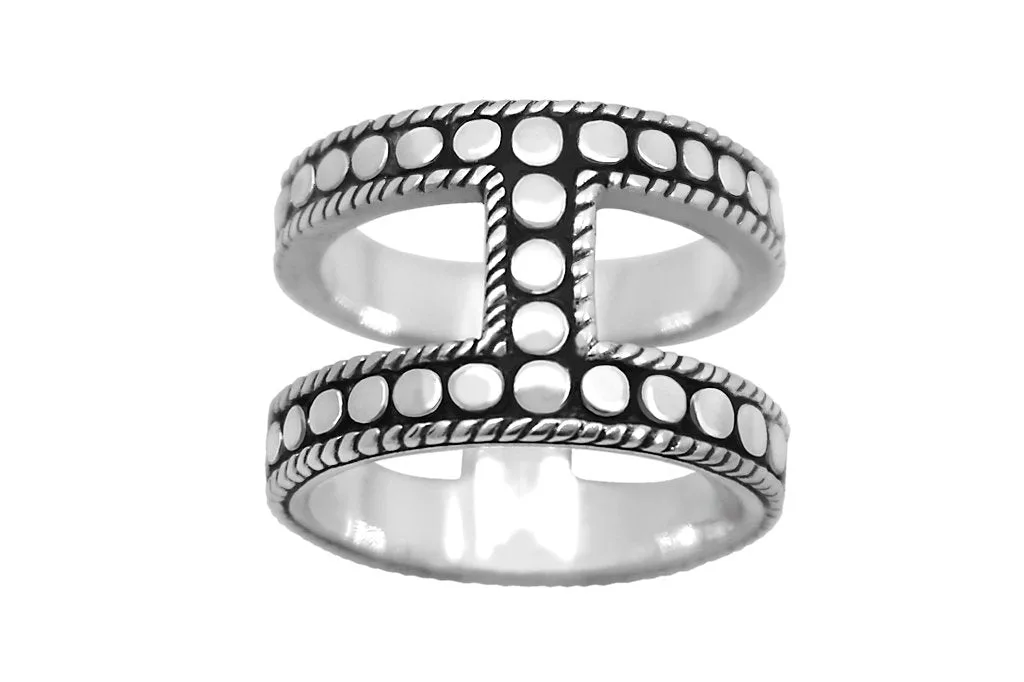
Not true. The alloy matters. Sterling silver (92.5% silver) tarnishes faster than fine silver (99.9%). Plated pieces can tarnish when the plating wears thin. Also, design plays a role: rings worn daily on hands that touch lotions, soaps, and food will tarnish faster than a necklace worn occasionally. So when you see a piece like the Silver Amethyst Jasmin Ring or Silver Savannah Ring, remember that its tarnish timeline depends on how you wear and care for it, not just the metal.
Tarnish Myth Verdicts
- Myth: Tarnish means fake silver: Tarnish is a natural reaction of silver with sulfur. Sterling silver tarnishes faster due to copper alloy. Verdict: False. Tarnish confirms real silver.
- Myth: Air alone causes tarnish: Moisture and sulfur compounds in air are the real triggers. Dry storage slows tarnish. Verdict: Partly false. Control moisture and sulfur, not just air.
- Myth: You need harsh chemicals to prevent tarnish: Airtight storage, anti-tarnish strips, and wiping after wear are effective and safe. Verdict: False. Simple habits work best.
Silver Pieces That Benefit from Tarnish Prevention
- Silver Amethyst Jasmin Ring: Silver Amethyst Jasmin Ring made of layered silver wires in a teardrop shape with a natural Amethyst crystal. The open wire design has many surfaces that can trap moisture and sulfur, so drying and storing it in an airtight bag after wear is key.
- Silver Savannah Ring: Silver Savannah Ring composed of asymmetrical lines for a modern boho-chic look. Its organic, uneven surface can collect lotion or soap residue; a soft brush and mild soap keep tarnish from setting in.
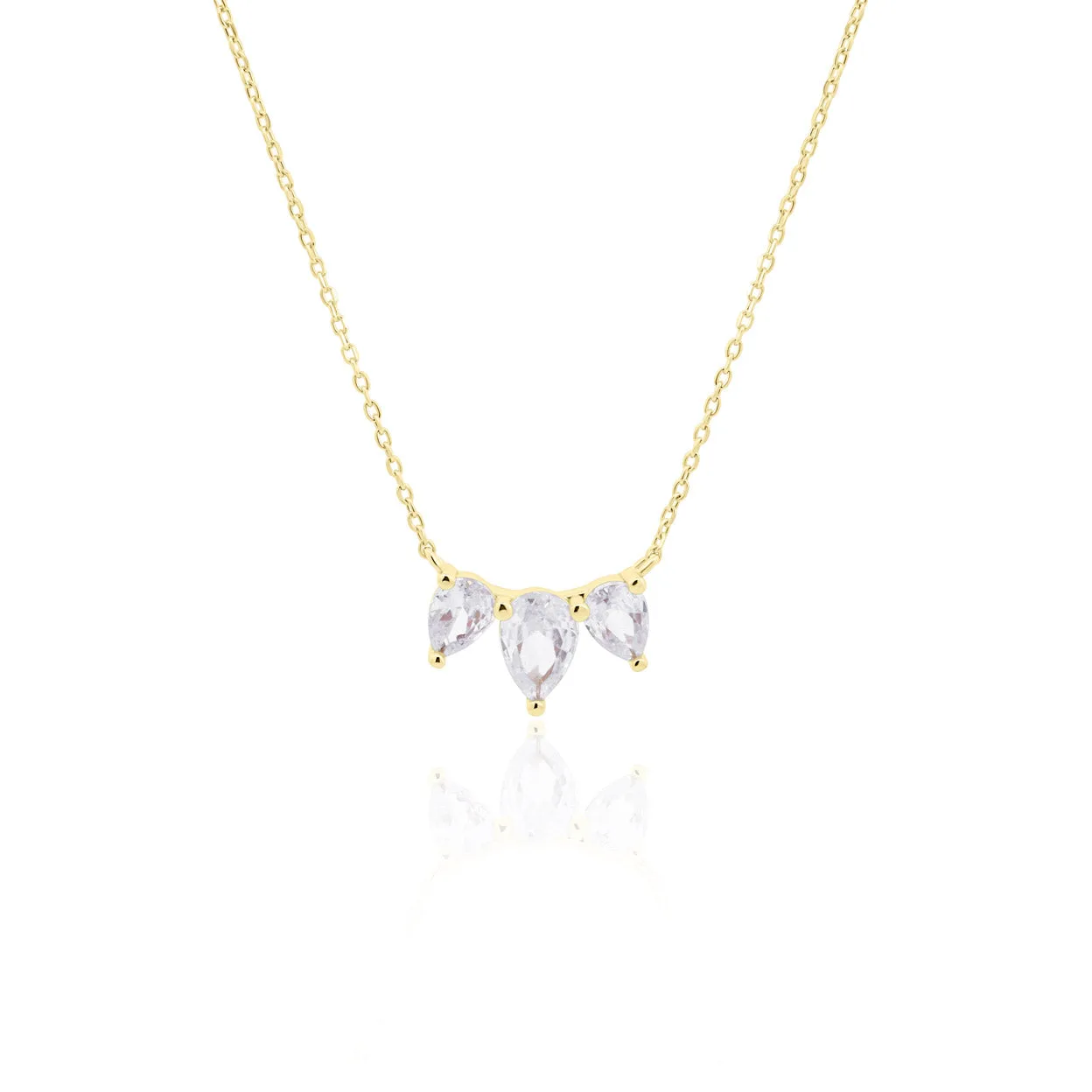
- Tulip CZ Necklace: Tulip CZ Necklace features three oversized cubic zirconia stones that catch light from every angle. CZ stones are durable, but the metal setting still needs the same tarnish prevention as any silver piece—store it flat and dry.