Quick answer
For most modern digital cameras, a UV filter is not necessary for image protection. A lens hood is often a better choice for blocking stray light and physical bumps, while a filter adds an extra layer of glass that can reduce contrast and introduce flare.
The UV filter myth explained
The claim: 'You must always keep a UV filter on your lens to protect the front element from scratches, dust, and impact.' This advice is widespread among camera store staff and online forums. The reality is more nuanced. UV filters were originally designed to block ultraviolet light on film cameras, where UV haze could degrade image quality. Digital camera sensors already have UV/IR filters built in, so a UV filter on a digital lens does nothing for image clarity. Its only modern role is physical protection, and that comes with trade-offs.
When a UV filter makes sense
There are specific situations where adding a filter is a sensible precaution. If you frequently shoot in dusty, sandy, or salty environments (beach, desert, motorsports), a cheap filter can take the abuse and be replaced cheaply. Similarly, if you are shooting in heavy rain or near water spray, a filter can keep moisture off the front element. In these cases, the filter acts as a sacrificial layer. Just be aware that any filter can cause ghosting or flare when shooting into bright light sources, so you may want to remove it for critical low-light or backlit shots.
Why a lens hood is often better
A lens hood provides physical protection from bumps and knocks, and it also blocks stray light that causes flare and reduces contrast. Unlike a filter, a hood does not add an extra optical surface that can degrade image quality. For everyday carry and general photography, a hood is the smarter choice for protection. It does not protect the front element from dust or scratches, but a quality lens cap and careful handling cover those risks.
The verdicts
- UV filter for protection: A UV filter adds a layer of glass that can reduce contrast and cause flare, especially in backlit scenes. It does not improve image quality on digital cameras. Use only in harsh environments where the risk of damage outweighs optical downsides.
- Lens hood for everyday use: A hood blocks stray light, reduces flare, and provides physical bump protection without adding an extra optical surface. Best all-round choice for daily protection.
- Filter vs hood trade-off: Filters protect against dust and scratches; hoods protect against impacts and stray light. Neither is perfect, but a hood is optically neutral. Match your choice to your shooting conditions.
Related products at Harrison Cameras
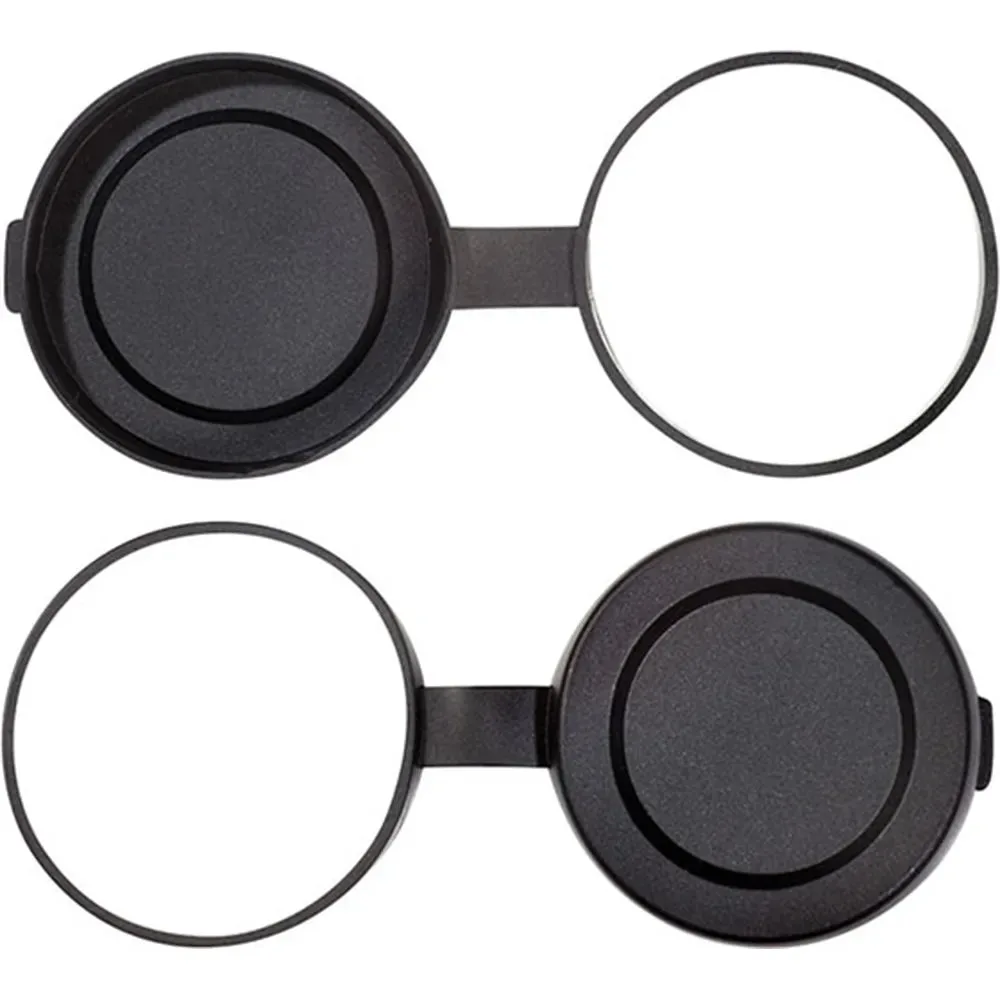
- Opticron Rubber Objective Lens Covers For Outer Diameter 52-53mm: The Opticron Rubber Objective Lens Covers for Outer Diameter 52-53mm are designed to protect your binoculars' objective lenses from damage caused by impact, water, and dirt during transit or storage. They are made of durable rubber and fit snugly over tubes with an outer diameter of 52-53mm, ensuring a secure, friction fit. If you use binoculars alongside your camera, these covers offer a simple, removable way to shield the objective lenses from dirt and knocks without adding an optical layer. They are a practical alternative to a permanent filter for gear that lives in a bag.
- Harrison Cameras eGift Vouchers: The Harrison Cameras eGift Voucher is the ideal, flexible gift to surprise any photography enthusiast. It can be redeemed either in our Sheffield store or on our website. Not sure whether to buy a filter, hood, or something else for a photographer friend? An eGift voucher lets them choose exactly the accessory they need, whether it is lens protection, a new strap, or a contribution toward a lens.