Quick answer
You need flange inserts only if your current flange size does not match your nipple size. A 24mm flange that feels too big, causes pinching, or leaves a ring of areola pulled into the tunnel is a common sign that a smaller insert can help. If your flange already fits comfortably and you are expressing milk well, you do not need inserts just because other moms use them.
Myth 1: If the flange came with the pump, it must be your size
Most pumps ship with a 24mm flange because it is a middle-of-the-road size, not because it is your size. Nipple size varies widely, and a flange that is too large can pull in extra areola, which may reduce comfort and make milk removal less effective. If the tunnel looks mostly empty around your nipple or you see a lot of areola stretching into it, that is a fit signal worth acting on.
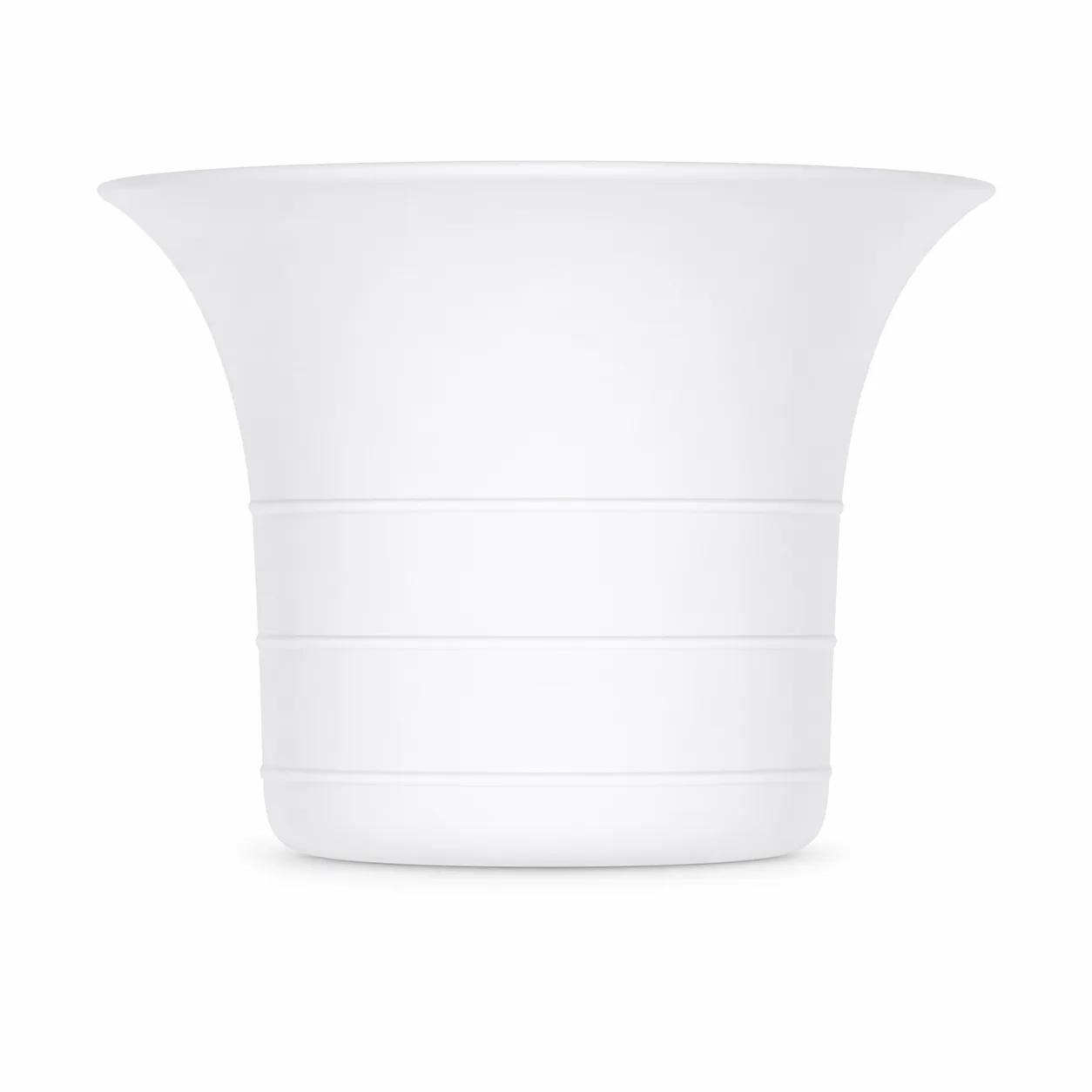
This is exactly the situation flange inserts are designed for. They sit inside a 24mm flange and reduce the opening to a smaller size, so you can fine-tune fit without buying a whole new pump setup.
Myth 2: You should always size down as much as possible
Smaller is not automatically better. A flange that is too small can cause pinching, friction, and discomfort, and it may compress the nipple rather than allow it to move freely. The goal is alignment and comfort, not the smallest number you can tolerate.
Use the fit you feel and see as your guide: your nipple should sit centered in the tunnel with little or no areola pulled in, and pumping should feel comfortable rather than pinchy or raw. If a smaller insert makes things worse, that size is not your size.
Myth 3: Inserts are only for wearable pumps
Inserts can help with any pump that uses a 24mm flange, including standard setups, as long as the insert is designed to fit that flange. The underlying issue is the same: the opening is larger than your nipple, so you need to reduce it.
BabyBuddha's 17mm, 19mm, and 21mm flange inserts are made for use with wearable breast pumps and 24mm flanges. If you are using a different flange size or a different brand, check compatibility before assuming an insert will fit.
Myth 4: If pumping hurts, you just need to toughen up
Pain is information, not a rite of passage. A too-large flange can cause friction and irritation because your nipple and areola are moving in ways they should not. A too-small flange can pinch. Neither is something to push through if a simple size change might fix it.
Before you accept discomfort as normal, check your flange size. If the tunnel looks too wide, try a smaller insert. If it looks too tight or your nipple rubs the sides, you may need a larger size, not a smaller one.
Myth 5: One insert size works for both breasts
It is common for the two sides to measure differently, and that can change over the course of your pumping journey. If one side feels fine and the other feels off, you may need two different insert sizes rather than one.
BabyBuddha sells inserts in 17mm, 19mm, and 21mm two-packs, so you can buy the size that matches each side. If you are between sizes, start with the one that matches your measurement and adjust based on comfort and how well you are expressing milk.
Myth 6: You need inserts forever
Your body changes. Nipple size can shift with milk supply, pumping frequency, and time. An insert that fit well in the early weeks may feel different later, and that is normal.
Recheck your fit if you notice new discomfort, a drop in output, or a change in how much areola is being pulled into the flange. Inserts are a tool for the fit you have now, not a permanent commitment.
Myth verdicts: what to do next
- The 24mm flange is one-size-fits-all: It is a common default, not a universal fit. If the tunnel looks too wide or pulls in areola, a smaller insert can help. Verdict: Myth. Check your fit before assuming the included flange is right.
- Smaller is always better: Too small can pinch and cause friction. Aim for centered alignment and comfort, not the smallest number. Verdict: Myth. Fit is about match, not minimum size.
- You need inserts if pumping hurts: Pain can come from a flange that is too large or too small. Inserts help only when the problem is a too-large opening. Verdict: Partly true. Diagnose the size issue first, then choose an insert if it fits.
- Both breasts need the same insert size: It is common for sides to differ. BabyBuddha offers 17mm, 19mm, and 21mm two-packs so you can match each side. Verdict: Myth. Measure and fit each side separately.
- Once you find your size, it never changes: Nipple size can shift with supply and pumping patterns. Recheck if comfort or output changes. Verdict: Myth. Reassess your fit as your body changes.
BabyBuddha flange inserts at a glance
- Flange Inserts – 17mm (2-pack) for Wearable Breast Pump and 24mm Flanges: 17mm flange inserts (2-pack) for wearable breast pump and 24mm flanges; designed to help with alignment, comfort, and milk expression. A good starting point if your 24mm flange feels too large and you need a smaller opening.
- Flange Inserts – 21mm (2-pack) for Wearable Breast Pump and 24mm Flanges: 21mm flange inserts (2-pack) for wearable breast pump and 24mm flanges; soft, flexible design. Useful if you need only a slight size reduction from 24mm rather than a big jump down.
- Flange Inserts – 19mm (2-pack) for Wearable Breast Pump and 24mm Flanges: 19mm flange inserts (2-pack) for wearable breast pump and 24mm flanges; supports nipple alignment. A middle size that can help if 21mm still feels a bit loose but 17mm feels too small.