Quick answer
No, you do not need to dry clean every designer sweater. The fiber and the care label decide the method, not the brand name. Many sweaters can be hand washed gently at home, but structured or delicate knits should still go to a professional cleaner.
A designer label does not automatically mean a sweater needs dry cleaning. The myth survives because dry cleaning feels like the safe choice, but the real deciding factors are the fiber content and the care label sewn inside the garment.
That matters even more with secondhand pieces, where the knit may have already been washed a few times. This guide breaks down the common claims about dry clean designer sweaters, gives each one a clear verdict, and shows how to clean sweaters at home without ruining the shape.
Myth: Designer means dry clean only
The brand on the neck label tells you nothing about how the yarn behaves. What matters is the fiber: wool, cashmere, cotton, acrylic, and blends all react differently to water, heat, and agitation. A designer cotton knit and a designer cashmere knit can carry completely different care instructions.
So the honest answer to whether you can wash a designer sweater is: check the label first. If it says dry clean only, follow that. If it allows hand washing, you can clean sweaters at home with cool water and a gentle detergent. Skipping the label check is the actual mistake, not skipping the dry cleaner.
- Read the fiber content and care label before any decision.
- Treat 'dry clean only' as a real instruction, not a suggestion.
- When the label is missing or unreadable, choose the gentler option.
Myth: Hand washing always damages sweaters
Hand washing damages sweaters mainly when the water is hot, the detergent is harsh, or the knit is wrung and twisted. Done gently, it is one of the safest ways to clean sweaters at home because you control every step and there is no tumble agitation.
The risk is real for structured or heavily embellished knits, where water can distort shaping or loosen trim. For those, a professional cleaner is the safer route. For simple soft knits that the label allows to be washed, cool water and flat drying usually protect the shape well.
- Use cool water and a detergent made for delicate fibers.
- Press water out gently instead of wringing.
- Dry flat on a towel, reshaping the sweater while damp.
Myth: Dry cleaning is always the safer choice
Dry cleaning is a strong option for delicate or structured knits, but it is not automatically gentler. It is a chemical process, and repeated cycles add up in cost and wear over a garment's life. For a sweater you wear weekly, that routine gets expensive fast.
A practical middle ground works well: dry clean when the label demands it or the knit is delicate, and hand wash the rest. That keeps your dry clean designer sweaters habit limited to the pieces that genuinely need it, and it keeps everyday knits in rotation longer.
- Reserve dry cleaning for labels that require it or delicate construction.
- Spot treat small marks between full washes.
- Air sweaters after wearing to stretch time between cleanings.
Secondhand sweaters: check condition before you wash
Pre-owned knits deserve one extra step before their first wash at home. Inspect seams, cuffs, and the underarm area for thinning, pilling, or loose threads. A sweater that is already fragile can be pushed over the edge by a wash it would have survived when new.
If the knit feels sturdy and the label allows washing, a gentle hand wash is a reasonable first clean. If it feels thin or the trim is delicate, start with a professional cleaner instead. You can always wash it yourself later once you know how it holds up.
- Check seams and cuffs for wear before the first wash.
- Test a small hidden area if you are unsure about colorfastness.
- When in doubt, start with a professional clean.
Verdicts on common sweater care claims
- Claim: All designer sweaters must be dry cleaned: The fiber content and care label decide the method, not the brand. Many knits labeled for hand washing can be cleaned at home with cool water and gentle detergent. Verdict: myth, with one exception. Follow a dry clean only label exactly.
- Claim: Hand washing always ruins sweaters: Damage usually comes from hot water, harsh detergent, and wringing, not from hand washing itself. Gentle handling and flat drying protect the shape of suitable knits. Verdict: mostly myth. Technique matters more than the method.
- Claim: Dry cleaning is always the safer option: It is a chemical process with real cost and wear over time. It is the right call for delicate or structured knits, but unnecessary for sturdy sweaters whose labels allow washing. Verdict: partly true. Match the method to the garment, not to habit.
- Claim: Secondhand sweaters should always be dry cleaned first: Condition decides. A sturdy knit with a washable label can be hand washed gently, while a thin or delicate piece is better off starting with a professional clean. Checkpoint: inspect seams and cuffs before the first wash.
What secondhand listings actually tell you
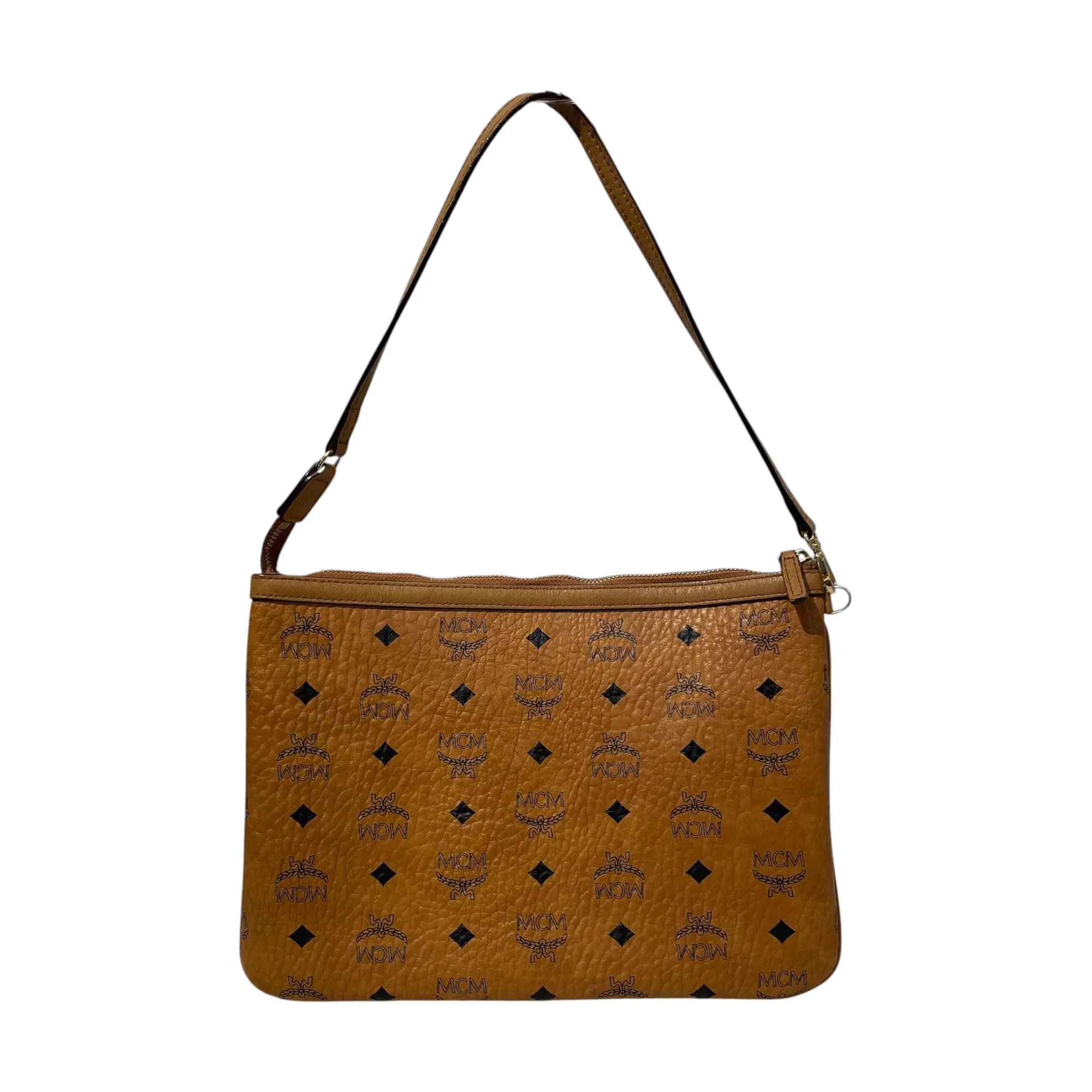
- MCM/Bag/Monogram/Leather/BRW/: Leather, brown, used condition rated Good, with measurements of 8 inches high, 11 inches wide, and 1 inch deep. Leather accessories should be wiped and conditioned rather than washed, so knowing the material and condition up front tells you which care routine applies.
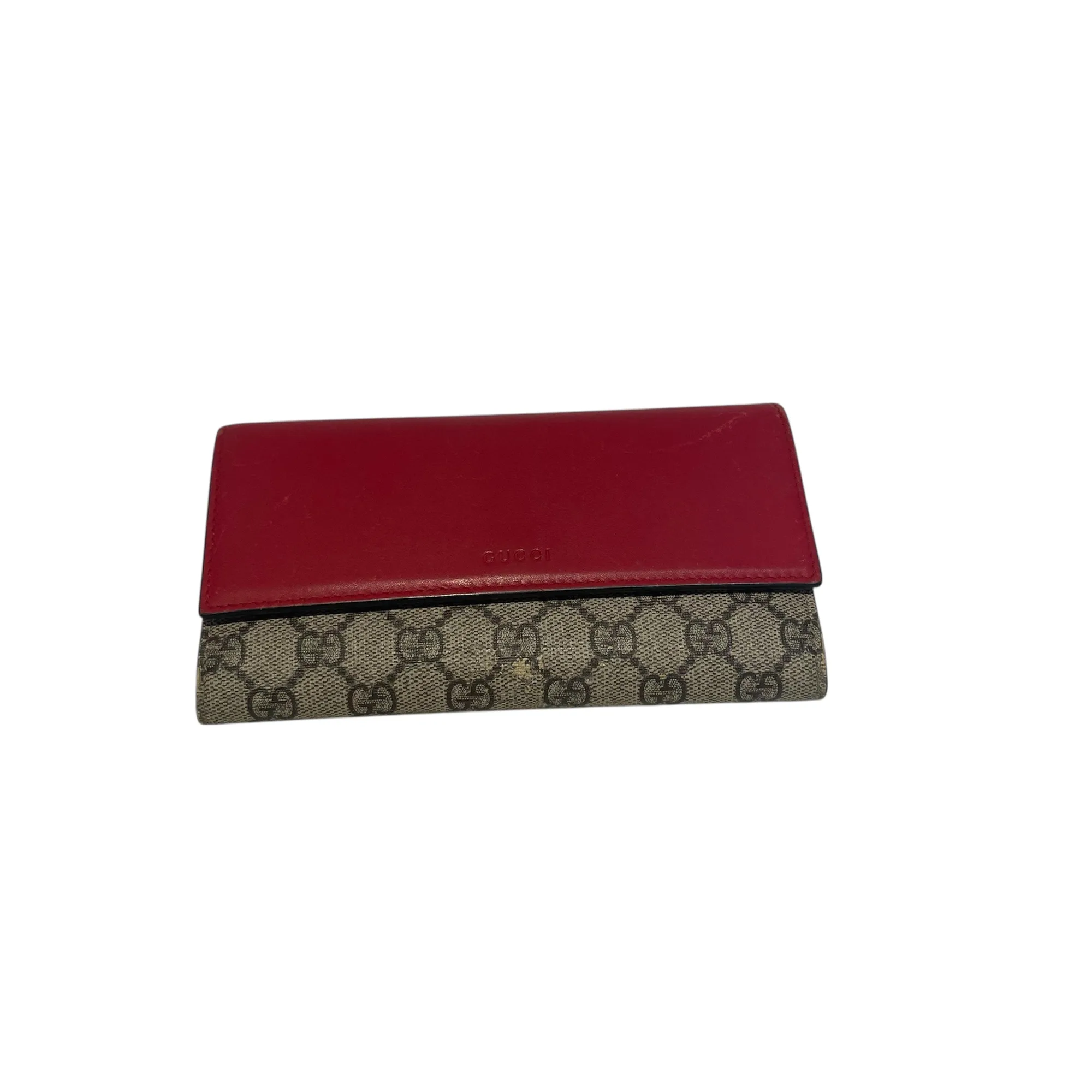
- GUCCI/Bifold Wallet/Leather/RED/GUCCI RED/W PINK ENTERIOR: Leather, red, used condition rated Good, measuring 4.5 inches high and 7.5 inches wide. A leather wallet is a good reminder that material, not brand, drives care; leather gets spot cleaned, while many knit sweaters can be hand washed.
- VERSACE/Sunglasses/Plastic/RED/L's/cat-eye medusa gold 4381-B: Plastic frame, red, listed in Like New condition, with a 5 inch temple and 5.5 inch width. Condition labels like Like New help you judge how much wear an item has already absorbed, which is the same logic you apply when deciding whether a secondhand sweater can handle a home wash.
Dry cleaning every designer sweater is a habit, not a rule. Read the label, judge the fiber and condition, and hand wash the knits that can take it. Your sweaters stay in better shape, and your cleaning bill stays smaller.