Quick Answer
There is no single rule for every fabric. Pre-washing is a good idea when you want to shrink fabric before cutting, prevent color bleeding, or remove factory finishes. But it is not always necessary, especially for small projects or fabrics that will not be washed often. The right choice depends on the fabric and how the finished item will be used.
Should you pre-wash fabric? Ask five sewists and you will get five different answers. Some wash everything the moment it enters the house. Others sew straight from the bolt and never have a problem. The truth is that pre-washing is not a moral obligation. It is a practical step you take when the risks of skipping it matter for your project.
In this article, we will look at the most common pre-washing fabric myths and give you a clear verdict for each one. We will stick to what we can actually verify from fabric care instructions and common sewing practice. No scary stories, no absolute rules. Just the facts you need to decide whether to pre-wash your next piece of fabric.
Myth: You Must Pre-Wash Every Fabric Before Sewing
This is the most repeated rule in sewing, but it is not universal. Pre-washing is important when the final project will be washed regularly and you need the fabric to shrink before you cut. It also helps remove sizing and other factory finishes that can affect how fabric feels and behaves. However, many projects do not need it. If you are making a wall hanging, a bag, or a decorative item that will rarely or never be washed, pre-washing may be unnecessary.
The real question is not whether you should always pre-wash, but whether your fabric will shrink or bleed in a way that ruins the finished item. If the answer is no, you can safely skip it. If the answer is maybe, pre-washing is cheap insurance.
- Pre-wash when the project will be washed often and fit matters.
- Skip pre-washing for items that will not be washed, like wall art or bags.
- When in doubt, test a small square first.
Myth: All Fabric Shrinks the Same Amount
Not true. Shrinkage varies by fiber content, weave, and finish. For example, the Moss Painter's Palette Solid from Paintbrush Studio Fabrics lists a shrinkage of 3-5%. That is a specific, measurable range. Other fabrics may shrink more or less, and some may not shrink at all. Without a stated shrinkage rate, you cannot know exactly how much a fabric will shrink until you wash it.
This is why pre-washing is especially important for quilting fabric. If you piece a quilt with unwashed fabric and then wash the finished quilt, the fabric may shrink and pucker the stitches. Pre-washing quilting fabric first means the shrinkage happens before you sew, so your quilt stays flat and square.
- Check the fabric care instructions for a stated shrinkage rate.
- If no shrinkage rate is given, pre-wash a test square to see how it behaves.
- For quilts, pre-washing helps prevent puckering after the first wash.
Myth: Pre-Washing Always Prevents Color Bleeding
Pre-washing can reduce the risk of color bleeding, but it does not guarantee it will never happen. Some dyes release excess color in the first wash, and pre-washing can rinse that away. But if a fabric is not colorfast, it may continue to bleed in later washes. The only way to know for sure is to test. Cut a small square, soak it in warm water, and see if the water changes color.
For quilts and other projects that mix light and dark fabrics, pre-washing dark or saturated colors separately is a smart move. It also helps to use a color catcher sheet in the wash. If you are using a fabric like Bright Aqua Painter's Palette Solid from Paintbrush Studio Fabrics, which is a solid color, bleeding is less of a concern than with a deeply saturated print, but testing is still the safest approach.
- Test a small square in warm water to check for bleeding.
- Wash dark or bright fabrics separately the first time.
- Use a color catcher sheet to catch loose dye.
Myth: Pre-Washing Ruins Fabric and Makes It Hard to Sew
Pre-washing can change the hand of the fabric. It may become softer, and some fabrics may fray more at the edges. But it does not ruin fabric. In fact, many sewists prefer the softer feel of pre-washed fabric. The key is to handle it properly. After washing, trim any loose threads and press the fabric before cutting. If you are worried about fraying, zigzag or serge the raw edges before washing, or put the fabric in a mesh laundry bag.
One real downside is that pre-washing takes time and energy. You have to wash, dry, and press the fabric before you can start your project. For some people, that extra step is worth it. For others, it is not. There is no wrong answer as long as you understand the tradeoff.
- Pre-washing may soften fabric and increase fraying.
- Trim edges or use a mesh bag to reduce fraying.
- Always press pre-washed fabric before cutting.
Myth: You Should Always Wash in Hot Water to Shrink Fabric
Hot water can shrink fabric more, but it can also cause more color bleeding and damage some fibers. The best approach is to follow the fabric's care instructions. For example, the Moss Painter's Palette Solid from Paintbrush Studio Fabrics recommends machine wash cold, delicate, tumble dry low. Washing it in hot water could cause unnecessary shrinkage or fading. If you want to pre-shrink, use the warmest temperature recommended on the care label, not the hottest setting on your machine.
Remember that how you wash your pre-cut fabric should match how you will wash the finished item. If you plan to wash the finished quilt in cold water, pre-wash in cold water. That way, any shrinkage happens under the same conditions.
- Follow the fabric's care instructions for water temperature.
- Match pre-washing conditions to how you will wash the finished item.
- Avoid hot water unless the care label specifically allows it.
Pre-Washing Verdicts: What to Do for Your Project
- Quilting fabric for a bed quilt: Pre-wash if you want to avoid shrinkage puckering after the first wash. Use cold water and the fabric's recommended dry setting. Verdict: Pre-wash.
- Fabric for a tote bag or wall hanging: These items are rarely washed, so shrinkage and bleeding are less of a concern. You can skip pre-washing unless the fabric feels stiff or has an odor. Verdict: Skip pre-washing.
- Fabric for clothing that will be washed often: Pre-wash to shrink the fabric and check for color bleeding. This is especially important for natural fibers like cotton and linen. Verdict: Pre-wash.
- Pre-cut bundles like fat quarters: You can pre-wash, but handle with care to prevent fraying. Use a mesh bag or zigzag the edges. Wash in cold water and dry low. Verdict: Optional, but recommended for quilts.
Fabric Care Facts from Our Catalog
- Moss Painter's Palette Solid from Paintbrush Studio Fabrics: Shrinkage: 3-5%. Washing instructions: Machine wash cold, delicate, tumble dry low. Do not bleach. This fabric has a known shrinkage range, so you can pre-wash it in cold water to control shrinkage before cutting. Always follow the care instructions to avoid damaging the fabric.
- Bright Aqua Painter's Palette Solid from Paintbrush Studio Fabrics: Washing instructions: Machine wash cold, delicate, tumble dry low. Do not bleach. Even though this is a solid color, pre-washing in cold water is still a good idea to remove factory finishes and check for any excess dye. It also matches the recommended care for the finished project.
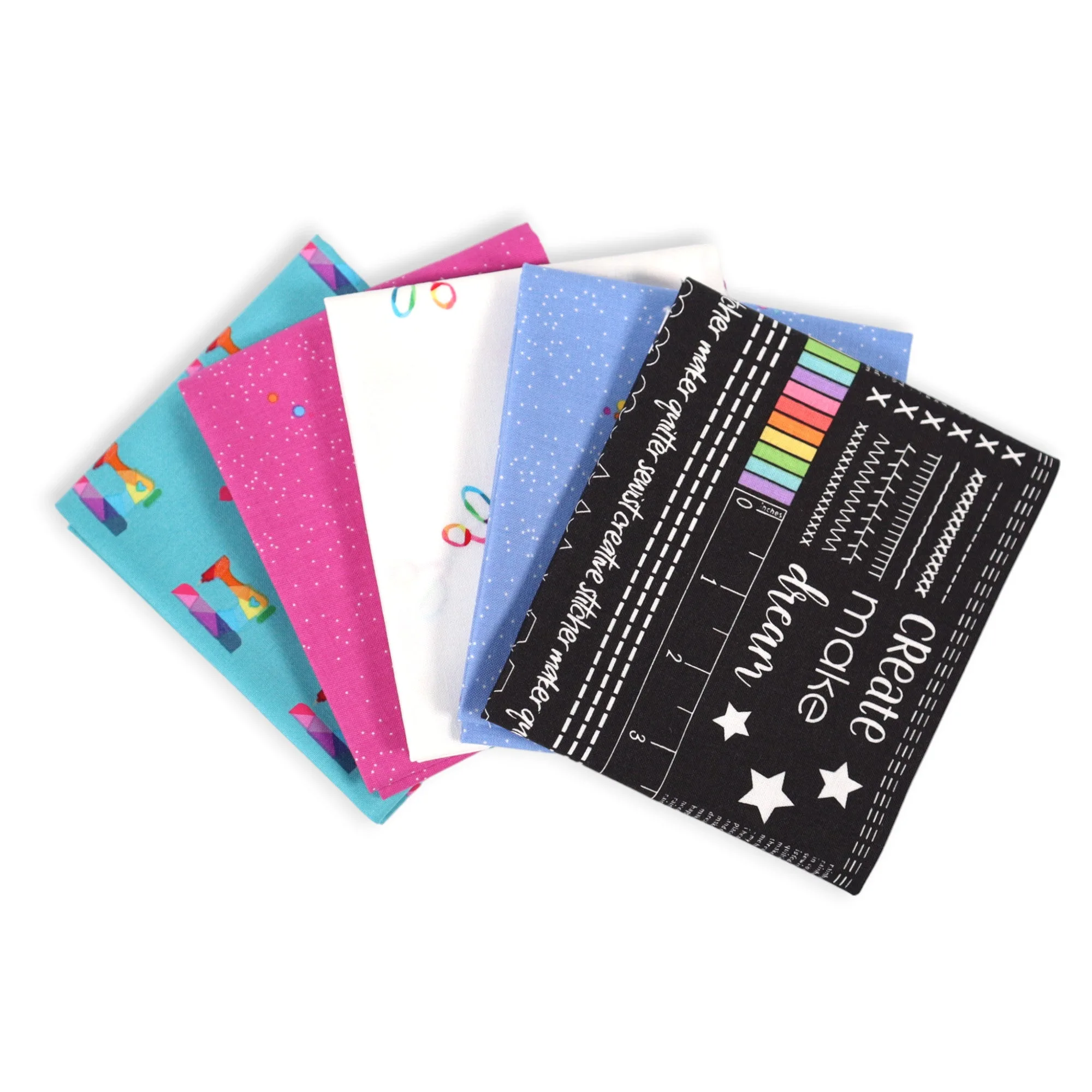
- Make (5) Piece Fat Quarter Bundle: Each piece is approximately 18" x 22". Washing instructions: Machine Wash Cold/Tumble Dry Low. Fat quarters can be pre-washed, but they fray easily. Place them in a mesh bag or zigzag the edges before washing. The care instructions are the same as for the solid fabrics, so you can wash them together if colors are similar.
Pre-washing fabric is a tool, not a rule. Use it when shrinkage, color bleeding, or factory finishes could affect your finished project. Skip it when those risks do not matter. By understanding the myths and facts, you can make a confident choice for every fabric you sew.