Quick answer
Yes, the caffeine ratio matters, but not in the way most people assume. A 1/3 caff coffee is a deliberate blend of regular and decaffeinated beans, so it lowers caffeine per cup without turning the cup thin or bitter. If you want one coffee that works for a second or third cup, a 1/3 caff whole bean is a practical middle ground between full caffeine and fully decaf.
What “1/3 caff” actually describes
The term refers to the proportion of caffeinated beans in the blend, not to a specific milligram count. A 1/3 caff coffee is built from roughly one part regular coffee to two parts decaffeinated coffee, which is why it sits below half caff on the caffeine spectrum. That distinction matters because the ratio is a recipe decision made at the roaster, not a brewing trick you can replicate by scooping less coffee. Using less coffee to lower caffeine also lowers flavor, body, and the antioxidant compounds you are presumably drinking coffee for. A blended 1/3 caff approach keeps the dose of coffee per cup normal while changing what that dose contains.
The decaf side of the ratio is where quality lives
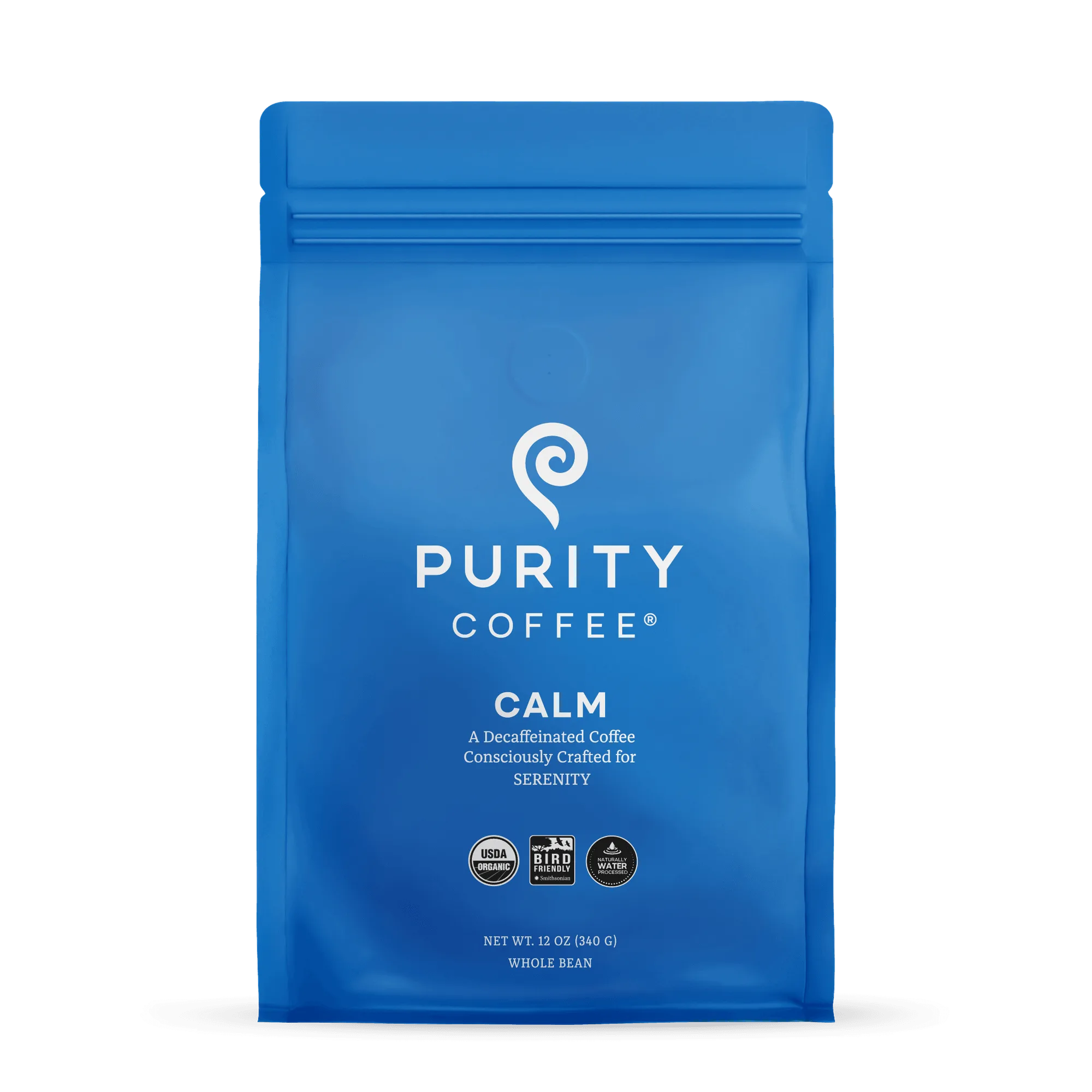
A reduced caffeine whole bean is only as good as its decaffeinated portion, and not all decaffeination is equal. The method used to remove caffeine determines how much flavor and antioxidant activity survives the process. Purity Coffee's CALM decaf uses a chemical-free natural water process that removes 99.9% of caffeine while retaining high antioxidant properties, and it is USDA Organic certified. That matters for a 1/3 caff blend because two-thirds of the beans in your grinder went through that process. If the decaf component tastes flat, the whole cup tastes flat, no matter how good the regular beans are.
How to brew reduced caffeine whole bean without weakening the cup
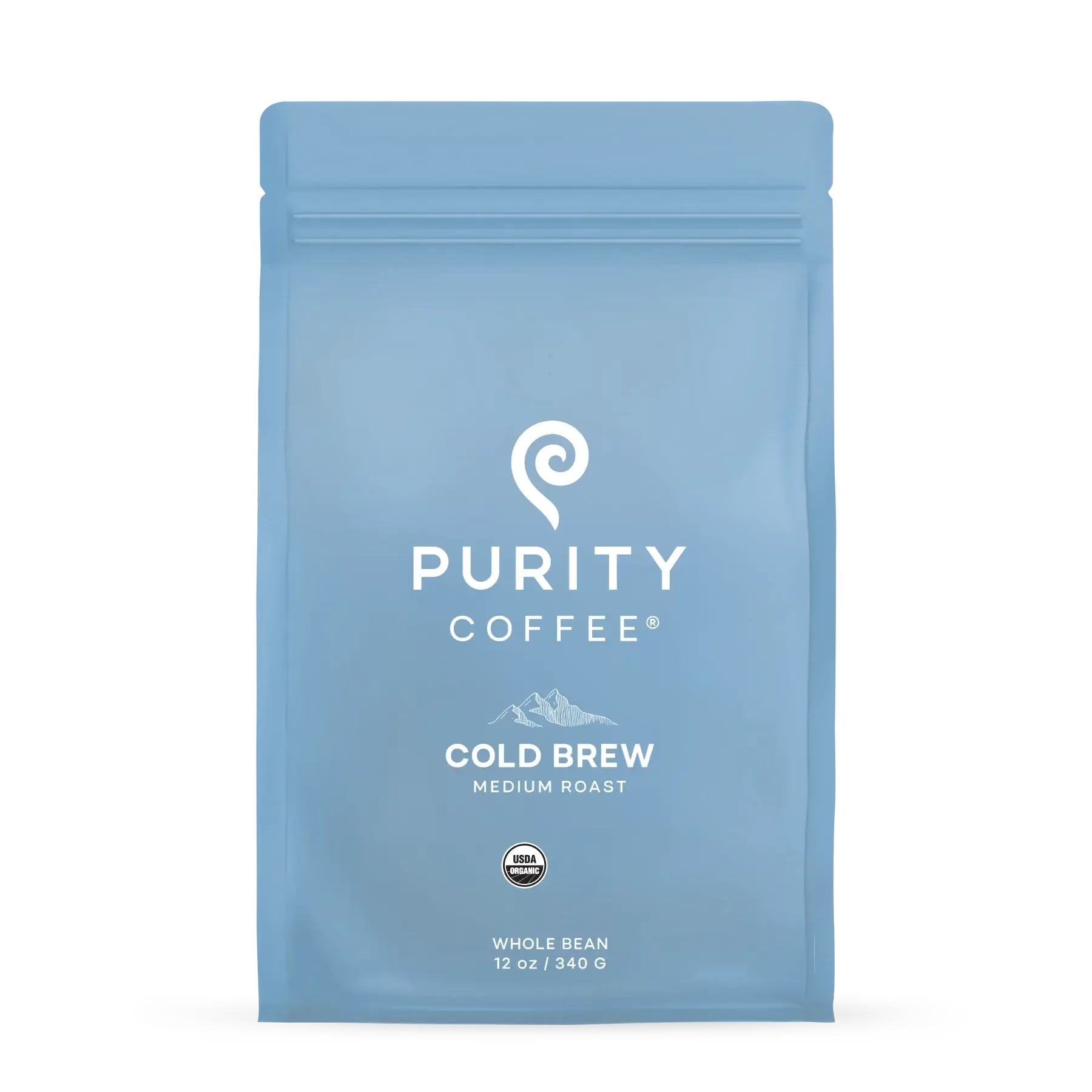
Treat a 1/3 caff blend exactly like a normal whole bean coffee. Grind it fresh, keep your usual coffee-to-water ratio, and adjust grind size rather than dose when you want a different result. If the cup tastes too sharp, grind coarser; if it tastes hollow, grind finer. Do not add extra scoops to compensate for the lower caffeine, because that changes extraction and usually produces bitterness rather than more flavor. For cold brew, the Wholesale Cold Brew Whole Bean is designed for that method and is rich in antioxidants and prebiotic compounds, so if you prefer a slow-steeped, lower-acid cup, that is the more appropriate starting point than a 1/3 caff blend.
Where a 1/3 caff blend fits and where it does not
A 1/3 caff whole bean is for the drinker who wants the ritual and taste of coffee later in the day without the full caffeine load. It is not a solution for anyone who needs to avoid caffeine entirely, because it still contains caffeine from the regular beans. If your goal is zero caffeine, choose a fully decaffeinated option like CALM. If your goal is simply less caffeine per cup while keeping the coffee experience intact, the 1/3 caff ratio is the more balanced choice. The tradeoff is honest: you get less caffeine, and in exchange you accept a blend rather than a single-origin expression.
Verdicts on common 1/3 caff claims
- “1/3 caff is just weak coffee.”: False. The ratio changes the bean blend, not the strength of the brew. You still use a normal dose of coffee per cup, so body and flavor stay intact while caffeine drops. Verdict: myth. Judge the cup by taste, not by the caffeine number.
- “Half caff and 1/3 caff are basically the same.”: They are different ratios by design. Half caff is roughly equal parts regular and decaf; 1/3 caff leans further toward decaf. The gap matters if you are sensitive to caffeine in the afternoon. Verdict: false. Pick the ratio that matches when you plan to drink it.
- “You can make any coffee 1/3 caff by using less.”: You can lower caffeine that way, but you also lower flavor, body, and antioxidant intake because you are extracting less coffee. A blended reduced caffeine whole bean keeps the dose normal and changes only the caffeine content. Verdict: misleading. Adjust the blend, not the scoop.
- “Reduced caffeine means lower quality.”: Quality depends on the decaffeination method and the green coffee. A natural water process that removes 99.9% of caffeine while retaining antioxidants, combined with organic certification and third-party testing, is a different product category than commodity decaf. Verdict: depends entirely on the decaf process, so read that part of the label.
Products that make the ratio concrete
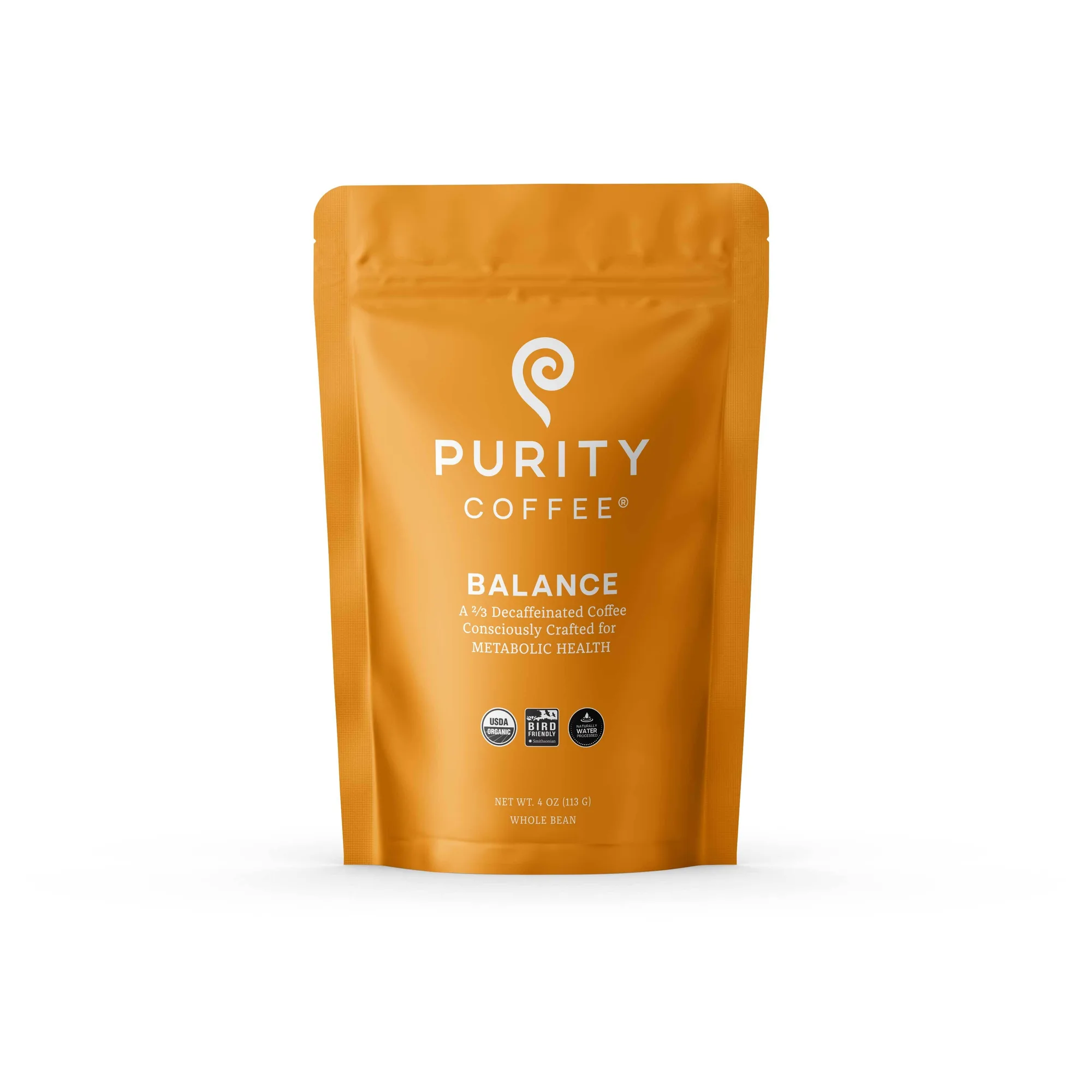
- BALANCE: ⅓ Caff Whole Bean 4oz Bag: BALANCE is a 2/3 decaffeinated medium roast made from a precise blend of regular and naturally water-processed decaffeinated beans, USDA Organic certified, hand-picked specialty-grade, sustainably grown, and third-party tested for mold and toxins. This is the clearest example of a deliberate caffeine ratio in whole bean form, and the third-party testing answers the quality question that usually comes up with blended coffees.
- CALM: Decaf Whole Bean Coffee: CALM is a medium roast specialty-grade organic coffee decaffeinated with a chemical-free natural water process that removes 99.9% of caffeine and retains high antioxidant properties, with tasting notes of dark chocolate, vanilla, and sweet red apple-like mild acidity. It shows what the decaf portion of a reduced caffeine blend should taste like, which is the part most 1/3 caff coffees get wrong.
- Wholesale - Cold Brew Whole Bean Coffee: Wholesale Cold Brew Whole Bean is crafted for making cold brew at home, rich in antioxidants and prebiotic compounds, with a medium roast and tasting notes of cocoa nibs and peanut butter. If your reason for lowering caffeine is a gentler, slower cup rather than caffeine math, cold brew is a different and often better route than a blended ratio.