Quick answer
Dish soap does not kill germs. It removes grease, food residue, and many germs by lifting them off a surface so they can be rinsed away, but it is not a disinfectant and does not sanitize. If you need to reduce germs on a surface, use a product labeled as a disinfectant or sanitizer after cleaning. For everyday grease and grime, dish soap is the right tool.
The claim: dish soap kills germs
This is one of the most common dish soap cleaning myths. Dish soap is designed to break down grease and lift food particles, not to kill microorganisms. When you wash dishes with dish soap and warm water, you are physically removing germs along with the grease and residue they cling to. That removal is valuable, but it is not the same as killing germs. A product that kills germs is a disinfectant; a product that reduces germs to a safe level is a sanitizer. Dish soap is neither unless it specifically carries that claim on the label.
The claim: dish soap sanitizes surfaces
Dish soap does not sanitize surfaces. Sanitizing requires a product that is formulated and labeled to reduce bacteria to a level considered safe by public health standards. Dish soap removes visible soil and many germs, but it does not meet the definition of a sanitizer. For kitchen counters, bathroom sinks, or high-touch areas, you need a cleaner that is intended for that job. If you use dish soap on a surface, you are cleaning, not sanitizing.
The claim: dish soap is antibacterial
Regular dish soap is not antibacterial. Some dish soaps may contain antibacterial ingredients, but unless the label says 'antibacterial' or lists an active ingredient, you should assume it is not. Even antibacterial dish soaps are not necessarily meant for surfaces; they are formulated for dishwashing. For hands, follow the label. For surfaces, use a product designed for surface cleaning. If you are unsure, check the label for claims like 'kills 99.9% of bacteria' or 'disinfects'—those are the words that matter.
When dish soap is the right choice
Dish soap excels at grease removal. It is the best choice for washing dishes, utensils, pots, and pans. It also works well for spot-treating grease stains on clothing or removing greasy fingerprints from small areas. When you are traveling, a mini dish soap can be a practical way to keep dishes clean in a camper, tent, vacation rental, or hotel room. The key is to match the product to the task: use dish soap for grease and food residue, and use a surface cleaner for general cleaning of counters and other surfaces.
When to use a surface cleaner instead
For everyday cleaning of counters, tables, and other hard surfaces, a multipurpose surface cleaner is the better tool. It is formulated to clean grime without the suds and residue that dish soap can leave behind. A surface cleaner is also more convenient for quick wipe-downs. If you need to disinfect or sanitize, choose a product labeled for that purpose. Keep in mind that cleaning and disinfecting are two steps: clean first to remove soil, then apply a disinfectant according to its label instructions.
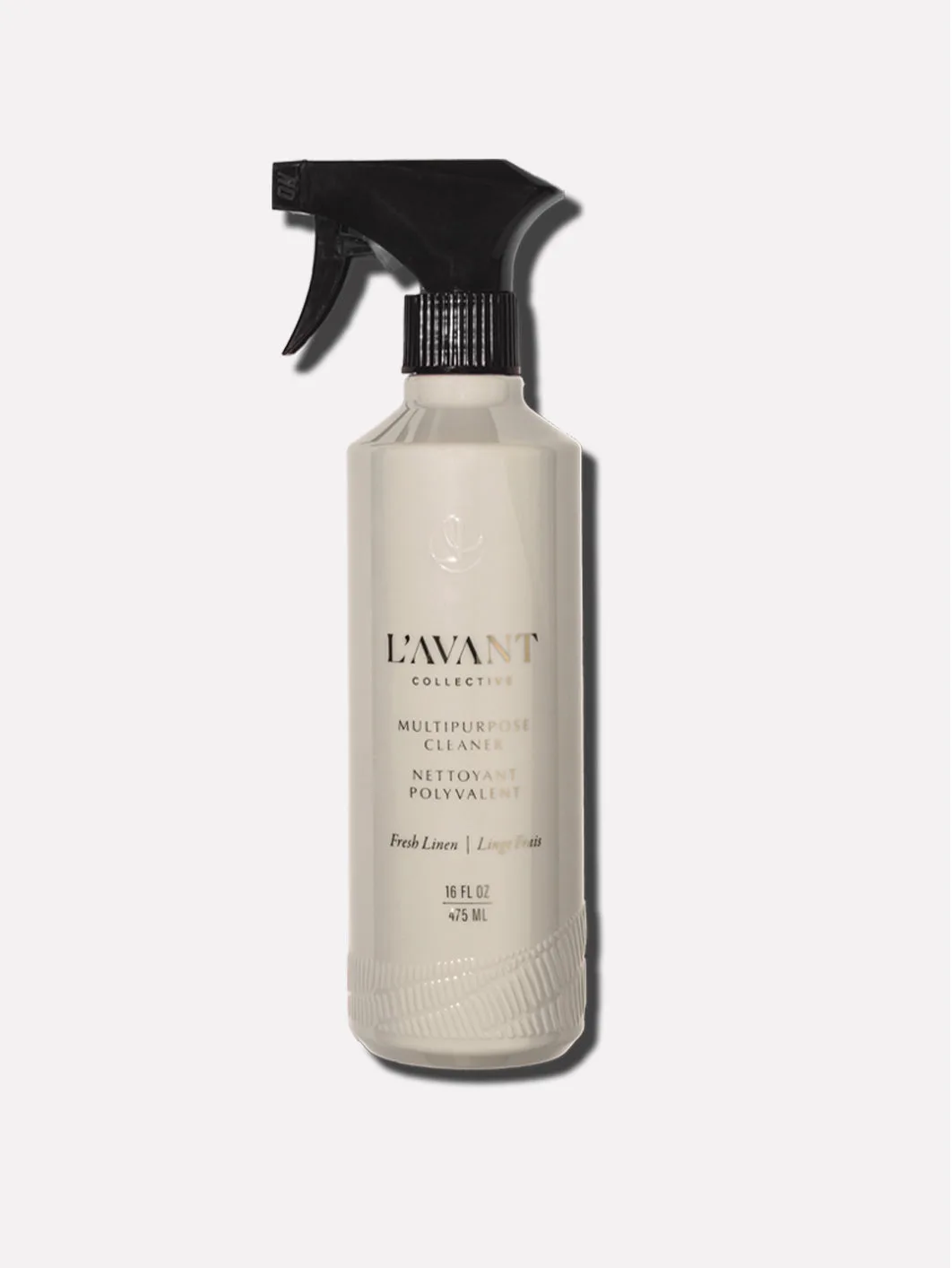
multipurpose surface cleaner
Travel and on-the-go cleaning
When you are away from home, you may not have access to a full cleaning kit. A mini travel multipurpose cleaner can handle surfaces in a hotel room, rental, or car, while a mini dish soap takes care of dishes and utensils. Both are small enough to fit in a bag, so you can clean as needed without carrying full-size bottles. Remember that neither product disinfects; if you need to sanitize a surface while traveling, pack a disinfectant wipe or spray that is labeled for that purpose.
Verdicts on common dish soap claims
- Dish soap kills germs: Dish soap removes germs by lifting them off surfaces along with grease and grime, but it does not kill them. It is not a disinfectant. Verdict: False. Use a disinfectant if you need to kill germs.
- Dish soap sanitizes surfaces: Sanitizing requires a product labeled as a sanitizer. Dish soap cleans but does not sanitize. Verdict: False. Choose a sanitizer for surfaces that need sanitizing.
- Dish soap is antibacterial: Unless the label specifically says 'antibacterial' or lists an active ingredient, assume it is not. Even then, it is intended for dishes, not surfaces. Verdict: Only if labeled. Check the label before relying on it.
- Dish soap is good for grease removal: Dish soap is formulated to break down grease and food residue, making it the right choice for washing dishes and spot-treating grease stains. Verdict: True. Use dish soap for grease, not for disinfecting.
- Dish soap can replace a surface cleaner: Dish soap can clean some surfaces, but it may leave residue and is not formulated for general surface cleaning. A multipurpose cleaner is better for counters and similar surfaces. Verdict: Not ideal. Use a surface cleaner for everyday surface cleaning.
Products mentioned
- Mini Travel Dish Soap: Mini Travel Dish Soap is a 2oz, on-the-go size for keeping dishes and utensils clean while camping, in a vacation rental, or in a hotel room. Lets you wash dishes with dish soap even when you are away from home, so you can remove grease and food residue without packing a full-size bottle.
- Mini Travel Multipurpose Cleaner: Mini Travel Multipurpose Cleaner is a 2oz bottle of multipurpose surface cleaner that fits in your bag for wiping down surfaces while away from home. Gives you a dedicated surface cleaner for counters and other hard surfaces when traveling, so you do not have to rely on dish soap for general cleaning.
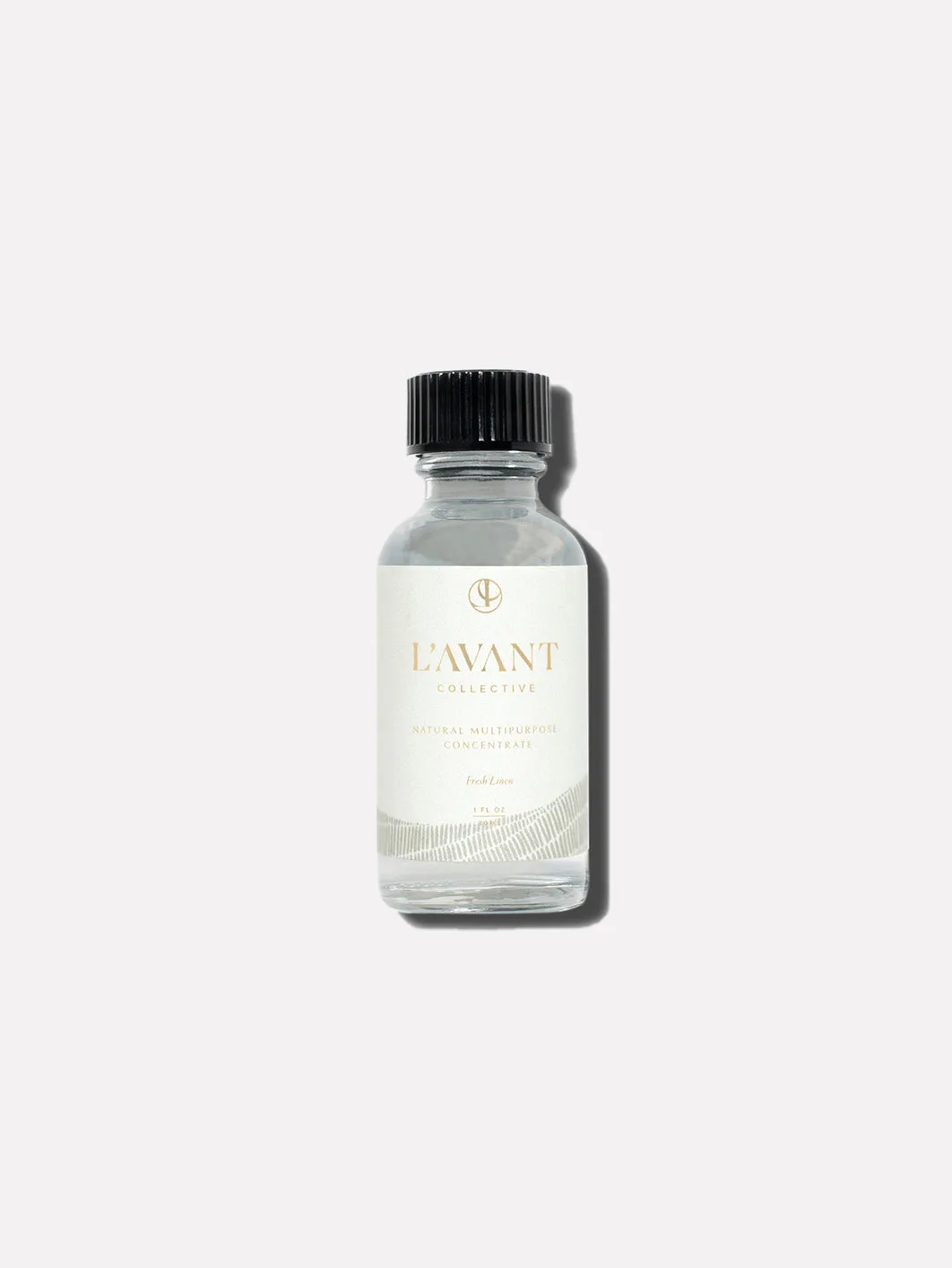
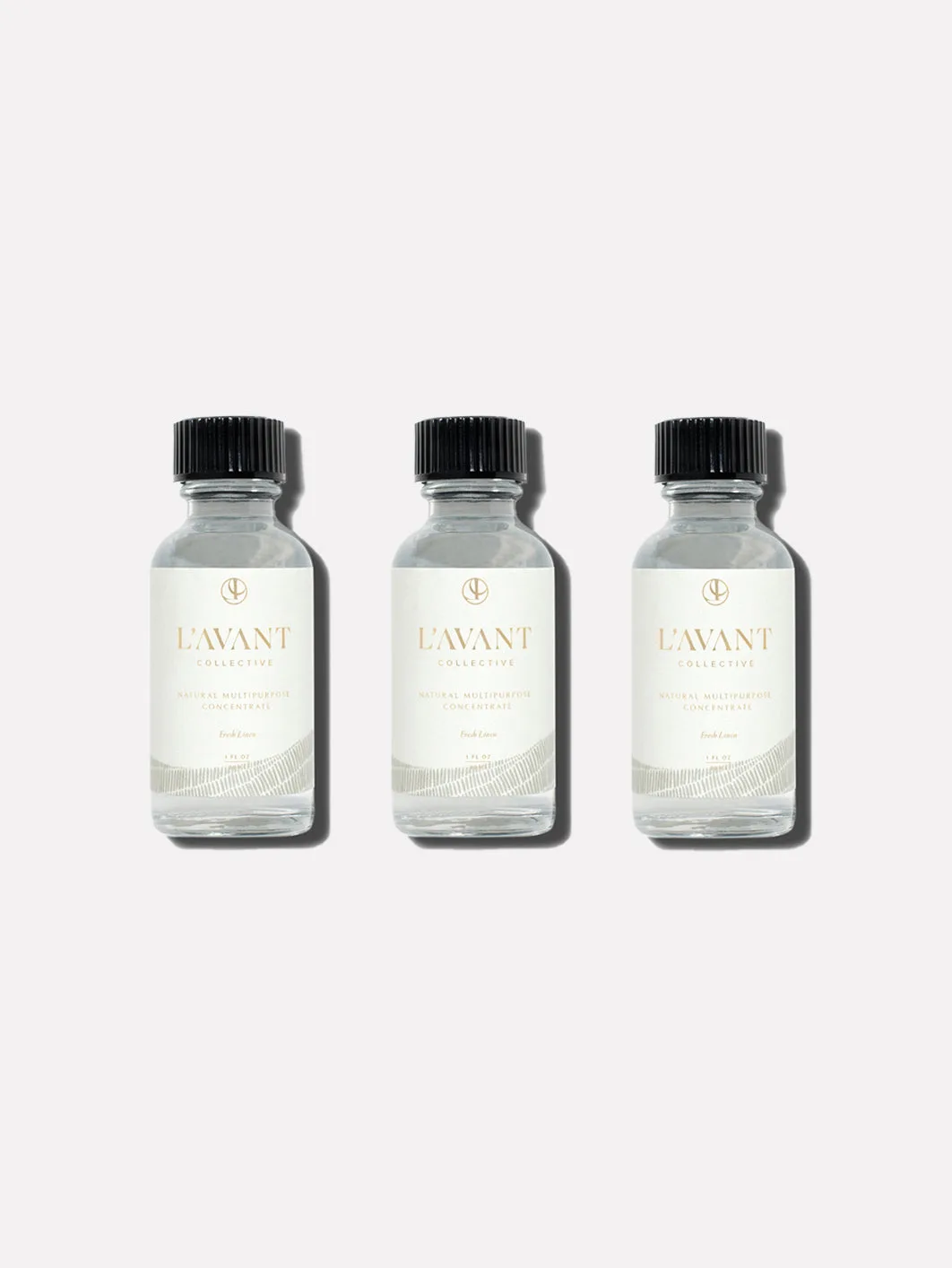
- Multipurpose Surface Cleaner Refill: Multipurpose Surface Cleaner Refill is a 1 oz. eco-luxe glass bottle of concentrate that refills your L’AVANT spray bottle. Makes it easy to keep a surface cleaner on hand at home while reducing plastic waste compared to buying a new spray bottle each time.