Quick answer
Dry shampoo can cause buildup if you use it too often without washing or clarifying your scalp. The real problem isn't the product itself — it's skipping regular shampoo sessions and letting powder and oil accumulate. Use dry shampoo as a between-wash refresher, not a replacement for washing, and you'll avoid most residue issues.
Why dry shampoo residue happens (and when it's actually a problem)
Dry shampoo works by absorbing excess oil, sweat, and impurities with powders like rice starch, bamboo, and lotus. Those particles don't disappear — they sit on your scalp and hair until you wash them out. If you keep spraying day after day without a real wash, that powder mixes with sebum and dead skin cells, creating the dull, gritty feeling people call buildup. The fix isn't to swear off dry shampoo; it's to treat it as a temporary refresh and wash your hair on a normal schedule. If you have an oily scalp, you may need to wash more often than someone with dry hair, but the principle is the same: dry shampoo buys you time, it doesn't erase the need for cleansing.
How often is too often? A practical schedule
There's no universal number, but a safe rule is to use dry shampoo no more than two or three times between regular washes. If you're spraying daily for a week straight, you're in buildup territory. Pay attention to your scalp: if it feels itchy, looks flaky, or your hair feels stiff at the roots, that's your cue to wash and clarify. For most people, a once- or twice-weekly wash with dry shampoo touch-ups in between keeps both hair and scalp in good shape. If you work out or sweat heavily, you'll want to wash sooner — dry shampoo can absorb sweat, but it can't replace the clean feeling of a full wash.
How to remove dry shampoo residue without stripping your hair
When it's time to wash, start with a gentle shampoo and focus on your scalp, not just your strands. Massage with your fingertips to lift powder and oil, then rinse thoroughly. Once every week or two, use a clarifying shampoo or a diluted apple cider vinegar rinse to dissolve stubborn residue. If you have color-treated hair, choose a clarifying product labeled safe for color, and follow with a moisturizing conditioner to restore softness. Avoid scratching your scalp with nails — use pads of your fingers to prevent irritation. After washing, let your hair air-dry or use a low heat setting to avoid compounding stress on your strands.
Myth: dry shampoo is bad for scalp health
Dry shampoo itself isn't inherently harmful. The issue is misuse — leaving it on for days, piling on more without brushing out the old layer, or never washing. As long as you cleanse regularly and give your scalp a break, dry shampoo can be a helpful tool. If you notice persistent flaking, redness, or itching, stop using it and see a dermatologist; those could be signs of an underlying condition, not just product buildup.
Myth vs. fact: dry shampoo and buildup
- Myth: Dry shampoo causes buildup no matter what.: Buildup happens when you don't wash regularly. Dry shampoo powders sit on the scalp until shampooed out; if you keep layering without washing, residue accumulates. Verdict: False. Use it between washes, not as a permanent replacement.
- Myth: You can use dry shampoo indefinitely without washing.: Dry shampoo absorbs oil and sweat, but it doesn't clean the scalp. Over time, dead skin cells and product build up, leading to itch and dullness. Verdict: False. Wash at least every 2–3 days, or sooner if you sweat.
- Myth: Clarifying shampoo is too harsh for color-treated hair.: Many clarifying shampoos are formulated to be safe for color-treated hair. Look for labels that say color-safe. Verdict: False. Clarify once a week or every two weeks to remove residue.
Dry shampoos that absorb oil without heavy residue
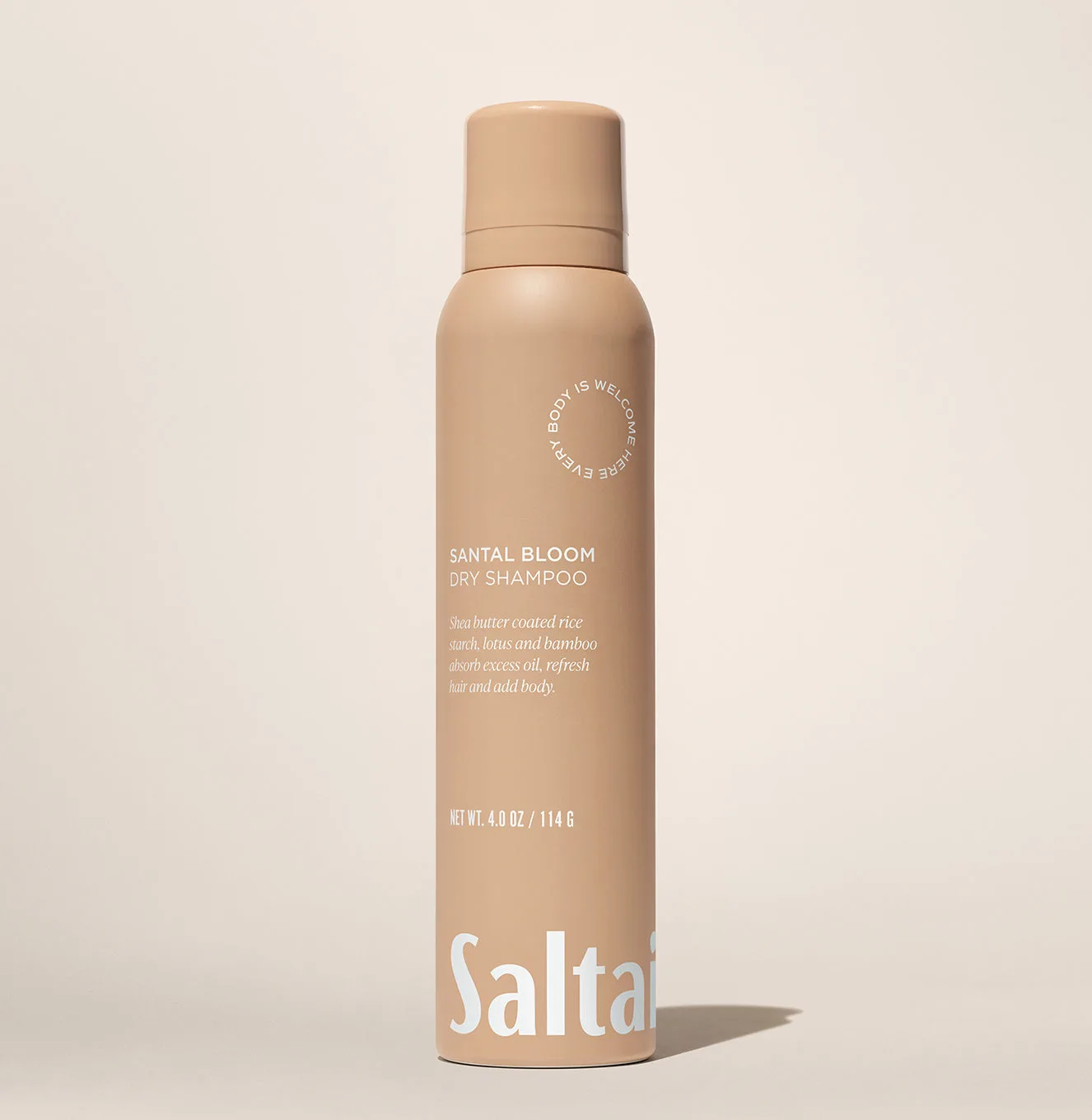
- Santal Bloom - Dry Shampoo: Formulated with a fast-absorbing powder blend of shea butter coated rice starch, bamboo and lotus that absorb excess oil, sweat and impurities while adding volume and bounce. The powder blend is designed to absorb quickly, so you can spray, wait a minute, and brush out — less chance of visible residue if you don't overapply.
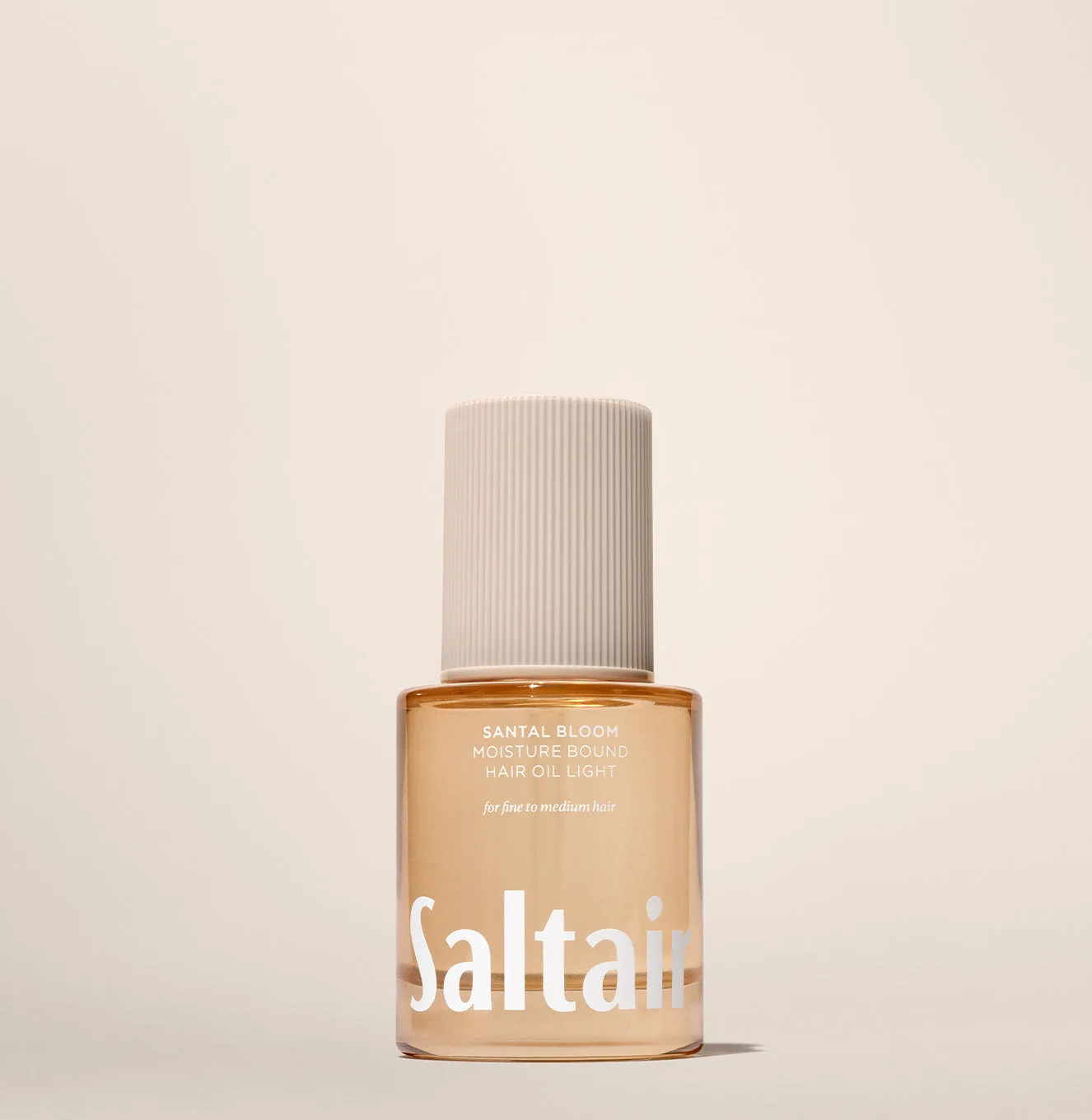
- Moisture Bound - Hair Oil Light: Lightweight hair oil developed for fine to medium hair, formulated with a replenishing blend of omega-rich and fermented oils to add weightless hydration, boost shine and tame frizz while preserving hair color. If your ends feel dry after clarifying, a few drops of this oil can restore softness without weighing down fine hair — just keep it away from your roots.