The Short Answer: It Depends on What You Mean by 'Energy'
When someone asks 'does energy tea work?' they usually mean one of two things: Will this cup wake me up like coffee? Or will it give me sustained energy without the crash? The answer is different for each question, and it hinges on what's actually in the blend.
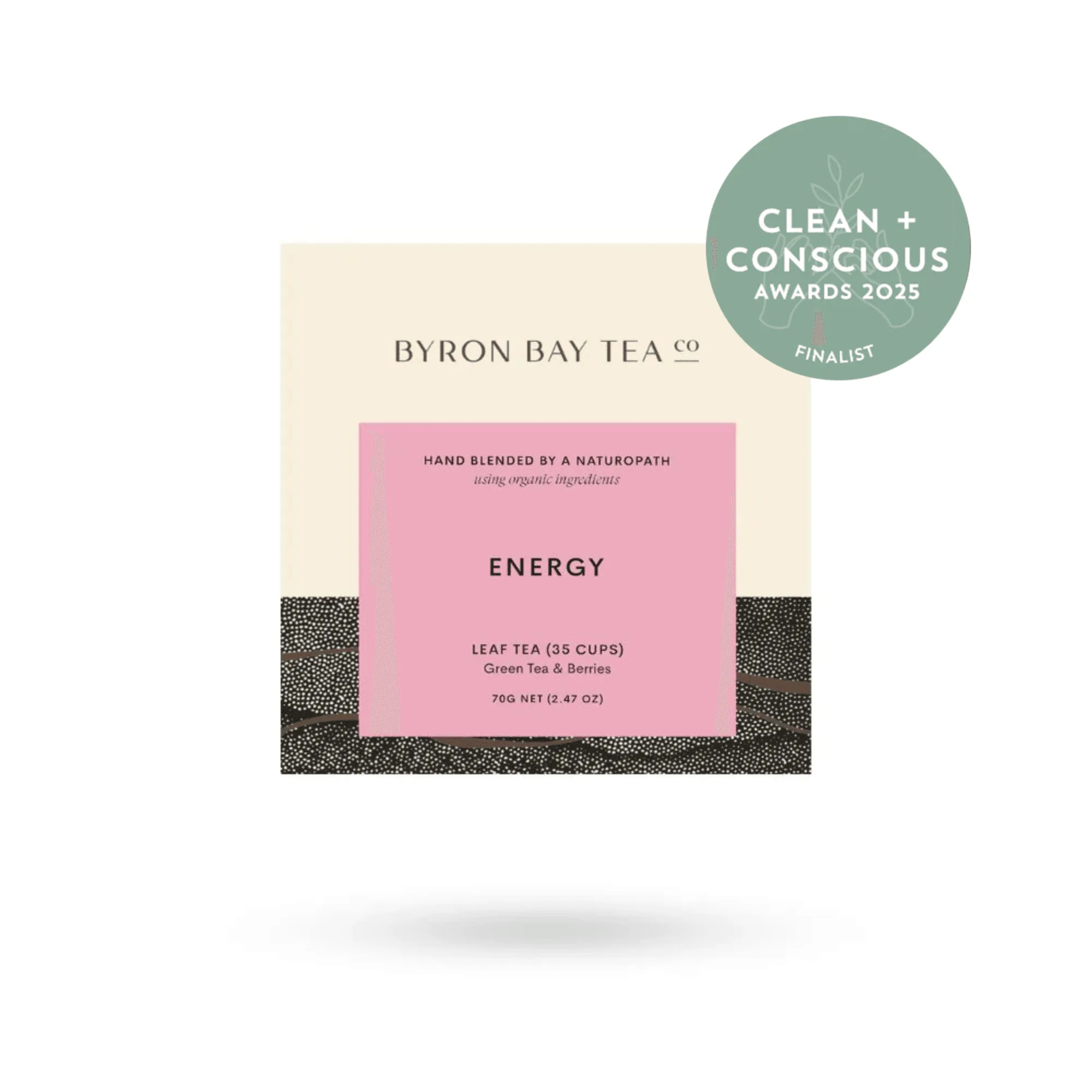
Energy Loose Leaf Tea from Byron Bay Tea Company is built on green tea, Siberian ginseng, gotu kola, and mixed berries. That combination tells you a lot about what to expect—and what not to.
What's Actually in the Blend
-
Energy Loose Leaf Tea: Green Tea, Siberian Ginseng, Gotu Kola, and mixed berries. Green tea is the only ingredient here with a well-known caffeine content, so it's the main driver of any stimulant effect. The herbs and berries contribute flavor and tradition, not a guaranteed jolt.
Energy Loose Leaf Tea
Three Energy Tea Myths Worth Retiring
- Myth: Herbal energy teas are caffeine-free but still wake you up: Herbal ingredients like Siberian ginseng and gotu kola have long histories in traditional practice, but the supplied product information does not confirm any stimulant effect from them. If you're sensitive to caffeine, the green tea base is the part to pay attention to—not the herbs.
- Myth: Energy tea is just coffee in a cup: The catalog describes Energy Loose Leaf Tea as 'a healthy alternative to coffee,' but it doesn't provide a caffeine quantity. Green tea typically contains less caffeine than coffee, though the exact amount depends on how you brew it. Treat it as a gentler option, not a like-for-like swap.
- Myth: Yerba mate is in every energy tea: Yerba mate is a popular energy tea ingredient, but it is not listed in this blend. If you're specifically looking for yerba mate tea energy, this isn't that product. The supplied record lists green tea, Siberian ginseng, gotu kola, and mixed berries—nothing more.
What the Caffeine Question Really Comes Down To
The catalog doesn't state a caffeine content for Energy Loose Leaf Tea, and that's a meaningful gap if you're watching your intake. Green tea contains caffeine, but the amount in your cup depends on the leaf-to-water ratio, water temperature, and steeping time—none of which are specified in the supplied product information.
That means you can't calculate an exact dose from the label alone. What you can do is start with a conservative brew, pay attention to how you feel, and adjust from there. If you're pregnant, nursing, or sensitive to caffeine, talk to your healthcare provider before relying on any caffeinated tea for energy.
What the Catalog Claims—and What It Doesn't
- Energy Loose Leaf Tea: The catalog describes the blend as supporting 'increased energy, endurance, and mental clarity.' These are marketing claims, not clinical outcomes. They're worth reading as positioning—what the blend is designed to do—rather than as guaranteed results. The supplied information does not include studies or test data backing them.
- Energy Loose Leaf Tea: The catalog calls it 'perfect for morning pick-me-ups, afternoon inspiration, or evening energy boosts.' Evening use is worth a second thought if you're caffeine-sensitive, since the green tea base is the same at any hour. The catalog doesn't specify a caffeine level, so test your own tolerance before making it a nightly habit.
How to Judge Whether It's Working for You
Rather than asking whether energy tea 'works' in the abstract, track your own response over a week. Note when you drink it, how much you use, and whether you notice a difference in alertness or a crash afterward. Because the caffeine content isn't specified, your own observations are the most reliable data you have.
If you're replacing coffee, compare like with like: same time of day, similar volume, and a consistent brew. If you feel jittery, use less leaf or a shorter steep next time. If you feel nothing, the blend may simply be milder than your usual coffee—which is the point of a gentler alternative, not a failure.
Sizes and What They Mean for Testing
If you're unsure whether the blend suits you, the smallest format is the sensible starting point. The larger refill bags only make sense once you know you like the taste and the effect.
- Tea Box (24 serves) 70g: A low-commitment way to try the blend and see how you respond before buying a larger bag.
- Medium Tea Refill Bag (73.5 serves) 210g: Suited to a daily habit once you've confirmed the tea fits your routine.
- Large Tea Refill Bag (147 serves) 420g: Best for households or workplaces where multiple people drink it regularly.
What the Product Information Doesn't Settle
The supplied record doesn't include brewing instructions, a caffeine quantity, allergen statements, or storage guidance. That's not proof these details don't exist elsewhere—it simply means they aren't confirmed here. If any of those matter to you, check the packaging or contact the company before you buy.
What the record does confirm is the ingredient list and the size options. On the evidence available, Energy Loose Leaf Tea is a green-tea-based blend with traditional herbs and berries, positioned as a gentler alternative to coffee. Whether it gives you a lift is something you'll have to test in your own cup.