Quick answer
Organic Essiac Blend is a traditional herbal tea with a long history of use for general wellness, but its immune support benefits are based on anecdotal use rather than modern clinical studies. It can be a soothing, caffeine-free addition to your routine, especially when paired with other botanicals like Organic Nettle Leaf or Olive Leaf.
What makes Essiac different from other immune botanicals?
Essiac's formula—burdock root, sheep sorrel, slippery elm bark, and rhubarb root—comes from Ojibwa tradition and was popularized by nurse Rene Caisse in the 1920s. Unlike single-herb teas such as Nettle or Olive Leaf, Essiac is a blend designed for synergy. The earthy, slightly bitter taste reflects its roots in traditional medicine, not modern flavor engineering.
If you're comparing it to other immune-supporting botanicals, note that Nettle provides a different set of nutrients (like histamine-related compounds that may support seasonal comfort) while Olive Leaf offers antioxidants and vitamin C. Essiac's strength is its traditional reputation, not a specific nutrient profile.
Are there any downsides to using Essiac regularly?
Because Essiac contains rhubarb root, which has a mild laxative effect, some people may experience digestive upset if they drink large amounts. Start with one cup daily and see how your body responds. Also, since the herbs are potent, the taste can be off-putting if you're used to sweeter teas—consider blending it with a milder botanical like Olive Leaf.
Another trade-off: there's limited modern research on Essiac's immune effects. If you need evidence-based immune support, you might prefer botanicals with more documented antioxidant profiles, like Olive Leaf. Essiac is best seen as a traditional wellness ritual, not a clinically proven supplement.
Frequently asked questions about Essiac and immune support
Does Essiac actually boost your immune system?
There is no modern clinical evidence proving Essiac directly boosts immunity. Its reputation comes from traditional use and anecdotal reports. It may support overall wellness as part of a healthy lifestyle, but don't rely on it as a sole immune defense.
How should I brew Essiac for best results?
Use 1 teaspoon of loose leaf per 8 oz of water at 200°F (just off boiling). Steep for 5-7 minutes. The earthy flavor is strong, so you can add a slice of lemon or a teaspoon of honey. Start with one cup daily and increase slowly if desired. Start with one cup daily and pay attention to how your digestion responds.
Can I mix Essiac with other botanicals like Nettle or Olive Leaf?
Yes. Essiac's strong earthy taste pairs well with milder Olive Leaf, which adds a touch of sweetness and extra antioxidants. Nettle can be blended in smaller amounts for a more complex flavor. Mixing is a great way to customize your immune support ritual.
Is Essiac safe for daily use?
For most people, yes, in moderate amounts (1-2 cups per day). Because of the rhubarb root, those with sensitive stomachs or who are pregnant should consult a healthcare provider before regular use. It is caffeine-free, so it won't interfere with sleep. If you have a sensitive stomach, start with a smaller amount and monitor your reaction.
Botanicals mentioned in this article
-
Organic Essiac Blend - Loose Leaf Botanical: Essiac Blend is a mix of four traditional herbs (burdock root, sheep sorrel, slippery elm bark, rhubarb root) used to promote overall health, with origins in Ojibwa tradition. This traditional blend offers a caffeine-free, earthy tea option for those interested in herbal wellness rituals, but its immune claims are anecdotal rather than clinically proven.
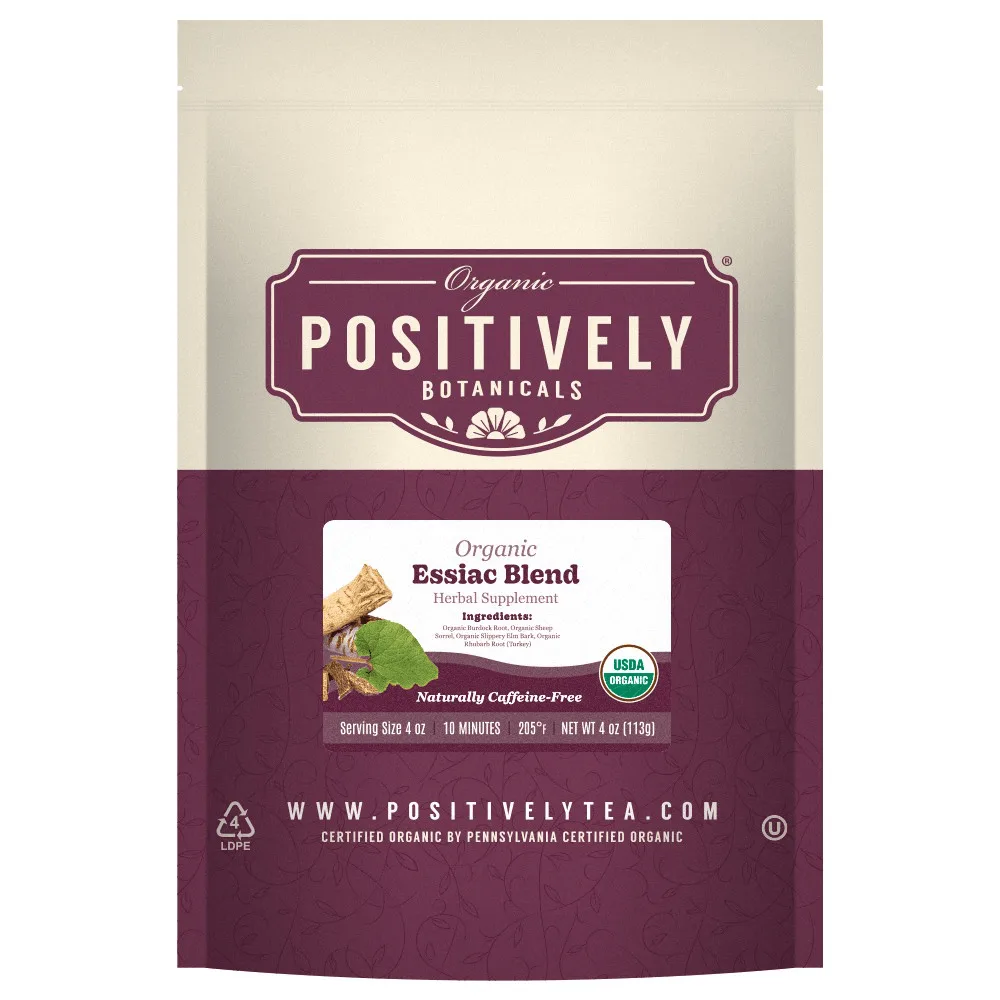
Organic Essiac Blend - Loose Leaf Botanical
-
Organic Nettle Leaf - Loose Leaf Botanical: Nettle Leaf (Urtica dioica) is an herbaceous perennial that, when dried or cooked, loses its stinging properties and is used for its potential anti-inflammatory and seasonal comfort benefits. If you're looking for a botanical with a different mechanism—potentially supporting seasonal allergies—Nettle offers a distinct alternative to Essiac.
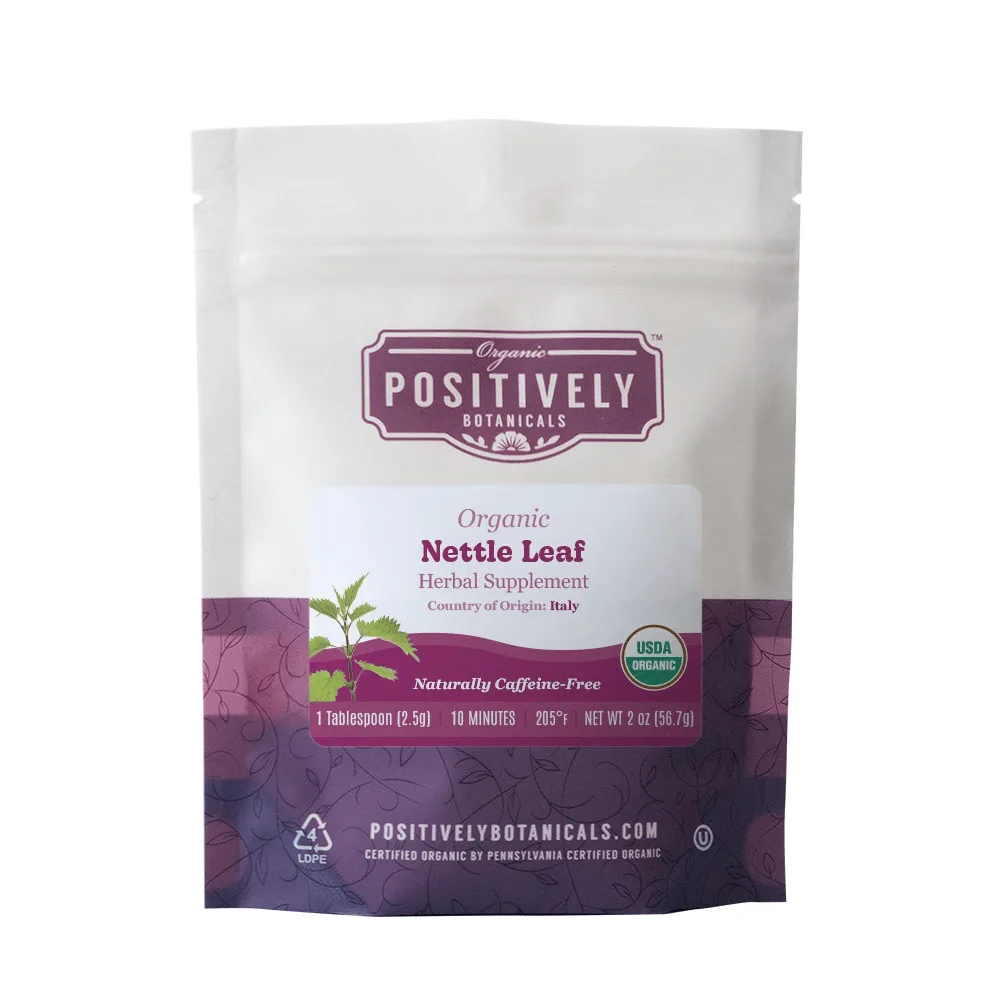
Organic Nettle Leaf - Loose Leaf Botanical
-
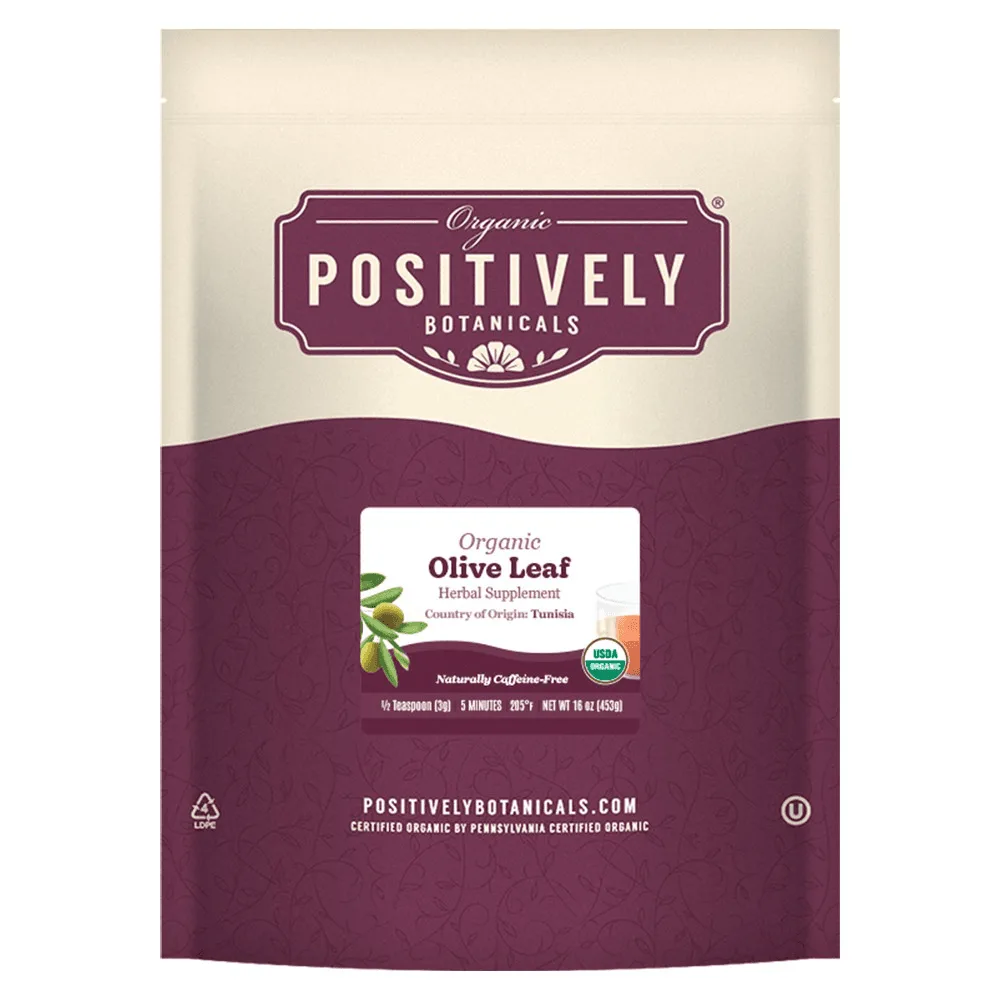
Organic Olive Leaf - Loose Leaf Botanical: Olive Leaf has been used for thousands of years for antiviral and antibacterial properties, contains Vitamin C, and is a caffeine-free alternative to green tea. Olive Leaf provides a more research-backed antioxidant profile and a milder flavor, making it a good daily immune-support tea if Essiac's taste or effects are too strong.