Quick answer
No. Shapewear only has to be uncomfortable when the size, rise, or fabric is wrong for your body and your day. A piece that fits your measurements, sits where it should, and uses breathable materials can feel supportive rather than restrictive. If you feel pinching, rolling, or heat buildup, treat it as a fit signal, not a fact of life.
Shapewear has a reputation problem. Many people assume that smoothing means squeezing, and that any piece worth wearing will leave marks, dig in, or feel hot by lunchtime. That belief gets repeated so often that it starts to sound like a rule.
It isn't a rule. Most discomfort comes from a mismatch between the garment and the body wearing it, or between the garment and the outfit it's meant to serve. Below, we take five common comfort myths and give each a straight verdict, using real construction details and fit logic rather than vague promises.
Myth 1: Shapewear has to feel tight to work
Tightness is not the same as shaping. A garment shapes by distributing tension across a wide, stable area, not by concentrating pressure in one spot. When a piece is too small, the fabric can't lie flat, so it rolls at the waist, cuts into the hip, or bunches under clothing. That's a size problem, not proof that shaping requires pain.
The better test is whether the garment stays put when you move. A well-fitted piece should feel snug at the opening and smooth across the body, without leaving deep red marks after an hour. If you're between sizes, sizing up often gives you more smoothing because the fabric can do its job without fighting your body.
- Check for rolling at the waistband or leg openings; that usually means the size or rise is off.
- Put shapewear on before you're fully dressed so you can adjust it against bare skin.
Myth 2: Breathable shapewear can't smooth well
Breathability and shaping are separate jobs done by different parts of the garment. The shaping comes from the cut and the stretch structure; the comfort comes from the fabric blend and how it manages moisture. A piece can do both if the fabric is chosen for it.
For example, the Smooth Comfort Shaping Panty 25 uses a nylon-cotton blend jersey described as cool-touch, sweat-absorbing, and quick-drying, while still wrapping securely from waist to hips. That combination is what you want for warm days or long wear: structure where you need it, airflow where you don't.
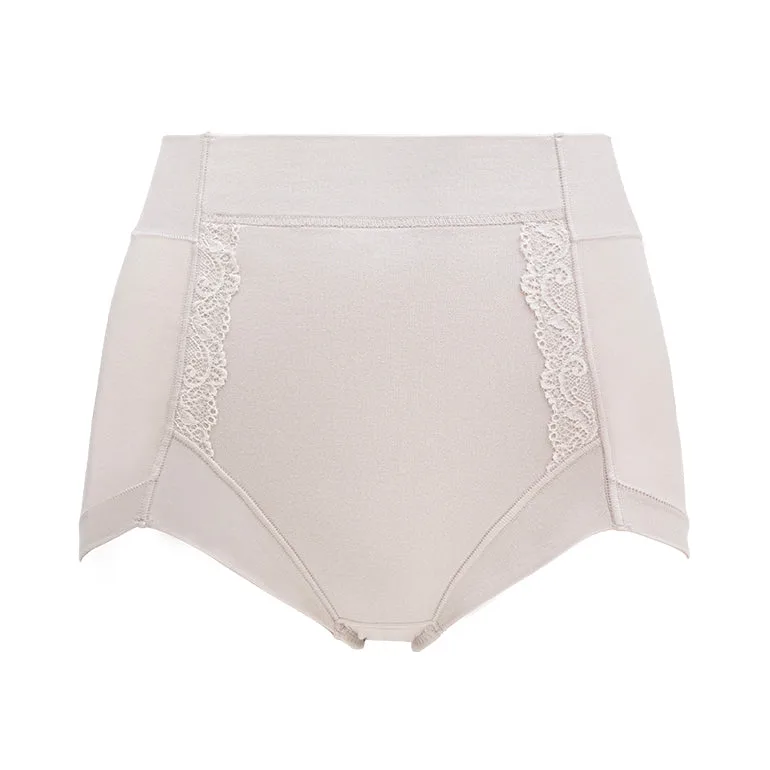
Smooth Comfort Shaping Panty 25
- Look for fabric descriptions that mention moisture management, not just compression.
- If a piece feels clammy within 20 minutes, the fabric isn't right for your climate or activity level.
Myth 3: If it hurts, you just need to get used to it
You should never have to 'break in' shapewear the way you break in shoes. Discomfort that persists past the first few minutes is information. It usually points to one of three things: the wrong size, the wrong rise for your torso, or a construction detail that doesn't suit your body.
Construction details matter more than people expect. The Lace Shaping Bikini uses a low-rise cut with stretchy lace and a tag-free construction. Tag-free matters because a sewn-in tag can rub against the skin all day, and a low rise can sit below the waistband of low-cut pants instead of fighting it. Those are comfort decisions built into the design, not afterthoughts.
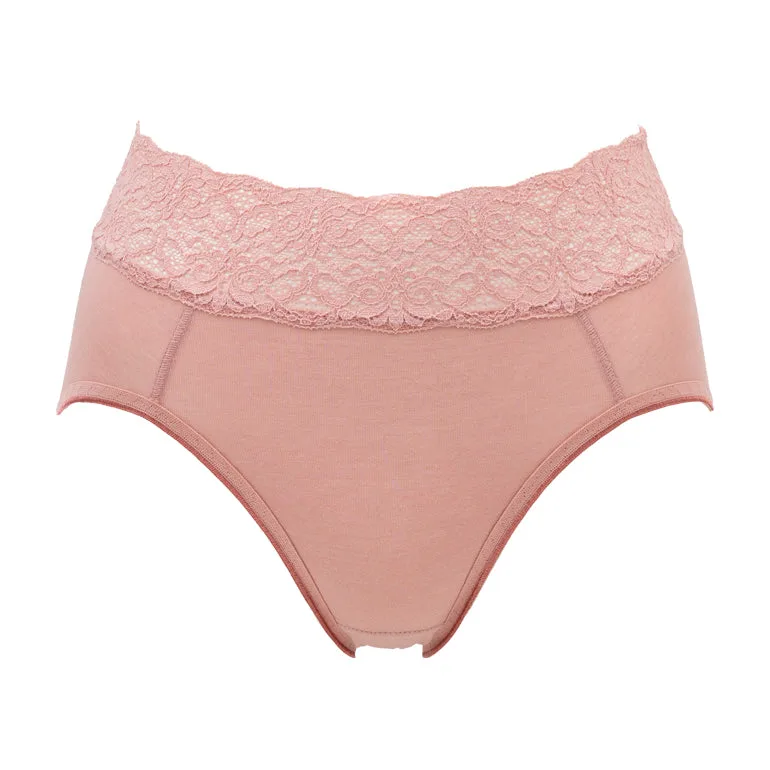
Lace Shaping Bikini
- If a seam or tag rubs, try a tag-free style before assuming shapewear isn't for you.
- Match the rise to your outfit: low-rise under low-rise, higher coverage under high-waisted pieces.
Myth 4: All-day shapewear means all-day suffering
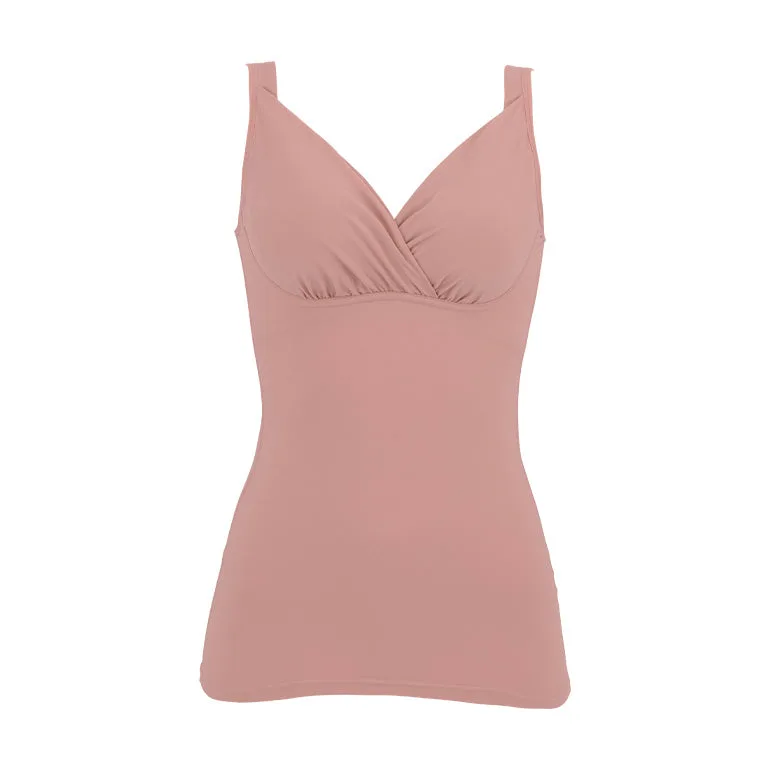
All-day wear is a design goal, not a compromise. The pieces that work for long days tend to share a few traits: wide, stable bands; seams placed away from high-friction areas; and cups or panels that support without clamping. The All Day Comfort Wireless Camisole is built around that idea, with shoulder strap seams positioned further back to minimize irritation and a design meant for both day and night wear.
It also combines support and coverage in one layer: it lifts the bust, covers the underarm and back, and helps prevent the breasts from spreading apart. That means fewer pieces to adjust and less chance of a strap or band shifting as the day goes on.
- Choose one-piece options when you want support and smoothing without layering multiple garments.
- Re-check the fit after a few hours; if something has shifted, adjust rather than endure it.
Myth 5: Comfortable shapewear can't give real support
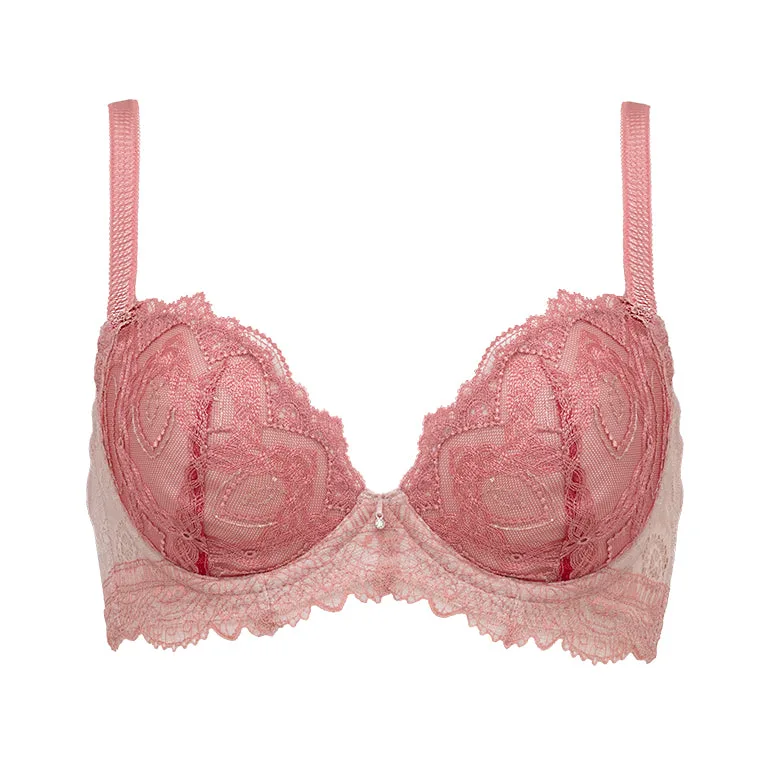
Support and comfort are not opposites. A Step 2 shaping bra like the https://bradelisnewyorkecv.com/products/ca125302-aefb2161b6dbc7907a82fb20-1320305Belle Push-Up Plunge Bra 25A1 uses a narrow wire frame and deep cups to gather and lift the bust inward, with high side support, while the embroidery lace and diamond mesh pattern keep the look refined. The structure does the work; the comfort comes from how that structure is shaped to the body.
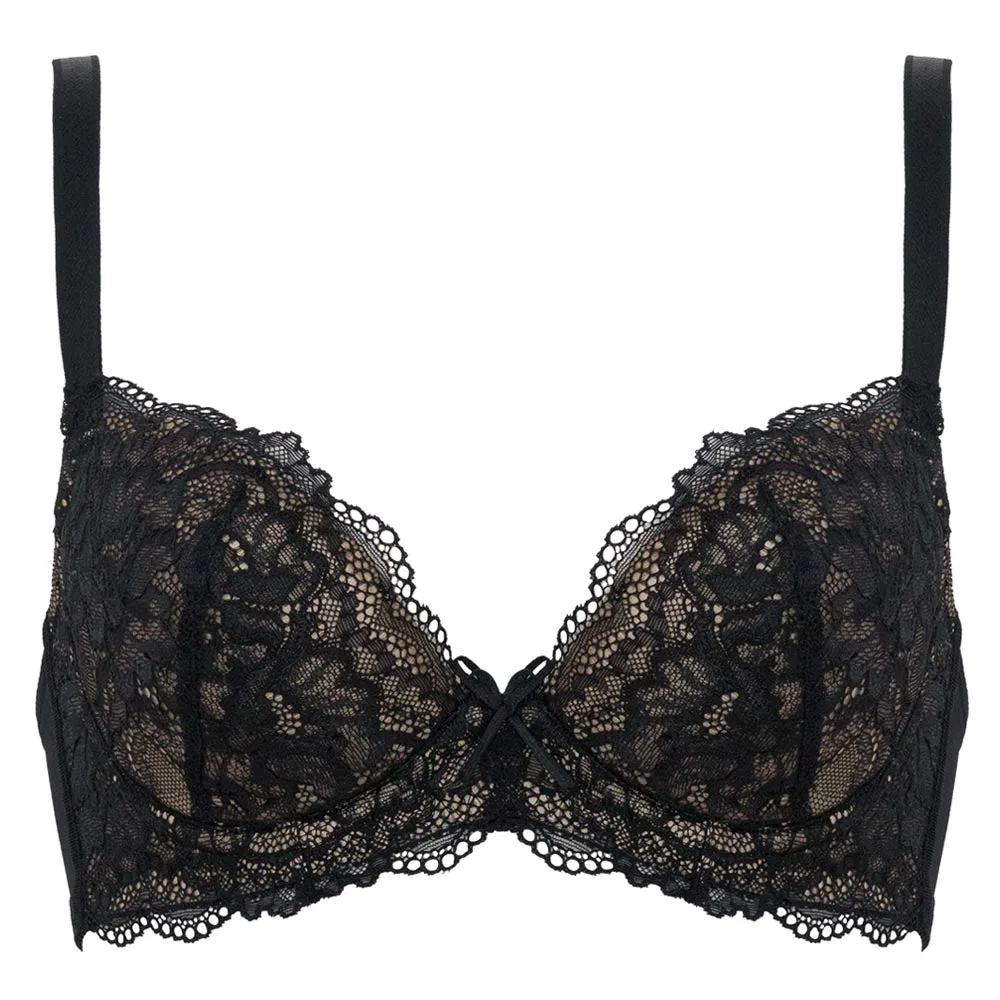
The same logic applies across the category. The Jasmine Shaping Bra 24A1 uses a wide cup structure to gather back and side flesh and shape the bust into a rounded, three-dimensional form. A wide cup spreads tension over more area, which is generally more comfortable than a narrow, high-pressure fit. Support isn't about how hard a garment squeezes; it's about how well it distributes the work.
- Wider cups and bands usually distribute pressure better than narrow, tight ones.
- If a bra or shaping piece leaves deep marks, the size or structure is wrong for you.
Comfort myth verdicts
- Shapewear must feel tight to work: Shaping comes from distributed tension, not concentrated pressure. If it rolls or digs, the size or rise is wrong. Verdict: myth. Size up or change the rise before you accept discomfort.
- Breathable shapewear can't smooth: Fabric blend and cut are separate decisions. A nylon-cotton jersey can manage moisture while still wrapping securely. Verdict: myth. Look for moisture-management details in the fabric description.
- You just need to get used to it: Persistent discomfort points to a fit or construction mismatch, not a lack of willpower. Tag-free and low-rise details exist for a reason. Verdict: myth. Treat pain as a signal to adjust, not endure.
- All-day shapewear means all-day suffering: Wide bands, seams placed away from friction, and one-piece designs like a wireless camisole are built for long wear. Verdict: myth. Choose pieces designed for day-to-night use.
- Comfortable shapewear can't give real support: Wide cups and stable frames distribute pressure over more area, which supports without clamping. Verdict: myth. Support is about distribution, not force.
Comfort details worth knowing
- Smooth Comfort Shaping Panty 25: Made from a nylon-cotton blend jersey described as cool-touch, sweat-absorbing, and quick-drying, with a design that wraps securely from the waist to the hips. This is the combination to look for when you want smoothing that stays comfortable in warm weather or through a long day.
- Lace Shaping Bikini: Features a three-dimensional custom fit with stretchy lace, a belt, and a low-rise cut, plus tag-free construction and a 100% cotton gusset lining. Tag-free and low-rise details reduce rubbing and sit better under low-cut outfits, while the cotton gusset supports everyday wear.
- All Day Comfort Wireless Camisole: Designed for day and night wear with all-in-one functions: it supports and lifts the bust, covers the underarm and back, and prevents the breasts from spreading apart, with shoulder strap seams positioned further back to minimize irritation. A single layer that handles support and coverage can reduce the number of adjustments and pressure points you deal with all day.
- Belle Push-Up Plunge Bra 25A1: A Step 2 shaping bra with a narrow wire frame and deep cups that gather and lift the bust inward, plus high side support and elegant embroidery lace. Structured support can be comfortable when the frame is shaped to gather rather than clamp, and the lace keeps it looking polished.
Comfort isn't a bonus feature in shapewear; it's the sign that the fit is right. When something pinches, rolls, or feels hot, change the size, the rise, or the fabric rather than pushing through. Your shapewear should support your day, not define it.