Quick answer
No, sunscreen itself does not cause acne. Breakouts happen when a formula is heavy, occlusive, or contains ingredients that clog pores—not because of sun protection. The fix is to choose a non-comedogenic sunscreen labeled oil-free or lightweight, and apply it consistently.
Myth: All sunscreens clog pores
The truth is that clogged pores from SPF are usually a formula issue, not a sunscreen issue. Many traditional sunscreens use heavy oils, waxes, or thick emollients that can trap sweat and debris. But modern sunscreens are designed with lightweight, non-greasy textures that won't suffocate acne-prone skin. Look for terms like "non-comedogenic," "oil-free," or "dry-touch" on the label. These indicate the product has been formulated to minimize the risk of pore blockage. If a sunscreen feels greasy or leaves a heavy film, it's more likely to contribute to breakouts—but that's not inherent to all sunscreens.
Myth: Mineral sunscreens are always acne-safe
Mineral sunscreens use zinc oxide or titanium dioxide, which sit on top of the skin and are less likely to irritate sensitive or acne-prone skin. However, some mineral formulas can be thick and occlusive, especially if they contain heavy oils or butters. The key is to check the full ingredient list for pore-clogging ingredients. A mineral sunscreen stick, for example, can be convenient and gentle, but if it's too waxy, it might still cause issues. The good news is that many mineral options are now formulated to be non-comedogenic and lightweight, so you don't have to sacrifice protection for clarity.
Myth: You should skip sunscreen if you're acne-prone
Skipping sunscreen can actually make acne worse. UV rays can inflame existing breakouts and lead to post-inflammatory hyperpigmentation—dark marks that linger long after pimples heal. Plus, many acne treatments (like retinoids or benzoyl peroxide) make your skin more sun-sensitive. So daily SPF is non-negotiable for acne-prone skin. The solution isn't to avoid sunscreen but to find one that works with your skin. Start with a small amount and patch-test on your jawline if you're unsure. If you're using active acne ingredients, apply sunscreen after they've fully absorbed to avoid pilling.
Myth vs. Fact: Sunscreen and Acne
- Claim: Sunscreen causes acne.: Sunscreen itself doesn't cause acne; heavy or occlusive formulas can. Choose non-comedogenic, oil-free options. Verdict: Myth. Pick lightweight, non-comedogenic formulas.
- Claim: Mineral sunscreens never cause breakouts.: Mineral filters are gentler, but the base can still clog pores if it's thick or contains pore-clogging oils. Check for non-comedogenic labeling. Verdict: Partly true. Mineral is often better, but formula matters.
- Claim: Acne-prone skin should skip sunscreen.: Skipping SPF can worsen acne by causing inflammation and dark marks. Daily broad-spectrum protection is essential. Verdict: Myth. Always wear sunscreen, even with acne.
Products that prove the point
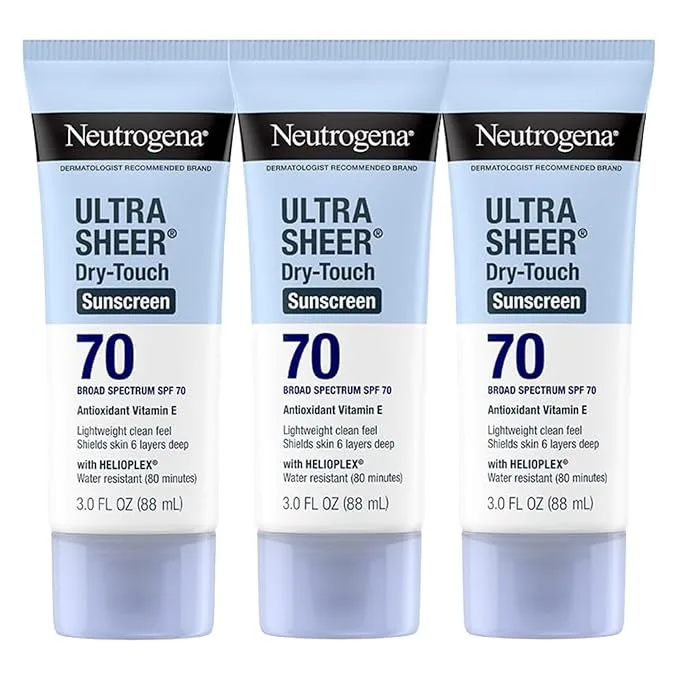
- Neutrogena Ultra Sheer Dry-Touch Sunscreen For Face & Body, SPF 70 Broad Spectrum UVA/UVB Protection, Lightweight Water Resistant & Non-Greasy, Travel Size Sunscreen, 3 fl. oz (Pack of 3): Neutrogena Ultra Sheer Dry-Touch Sunscreen with Broad Spectrum SPF 70 is oxybenzone-free, Hawaii Act 104 compliant, and features Helioplex technology for superior UVA/UVB protection. This lightweight, non-greasy formula shows that high SPF doesn't have to feel heavy or clog pores—ideal for face and body.
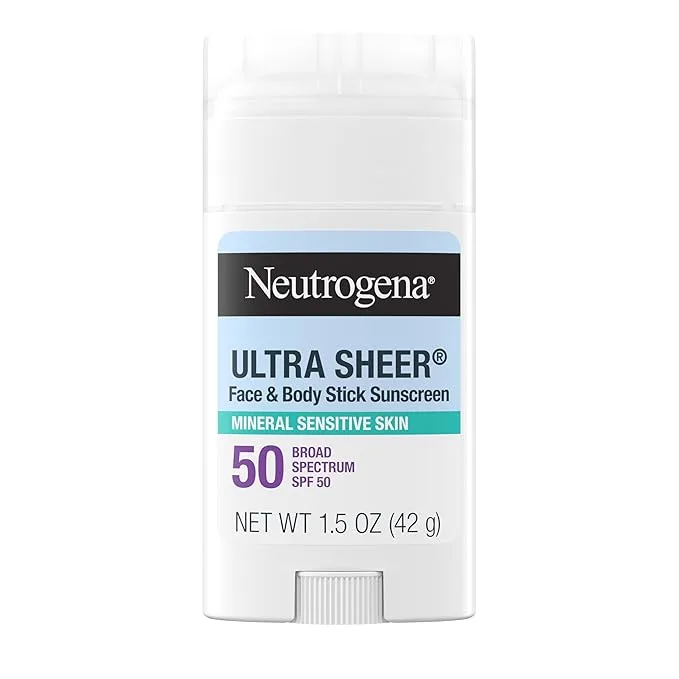
- Neutrogena Ultra Sheer Dry Touch SPF 50 Mineral Sunscreen Stick for Sensitive Skin, Zinc Oxide, Body & Face Sunscreen with Vitamin E, No White Residue & Vegan, 1.5 oz: Neutrogena Ultra Sheer Mineral Sunscreen Stick with Broad Spectrum SPF 50 uses zinc oxide, is gentle enough for sensitive skin, and leaves no white residue. A mineral option that's easy to apply and non-comedogenic, proving mineral sunscreens can be acne-safe without the thick, pasty feel.
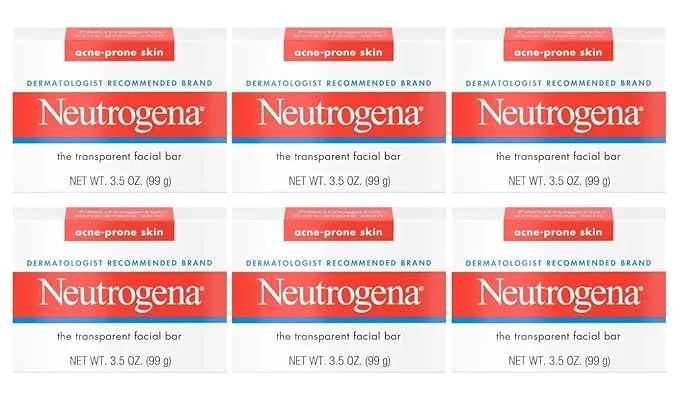
- Neutrogena Facial Cleansing Bar Treatment for Acne-Prone Skin, Non-Medicated & Glycerin-Rich Hypoallergenic Formula with No Detergents or Dyes, 3.5 oz (Pack of 6): Neutrogena Facial Cleansing Bar for Acne-Prone Skin is non-medicated, glycerin-rich, hypoallergenic, and formulated without detergents or dyes. Gentle cleansing helps remove sunscreen and excess oil without stripping skin, reducing the chance of clogged pores.