Quick Answer
Automatic ball droppers are more effective for high-repetition training and independent play, while manual fetch is better for building engagement and controlling the pace. Choose a ball dropper if you want to increase training volume without wearing out your arm; choose manual fetch if your priority is bonding and precise reinforcement.
Fetch is a core part of many dog training routines, but the way you deliver the ball can change the outcome. Automatic ball droppers promise hands-free repetition, while manual fetch gives you full control over timing and engagement. Which one actually helps you train better?
In this comparison, we’ll look at the tradeoffs between using an automatic ball dropper and throwing by hand, using real product examples to ground the discussion. You’ll learn when each tool shines and how to decide based on your dog’s energy level, your training goals, and your budget.
What an Automatic Ball Dropper Does Differently
An automatic ball dropper, like the Dogtrace Ball Dropper, releases a ball at a set interval or on command, allowing you to run drills without bending down or throwing repeatedly. This is a huge advantage for high-repetition training, such as teaching a reliable retrieve or building drive, because you can keep the session flowing without fatigue.
The key tradeoff is cost and complexity. A ball dropper is an investment, and it still requires a ball that fits the mechanism. You also lose the natural variation in throws that manual fetch provides. If your dog needs to learn to track a moving target or adjust to different distances, a dropper may not replicate that as well.
- Use a ball dropper for repetitive drills where consistency matters more than variety.
Why Manual Fetch Still Matters
Manual fetch—simply throwing a ball by hand—is the most flexible and inexpensive training method. You control the distance, speed, and direction with every toss, which is essential for teaching impulse control, recall, and precise delivery. It also builds a stronger handler-dog bond because you are actively engaged in the game.
The downside is physical effort and limited repetition. You can’t throw as many balls in a session as a dropper can release, and your throws may become inconsistent as you tire. For dogs that need hundreds of reps to learn a behavior, manual fetch can be exhausting and less efficient.
- Manual fetch is ideal for training sessions that require variable throws and close interaction.
Choosing the Right Ball for Either Method
Whether you use a dropper or throw by hand, the ball itself matters. A ball that floats, like the Swing ‘n Fling DuraFoam Fetch Ball, opens up water training and adds durability for rough play. Its medium-to-strong construction suits most breeds, making it a versatile choice for both manual and automated fetch.
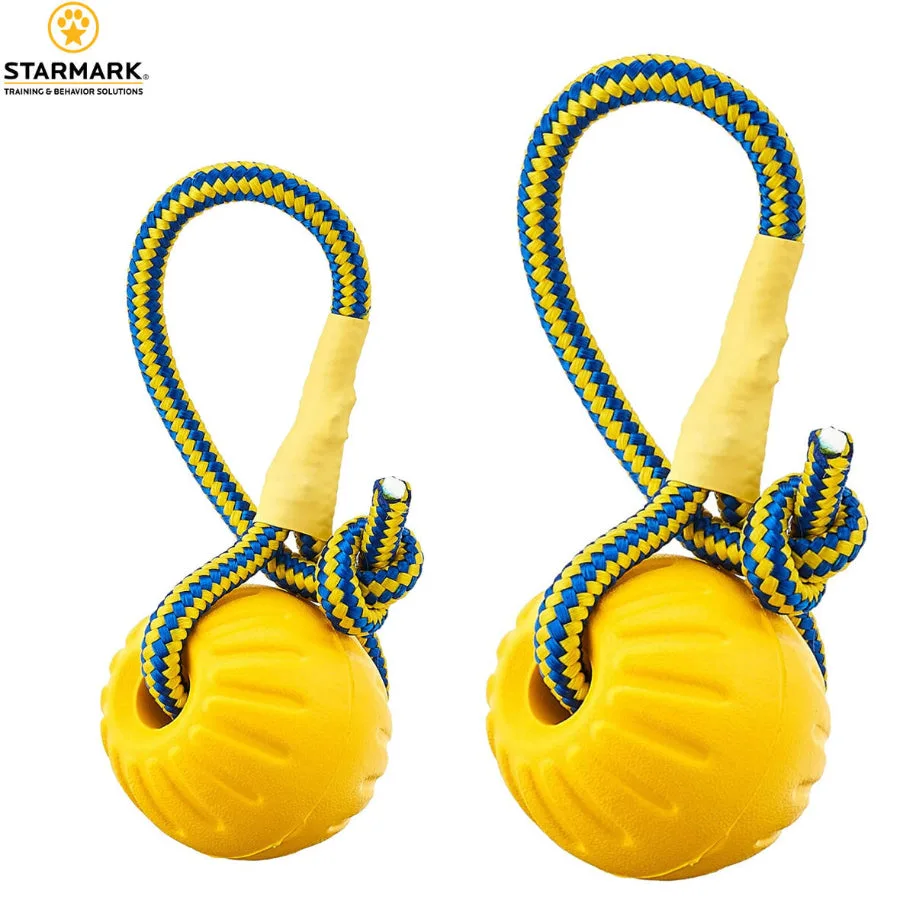
Swing ‘n Fling DuraFoam Fetch Ball
For ground-based chase games, the Chuckit! AIR FETCH WHEEL is designed to roll like prey, which can be a great alternative to a traditional ball. However, a wheel may not fit every automatic dropper, so check compatibility before buying. The tradeoff is between a ball that works everywhere and a specialized toy that triggers a different chase instinct.
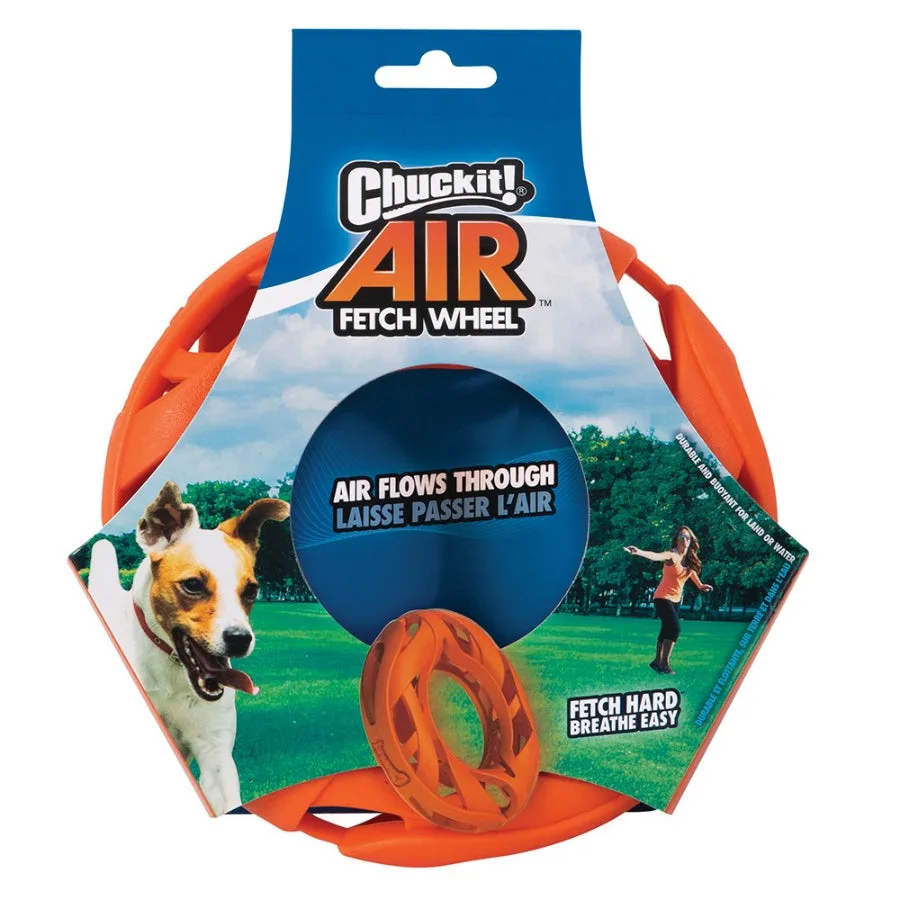
Chuckit! AIR FETCH WHEEL
- When using an automatic dropper, confirm that your chosen ball fits the mechanism before purchasing.
Tradeoffs at a Glance
- Cost: Automatic ball droppers are a significant investment, while manual fetch costs nothing beyond the ball itself. If budget is tight, start with manual fetch and a durable ball.
- Repetition Volume: A dropper can release dozens of balls without fatigue, enabling high-repetition training. Manual fetch is limited by your arm. For building drive through reps, a dropper is more effective.
- Engagement: Manual fetch keeps you actively involved, strengthening the handler-dog bond. A dropper can make the dog more independent. If your goal is bonding, manual fetch is better.
- Variety of Throws: Manual throws vary in distance and direction, teaching adaptability. A dropper releases the ball in a consistent pattern. For advanced skills like marking, manual fetch is superior.
Products That Support Your Fetch Training
- Swing ‘n Fling DuraFoam Fetch Ball: This ball floats, is great for training or play, is a medium to strong ball for dogs, and is built to last. It comes in medium and large sizes. If you train near water or have a strong chewer, a floating, durable ball keeps sessions going without constant replacements—whether you throw it yourself or use a dropper.
- Chuckit! AIR FETCH WHEEL: Designed to toss and roll along the ground, this wheel engages a dog's natural chase instinct and allows air to flow through channels while fetching. It also floats. For dogs that lose interest in standard balls, a ground-rolling wheel can renew enthusiasm. It’s a good manual fetch alternative, but check if it fits your dropper before buying.
Which Should You Choose?
Best for
- Trainers who need high-repetition drills to build speed and drive
- Owners with physical limitations who want to keep playing fetch without strain
- Dogs that are highly ball-motivated and can work independently
Not for
- Puppies or dogs still learning engagement and recall, where manual fetch is essential
- Owners on a tight budget who prefer a low-cost training setup
Both automatic ball droppers and manual fetch have a place in dog training. If you want to maximize repetition and save your arm, a dropper is a worthwhile investment. If your priority is bonding and precise control, stick with manual throws. Whichever you choose, pair it with a durable, appropriate ball to get the most out of every session.