Quick answer
Measure your dog's neck at the widest point, then add 3–4 inches for a tie knot and 5–6 inches if you want a loose, draped look. Most dogs fit a 21–25 inch bandana, large dogs need 27–30 inches, and small dogs do best with 14–18 inches. Always check that you can slide two fingers under the tied bandana before you head out.
Why a Snug Bandana Isn't a Safe Bandana
A bandana that's too tight can restrict breathing, rub the coat, or slip off when wet. You want it snug enough to stay put during a walk but loose enough to slide two fingers underneath. If your dog paws at it, flattens their ears, or tries to back out of it, the fit is wrong. Take it off and remeasure.
How to Measure Your Dog's Neck in 30 Seconds
Use a soft tape measure or a piece of string you can lay against a ruler. Measure the widest part of the neck, usually just behind the ears and above the shoulders. Write that number down. Then decide how you'll tie the bandana: a square knot eats up about 3 inches of fabric, while a loose overhand knot uses closer to 4. If your dog has a thick coat, add another inch so the bandana sits on top of the fur, not buried in it.
Bandana Size for Large Dogs vs Small Dogs
Large breeds like Labrador Retrievers, German Shepherds, and Golden Retrievers typically need a 27–30 inch bandana. That extra length lets you tie a secure knot without the fabric pulling tight across the throat. Small dogs, including Chihuahuas, Yorkies, and most puppies, fit best in 14–18 inches. Medium dogs like Beagles and French Bulldogs usually land in the 21–25 inch range. If your dog is between sizes, size up—you can always trim the tails or tuck them under the knot.
Adjustable Bandanas and Tie Styles That Stay Put
Some bandanas come with snaps or adjustable straps, which can be easier for wiggly dogs than a traditional tie. But a classic square knot is still the most secure for trail runs and windy days. A granny knot slips; a square knot doesn't. To tie a square knot: cross the right end over the left, then cross the left over the right, and pull tight. For a cooling bandana, soak it in water before tying—the wet fabric adds a little weight, so check the fit again after soaking.
Decision Rules for a First-Time Fit
- If your dog is full-grown and you want one bandana for daily walks: Measure the neck, add 3 inches, and choose the closest size up. A 21–25 inch bandana fits most medium dogs; large dogs need 27–30 inches. Two fingers under the knot is your go/no-go check.
- If your dog is still growing or you're between sizes: Size up rather than down. You can fold the bandana lengthwise or tie a smaller knot, but you can't add fabric to a too-small bandana. A slightly long bandana is safer than a tight one.
- If your dog has a thick coat or you'll use a cooling bandana: Add an extra inch to your measurement. Wet fabric and heavy fur both change how the bandana sits, so retie after soaking or after a few minutes of wear. Recheck the fit once the bandana is wet and your dog is moving.
Products That Solve Common Sizing Problems
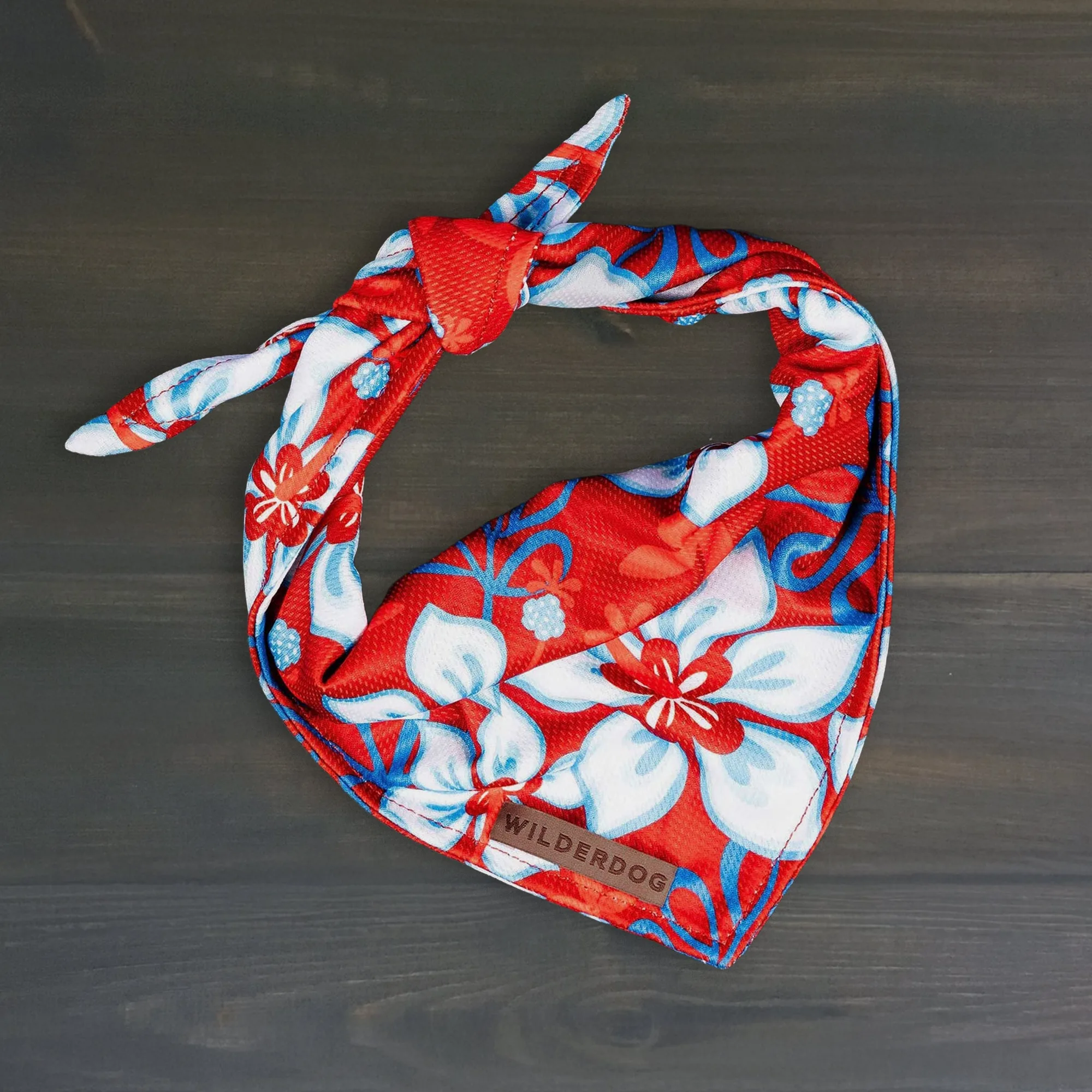
- Rodeo Bandana: These cooling bandanas are great for summit selfies and keeping your dog a bit cooler on the trail. Just soak it in water before tying it around your pup's neck to bring down the body temp a bit. A wet bandana can stretch slightly, so tie it a little looser than a dry one and recheck the fit after a few minutes of wear.
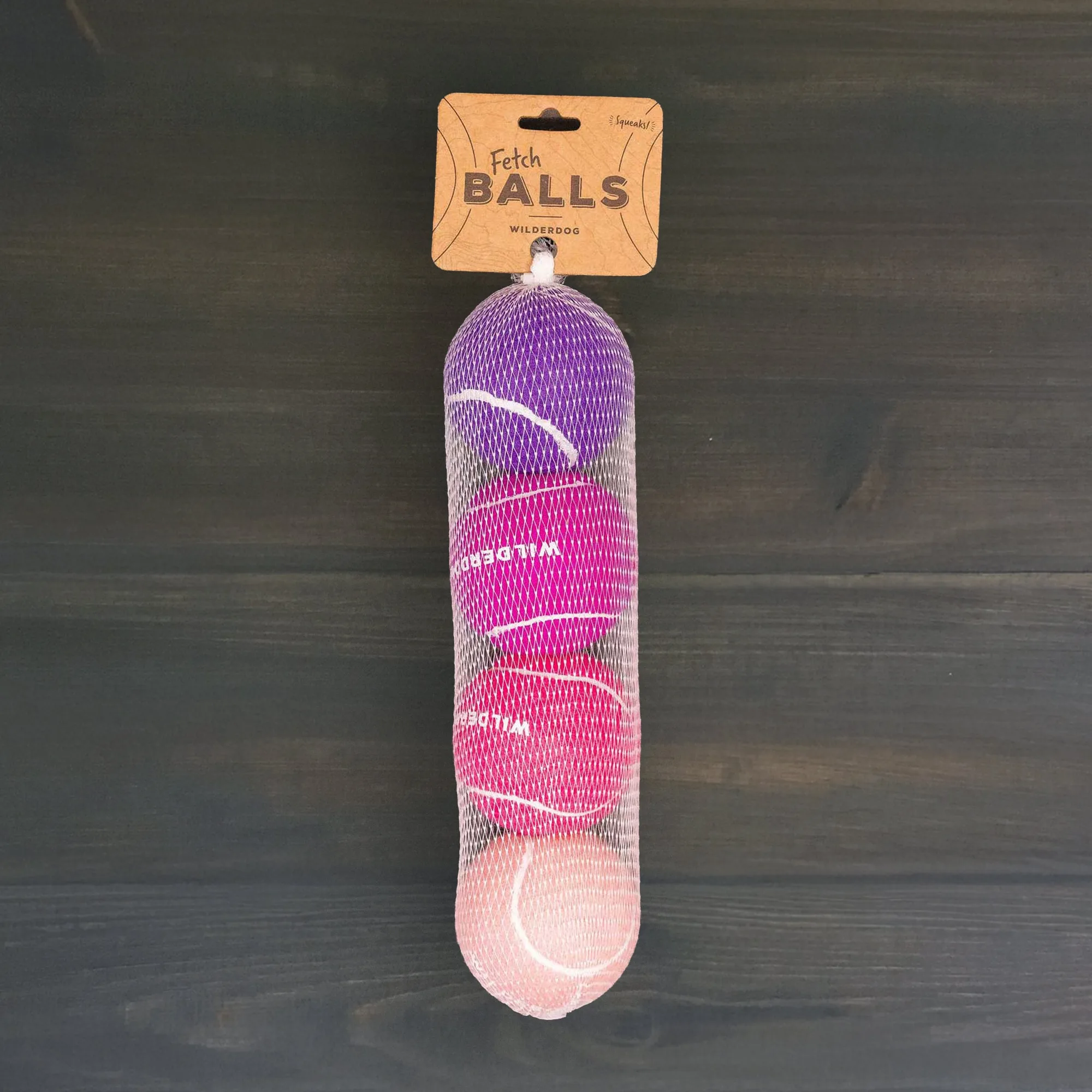
- Fetch Balls: Make your dog's day with a 4-pack of brand new squeaker Fetch Balls. The balls are made of non-toxic rubber, but always monitor your dog with toys and discard if chewed through! A high-value toy can distract your dog while you adjust the bandana, making the first fitting easier and less stressful.
Who This Fit Guide Is For
Best for
- Owners buying a first bandana for a puppy or adult dog
- Large-breed owners who need a bandana that won't choke or slip
- Anyone using a cooling bandana on summer walks or hikes
Not for
- Dogs with a history of neck or trachea issues—consult your vet before using any neckwear
- Owners looking for a harness or collar replacement; a bandana is not a restraint