Quick Answer
To choose the right dog book, first identify your dog's specific issue and your training experience, then match the book's focus and methods to those needs. For most owners, a positive-reinforcement guide that explains body language is a safe starting point.
Why the Right Book Matters
A dog training or behavior book is only useful if it matches your dog's situation and your skill level. A book that assumes prior knowledge can frustrate a new owner, while a basic guide may not address a specific behavior problem like reactivity or fear.
Every dog is different, and no single book covers everything. Understanding the book's focus—whether it's general training, behavior modification, or nutrition—helps you avoid wasting money on advice that doesn't apply.
Training Philosophy: Positive vs. Traditional
Most modern dog trainers recommend positive-reinforcement methods, which build trust and avoid fear-based techniques. Books that promise quick fixes or use punishment-based methods can harm your relationship with your dog and worsen behavior issues.
When browsing, check the author's credentials and look for a stated commitment to force-free, reward-based training. This is especially important for dogs with a history of fear or aggression.
Special Considerations for Rescue Dogs
Adopted dogs often come with unknown histories, making behavior unpredictable. A book that teaches you how to read your dog's signals and respond calmly is invaluable.
If your dog is fearful or touch-sensitive, avoid books that suggest flooding or forced handling. Instead, look for guides that emphasize desensitization and choice.
Decision Rules for Choosing a Dog Book
- Identify the primary goal: Are you looking for basic obedience, solving a behavior problem, or improving nutrition? Choose a book that directly addresses that goal. If your goal is behavior modification, prioritize books with positive-reinforcement methods.
- Assess your experience level: New owners should choose books that explain body language and basic techniques step by step. Experienced trainers may prefer advanced books that focus on specific issues. If you're a beginner, start with a comprehensive guide that covers communication and foundation skills.
- Check the author's credentials: Look for authors who are certified trainers or have a long history of positive-reinforcement work. Avoid books that advocate punishment or dominance-based methods. Pat Miller is a well-known positive-reinforcement trainer; her books are a reliable choice.
- Consider your dog's history: For rescue or stray dogs, choose a book that specifically addresses unknown pasts, fear, and touch sensitivity. If your dog is recently adopted, 'Do Over Dogs' is a targeted resource.
- Look for real-life examples: Books that include case studies or examples help you see how to apply techniques to your own dog. If you learn best from examples, prioritize books with practical scenarios.
Books That Help
-
Do Over Dogs: Give Your Dog a Second Chance for a First Class Life: Do Over Dogs by Pat Miller helps you recognize behaviors that offer insight into a rescued dog's past and teaches proper training techniques to assimilate him into your home. This is a targeted choice if you've recently adopted a shelter or stray dog and need practical, positive methods to build trust and address unknown behaviors.
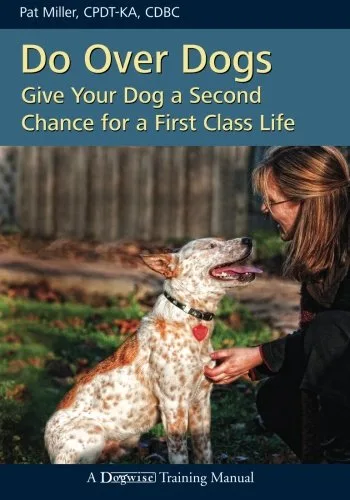
Do Over Dogs: Give Your Dog a Second Chance for a First Class Life
-
Unlocking the Canine Ancestral Diet: Healthier Dog Food the ABC Way: Unlocking the Canine Ancestral Diet explains the right amounts of protein, fats, and carbs, the balance of fats, and completing nutrition with fresh foods. If your dog's behavior is fine but you're concerned about diet, this book helps you make informed nutrition choices that support overall health.

Unlocking the Canine Ancestral Diet: Healthier Dog Food the ABC Way
Who Each Book Fits
Best for
- New owners wanting a solid foundation in positive training and body language
- Owners of rescue dogs needing to understand and address unknown behaviors
- Owners focused on improving their dog's nutrition for overall health
Not for
- Owners seeking a quick-fix or punishment-based training approach
- Experienced trainers looking for advanced, specialized behavior modification protocols