Quick answer
Buy a bowl wide enough that your dog's muzzle fits without pressing the sides, deep enough to hold one full meal or a day of water, and made from a material that matches how your dog eats. Stainless steel is the safest default for chewers and easy cleaning; ceramic suits slow, tidy eaters who want weight; elevated bowls help large dogs and deep-chested breeds but are not necessary for every pet. For messy drinkers, choose a wide, shallow water bowl or a splash-guard design instead of a tall narrow one.
Measure your dog before you shop
Two measurements decide most of the fit: muzzle width and neck length. Measure across the widest part of your dog's closed muzzle, then add about an inch of clearance so whiskers and lips are not dragging on the rim. For neck length, measure from the base of the neck to the floor while your dog stands naturally. A dog with a short neck or flat face often does better with a shallow, wide bowl rather than a deep one.
Match bowl capacity to meal size, not to breed labels. A bowl that is too deep forces long-eared or flat-faced dogs to push their nose to the bottom, which traps food and encourages gulping. A bowl that is too small causes refills and spills. If you free-feed, use a wider bowl so the food spreads out and your dog eats more slowly.
- Muzzle width plus 1 inch = minimum bowl diameter.
- Neck length under 4 inches: choose a shallow bowl or a tilted design.
- Meal size over 2 cups: choose a bowl at least 3 inches deep.
Material trade-offs: stainless, ceramic, plastic and bamboo
Stainless steel resists scratching, does not hold odors, and is the easiest to sanitize. It is the best choice if your dog chews the bowl or if you want to run it through a dishwasher. The trade-off is noise and sliding; look for a rubber ring or a weighted base if your dog pushes bowls around.
Ceramic is heavy, quiet, and comes in shapes that slow eating. It can chip if dropped, and glazes vary, so check that the bowl is labeled food-safe. Plastic is lightweight and cheap but scratches over time and can harbor bacteria; it is a poor fit for dogs who chew. Bamboo or plant-derived bowls look warm but need hand washing and can crack if left soaking. If your dog has sensitive skin or allergies, a non-porous material like stainless steel reduces the chance of holding onto residue that irritates.
- Chewer or dishwasher user: stainless steel.
- Tidy eater who pushes bowls: ceramic or weighted stainless.
- Budget or travel bowl: plastic, but replace when scratched.
Stop splashes from messy drinkers
Messy drinking usually comes from three things: a narrow bowl that makes the tongue splash, a bowl that slides, or a dog that drops water from a long muzzle. A wide, shallow water bowl gives the tongue room to lap without hitting the sides. A splash guard or a floating disk slows the water movement and keeps the floor drier. If your dog stands in the bowl, choose a heavier ceramic or a bowl with a non-slip base.
Placement matters as much as the bowl. Put the water bowl on a mat with a raised lip, and keep it away from the food bowl if your dog tends to dunk food. For dogs who drink heavily after exercise, a larger capacity bowl means fewer refills and less chance of an empty bowl.
- Wide and shallow beats tall and narrow for splash control.
- Non-slip base stops the bowl from skating across the floor.
- A raised-lip mat catches the overflow your bowl misses.
Elevated bowls: when they help and when they do not
Elevated bowls raise the eating surface so a dog does not have to lower the head as far. They can help large breeds, senior dogs with stiff joints, and dogs with long legs. The trade-off is that some dogs eat faster when the bowl is raised, which can increase air swallowing. If your dog gulps, a raised bowl may make it worse; a slow-feeder bowl at floor level is often the better choice.
Height should put the bowl rim roughly at the point of the shoulder for a standing dog. If the bowl is too high, the dog has to reach up and may cough. If it is too low, the benefit disappears. Adjustable stands let you change height as a puppy grows, but check that the locking mechanism is tight so the bowl does not tip.
- Helpful: large breeds, seniors, long-legged dogs.
- Not helpful: gulpers, dogs with reflux, small breeds.
- Rim height at shoulder point is the starting target.
Cleaning and replacement schedule
Water bowls need a rinse daily and a wash every one to two days; food bowls should be washed after every meal, especially with wet or raw food. Stainless steel and ceramic handle hot water and dish soap without damage. Plastic and bamboo need gentler handling and should be replaced when you see scratches, cracks, or a lingering smell. A scratched bowl is not just ugly; it gives bacteria a place to hide.
If your dog has acne on the chin or repeated stomach upset, switch to a non-porous bowl and wash it more often before assuming the food is the problem. Keep a spare bowl on hand so one can dry while the other is in use.
- Rinse water bowls daily; wash food bowls after each meal.
- Replace scratched plastic or cracked bamboo immediately.
- Keep two bowls per pet so cleaning never blocks a meal.
Decision rules for your next bowl
- If your dog chews the bowl: Choose stainless steel with no plastic rim or rubber plug your dog can pull out. Ceramic and plastic can shatter or splinter. Durability first; skip decorative materials.
- If your dog is a messy drinker: Choose a wide, shallow water bowl with a non-slip base, and set it on a raised-lip mat. Avoid tall narrow bowls that increase splashing. Width and stability beat capacity for splash control.
- If your dog is a large or senior breed: Try an elevated bowl set so the rim sits near the shoulder point. If your dog gulps or has reflux, stay at floor level with a slow-feeder instead. Elevation is a fit decision, not an automatic upgrade.
- If your dog has sensitive skin or allergies: Choose a non-porous bowl that rinses clean, and wash it after every meal. Scratched plastic can hold residue that touches the chin. Material and cleaning frequency matter more than shape.
Products that solve common bowl-adjacent problems
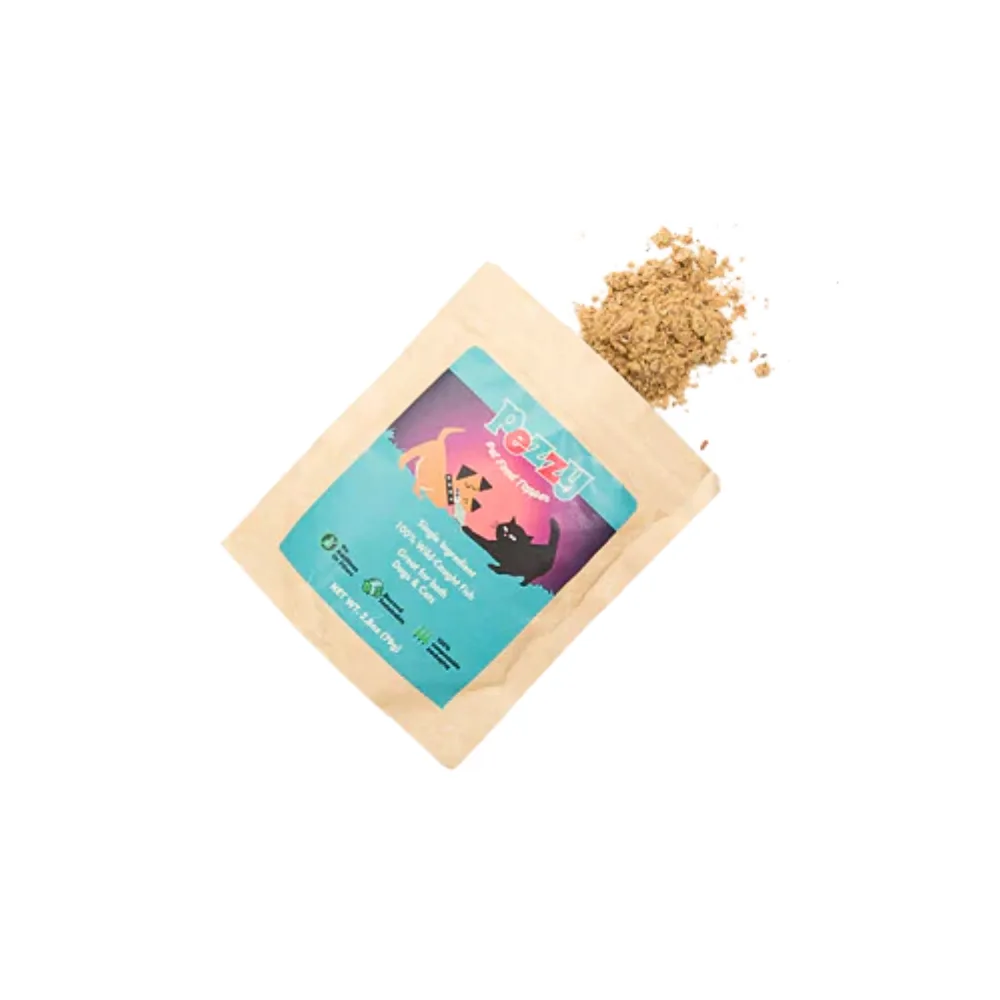
- Single Ingredient Pet Food Topper - Wild Caught Invasive Devil Fish: Single Ingredient Pet Food Topper - Wild Caught Invasive Devil Fish is a one-ingredient, air-dried fish flour topper made from wild-caught invasive Mexican devil fish. A dry topper sprinkles over food without adding liquid, so it does not turn a tidy eater into a messy one or leave residue in the bowl.
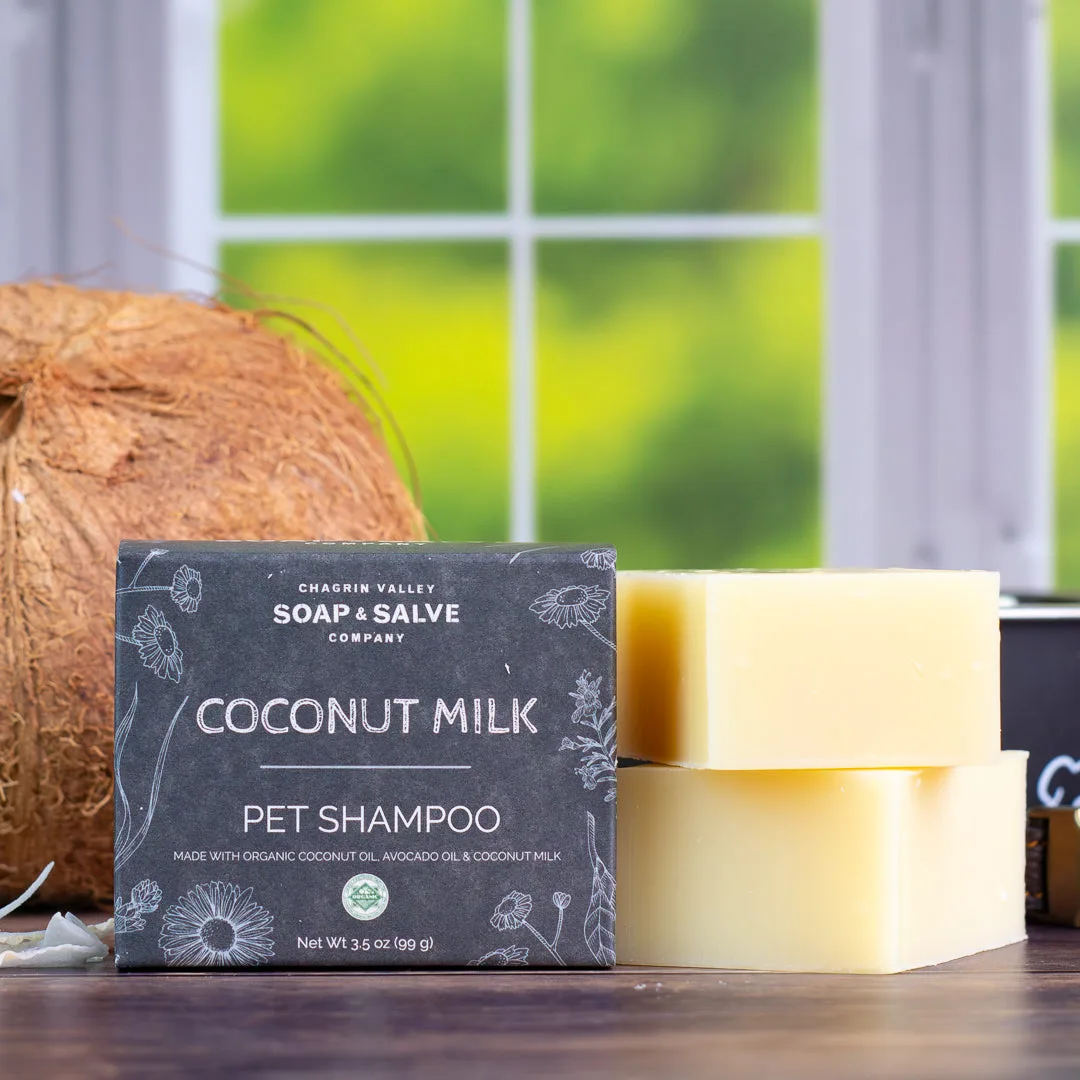
- Organic Pet Shampoo Bar with Coconut Oil & Milk (For Dogs, Cats, Ferrets): Organic Pet Shampoo Bar with Coconut Oil & Milk is an unscented bar made with organic coconut oil, coconut milk, avocado oil, and sweet almond oil, suitable for dogs, cats, and ferrets. If bowl mess ends up on your pet's chin or chest, a bar shampoo with moisturizing oils cleans without leaving heavy residue that attracts dirt.
Who this guide fits
Best for
- Owners replacing a bowl that slides, splashes, or is too small
- Homes with large dogs, seniors, or flat-faced breeds that need a specific bowl height or depth
- People who want a simple material decision without guessing
Not for
- Owners looking for automatic or electronic water fountains
- Dogs with diagnosed medical conditions that require a veterinarian's feeding plan
- Buyers who want a single bowl recommendation without measuring their dog