Quick answer
Measure your dog's neck at its widest point and add about two inches for a collar; measure the chest at the deepest point behind the front legs for a harness. You should be able to slide two fingers under the collar or harness straps. If you can't, it's too tight; if you can fit a whole hand, it's too loose.
How to measure your dog for a collar
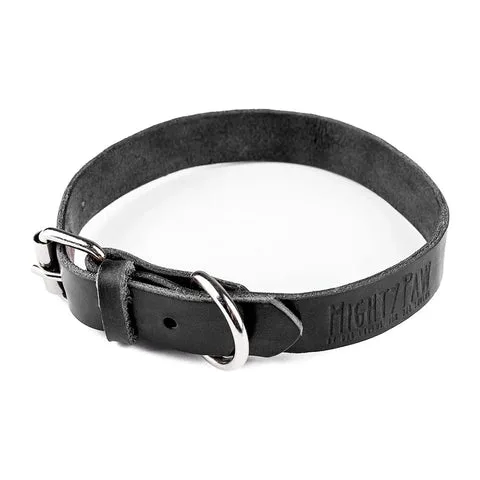
Use a soft measuring tape. Wrap it around the neck at the widest point, usually just behind the ears and above the shoulders. Keep the tape snug but not tight. If you don't have a soft tape, use a piece of string or a shoelace, mark the length, and measure it with a ruler. Write down the measurement in inches. For a collar, add 2 inches to that number to get the minimum collar size. For example, a 14-inch neck needs a collar that adjusts from at least 16 inches. Always check the size chart for the specific collar, because adjustability ranges vary.
How to measure your dog for a harness
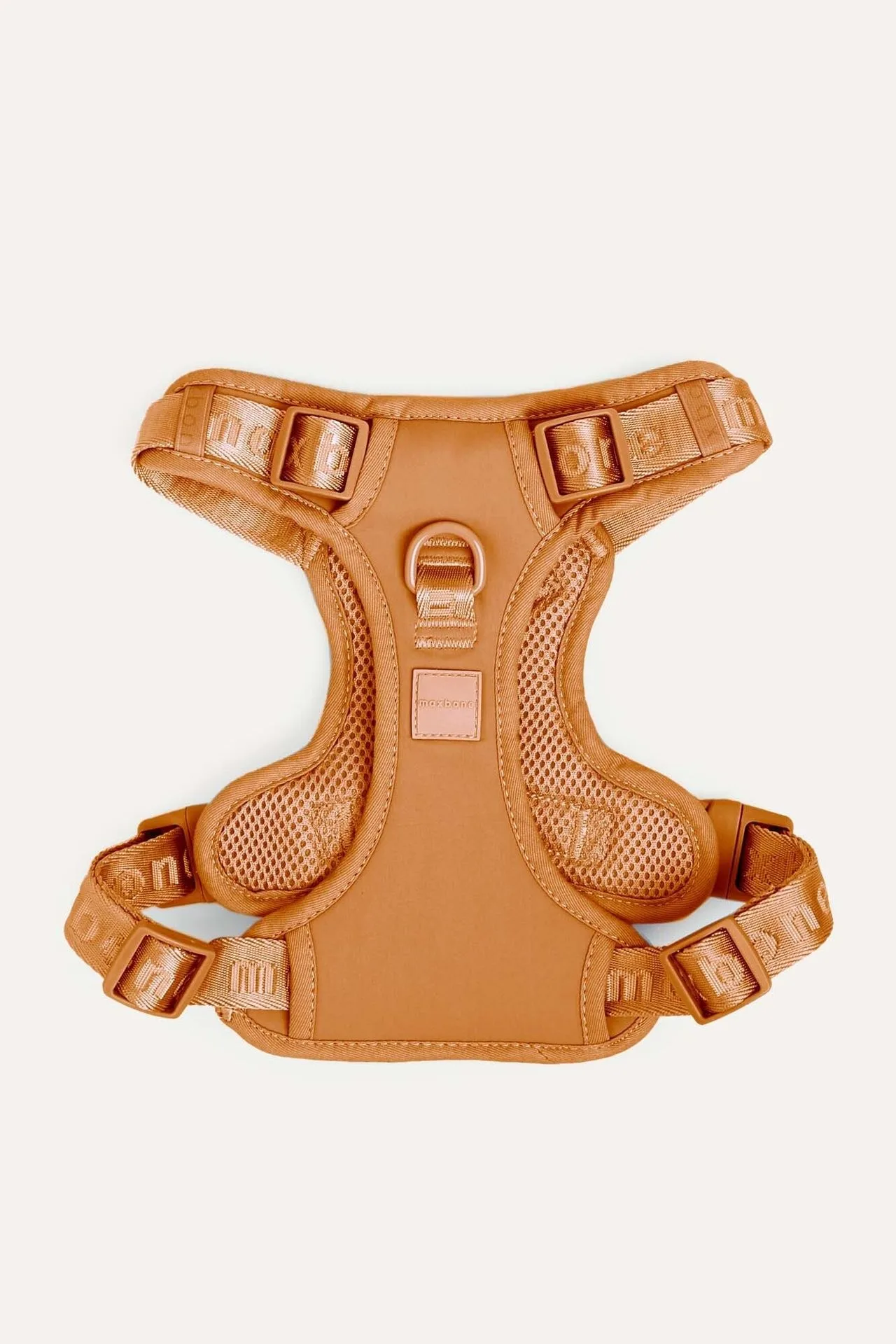
Harness sizing depends on the chest, not the neck. Measure the deepest part of the chest, right behind the front legs. Also measure the neck where the harness collar sits and the body length from the base of the neck to the base of the tail if the harness has a back panel. For a harness, you want the chest measurement to fall within the manufacturer's size range, not at the very end of it. If your dog is between sizes, choose the larger size for adjustability, especially if your dog is still growing or has a thick winter coat.
How to tell if a collar is too tight
A collar is too tight if you cannot fit two fingers between the collar and your dog's neck. Other signs: the collar leaves a mark when you remove it, your dog coughs or gags when you attach a leash, or the collar doesn't slide slightly when your dog swallows. A collar that's too tight can cause discomfort, skin irritation, and even breathing problems. Check the fit monthly, especially on puppies and dogs that gain or lose weight. If you use a martingale or slip collar, the fit is different: it should be snug when pulled but loose when relaxed. Always follow the manufacturer's instructions for those styles.
How to tell if a harness is too tight or too loose
For a harness, check the fit at three points: the neck opening, the chest straps, and the girth behind the front legs. You should be able to slide two fingers under each strap. If the harness twists or your dog can back out of it, it's too loose. If it rubs under the armpits or restricts shoulder movement, it's too tight. A properly fitted harness allows full range of motion and doesn't chafe. Have your dog walk, sit, and lie down while wearing it to see if any straps need adjustment.
Adjustable collar and harness sizes: what to look for
Adjustability is key. Look for collars with multiple holes or a sliding buckle that covers at least 2 inches of adjustment. For harnesses, choose one with at least four adjustment points (neck, chest, and two girth straps) for a custom fit. Materials matter too: nylon webbing is lightweight and dries fast, while leather is durable but less adjustable. If your dog is between sizes, size up and use the adjustments to fine-tune. Avoid harnesses with a single adjustment point; they rarely fit well on deep-chested or narrow dogs.
Harness sizing by breed: general guidelines
Breed gives a starting point, but always measure. For example, a Greyhound has a deep chest and thin neck, so a harness with independent neck and chest adjustments works best. A Bulldog has a broad chest and short back, so a harness with a wide chest plate and minimal length is ideal. A Dachshund needs a long back panel but a snug chest. A Husky falls between sizes, so choose a harness with generous adjustability. When in doubt, measure twice and compare to the brand's size chart.
Fit checkpoints for collars and harnesses
Two-finger rule
You should be able to slide two fingers under the collar or any harness strap without forcing. If you can't, it's too tight. Check this every time you put the gear on.
Collar placement
The collar should sit high on the neck, just behind the ears, not down on the shoulders. This prevents it from slipping off and reduces pulling pressure. Adjust the collar so it stays in place during walks.
Harness alignment
The chest strap should sit across the breastbone, and the girth strap should be behind the front legs. The harness should not twist or rub. After adjusting, have your dog walk and turn to check for rubbing.
Weight and coat changes
Re-measure your dog every few months, especially if they gain or lose weight or grow a thick winter coat. A collar that fit in summer may be too tight in winter. Set a reminder to check fit seasonally.
Safety check
Never leave a collar on an unsupervised dog in a crate; it can catch on bars. Use a breakaway collar or remove it for crating. Prioritize safety in confined spaces.
Product facts
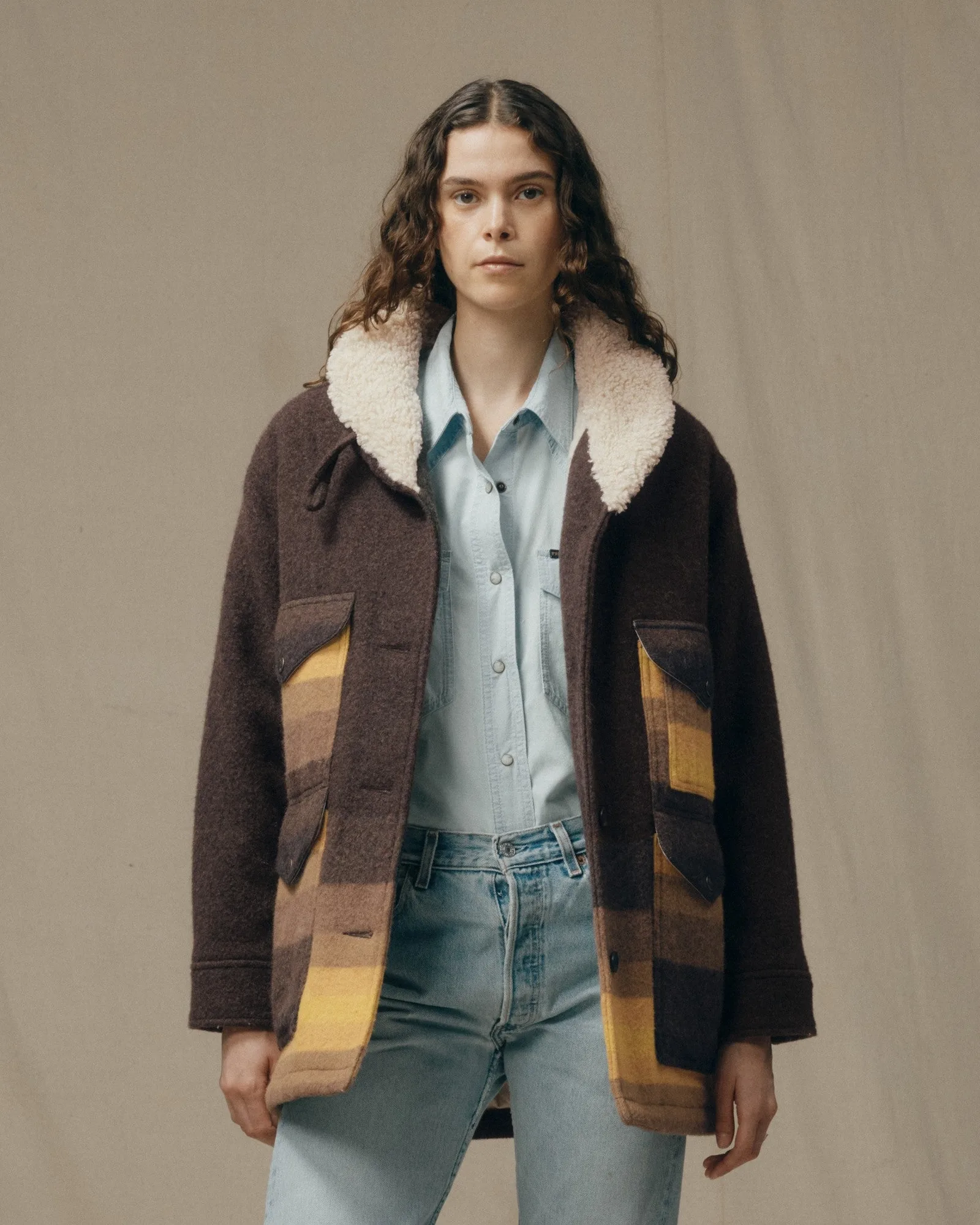
- Women's Kodiak Shawl Collar Coat: Women's Kodiak Shawl Collar Coat: built with a comfortable wool blend that blocks wind, sheds rain, and holds warmth in the cold. Its longer cut adds coverage, while the torso is lined with soft cotton flannel for comfort. Sleeves are lined with polyester twill so it slips easily over layers. The shawl-style fleece collar extends high to protect your neck and fastens at the throat when the wind picks up. This coat is designed for cold, windy conditions and layering, making it a practical choice for dog walks in winter. The high fleece collar and flannel lining add warmth without bulk.