Quick answer
Measure your dog's neck at the base where the collar sits, then add about two fingers of slack. For a harness, measure the chest girth at the widest point behind the front legs. For a muzzle, measure the snout length from the nose to just below the eyes and the circumference around the snout. Always use a soft tape measure and write the numbers down before you shop.
Why a dog harness size chart alone isn't enough
A dog harness size chart is a starting point, not a substitute for your own measurements. Breeds vary widely in chest depth and body shape, so a chart that fits a Labrador may not fit a Greyhound or a Bulldog of the same weight. Measure your dog first, then use the chart to find the closest size. If your dog falls between two sizes, choose the larger one for a harness because you can usually tighten it, but you cannot stretch a too-small harness.
What you need before you start
You need a soft tape measure, a helper if your dog wiggles, and a few treats to keep your dog standing still. If you don't have a soft tape, use a piece of string or a shoelace, then lay it flat against a ruler. A stiff tape measure can be hard to wrap around a dog's neck or chest, so the soft one is worth finding. Keep your dog standing on all fours for the most accurate chest girth measurement.
How to measure your dog's neck for a collar
Wrap the soft tape around the base of your dog's neck, where the collar normally rests. This is usually just below the ears and above the shoulders. Pull it snug enough that it won't slip off, but not so tight that it presses into the skin. Add about two fingers of space between the tape and your dog's neck. That extra room keeps the collar comfortable and prevents it from choking your dog if it pulls. Write down the number in inches or centimeters and note which unit you used.
How to measure your dog's chest girth for a harness
Find the widest part of your dog's chest, which is usually right behind the front legs. Wrap the tape all the way around the body at that point, keeping it level and snug. Make sure the tape isn't twisted and that it sits flat against the fur. If your dog has a thick coat, press the tape down gently so you're measuring the body, not just the fluff. This chest girth measurement is the most important number for harness sizing. Measure twice to confirm you get the same number.
How to measure your dog's snout for a muzzle
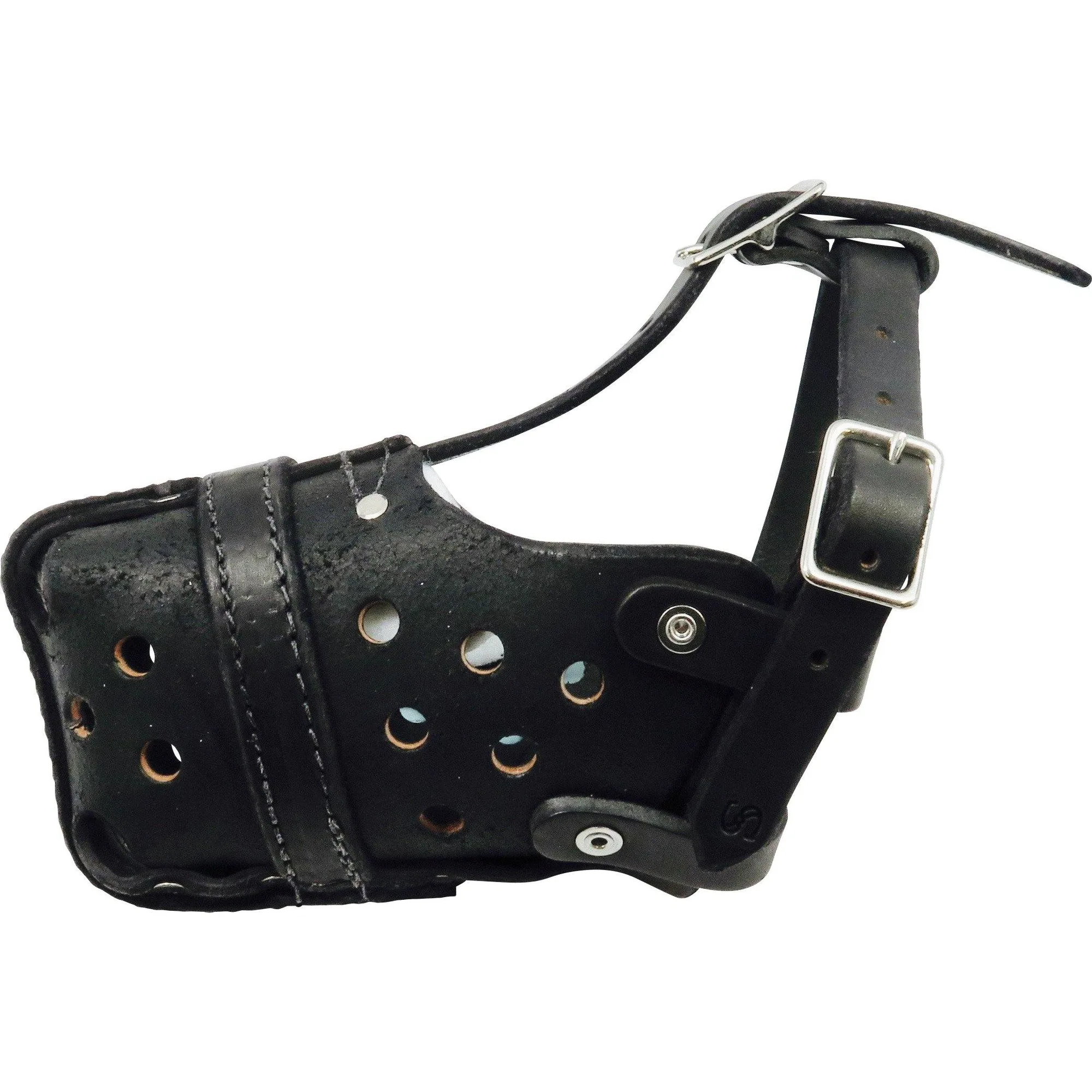
Measure two things for a muzzle: snout length and snout circumference. For length, place the tape at the tip of the nose and run it back to just below the eyes. For circumference, wrap the tape around the snout at the widest point, usually just behind the nose. Keep the tape snug but not tight. A muzzle that's too small can rub or restrict panting, and one that's too large can slide off. If your dog is between sizes, check the product's sizing notes because muzzle fit varies by style and brand.
Fitting dog gear correctly after it arrives
Once your gear arrives, test the fit before you use it for training or walks. For a collar, you should be able to slide two fingers under it comfortably. For a harness, check that you can fit two fingers under each strap and that the chest piece doesn't rub the armpits. For a muzzle, make sure your dog can pant, drink, and take treats through it. If anything pinches, rubs, or slips, adjust the straps or exchange for a different size. Recheck the fit every few weeks, especially with puppies and dogs that are losing or gaining weight.
Step-by-step measuring routine
- Gather your tools and treats: Use a soft tape measure or a piece of string and a ruler. Have treats ready to keep your dog standing still. Checkpoint: your dog is calm and standing on all fours before you start.
- Measure neck at the collar's resting spot: Wrap the tape around the base of the neck, add two fingers of slack, and record the number. Common mistake: measuring too high near the ears, which gives a smaller number than the collar actually needs.
- Measure chest girth behind the front legs: Wrap the tape around the widest part of the chest, keep it level, and record the number. Checkpoint: the tape is flat and not twisted, and you get the same number twice.
- Measure snout length and circumference: Run the tape from nose tip to just below the eyes for length, then around the snout for circumference. Common mistake: measuring only length and guessing circumference, which leads to a muzzle that rubs or slips.
- Compare your numbers to the size chart: Match your measurements to the product's sizing guide. If you're between sizes, size up for harnesses and check muzzle-specific notes. Next step: write the numbers down and keep them handy for future orders.
- Test the fit when the gear arrives: Slide two fingers under collar and harness straps, and confirm your dog can pant and drink through the muzzle. Checkpoint: no pinching, rubbing, or slipping during a short supervised session.
Gear that works with these measurements
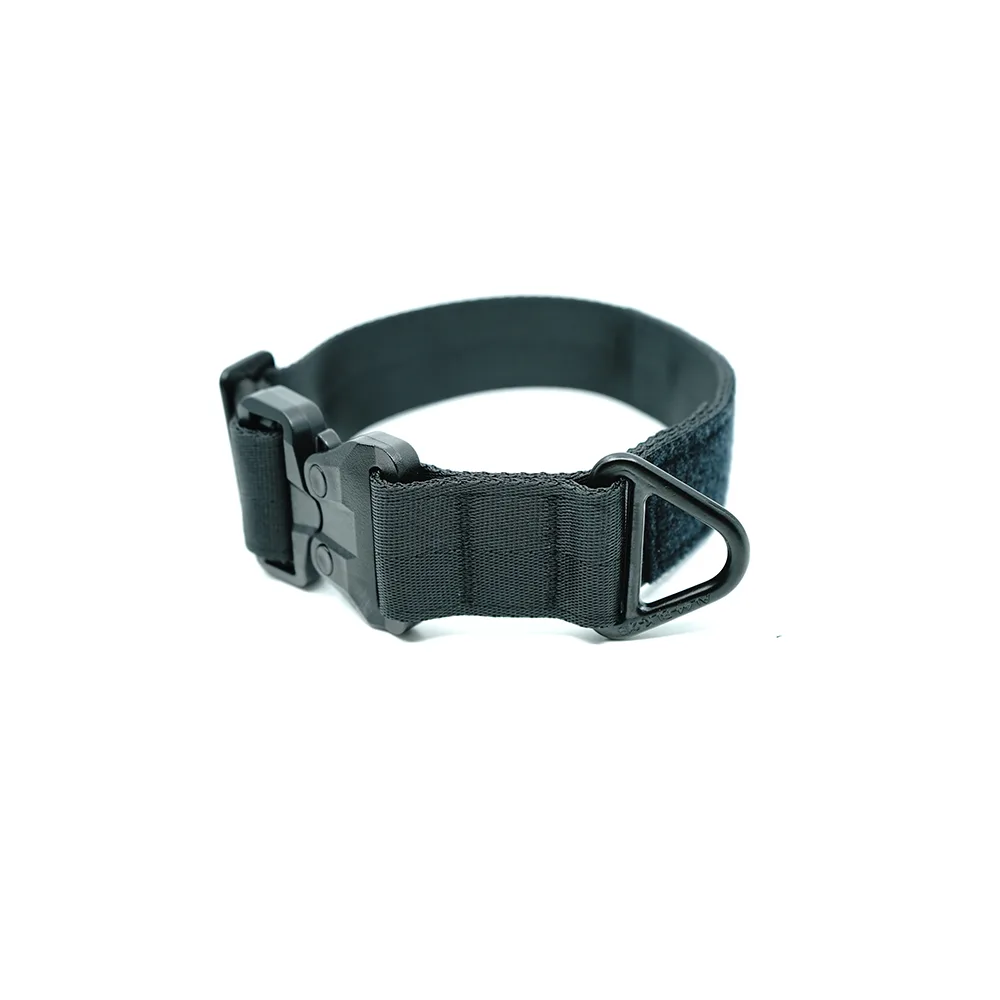
- Everyday Collar 1.75": The Everyday Collar 1.75" comes in multiple widths and hardware options, including buckle and color choices, and is designed for small, medium, or large breeds. After you measure your dog's neck, you can pick the width and buckle style that matches your dog's size and your handling preference.
- Redline K9 Agitation Muzzle: The Redline K9 Agitation Muzzle is available in Small, Medium, Large, and Extra-Large, with Small fitting most small Malinois or small GSD. Use your snout length and circumference measurements to choose the size that gives your dog room to pant without letting the muzzle slide.