Quick answer
Measure your dog's neck snugly with a soft tape, then add about two inches (roughly two fingers' width) for comfort. Choose a collar whose adjustable range covers that final number, and for growing puppies or thick-coated breeds, lean toward the larger end of the range rather than the smallest setting.
How to measure your dog's neck correctly
Stand or kneel beside your dog and loop a soft fabric tape measure around the middle of the neck, just below the ears and above the shoulders. Keep the tape level all the way around, not angled up toward the head or down toward the chest. Pull it snug enough that the fur compresses slightly, but not so tight that it digs into the skin. If you do not have a fabric tape, use a piece of string or a shoelace, mark where the ends meet, then lay it flat against a ruler.
- Measure the middle of the neck, not the base or the head.
- Keep the tape level and snug, compressing fur but not skin.
- Write the number down and measure twice to catch slips.
How much room should a collar have?
A well-fitted collar should let you slide two fingers, flat and side by side, between the collar and your dog's neck. That is roughly one to two inches of extra room for most medium and large dogs, and closer to one inch for toy breeds. Too little room risks choking or skin irritation; too much room lets a dog back out of the collar during a walk or a startled moment. For thick-coated breeds, measure over the coat and add the same allowance, because a collar that fits the fur but not the body will slide around.
- Two fingers flat under the collar is the standard comfort check.
- Toy breeds: about one inch of allowance; medium and large dogs: one to two inches.
- Measure over the coat for double-coated or long-haired dogs.
Small vs large dog collar sizing
Small dogs and puppies need lighter hardware and narrower webbing so the collar does not overwhelm a thin neck. Large dogs need wider straps and sturdier buckles to spread pressure and hold up to pulling. The measurement method is the same, but the acceptable range is tighter for small dogs because a collar that is too loose on a narrow neck can slip over the head. For giant breeds, check that the adjustable range actually reaches your dog's neck size rather than assuming a size label like XL will fit.
- Small dogs: narrower collar, lighter buckle, snugger allowance.
- Large dogs: wider strap, stronger hardware, still two fingers of room.
- Always compare your measurement to the collar's listed adjustable range.
Adjustable collars and where to set them
Most collars list a range, such as 14 to 20 inches, rather than a single size. Your dog's measurement should fall comfortably inside that range, not at the very last hole or the tightest setting. If your dog is between two ranges, choose the range where your measurement sits closer to the middle. That gives you room to loosen the collar after a haircut or tighten it if the fit changes with the seasons. For puppies, buy for the upper end of their expected adult size only if the collar can be adjusted down safely now; otherwise use a cheaper interim collar and size up later.
- Aim for the middle of the adjustable range, not the last hole.
- Leave room to adjust after grooming or coat changes.
- Puppies: prioritize a safe current fit over a future size.
Fit checks to repeat over time
Recheck the two-finger rule every few weeks, especially with puppies, seniors, or dogs on a weight-change program. A collar that was perfect in winter can become tight in summer if your dog's coat thickens, and a dog that loses weight can slip a loose collar. Rotate the collar gently around the neck to make sure it does not catch on tags or matted fur. If you see hair loss, redness, or a persistent scratch near the buckle, the fit or the material needs attention.
- Recheck fit monthly and after any weight or coat change.
- Look for rubbing, hair loss, or redness under the strap.
- Make sure tags and buckles do not dig into the neck.
Decision rules for choosing a collar size
- If your dog is fully grown and the measurement is stable: Pick the adjustable range where your dog's neck measurement sits near the middle, and set the collar so two fingers fit flat underneath. A mid-range fit gives you room to adjust without buying a new collar.
- If your dog is a puppy or still growing: Buy a collar that fits safely today and plan to replace it as the neck grows; do not rely on a single collar to last through adulthood. Safety now beats guessing an adult size.
- If your dog has a thick or double coat: Measure over the coat and add the same two-finger allowance, then check that the collar does not slide over the head when your dog pulls backward. Coat thickness changes the number, not the method.
- If your dog is between two collar sizes: Choose the range where your measurement falls closer to the middle, not the range where you would need the last hole. Middle-of-range fits are the most adjustable and comfortable.
Product facts that help with fit and daily use
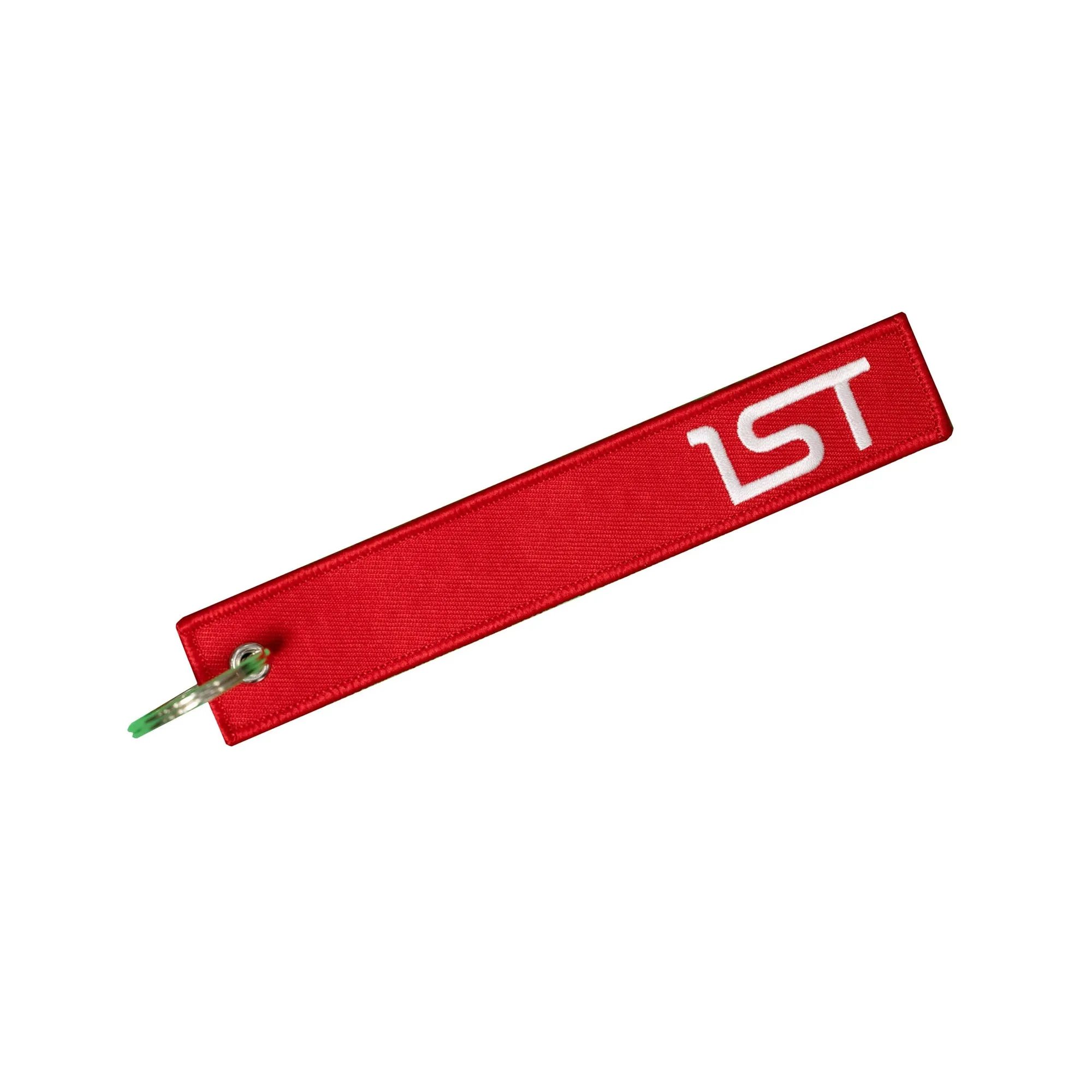
- 1ST "Remove Before Flight" Keychain: Fabric key chain with embroidered 1ST logo on one side and "REMOVE BEFORE FLIGHT" writings on the other side. A lightweight fabric tag adds almost nothing to the collar's weight, so it will not pull a small dog's collar down or change the fit.
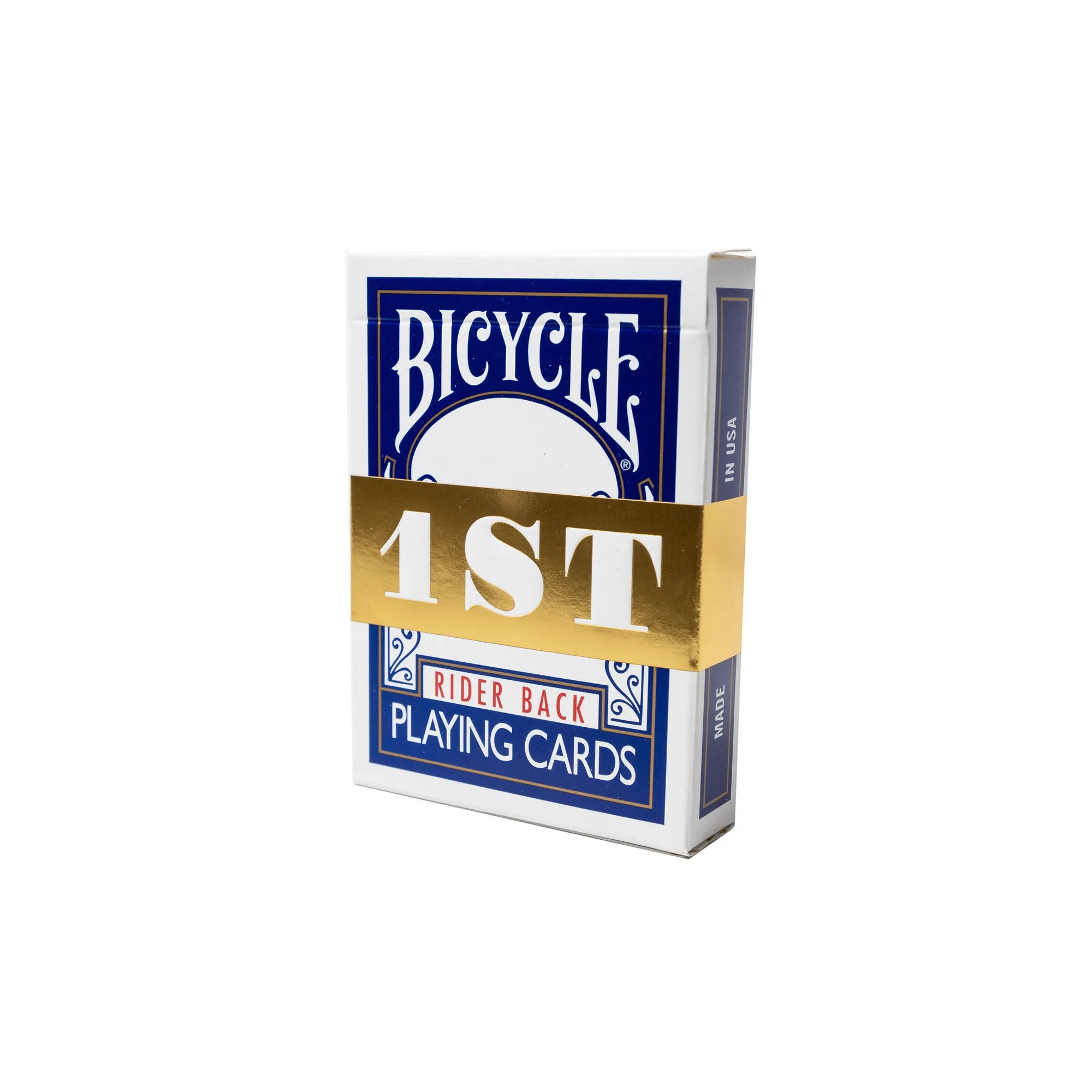
- 1ST Edition Bicycle Rider Backs In Blue: 1ST Edition Bicycle Rider Backs in blue, a limited collaboration with the iconic Rider Back design. A sturdy, well-made deck is a good reminder that the same care you put into choosing gear applies to everyday items; this deck is for card handling, not for your dog.
Who this sizing approach is for
Best for
- Owners measuring a dog for a first collar or a replacement
- Puppy owners who need a safe fit now and a plan to size up later
- Owners of thick-coated or between-size dogs who need a repeatable method
Not for
- Dogs that need a veterinary-recommended harness or head collar for medical or behavioral reasons
- Owners looking for a hands-free running setup, which requires a different measuring approach