Choosing the right collar is one of the most important decisions you'll make for your dog. With so many options on the market, it can be overwhelming to know which type suits your furry friend best. From everyday flat collars to training-specific martingales, each design serves a unique purpose.
In this comprehensive guide, we'll break down the most popular dog collar types, compare their pros and cons, and help you make an informed choice. We'll also highlight some standout products from Säker Canine, including the KelpTM Collar and the https://sakercaninefpz.com/products/es-2006-aeb71f43a7a4e2af0cf4dd84-515038https://sakercaninefpz.com/products/pl-2006-91e1836f57645a78363f6044-515041https://sakercaninefpz.com/products/00-2006-3e164481b99dbfc958394a4a-515042https://sakercaninefpz.com/products/tg-2006-11de15b9f2e4d24e7a542380-515045Traction 001, to show you what quality looks like in practice.
Flat Collars: The Everyday Essential
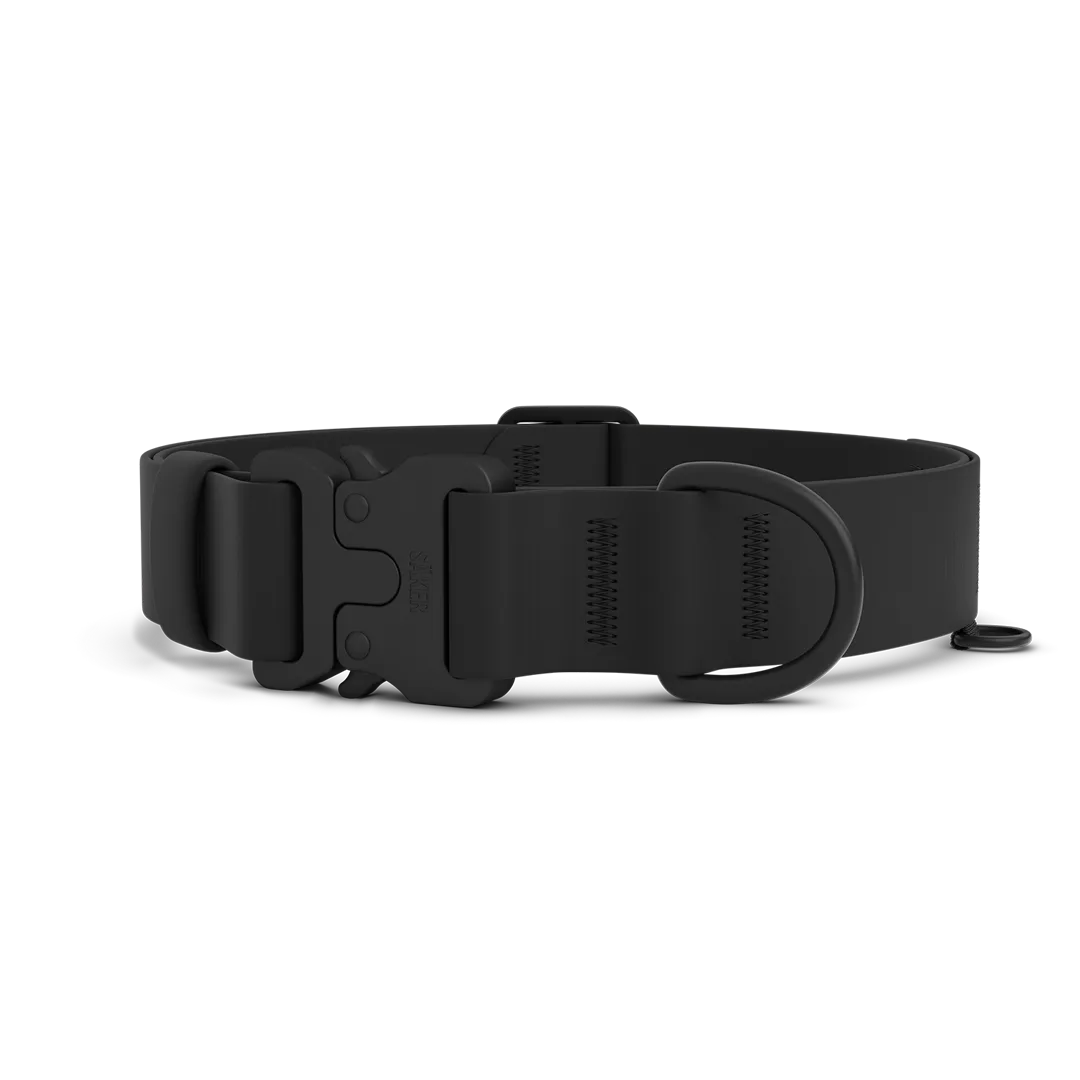
Flat collars are the most common type of dog collar. They consist of a simple strap with a buckle or quick-release clasp and a D-ring for attaching a leash. They're ideal for everyday wear and are suitable for most adult dogs that don't pull excessively.
When choosing a flat collar, material matters. Nylon is durable and easy to clean, while leather offers a classic look that ages beautifully. The KelpTM Collar from Säker Canine is a premium option that combines style and functionality, available in multiple sizes to ensure a comfortable fit.
- Best for: everyday use, ID tags, and attaching a leash.
- Pros: simple, comfortable, and available in a wide range of colors and materials.
- Cons: not suitable for dogs that pull or have neck sensitivity.
Martingale Collars: The Gentle Training Tool
Martingale collars, also known as limited-slip collars, are designed to prevent dogs from slipping out of their collar. They feature a larger loop that tightens slightly when the dog pulls, providing a gentle correction without choking. This makes them an excellent choice for breeds with narrow heads, like Greyhounds or Whippets.
Compared to flat collars, martingales offer more control during walks and are often recommended for training. However, they should be used with caution and never left on an unsupervised dog, as the tightening loop can catch on objects. When selecting a martingale, look for one with a control loop and a quality buckle.
- Best for: dogs that tend to back out of collars, training sessions.
- Pros: prevents escape, provides gentle correction, reduces strain on the neck.
- Cons: requires proper fitting, not for constant wear.
Harnesses: A Safer Alternative for Pullers
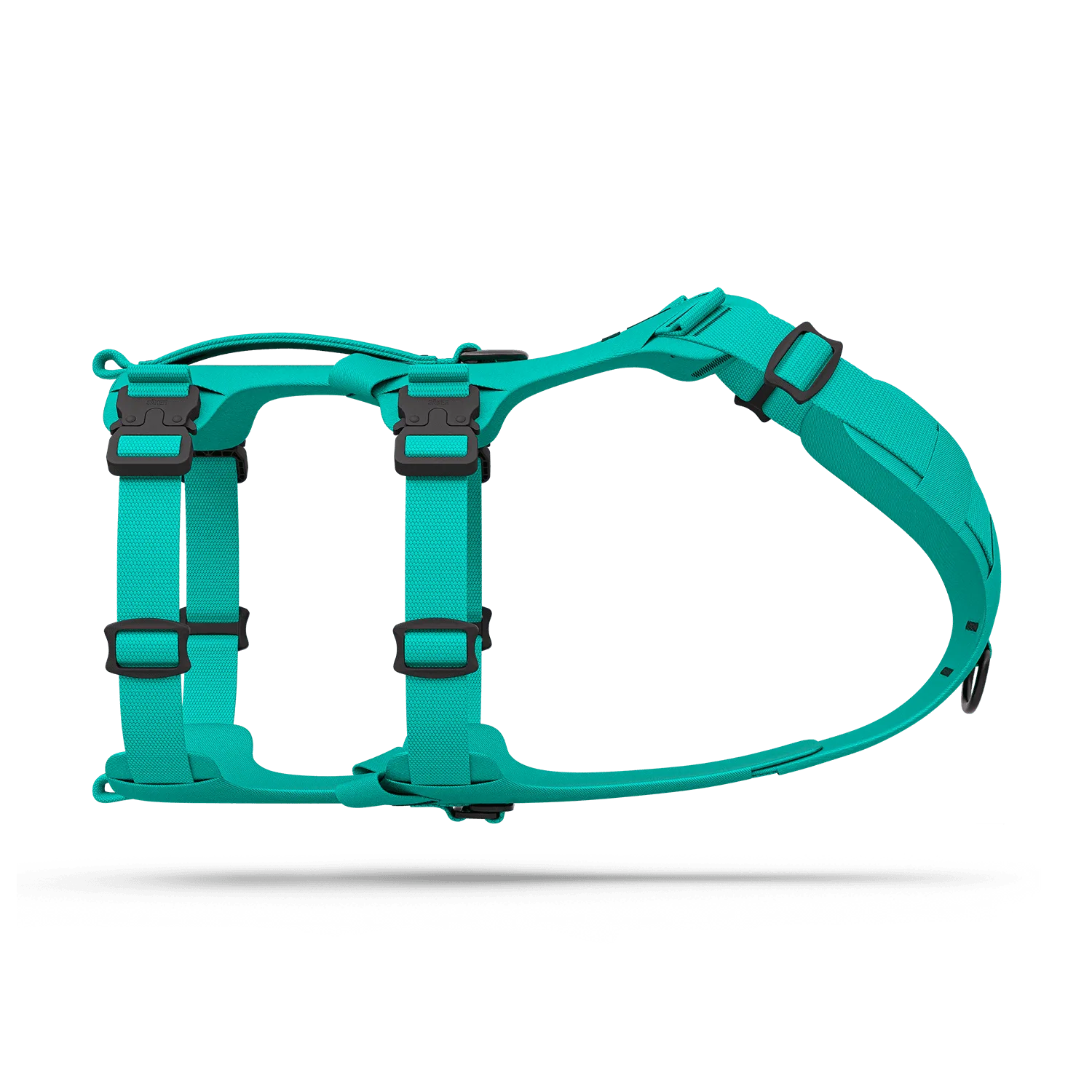
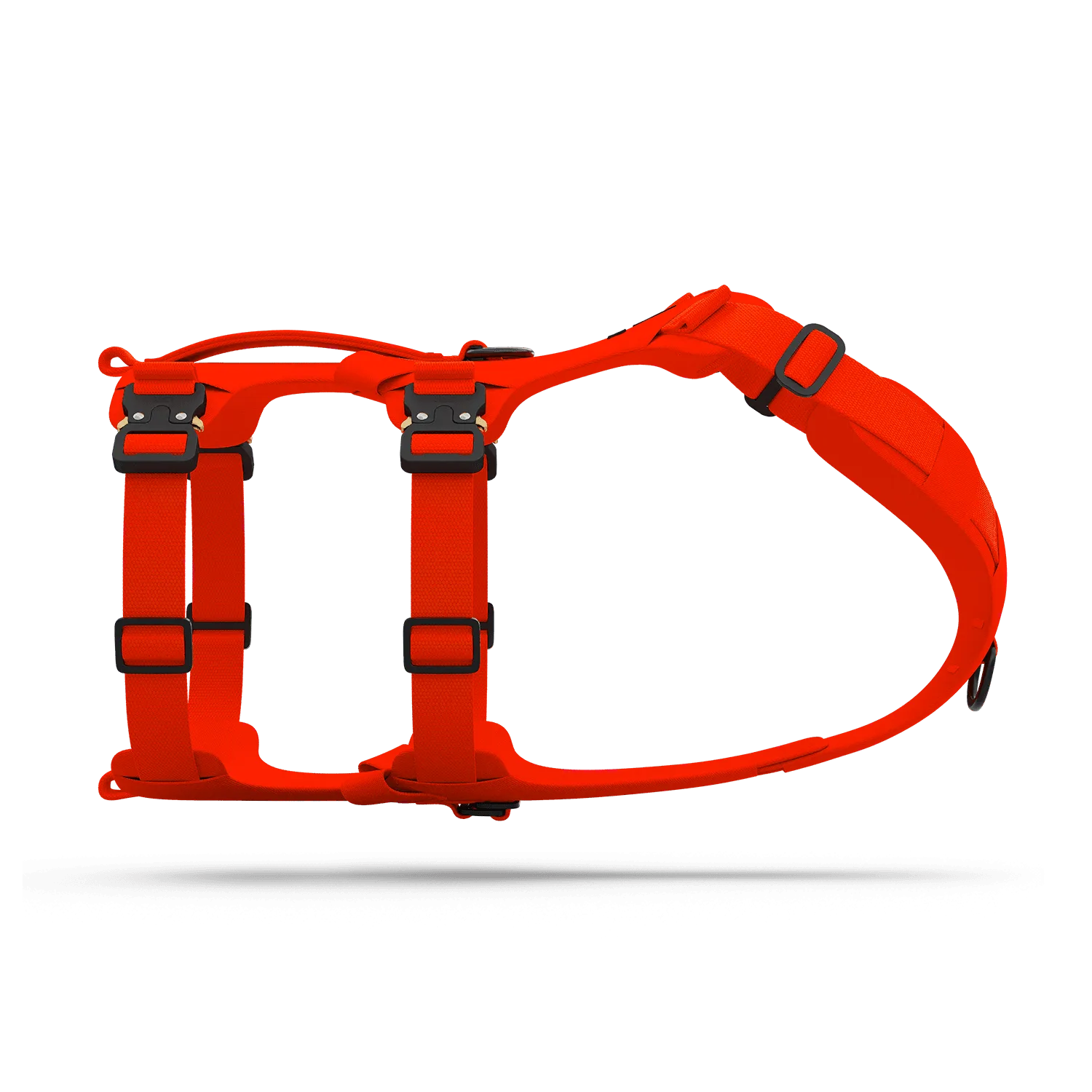
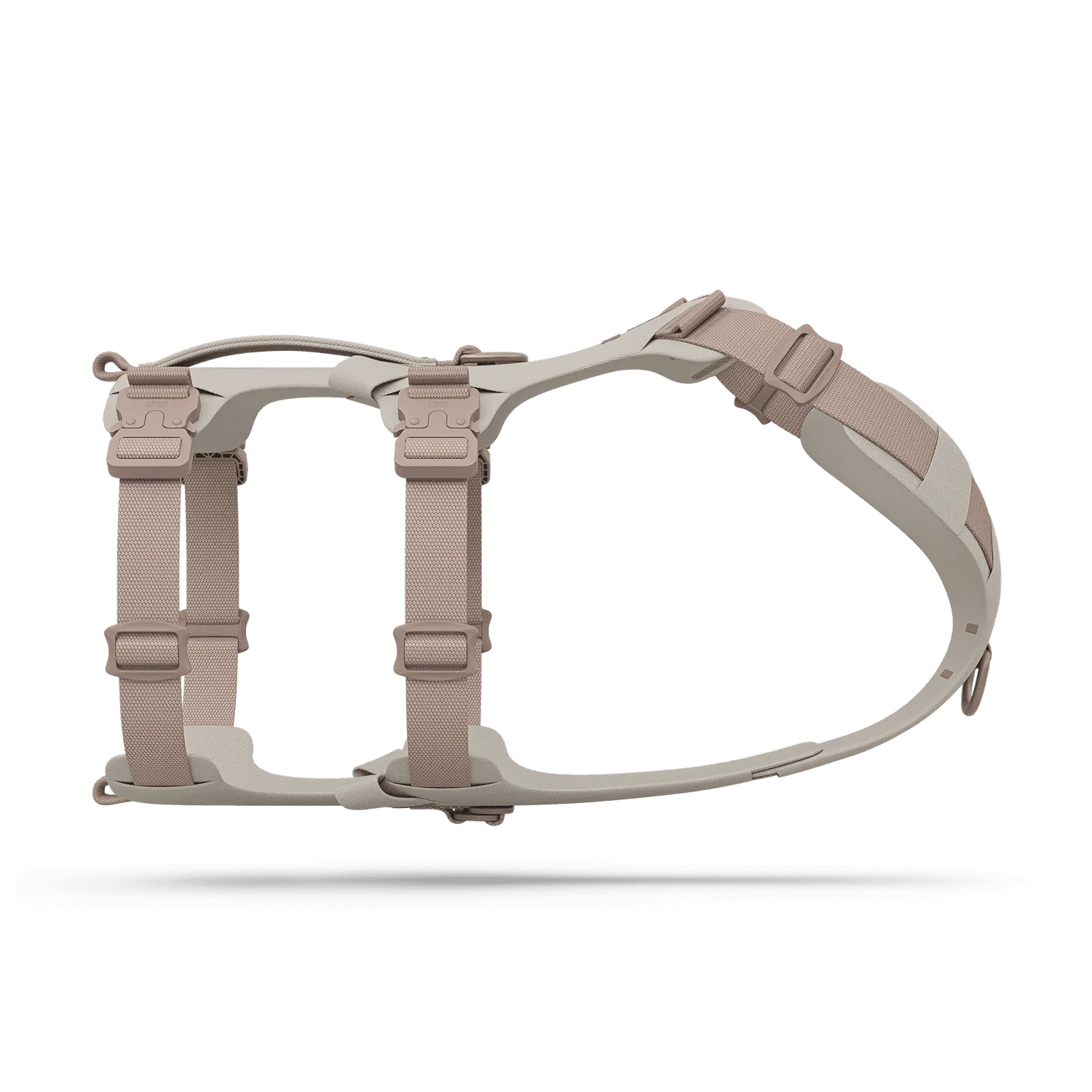
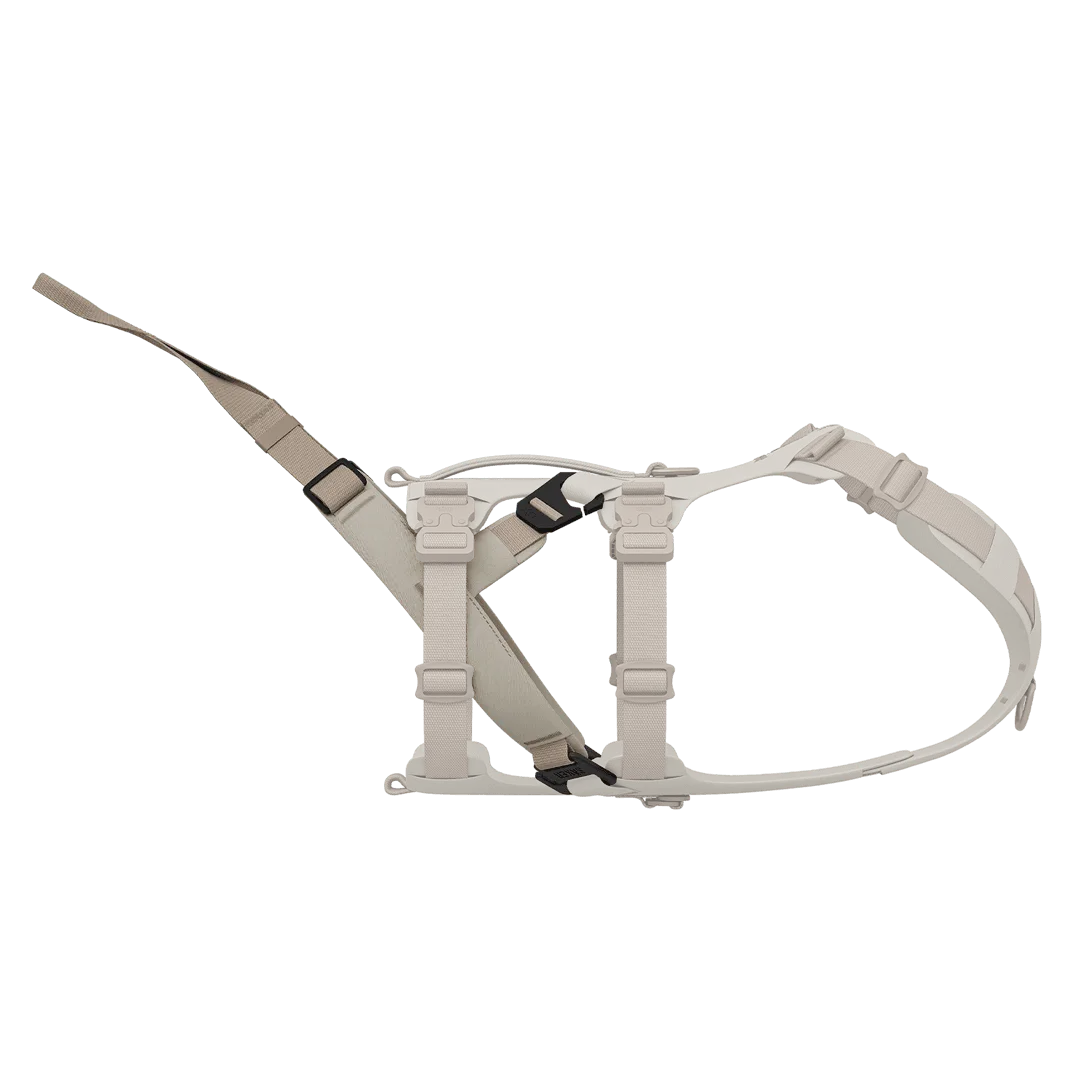
While not technically a collar, harnesses are a popular alternative for dogs that pull or have respiratory issues. They distribute pressure across the chest and back, reducing the risk of neck injury. For dogs that pull, a front-clip harness can help steer them back to your side.
Säker Canine offers the MuseTM harness, which is designed for both comfort and control. Its padded chest plate and adjustable straps ensure a secure fit, making it a favorite among owners of active dogs. If you're dealing with a puller, a harness might be the best solution.
- Best for: dogs that pull, small breeds, dogs with tracheal issues.
- Pros: reduces neck strain, better control, comfortable for extended wear.
- Cons: can be bulky, may restrict movement if poorly fitted.
Specialty Collars: AirTag Holders and More
In the age of smart technology, specialty collars and accessories have gained popularity. For instance, AirTag holders allow you to attach a tracking device to your dog's collar, giving you peace of mind if they ever wander off. The ShieldTM Airtag Holder from Säker Canine is a rugged and waterproof option that keeps your AirTag secure.
Other specialty options include breakaway collars for cats, but for dogs, you might also consider collars with reflective stitching for nighttime visibility. When choosing a specialty collar, ensure it doesn't compromise on safety or comfort.
- Best for: tech-savvy owners, nighttime visibility, specific needs.
- Pros: adds functionality, enhances safety.
- Cons: may add bulk, requires additional investment.
Material Matters: Nylon, Leather, and More
The material of your dog's collar affects its durability, comfort, and maintenance. Nylon is lightweight, quick-drying, and easy to wash, making it ideal for active dogs. Leather is durable and develops a nice patina over time, but it requires regular conditioning and isn't waterproof.
Other materials like biothane are gaining popularity due to their durability and ease of cleaning. When comparing collars, consider your dog's lifestyle. If they love swimming, a waterproof material is a must. For everyday elegance, leather or a high-quality nylon like the KelpTM Collar is a great choice.
- Nylon: affordable, easy to clean, many colors.
- Leather: classic, durable, requires maintenance.
- Biothane: waterproof, easy to clean, strong.
How to Choose the Right Collar for Your Dog
Now that you understand the different types, it's time to make a decision. Start by considering your dog's size, breed, and behavior. For a calm, well-trained dog, a flat collar like the KelpTM Collar is perfect. If your dog tends to pull, a harness or martingale might be better.
Also, think about the environment. If you walk in the dark, choose a collar with reflective features. If you're tech-savvy, consider adding an AirTag holder for extra security. Remember, the best collar is one that fits well and feels comfortable for your dog.
- Measure your dog's neck and add two fingers for a comfortable fit.
- Check the collar regularly for wear and tear.
- Consider your dog's activity level and any health issues.
Choosing the right dog collar is a balance of safety, comfort, and functionality. Whether you opt for a classic flat collar, a training martingale, or a harness, always prioritize your dog's well-being. Explore Säker Canine's range of collars and accessories to find the perfect match for your furry friend.