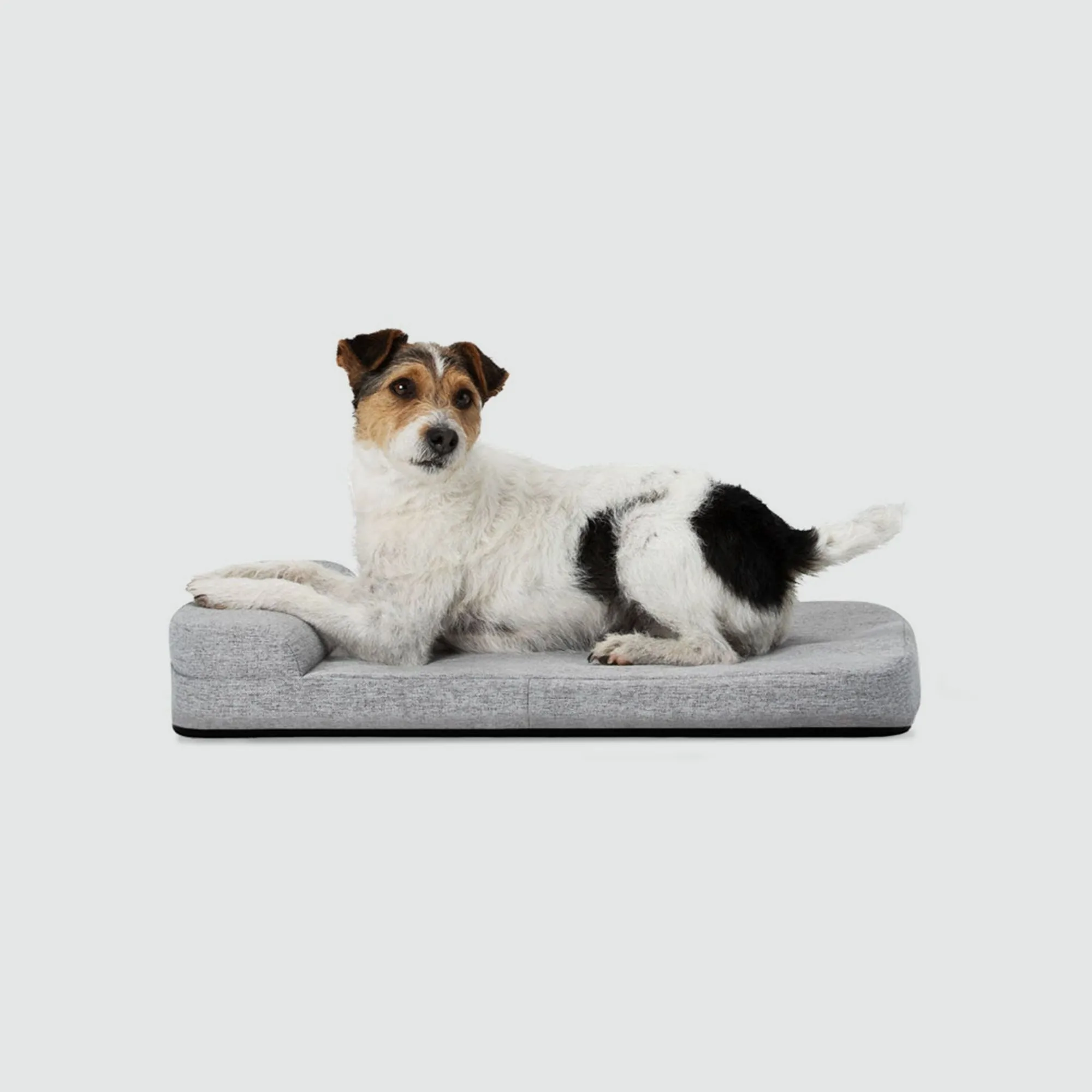
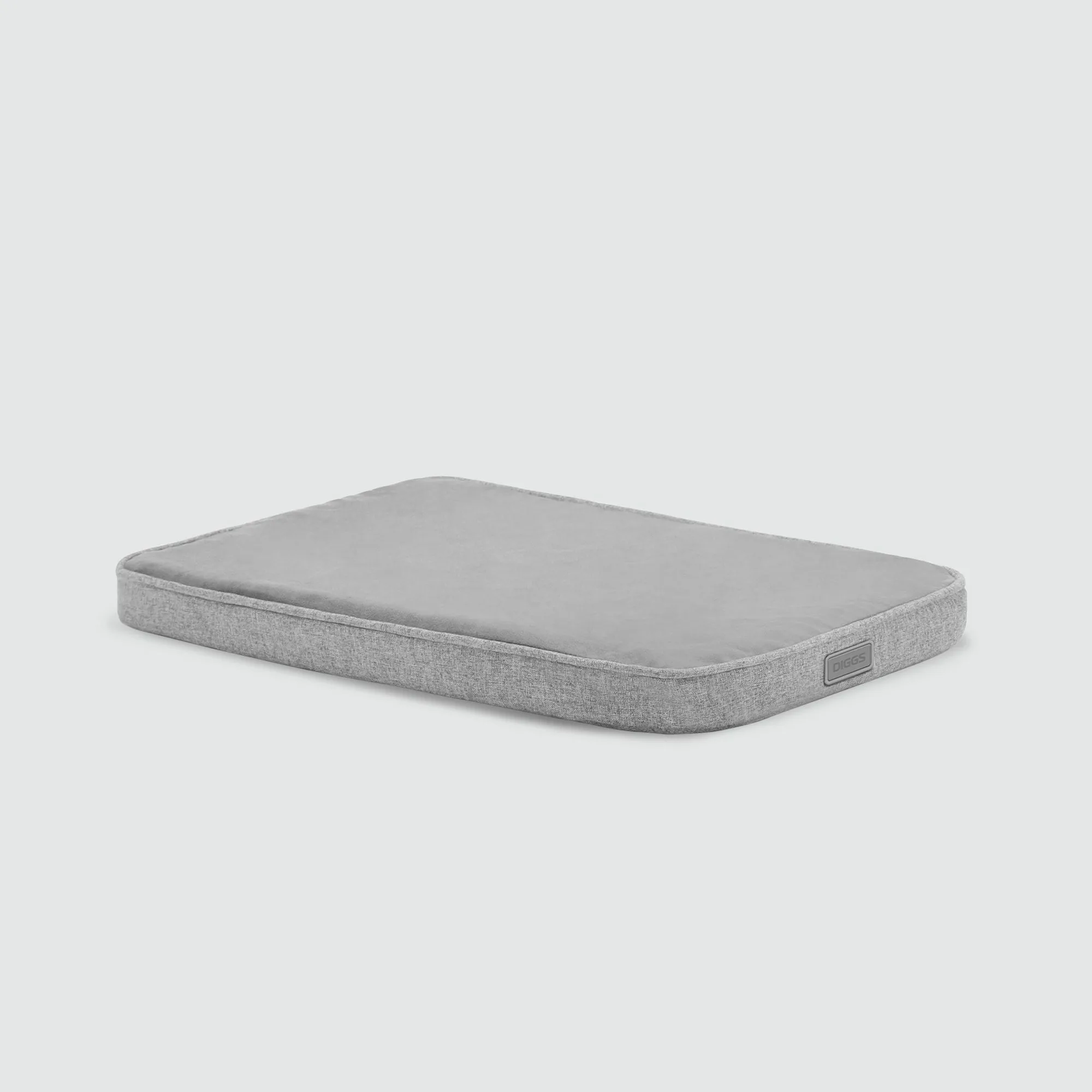
Quick Answer
Successful dog crate training relies on patience, positive associations, and a consistent routine. Start with short sessions, make the crate comfortable, and never use it as punishment. The Evolv Dog Crate from Diggs® offers a spacious, well-ventilated design that supports this process.
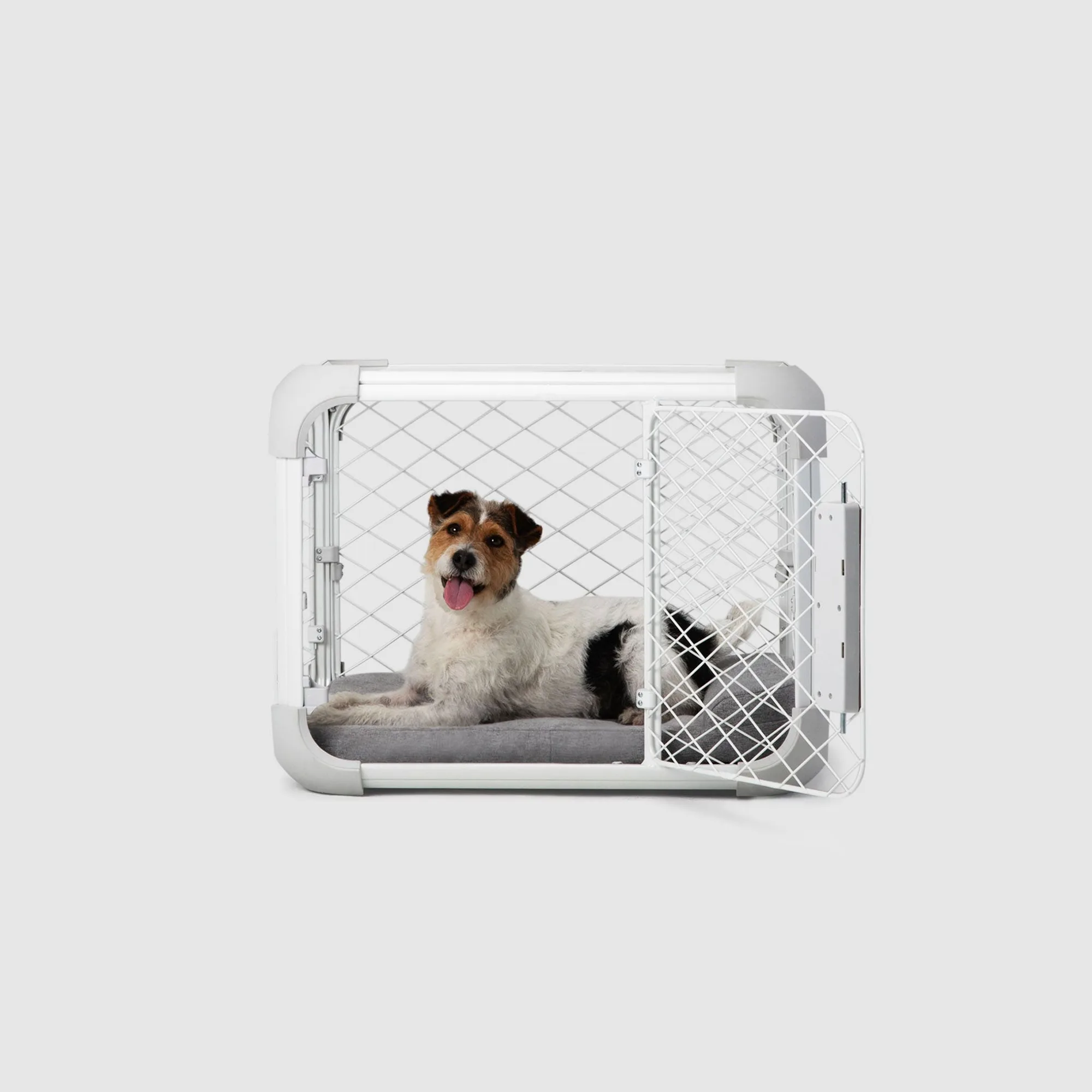
Evolv Dog Crate
Crate training is one of the most effective ways to give your dog a safe den-like space while aiding in housebreaking and preventing destructive behavior. When done right, it becomes a place your dog loves, not fears. This guide walks you through the basics, step by step, with practical tips to avoid common pitfalls.
Whether you're bringing home a new puppy or an adult dog, the principles remain the same: build positive associations, keep sessions short, and always end on a good note. With the right approach and tools—like the Evolv Dog Crate—you'll set both you and your pet up for success.
Getting Started: Choosing the Right Crate
Before you begin, ensure the crate is the right size. It should be large enough for your dog to stand, turn around, and lie down comfortably, but not so big that they can use one end as a bathroom. The Evolv Dog Crate offers multiple sizes, so measure your dog and consult the size guide to pick the best fit.
Place the crate in a quiet, family-oriented area—not isolated. Dogs are social animals and need to feel part of the household. Avoid high-traffic spots where they might feel anxious. The crate should be a calm retreat, not a punishment zone.
- Choose a crate with good ventilation and visibility, like the Evolv Dog Crate, to help your dog feel secure.
- If you have a puppy, consider the Evolv Divider to adjust the space as they grow.
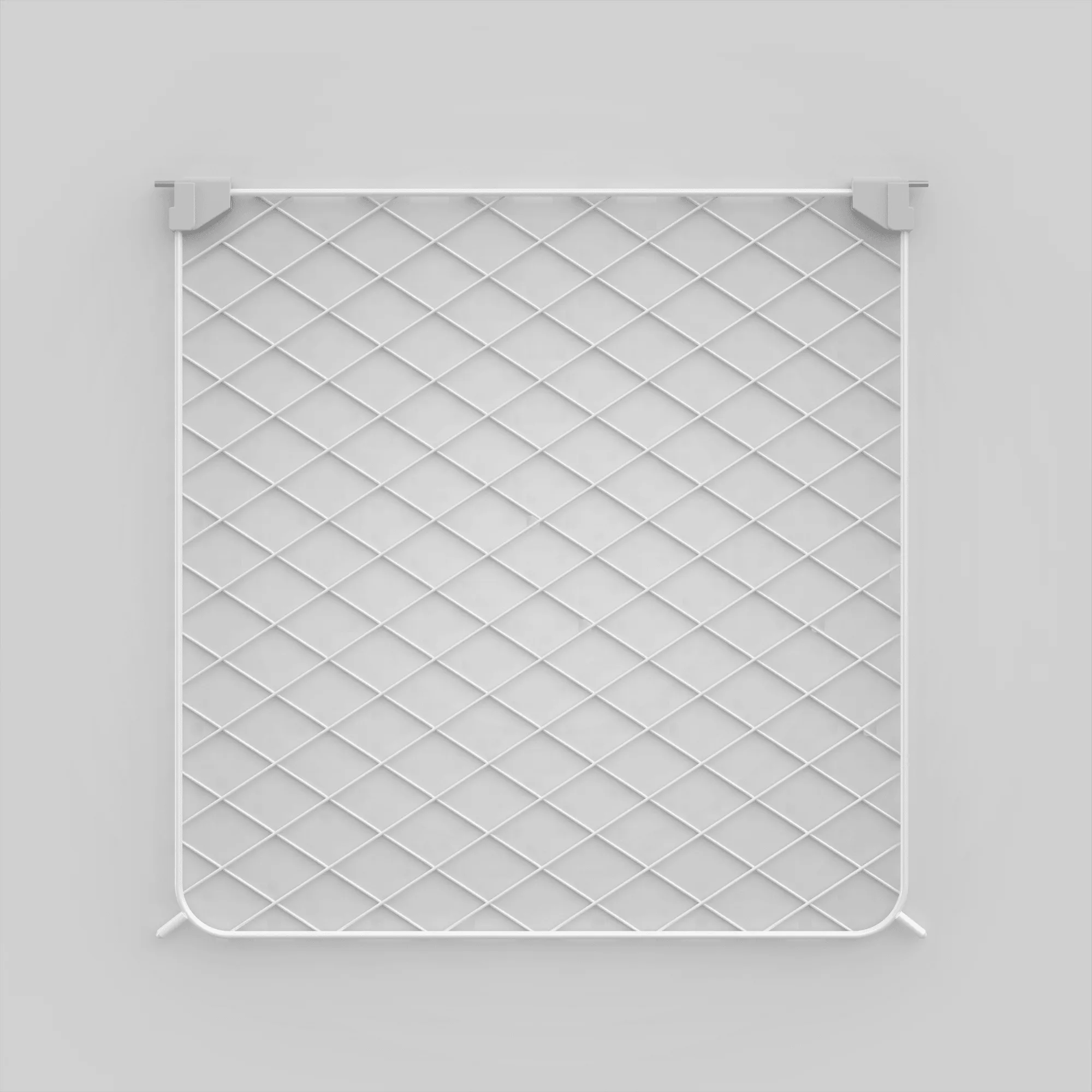
Evolv Divider
Making the Crate Inviting
Add comfortable bedding to make the crate cozy. The Snooz Revol Pad, designed to fit the Evolv, features CertiPUR-US® memory foam and a washable outer layer—perfect for comfort and easy cleaning. A soft bed encourages your dog to relax and associate the crate with comfort.
Introduce treats and toys inside the crate to create positive associations. For example, the Groov Training Aid is a patented crate training aid that encourages licking, which has a calming effect on dogs. Fill it with a frozen treat to keep your pup occupied and happy during crate time.
- Use a crate pad that is easy to wash—accidents happen during training.
- Rotate toys and treats to keep the crate exciting.
Step-by-Step Training Process
Start with the crate door open and let your dog explore on their own. Toss treats inside to encourage them to enter voluntarily. Once they are comfortable going in, close the door for a few seconds while you sit nearby, then open it. Gradually increase the duration as your dog stays calm.
Feed your dog meals inside the crate to build a positive association. Use a command like 'crate' or 'bed' when they enter. Never force your dog inside—this creates fear. Instead, lure them with treats and praise.
- Keep initial sessions short (5-10 minutes) to avoid stress.
- Always end with a treat and praise, even if the session was brief.
Common Mistakes to Avoid
One of the biggest mistakes is using the crate as punishment. Your dog should never associate the crate with negative experiences. Another common error is leaving your dog in the crate for too long—puppies especially need frequent potty breaks. A good rule of thumb is one hour per month of age, plus one.
Ignoring signs of distress, like excessive whining or barking, can also set back progress. If your dog is anxious, take a step back and slow down. The goal is to build trust, not force compliance.
- Never use the crate as a time-out spot.
- If your dog cries, wait for a pause before letting them out to avoid reinforcing whining.
Step-by-Step Crate Training Checklist
- Introduce the crate: Place the crate in a quiet, social area with the door open. Toss treats inside and let your dog explore at their own pace. Checkpoint: Your dog should willingly enter the crate without hesitation.
- Build positive associations: Feed meals inside the crate and provide engaging toys like Groov. Use a verbal cue like 'crate' each time they enter. Checkpoint: Your dog should associate the crate with good things, not fear.
- Practice short closures: Close the door for a few seconds while you stay nearby, then gradually increase the time. Always reward calm behavior. Checkpoint: Your dog remains relaxed with the door closed.
- Extend duration gradually: Increase the time your dog spends in the crate, but never exceed their physical limits. For puppies, follow the one-hour-per-month rule. Checkpoint: Your dog can stay calm for at least 30 minutes without distress.
- Use a divider for puppies: If using the Evolv Divider, adjust it as your puppy grows. This prevents them from using one end as a bathroom, reinforcing house training. Checkpoint: Your puppy is housebroken and doesn't soil their sleeping area.
Products That Support Crate Training
- Evolv Dog Crate: Evolv - S The Evolv Dog Crate offers a sturdy, well-designed space that feels secure for your dog, making it an ideal foundation for crate training.
- Snooz Revol Pad: Lounge in style and comfort in this orthopedic dog crate pad that features premium CertiPUR-US® memory foam. Soft and luxurious, with a washable outer layer, this outstanding crate pad is designed to fit perfectly with Revol. Comfortable bedding encourages your dog to relax and enjoy crate time, while the washable cover simplifies cleanup during training accidents.
- Groov Training Aid: Meet Groov, the original, patented crate training aid designed to encourage licking, proven to have a calming effect on dogs. It's a great enrichment tool and an easy way to help your pup love crate time. Licking is a natural calming behavior, so using Groov inside the crate helps reduce anxiety and builds a positive association with the space.
- Evolv Divider: (no catalog description supplied) The Evolv Divider allows you to adjust the crate size as your puppy grows, ensuring they have just enough room—crucial for housebreaking success.
Crate training is a journey that requires patience and consistency. By following these steps and using supportive products like the Evolv Dog Crate and Groov Training Aid, you can create a positive experience that benefits both you and your dog. Remember, every dog learns at their own pace—celebrate small victories and keep sessions fun.