Bringing home a new crate can be an exciting yet stressful experience for both you and your dog. Many pet parents struggle with crate training, often because their furry friend views the crate as a scary cage rather than a cozy den. However, with the right approach, you can turn the crate into your dog’s favorite safe space—a place where they feel secure, relaxed, and happy.
In this guide, we’ll walk you through practical dog crate introduction tips, from choosing the right location to using positive reinforcement. Whether you’re training a puppy or an adult dog, these steps will help you create a positive crate experience that benefits both of you.
Why Crate Training Matters for Your Dog
Crate training is more than just a way to keep your dog contained. When done correctly, it provides a den-like environment that taps into your dog’s natural instincts. Dogs are den animals, and a crate can become their personal sanctuary where they can retreat from the hustle and bustle of daily life. This is especially beneficial for dogs that experience anxiety or need a quiet place to rest.
A properly introduced crate also aids in house training, prevents destructive behaviors when you’re away, and ensures your dog’s safety during travel or emergencies. By investing time in crate training, you’re not just teaching your dog to tolerate confinement—you’re giving them a valuable tool for emotional well-being.
- Crate training helps with housebreaking by encouraging your dog to hold their bladder.
- A crate provides a safe haven during thunderstorms, fireworks, or stressful events.
- Crates are essential for safe car travel and vet visits.
Choosing the Right Crate and Location
Before you start training, ensure you have the right crate size. Your dog should be able to stand up, turn around, and lie down comfortably. A crate that’s too large may encourage your dog to use one end as a bathroom, while one that’s too small can cause discomfort. Consider a durable option like a stackable dog crate with wheels, which offers flexibility and easy mobility around your home.
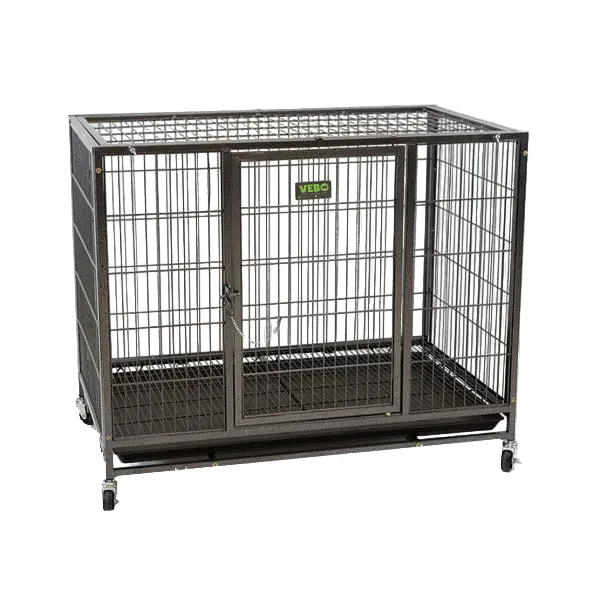
stackable dog crate with wheels
Placement is equally important. Set the crate in a high-traffic area where your family spends time, such as the living room, so your dog feels included rather than isolated. Avoid placing it in a dark, damp basement or a hot, sunny spot. You want the crate to feel like part of the family space, not a punishment corner. Adding a comfortable bed, like a Mutt Matts, can make the crate more inviting and cozy.

Mutt Matts
- Measure your dog before purchasing a crate to ensure the right fit.
- Place the crate in a social area of your home, but away from direct heat sources.
- Add soft bedding and a familiar toy to make the space appealing.
Step-by-Step Introduction: Making the Crate Inviting
Start by leaving the crate door open and allowing your dog to explore at their own pace. Toss a few treats inside, like small pieces of chicken or cheese, to encourage them to venture in. You can also feed your dog their meals near the crate, gradually moving the bowl inside. This helps create a positive association with the space.
Once your dog is comfortable entering the crate, begin closing the door for short periods while you sit nearby. Gradually increase the duration, always rewarding calm behavior. Use a cue like “crate” or “bed” when your dog goes in, and give a treat each time. Remember to stay positive and patient—never force your dog into the crate, as this can create fear and resistance.
- Use high-value treats that your dog doesn’t get every day to make the crate special.
- Practice short sessions multiple times a day rather than one long session.
- Never use the crate as a punishment; it should always be a positive place.
Building Positive Associations with Toys and Rewards
Toys can be powerful tools for crate training. Interactive toys that dispense treats, like a KONG, can keep your dog engaged and happy inside the crate. Fill a KONG with peanut butter or frozen yogurt and give it to your dog only when they’re in the crate. This creates a strong positive link between the crate and enjoyable experiences.
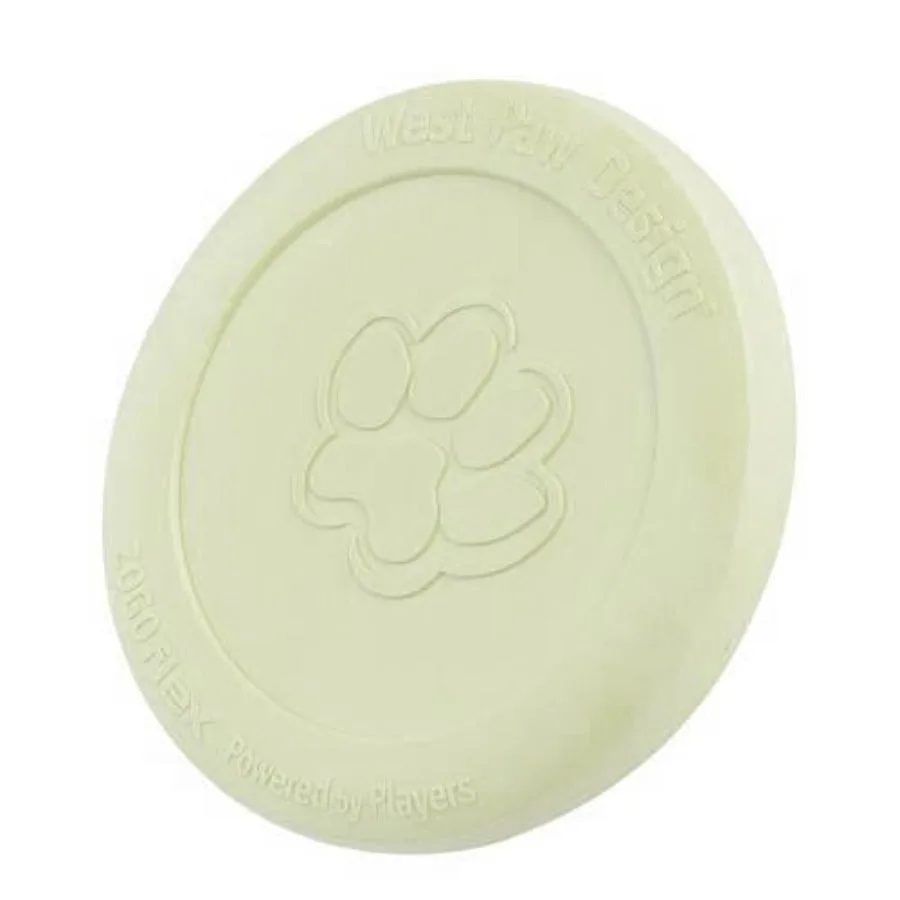
Another great option is a glow-in-the-dark toy like the Zisc - Glow In The Dark, which can be especially fun for dogs who love to chase and fetch. Even though you might not play fetch inside the crate, having a special toy that only appears during crate time can make the space more exciting. Rotate toys to keep the novelty alive, but always supervise your dog with new toys to ensure safety.
- Reserve special toys for crate time to keep them exciting.
- Use puzzle toys to mentally stimulate your dog while they’re confined.
- Always choose durable toys that are appropriate for your dog’s chewing strength.
Handling Whining and Anxiety During Crate Training
It’s normal for dogs to whine or bark when they’re first introduced to a crate. The key is to ignore the noise and only reward quiet behavior. If your dog whines, wait for a moment of silence, then give a treat. This teaches them that calmness is what gets attention, not fussing. Avoid letting your dog out while they’re whining, as this reinforces the behavior.
For dogs with severe anxiety, consider using calming aids like a pheromone diffuser or a snuggle toy that mimics a heartbeat. You can also cover the crate with a light blanket to create a more den-like atmosphere. However, make sure there’s adequate ventilation and that your dog doesn’t chew on the blanket. If anxiety persists, consult a professional trainer or veterinarian for additional guidance.
- Never punish your dog for whining; instead, reward quiet moments.
- Use a crate cover to reduce visual stimulation and promote calmness.
- Gradually increase the time your dog spends in the crate to build tolerance.
Common Mistakes to Avoid in Crate Training
One of the biggest mistakes is using the crate as a time-out spot. This creates negative associations and makes your dog dread the crate. Instead, always frame the crate as a positive, voluntary space. Another common error is leaving your dog in the crate for too long, which can lead to accidents and anxiety. Puppies under six months shouldn’t be crated for more than three to four hours at a time.
Also, avoid making a big fuss when you leave or return. This can heighten separation anxiety. Instead, give your dog a treat and calmly leave. When you return, greet them quietly and let them out after they’ve settled. Consistency is key—stick to a routine and keep training sessions short and upbeat.
- Don’t use the crate as punishment.
- Never exceed your dog’s bladder limits; schedule regular potty breaks.
- Keep departures and arrivals low-key to reduce anxiety.
Crate training is a gradual process that requires patience and positive reinforcement. By following these dog crate introduction tips and making the crate a comfortable, rewarding space, you’ll help your dog see it as their own safe haven. Remember to choose the right crate, use treats and toys to build positive associations, and avoid common mistakes. With time, your dog will willingly retreat to their crate for rest and relaxation, giving you peace of mind and them a sense of security.