Quick Answer
Dog dental treats help reduce plaque and tartar buildup through mechanical abrasion and ingredients that support oral health. For everyday dental care, look for treats with a chewy or crunchy texture that encourages chewing, and always pair them with regular brushing for best results.
How Do Dog Dental Treats Work?
Dog dental treats work through a combination of texture and ingredients. The mechanical action of chewing helps scrape away soft plaque before it hardens into tartar. Some treats also include enzymes or compounds that inhibit bacterial growth, though the primary benefit comes from the physical scrubbing.
For example, treats with a chewy center and a firmer outer layer, like chicken-wrapped sticks, encourage longer chewing sessions. Crunchy treats, on the other hand, break into small pieces that can help clean the surfaces of the teeth as your dog bites down.
Are Dental Treats a Replacement for Brushing?
No, dental treats are not a substitute for brushing. They can reduce plaque and tartar, but they don't reach below the gumline or clean the inner surfaces of the teeth as effectively as a toothbrush. For optimal oral health, use dental treats as a supplement to your regular brushing routine.
If your dog resists brushing, treats can still provide meaningful benefits, but be realistic about their limitations. Combine treats with other dental aids like water additives or dental wipes if brushing isn't possible.
How Often Should I Give My Dog Dental Treats?
Most dental treats are designed for daily use, but always check the feeding guidelines on the package. Overfeeding can add extra calories to your dog's diet, so adjust their meal portions accordingly. For small breeds, choose treats that are appropriately sized to avoid choking hazards.
A good rule of thumb is to give one dental treat per day, ideally after a meal. This helps maximize the cleaning effect and gives your dog something to look forward to.
Common Questions About Dog Dental Treats
What ingredients should I avoid in dental treats?
Avoid treats with artificial colours, flavours, preservatives, and harmful sweeteners like xylitol. Look for natural ingredients and low-fat options. Check labels for natural, simple ingredients.
Can dental treats help with bad breath?
Yes, by reducing plaque and tartar, dental treats can help freshen breath. However, persistent bad breath may signal dental disease, so consult your vet. Treats can help, but persistent odor needs a vet visit.
Are dental treats safe for puppies?
Puppies can have dental treats, but choose soft or appropriately sized options to avoid choking. Always supervise and consult your vet for age recommendations. Supervise and choose size-appropriate treats.
Dental Treats from Petplanet
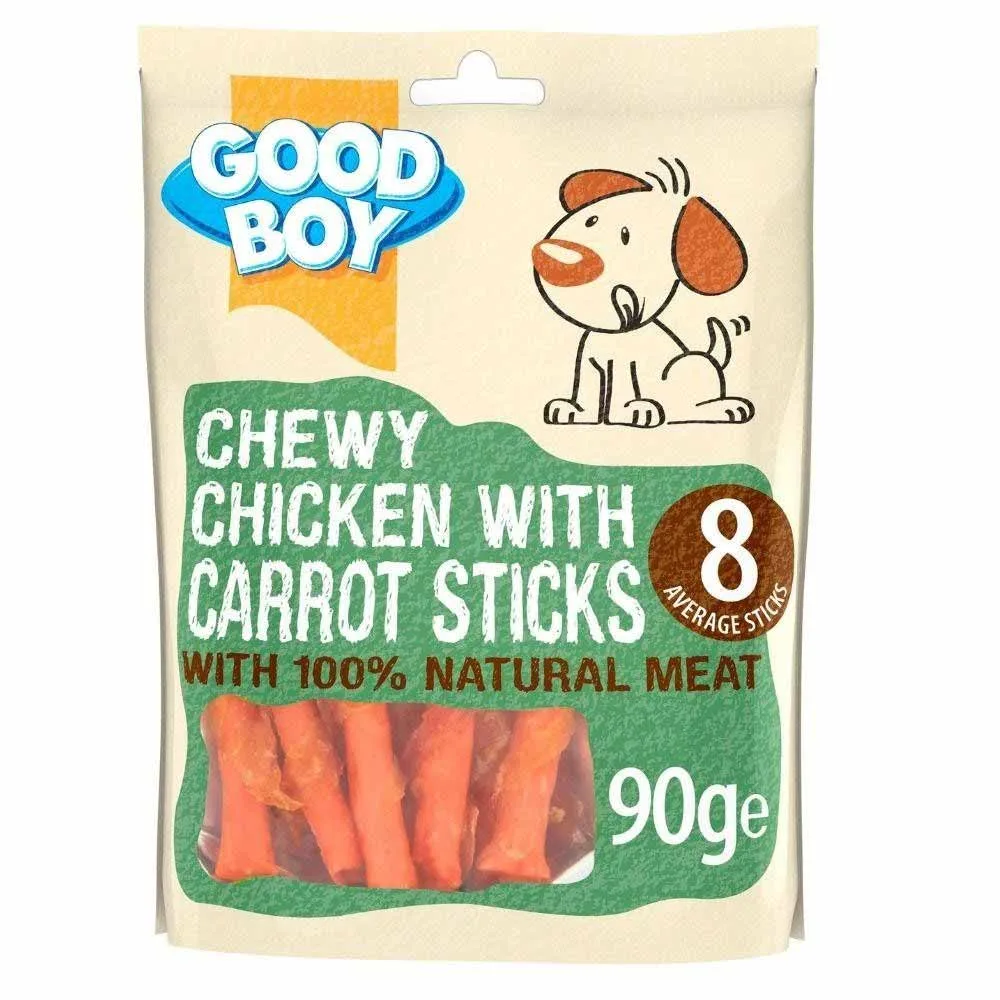
- Good Boy Pawsley Chewy Chicken Sticks with Carrot Dog Treats - 90g: Good Boy Chicken & Carrot Sticks provide an ideal source of lean protein, made with 100% natural chicken breast, no artificial colours, flavours or preservatives, and low in fat. The chewy texture of the chicken wrapped around a carrot center encourages longer chewing, which helps scrub teeth and reduce plaque buildup.
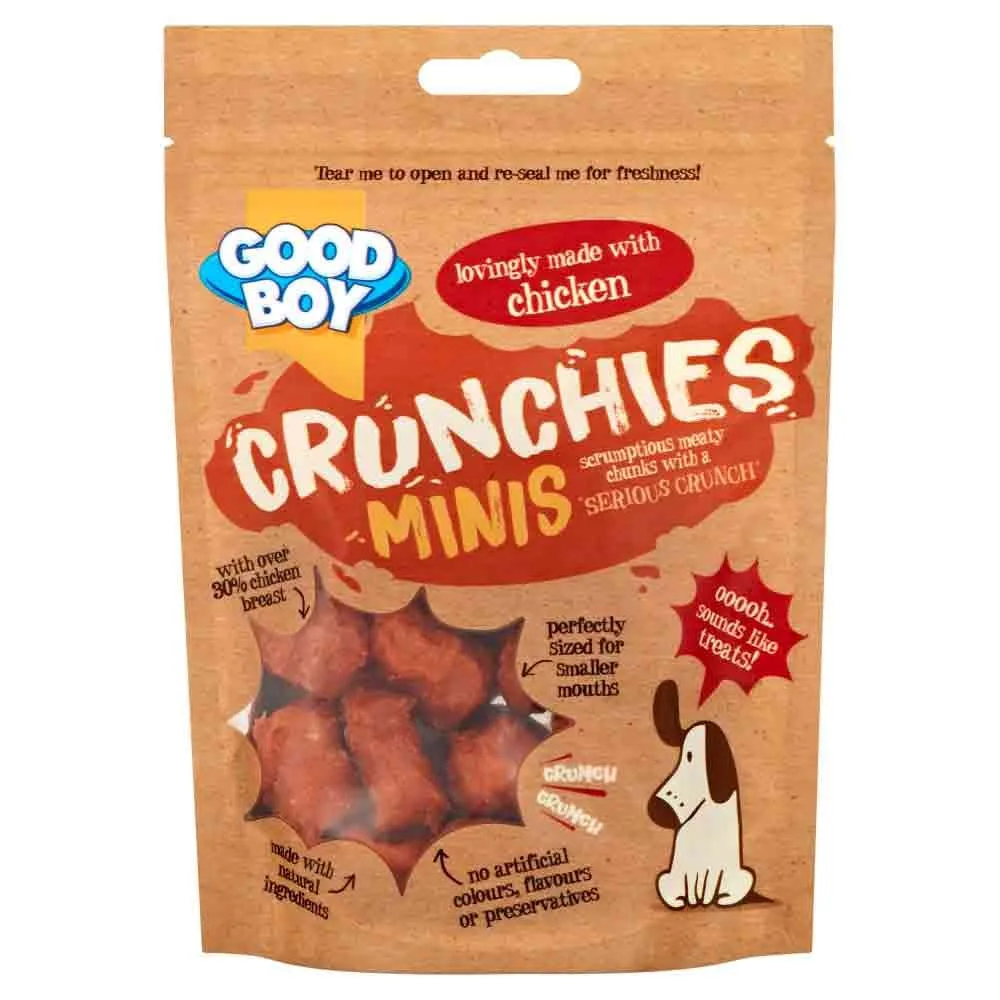
- Good Boy Crunchies Minis Dog Treats - Small Breed - Chicken - 60g: Good Boy Crunchies Minis are made with over 30% natural chicken breast, are perfectly sized for smaller mouths, and contain no artificial colours, flavours or preservatives. The crunchy texture helps clean teeth as dogs bite down, and the small size makes them ideal for small breeds or as a training reward.
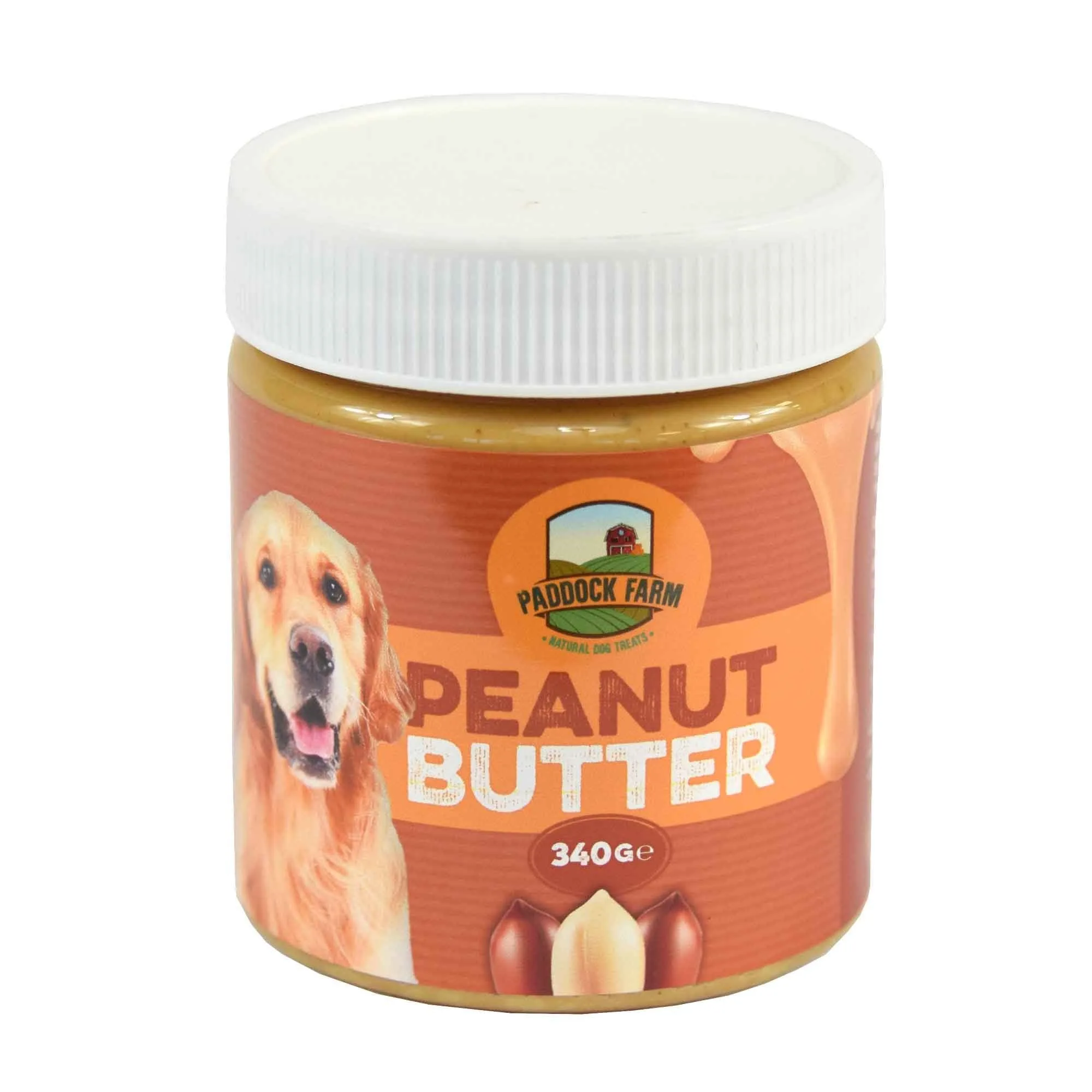
- Paddock Farm Peanut Butter for Dogs - 340g: Paddock Farm Peanut Butter for Dogs is made from roasted peanuts, free from palm oil, xylitol, salt and added sugars. You can spread a small amount on a dental toy or chew to encourage longer chewing sessions, enhancing the mechanical cleaning effect.