Fetch is more than just a game—it's a vital part of your dog's physical and mental well-being. The right fetch toy can turn a simple game into a powerful training tool, improving your dog's retrieval skills, building endurance, and strengthening your bond. But with so many options on the market, how do you choose the perfect one? This guide will walk you through the key factors to consider when selecting a dog fetch toy, from size and material to special features like buoyancy for water play.
Whether you're a professional trainer or a dedicated pet parent, understanding what makes a fetch toy great is essential. A poorly chosen toy can lead to boredom, frustration, or even injury. In this buying guide, we'll explore the types of fetch toys available, what to look for in a durable fetch ball, and how to match the toy to your dog's size, age, and play style. By the end, you'll be equipped to make an informed choice that keeps tails wagging and retrieval sharp.
Why the Right Fetch Toy Matters
Fetch is a natural instinct for many dogs, but the right toy can make all the difference in how effectively they learn and enjoy the game. A well-chosen fetch toy encourages proper retrieval behavior, helps burn off excess energy, and provides mental stimulation. On the other hand, a toy that's too heavy, too small, or poorly made can cause frustration or even dental damage.
For dogs that love to chase and retrieve, the ideal toy should be easy to carry, safe to chew, and durable enough to withstand repeated throws and tugs. It should also be appropriate for the environment—whether you're playing in the backyard, at the park, or near water. Understanding these basics is the first step in choosing a dog toy for retrieval that both you and your dog will love.
- Fetch promotes physical exercise and mental engagement.
- The right toy enhances training and reinforces positive behaviors.
- Safety and durability are top priorities to prevent injuries.
Key Factors to Consider When Choosing a Fetch Toy
Size matters when it comes to fetch toys. A toy that's too large can be difficult for your dog to pick up, while one that's too small poses a choking hazard. As a general rule, the toy should be slightly larger than your dog's mouth to encourage a comfortable grip. For example, a large dog will need a bigger ball, while a small breed can manage a smaller one.
Material is equally important. Dogs have different chewing styles, so you'll want a toy that matches your dog's intensity. For aggressive chewers, look for tough, non-toxic rubber or nylon. For gentler players, a softer material like canvas or fleece might be suitable. Additionally, consider the texture—some dogs prefer smooth surfaces, while others enjoy nubs or ridges that massage their gums.
Finally, think about the environment. If you plan to play near water, a floating dog toy for water is a must. These toys are designed to stay buoyant, making them easy to spot and retrieve in lakes, pools, or the ocean. For land play, a lightweight ball that's easy to throw and carry is ideal.
- Measure your dog's mouth to ensure a safe, comfortable fit.
- Match the material to your dog's chewing strength.
- Choose a floating toy if you'll be playing near water.
Types of Fetch Toys: Balls, Tugs, and More
Balls are the classic fetch toy, and for good reason. They roll unpredictably, encouraging your dog to chase and pounce. When selecting a ball, consider the size, weight, and material. A durable fetch ball made from high-quality rubber can withstand heavy use and is gentle on teeth. Some balls even have a hollow center, allowing you to stuff treats for added motivation.
Tugs are another excellent option for fetch and retrieval training. A tug toy, like the Three Handle Targeting Tug, offers multiple grip points, making it easy for you to engage in a game of tug-of-war after a successful retrieve. This can reinforce the 'drop it' command and build your dog's confidence. Tugs are particularly useful for teaching controlled retrieval and impulse control.
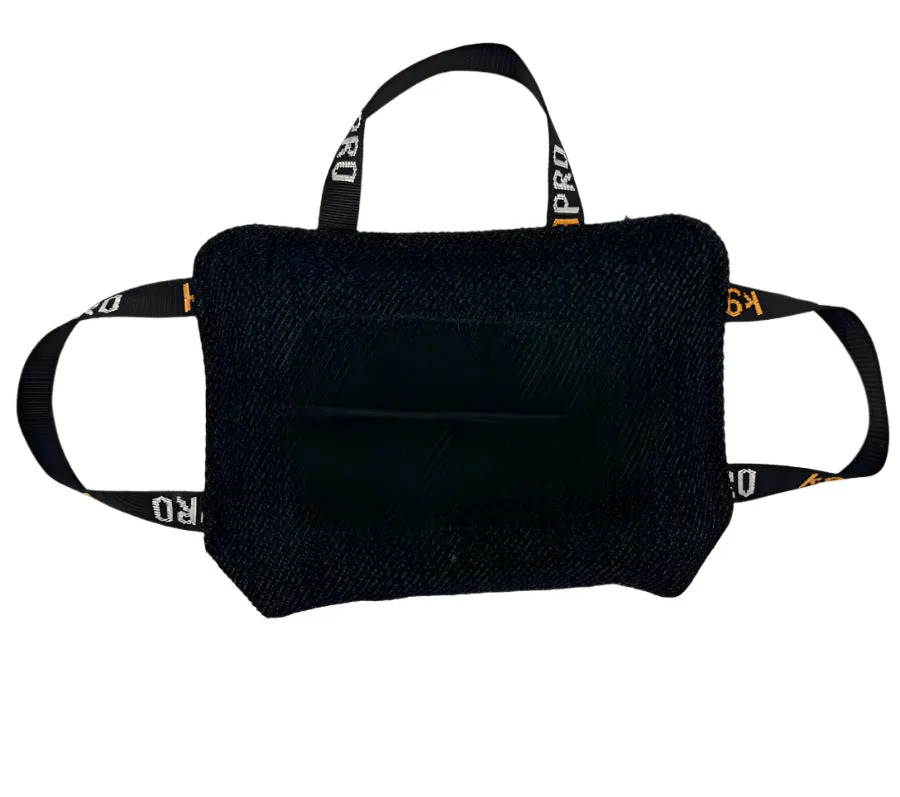
Three Handle Targeting Tug
For dogs that love water, a floating toy is indispensable. These toys are typically made from buoyant materials that keep them on the surface, so your dog can easily spot and retrieve them. Whether you're at the beach or the pool, a floating dog toy for water ensures endless fun and exercise.
- Balls are versatile and come in various sizes and materials.
- Tug toys add an interactive element to fetch sessions.
- Floating toys are essential for water-loving dogs.
Matching the Toy to Your Dog's Needs
Every dog is unique, and their fetch toy should reflect that. Puppies have developing teeth and jaws, so they need softer, lighter toys that are gentle on their mouths. Senior dogs may have dental issues, so a softer toy is also a wise choice. Active working breeds, on the other hand, require durable toys that can handle intense play and training sessions.
Consider your dog's play style. Does your dog like to shake toys violently? Then a tough, reinforced toy is essential. Does your dog prefer to chase and return quickly? A lightweight ball that's easy to carry will keep the game fast-paced. For dogs that lose interest easily, interactive toys with squeakers or treat compartments can maintain engagement.
It's also worth thinking about the training goals. If you're teaching precise retrieval, a toy with a clear handle, like the Three Handle Targeting Tug, can help you guide your dog's mouth placement. If you're working on distance commands, a ball that can be thrown far is beneficial. Matching the toy to your dog's specific needs ensures a rewarding experience for both of you.
- Puppies and seniors need softer, gentler toys.
- Active breeds require durable, high-quality materials.
- Consider training objectives when selecting a toy.
Safety Tips for Fetch Toy Play
Safety should always be your top priority. Inspect toys regularly for signs of wear and tear, such as cracks, loose parts, or frayed edges. A damaged toy can break apart during play, posing a choking hazard or causing internal injuries. Replace worn toys immediately to keep your dog safe.
Supervise play, especially with new toys, to ensure your dog is using them correctly. Avoid toys with small parts that could be swallowed, and always choose toys that are appropriately sized for your dog. When playing near water, keep a close eye on your dog to prevent exhaustion or accidental ingestion of water.
Finally, rotate toys to keep your dog interested and prevent boredom. A toy that's been ignored for weeks can become exciting again when reintroduced. By following these safety tips, you can ensure that fetch remains a fun and safe activity for years to come.
- Regularly check toys for damage and replace as needed.
- Always supervise play with new or unfamiliar toys.
- Rotate toys to maintain your dog's interest.
Choosing the right dog fetch toy is a key step in ensuring your dog gets the exercise and mental stimulation they need. Whether you opt for a durable fetch ball, a floating toy for water play, or a versatile tug, the perfect toy is out there. For a top-quality option, check out the Three Handle Targeting Tug, designed for effective retrieval training and interactive play. Happy fetching!