Quick Answer
Buy eye protection first if your dog rides with its head out of a car, runs in brush, or works in dust and wind; add hearing protection only for genuinely loud environments like gunfire or machinery. Fit decides everything: if the gear shifts, fogs, or needs constant adjusting, it will not stay on during real work, no matter how good the lens or muff is.
Decide What You Are Actually Protecting Against
Eye and ear risks are different, so they need different gear and different priorities. Eye protection addresses debris, branches, UV, wind, and dust. Hearing protection addresses impulse noise such as gunshots and sustained noise such as engines or machinery. A dog that only rides in a car with its head inside rarely needs either; a dog that runs alongside a bike on gravel tracks may need eye protection only.
Start by writing down the two or three situations you actually do each week. If a risk only appears once a year, it is usually not worth buying dedicated gear for it. If it appears weekly, it is worth buying properly and fitting carefully.
- Eye protection: car rides with head out, trail running, brush, dust, wind, snow, and bright sun.
- Hearing protection: gunfire, power tools, engines, and loud indoor environments such as some training halls.
- Neither: normal walks, backyard time, and indoor training with no noise or debris source.
Fit Rules That Keep Eye Protection On
Goggles stay on when the strap sits snug around the widest part of the head, behind the ears, and the lens sits close to the eyes without pressing on them. Measure the head circumference at the widest point and check the manufacturer's size chart rather than guessing from breed. A loose strap lets the goggles rotate; an over-tight strap causes rubbing and head shaking.
Introduce goggles in short sessions with high-value rewards before you expect your dog to wear them on a real outing. Most dogs accept them within a few short sessions if the first experience is calm and paired with something good. If your dog paws at them continuously after several sessions, the size or shape is likely wrong, not the training.
- Check that the lens does not touch the eye or eyelashes.
- Confirm the strap does not sit on the ear canal, which can cause irritation.
- Test by having your dog shake its head; goggles that move more than a small amount are too loose.
Hearing Protection: When It Is Worth It and What to Expect
Hearing protection for dogs is most useful for predictable, repeated loud noise such as clay target shooting, starting pistols at events, or time near machinery. Muffs reduce the sound reaching the ear but do not eliminate it, so they are a supplement to distance and positioning, not a replacement. Place yourself and your dog upwind and as far from the source as practical.
Comfort matters more than a few decibels of claimed reduction. If the muffs press on the ear or the head strap is too tight, your dog will try to remove them and the protection will be inconsistent. Check that the ear cup fully covers the ear without folding it, and that the dog can still pant, drink, and lie down comfortably.
- Use hearing protection for planned loud events, not as a substitute for distance.
- Check ear cups for full coverage without folding the ear.
- Let the dog wear the muffs briefly during calm training before the loud event.
Trade-Offs You Should Accept Before You Buy
Any gear on the head reduces your dog's ability to read your face and can reduce its own vision. That is a real trade-off, not a reason to skip protection, but it means you should introduce gear gradually and avoid using it in situations where your dog needs full peripheral vision, such as busy off-leash areas. Gear also adds heat, so in warm weather keep sessions short.
There is no single product that covers every risk. Goggles do not protect hearing, and muffs do not protect eyes. If you need both, buy both and fit them separately, then practice wearing them together before the event. Expect to spend more time on fitting than on shopping.
- Reduced vision and face reading is normal; compensate with clearer verbal cues.
- Heat build-up under goggles and muffs is normal; shorten sessions in warm weather.
- Two pieces of gear need two separate fitting sessions before combined use.
Paw and Body Protection as Part of the Same Kit
If your dog works on rough ground, hot surfaces, or long distances, paw condition affects how well it can perform in eye and ear gear too. A dog that is uncomfortable in its feet will be less tolerant of anything else on its body. Paw protection and conditioning belong in the same conversation as goggles and muffs, especially for working dogs.
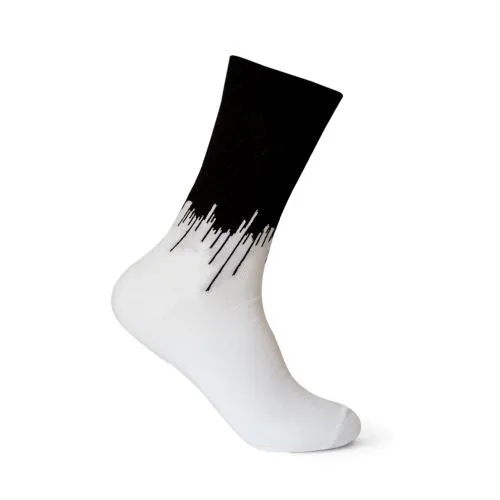
For warm-weather handling and training, clothing that moves well and dries quickly makes long sessions more comfortable for the handler, which in turn makes it easier to keep the dog's gear fitted and checked.
- Check paw pads after every session on rough or hot ground.
- Condition pads gradually rather than relying on protection alone.
- Keep handler clothing functional so you can focus on the dog's gear.
Decision Rules for K9 Safety Gear
- Risk frequency rule: If the risk occurs weekly, buy dedicated gear and fit it properly. If it occurs once or twice a year, use distance, positioning, and timing instead of buying gear. Match spending to frequency, not to worst-case scenarios.
- Fit-before-brand rule: Measure head circumference, check the size chart, and test the strap behind the ears before you compare lens or muff specifications. A poorly fitting premium product protects less than a well-fitting basic one. If it moves when the dog shakes, it is the wrong size.
- One risk, one product rule: Do not expect goggles to reduce noise or muffs to stop debris. Buy the piece that matches the specific risk, then add the second piece only if that risk is also present. Two risks need two products and two fitting sessions.
- Comfort-over-spec rule: A dog that tolerates its gear wears it consistently. Prioritize comfort and a calm introduction over small differences in claimed performance. Consistent wear beats a better spec that the dog refuses.
Products That Support This Setup
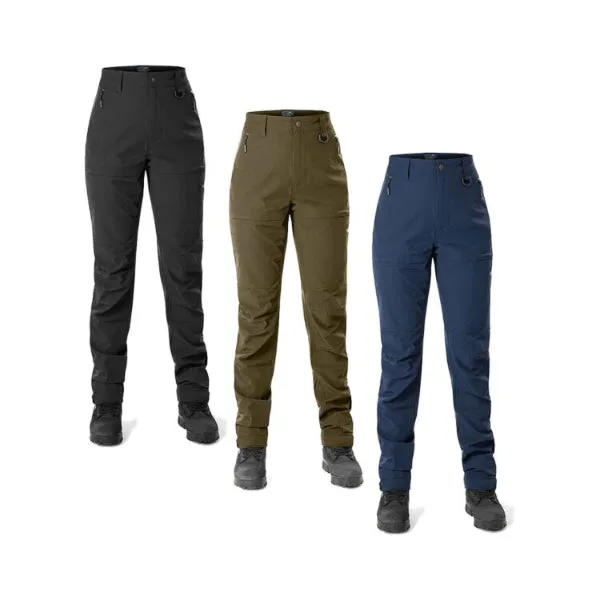
- Arrak Quick Dry Pants - Ladies: Arrak Quick Dry Pants - Ladies use a quick-drying 4-way stretch material with boot hooks, adjustable leg ends, and zippers. For handlers spending long sessions fitting and checking gear outdoors, stretch and quick-dry fabric keep you comfortable and mobile so you can kneel, adjust straps, and reward the dog without restriction.
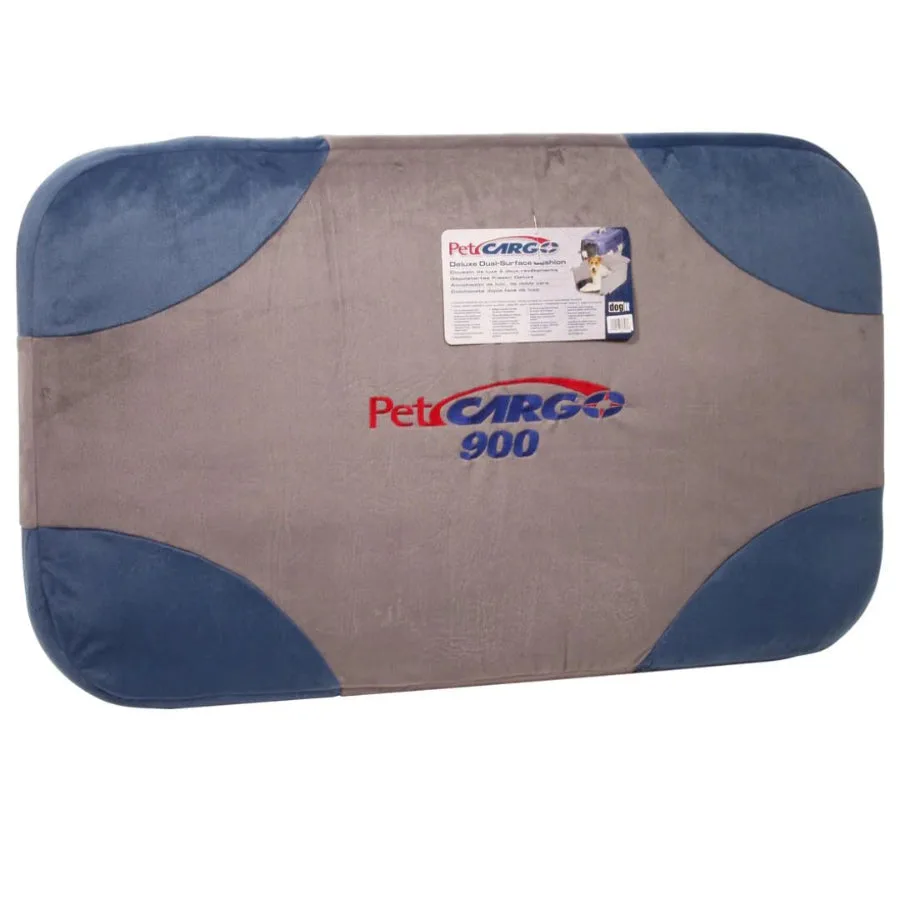
- Pet Cargo Cushion: The Pet Cargo Cushion by Dogit has a wipe-clean finish on one side, a soft velvet-effect side, is water resistant, and has a removable cover. After dusty or wet training, a water-resistant, wipe-clean crate cushion is easier to maintain than standard bedding, and it doubles as a place-training mat or floor pad.
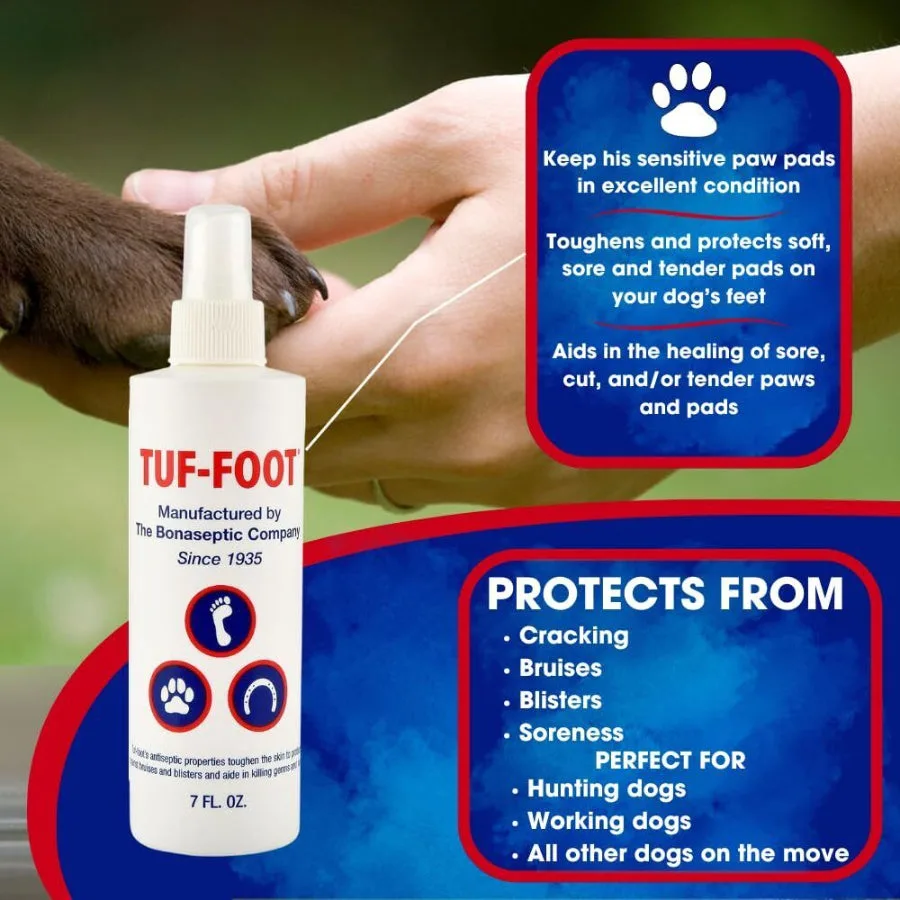
- Tuf-Foot for dogs: Tuf-Foot is designed to toughen and protect soft, sore, or tender paw pads and has been shown to aid healing of sore, cut, or tender paws, often within a few days. If your dog works on rough ground, paw condition affects tolerance of other gear, so consistent pad care supports the whole kit.
Who This Gear Is For
Best for
- Dogs that ride with their head out of a car or run on gravel and brush trails
- Working and sporting dogs exposed to gunfire, machinery, or other loud environments
- Handlers who will spend time on gradual introduction and regular fit checks
Not for
- Dogs that only walk in quiet, clean, low-risk environments
- Handlers who want to put gear on once and never adjust it
- Dogs that need full peripheral vision in busy off-leash areas