When it comes to protecting your dog during outdoor adventures, work, or training, two pieces of gear often come to mind: dog goggles and dog helmets. Both serve distinct purposes—goggles shield the eyes from debris, UV rays, and wind, while helmets protect the head and ears from impact and loud noises. But which one does your dog actually need? In this comparison, we'll break down the key differences, use cases, and factors to consider when choosing between dog goggles and a dog helmet.
Whether you're a professional K9 handler, a hiking enthusiast, or a pet parent who wants the best for your furry friend, understanding the strengths and limitations of each option is crucial. We'll also highlight some top products from K9pro to help you make an informed decision.
Understanding Dog Goggles
Dog goggles, like the Rex Spec Goggles - V2 Coloured in stock frames, are designed primarily for eye protection. They feature impact-resistant lenses that shield your dog's eyes from dust, dirt, wind, UV rays, and even branches during fast-paced activities. The goggles are held in place with a secure strap system and often come with interchangeable lenses for different lighting conditions.
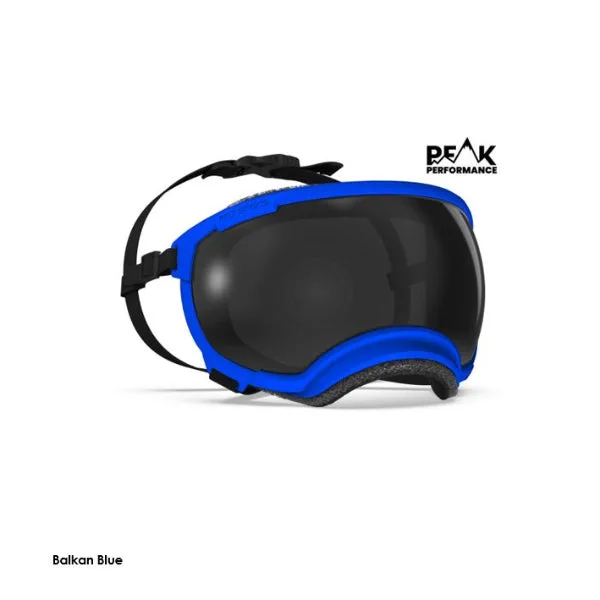
Rex Spec Goggles - V2 Coloured in stock frames
These goggles are ideal for dogs that ride in cars with their heads out the window, participate in agility or flyball, or work in dusty environments. They also provide protection during hiking or trail running where debris might kick up. The key benefit is that they offer a clear field of vision while safeguarding the eyes from potential harm.
- Impact-resistant lenses for debris and UV protection
- Secure strap system for a snug fit
- Interchangeable lenses for varying light conditions
Understanding Dog Helmets
Dog helmets, such as the K9Helm, are designed to protect the head and ears. They are commonly used in military and police work, as well as in sports like skijoring or bikejoring, where a dog might be at risk of head impacts. Helmets also provide ear protection, which is crucial for working dogs exposed to loud noises like gunfire or heavy machinery.
The helmet's hard outer shell absorbs impact, while the inner padding ensures comfort and a secure fit. Some helmets come with additional features like built-in ear muffs or communication systems. For dogs that work in high-risk environments, a helmet can be a lifesaver.
- Hard shell for impact protection
- Ear protection for loud noises
- Comfortable padding for extended wear
Key Differences: Eye Protection vs. Ear Protection
The primary difference between dog goggles and helmets is the area of protection. Goggles focus solely on the eyes, while helmets protect the head and ears. If your dog's main risk is eye irritation from wind or debris, goggles are the obvious choice. Conversely, if your dog is exposed to loud noises or potential head impacts, a helmet is essential.
In some situations, you might need both. For example, a search-and-rescue dog working in a forest might benefit from goggles to keep branches out of their eyes and a helmet to protect against falling debris. Understanding the specific hazards your dog faces will help you decide which gear is necessary.
- Goggles: eye protection from debris, UV, and wind
- Helmet: head and ear protection from impact and noise
- Both can be used together for comprehensive protection
When to Choose Dog Goggles
Choose dog goggles when your dog spends time in environments where eye protection is critical. This includes activities like off-road biking, hiking on dusty trails, or riding in a pickup truck. Goggles are also beneficial for dogs with sensitive eyes or those prone to eye infections from irritants.
The Rex Spec Goggles - V2 Coloured in stock frames are a popular choice among dog owners. They offer a comfortable fit, durable construction, and excellent clarity. If your dog needs reliable eye protection, these goggles are worth considering.
When to Choose a Dog Helmet
Opt for a dog helmet when your dog is exposed to loud noises or potential head trauma. This includes working dogs in law enforcement or military roles, as well as dogs that participate in high-impact sports. Helmets are also recommended for dogs that ride in vehicles without proper restraint, as they can be thrown forward in an accident.
While K9pro doesn't currently list a specific helmet, it's important to note that helmets are a separate investment. If your dog needs ear protection, look for helmets with built-in ear muffs or consider using ear protection in conjunction with other gear.
How to Choose the Right Protection for Your Dog
Start by assessing your dog's lifestyle and the risks they face. If you're unsure, consider the following: For everyday outdoor activities like walks and hikes, goggles might be sufficient. For high-risk environments like construction sites or hunting, a helmet is more appropriate. If your dog is involved in both types of activities, you may need both pieces of gear.
When selecting any protective gear, ensure it fits properly. Ill-fitting goggles can cause discomfort or even injury, and a loose helmet won't provide adequate protection. Always measure your dog's head size and refer to the manufacturer's sizing guide. Also, look for products with adjustable straps and breathable materials to keep your dog comfortable.
In the debate of dog goggles vs. dog helmet, there is no one-size-fits-all answer. It depends on your dog's specific needs and the environments they encounter. For eye protection, the Rex Spec Goggles - V2 Coloured in stock frames are an excellent choice. For comprehensive head and ear protection, consider a helmet. Remember, the best protection is the one that fits well and is worn consistently. Explore K9pro's range of protective gear to find the perfect solution for your dog.