Quick answer
Buy harness accessories only for a job the harness itself cannot do: a car tether to keep your dog away from the driver, custom patches to identify your dog, a rubber ball or leather tug for reward-based training. Skip add-ons that duplicate a feature you already have, and check the attachment point and size options before ordering.
Start with the job, not the accessory
Most wasted accessory purchases happen because the buyer starts with the product instead of the problem. Ask what your current setup fails at: does your dog slide into the front seat on drives, does nobody know your dog's name at the park, does your training reward roll under the car seat? Each answer points to a different add-on.
A harness accessory is worth buying when it solves a repeated, specific annoyance. If you only walk from the front door to the car, a car tether earns its place. If you train three times a week, a tug or ball you can clip on and use immediately earns its place. If you never drive with your dog, a tether is dead weight.
Car tethers: what they do and what they do not
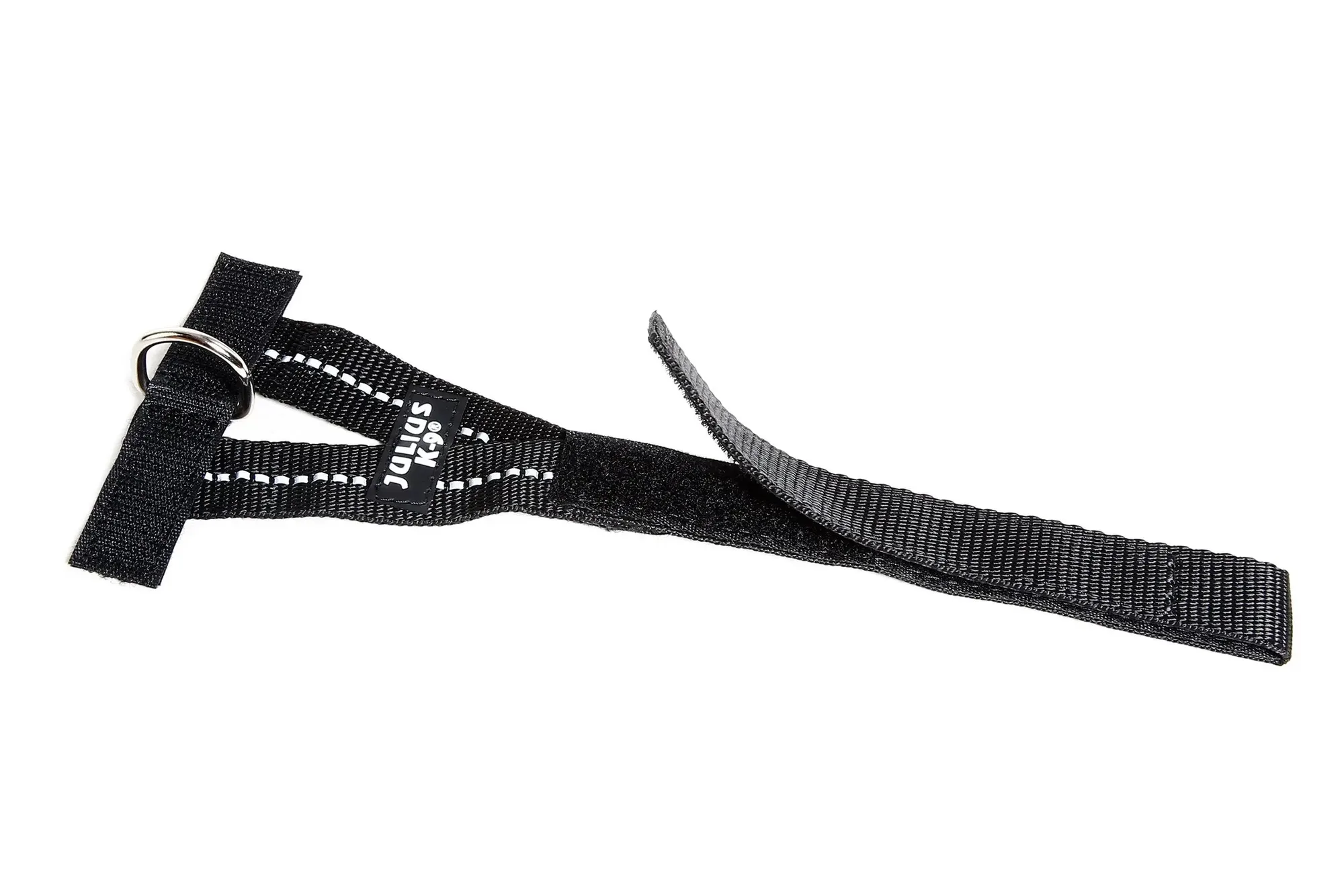
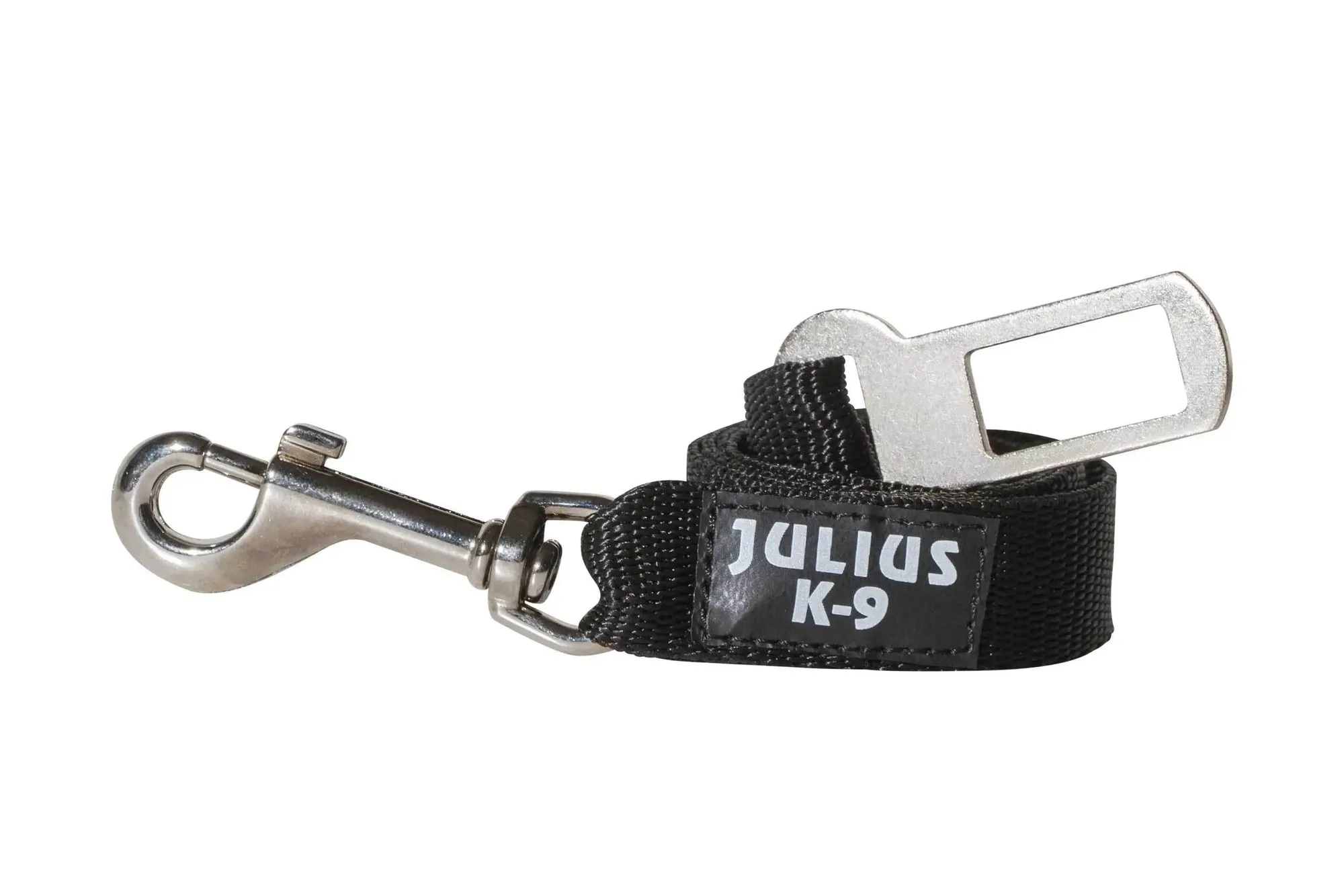
A car tether connects your dog's harness to the seat belt latch. Its realistic job is to keep the dog away from the driver and reduce movement-related injuries during normal driving. It is not a crash-tested safety device, and the manufacturer states it has limited ability to save the dog in an accident. Buy it as a driving-management tool, not as a seat belt replacement.
Attachment matters more than the tether itself. The carabiner should connect to a metal ring on the harness, not to a plastic D-ring or a patch loop. If your harness ring is worn or bent, replace the harness before adding a tether.
Custom patches: identification, not decoration only
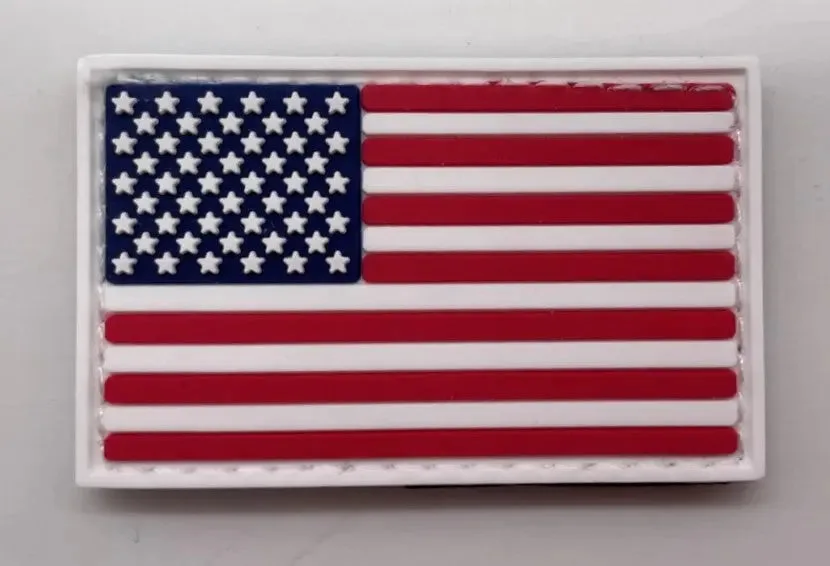
Patches do two jobs: they tell strangers something about your dog, and they let you spot your own dog in a crowded field. A name patch is the most practical choice for recall-heavy environments. A service dog or training designation patch is useful only if it accurately describes your dog's status; using it otherwise creates awkward conversations and, in some places, legal problems.
Buy patches one at a time if you are testing wording, or in the size that matches your harness patch panel. If your harness uses a standard JK9 patch, check that the replacement uses the same attachment style before ordering.
Handles and grab points
A handle on a harness is a control feature, not a carrying strap for long distances. It helps you steady a dog at the vet, lift a small dog over a stile, or hold a dog close while you open a gate. On a large, strong dog, a handle gives you a brief moment of control, not a way to carry the dog.
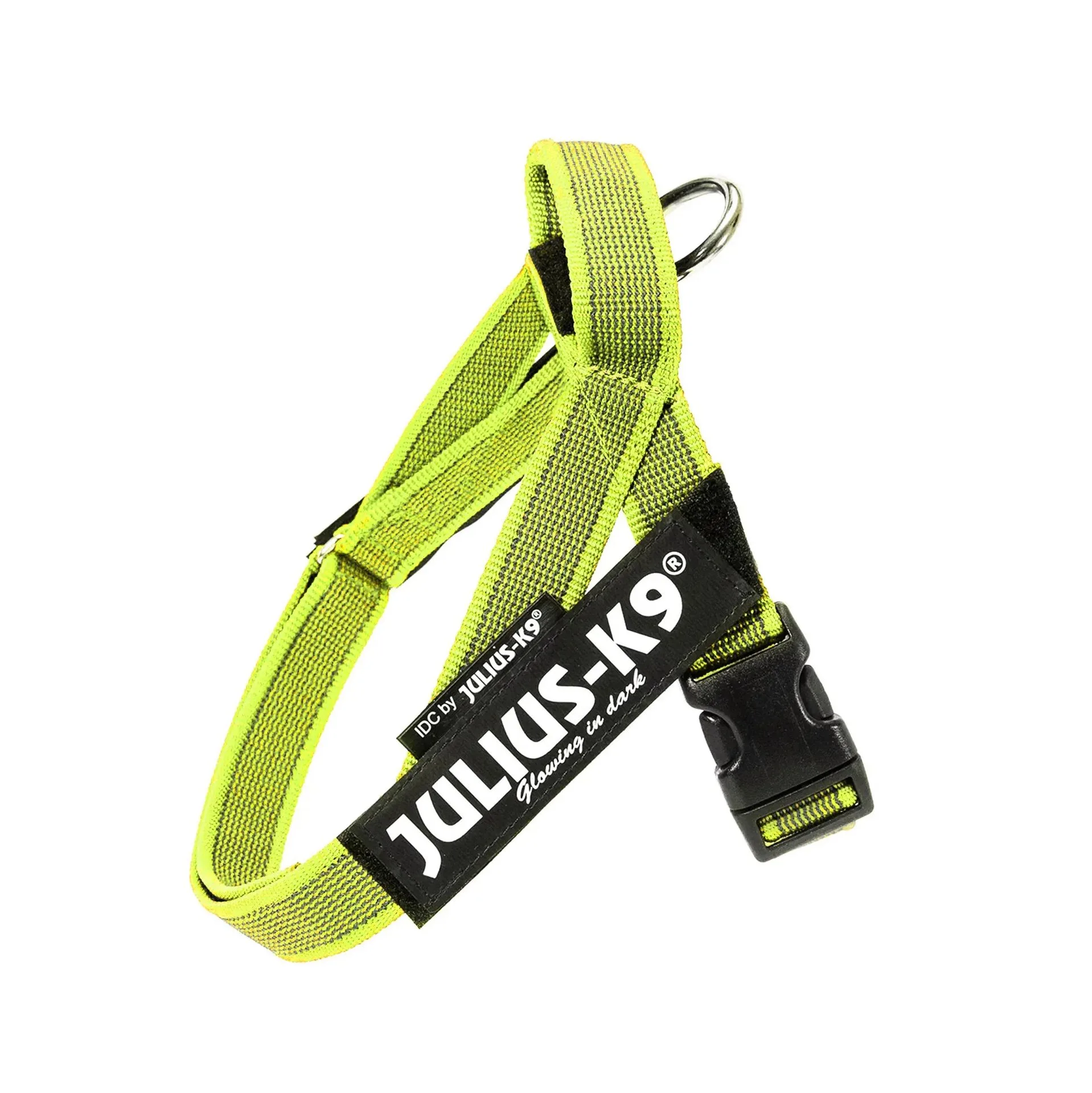
If your harness already has a handle, adding another grab point usually creates bulk without benefit. If your harness has no handle, consider whether you actually need one before buying a separate handle accessory; a harness with an integrated handle is often the cleaner solution.
Toys as training accessories
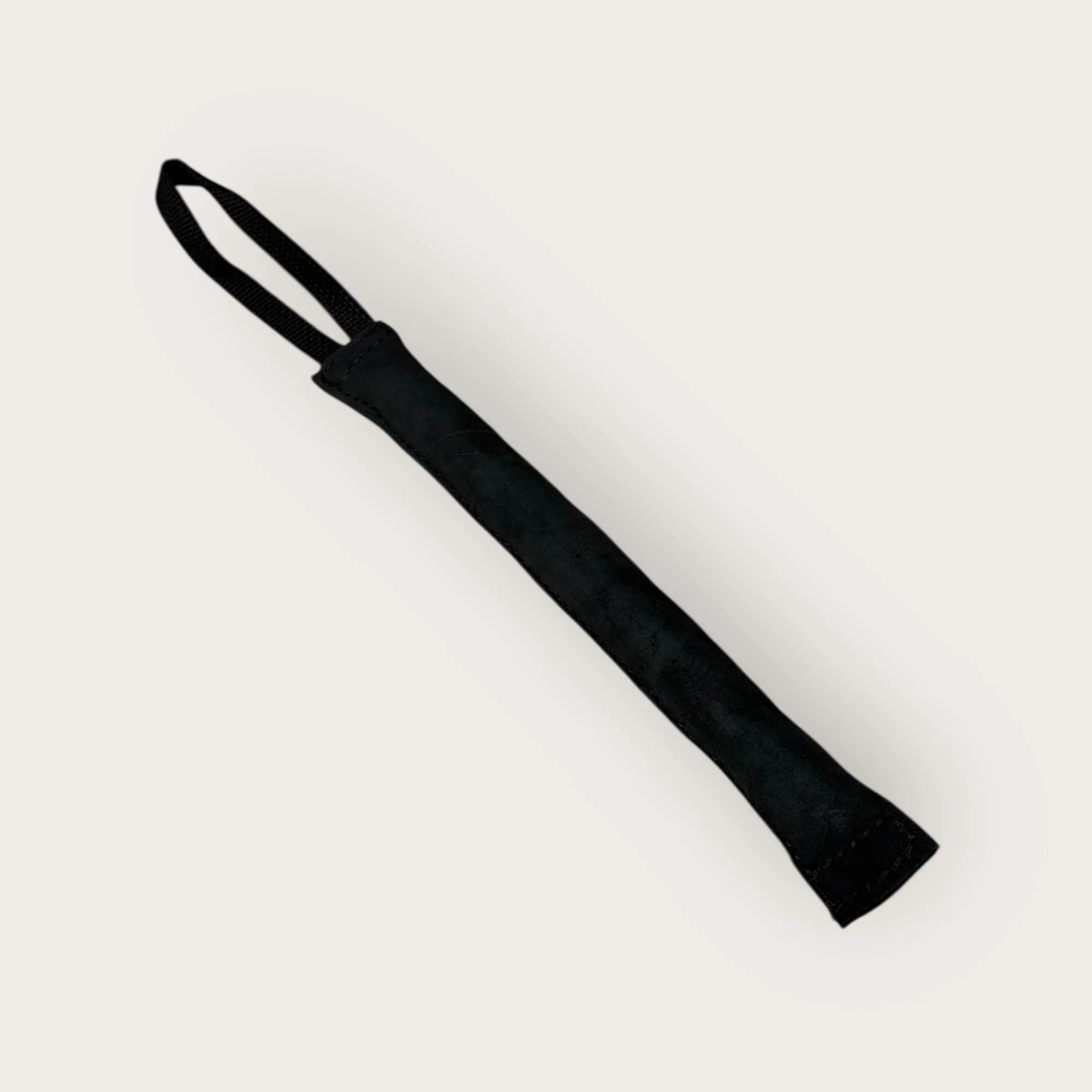
Balls and tugs are accessories in the practical sense: they turn a walk or a training session into a reward event. A natural rubber ball with a closable handle can be clipped to a belt or a harness ring so you are not digging through pockets. A leather tug with two handles lets you keep both hands on the toy during high-intensity play without grabbing the dog's end.
Match the toy to the dog's play style. A dog that carries a ball calmly does not need a heavy tug. A dog that grips and shakes needs a tug built for that, and a ball may be ignored. Buy one of each only if your training actually uses both.
Fit guidance for accessories
Accessories fail at the connection point more often than at the accessory itself. Before ordering, check the ring or loop you plan to use, the size of the carabiner or clip, and whether the added weight pulls the harness sideways. A tether that is too short keeps the dog in one position; too long and the dog reaches the front seat anyway.
For patches, measure the patch panel on your harness rather than guessing from a photo. For toys, choose a size your dog can hold comfortably; an oversized ball is frustrating, and an undersized tug invites accidental hand bites. If a product listing does not state a dimension you need, treat that as a reason to ask before buying, not a reason to assume it fits.
Decision rules for buying harness accessories
- If the problem happens in the car: Choose a car tether and connect it to a metal harness ring, not a plastic loop. Accept that it manages movement rather than providing crash protection. Buy the tether only if you regularly drive with the dog.
- If strangers need to know something about your dog: Choose a custom patch with clear text. Order one piece first to check size and wording against your harness panel. Skip the patch if your dog's harness is never seen in public.
- If you need a brief moment of control: Choose a harness with an integrated handle rather than adding a separate grab point. A handle is for steadying, not carrying. Do not add a handle to a harness that already has one.
- If training uses rewards: Choose a ball with a closable handle for carry-and-reward work, or a leather tug with two handles for gripping and shaking games. Buy the toy that matches how your dog actually plays.
Product facts
- Julius-K9 Mobility Control Car Tether For Dogs: Seat belt adapter for dogs that attaches to IDC® Powerharnesses; the carabiner connects to the ring and the other part connects to the latch. It gives you a defined attachment method, so you can check your harness ring before buying and avoid improvising with a clip that may not hold.
- Julius-K9 Original Custom Patches, 1 Piece: Custom printed patches sold individually, 1 piece per order, with fully custom text and size and color options. Buying one at a time lets you test wording and placement before committing to a full set, and the size option lets you match your harness panel.
- Julius-K9 IDC® Natural Rubber Ball with Closable Handle: Natural rubber ball with a closable handle, made of natural caoutchouc, with diameter options. The closable handle keeps the ball attached to you or your gear during training, and the diameter choice matters for dogs that carry rather than chase.
- Tug leather 18"x3" with 2 handles: Leather tug measuring 18 by 3 inches with two reinforced nylon handles, built from thick heavy-duty leather for high-intensity training and interactive play. Two handles let you keep both hands on the toy during tug sessions, which is safer than grabbing near the dog's mouth.
Who this accessory setup fits
Best for
- Owners who drive with their dog and want to keep the dog away from the driver
- Handlers who train regularly and need a reward toy attached to their gear
- Owners who want their dog identified by name or status in public
Not for
- Owners looking for a crash-tested car safety device
- Dogs whose harness already includes every feature they use
- Buyers who cannot confirm the attachment point or size on their current harness