Quick Answer
If your dog's harness is chafing or rubbing, first check the fit: it may be too tight or too loose. Adjust the straps so you can fit two fingers flat between the harness and your dog's body. If the problem persists, consider a different harness style—like a Y-harness that allows free front leg movement—or add a layer of protection like the Hurtta Body Warmer under the harness.
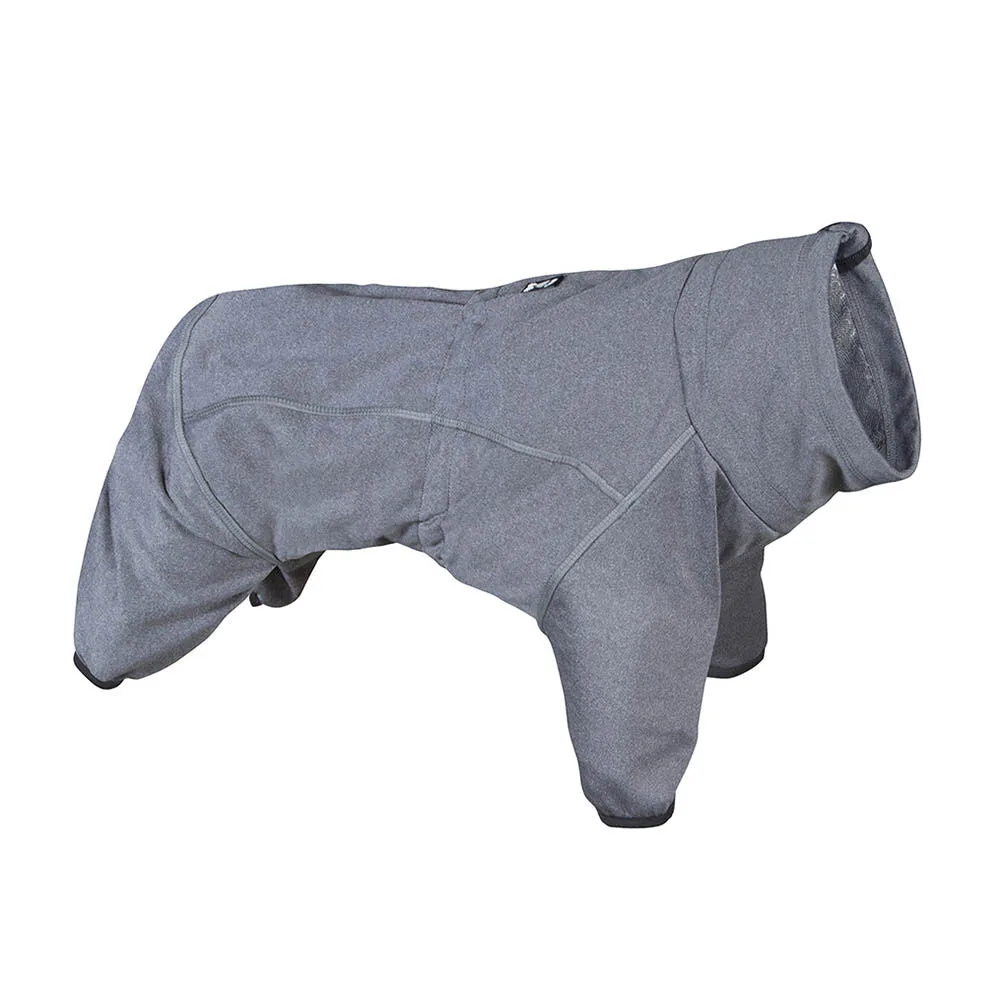
Body Warmer
You've noticed your dog scratching, licking, or showing red marks after walks. Harness chafing is a common problem, but it's also one you can solve. The key is to figure out whether the issue is fit, friction, or the harness design itself.
This guide walks you through the symptoms, likely causes, and practical fixes. You'll also learn when it's time to stop adjusting and choose a different harness altogether.
Check the Fit First
The most common cause of chafing is a poor fit. A harness that's too tight will rub and dig into your dog's skin, while one that's too loose will slide around and create friction. Start by checking all adjustable straps. You should be able to fit two fingers flat between the harness and your dog's body at any point—around the neck, chest, and behind the front legs.
Also check for proper placement. The front chest strap should sit across the sternum, not in the armpits. The back strap should lie flat and not twist. If the harness shifts during walks, it's likely too loose or not adjusted correctly.
- Re-adjust the harness before every walk—dogs can change shape slightly with activity.
- Check for rubbing points after each walk, especially under the front legs and around the neck.
Look for Design Issues
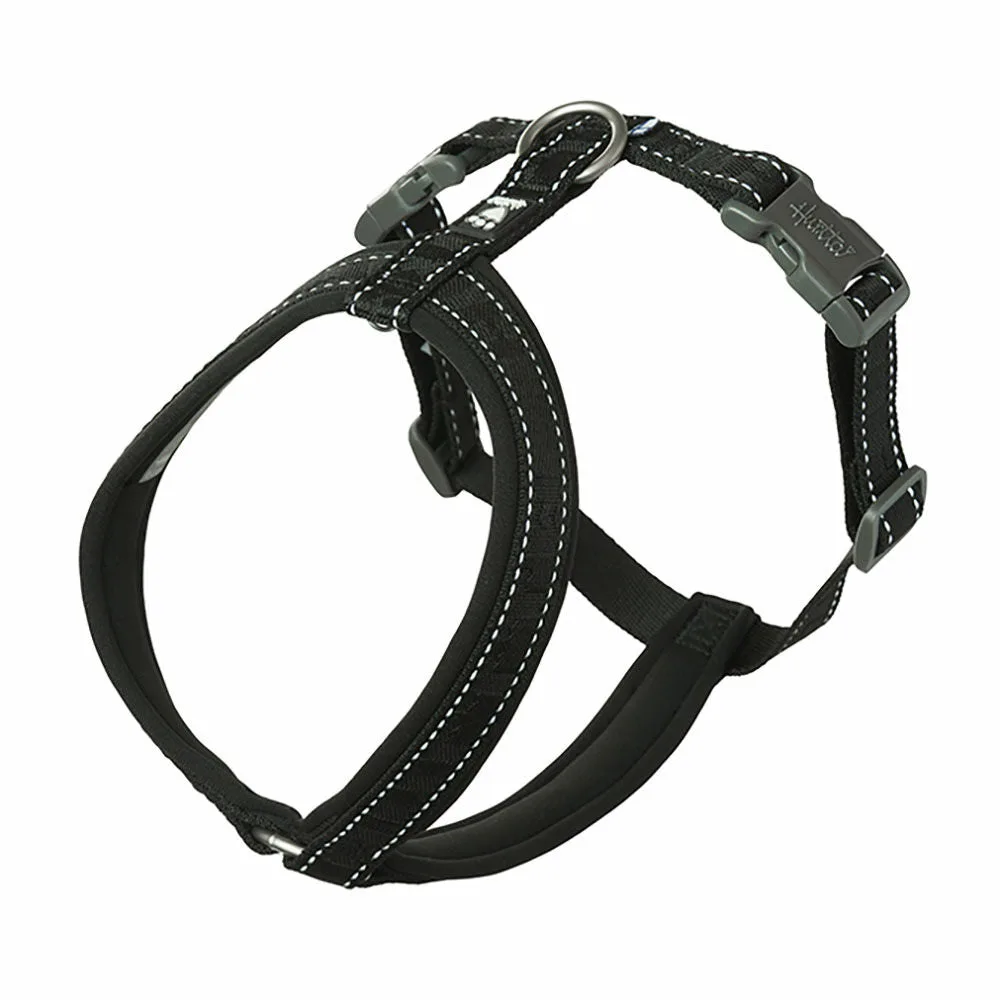
Some harness designs are more prone to chafing than others. For example, harnesses with a single strap that runs directly through the armpits can rub, especially on dogs with thick coats or sensitive skin. A Y-harness, which has a Y-shaped front that sits on the chest, allows the front legs to move freely without rubbing.
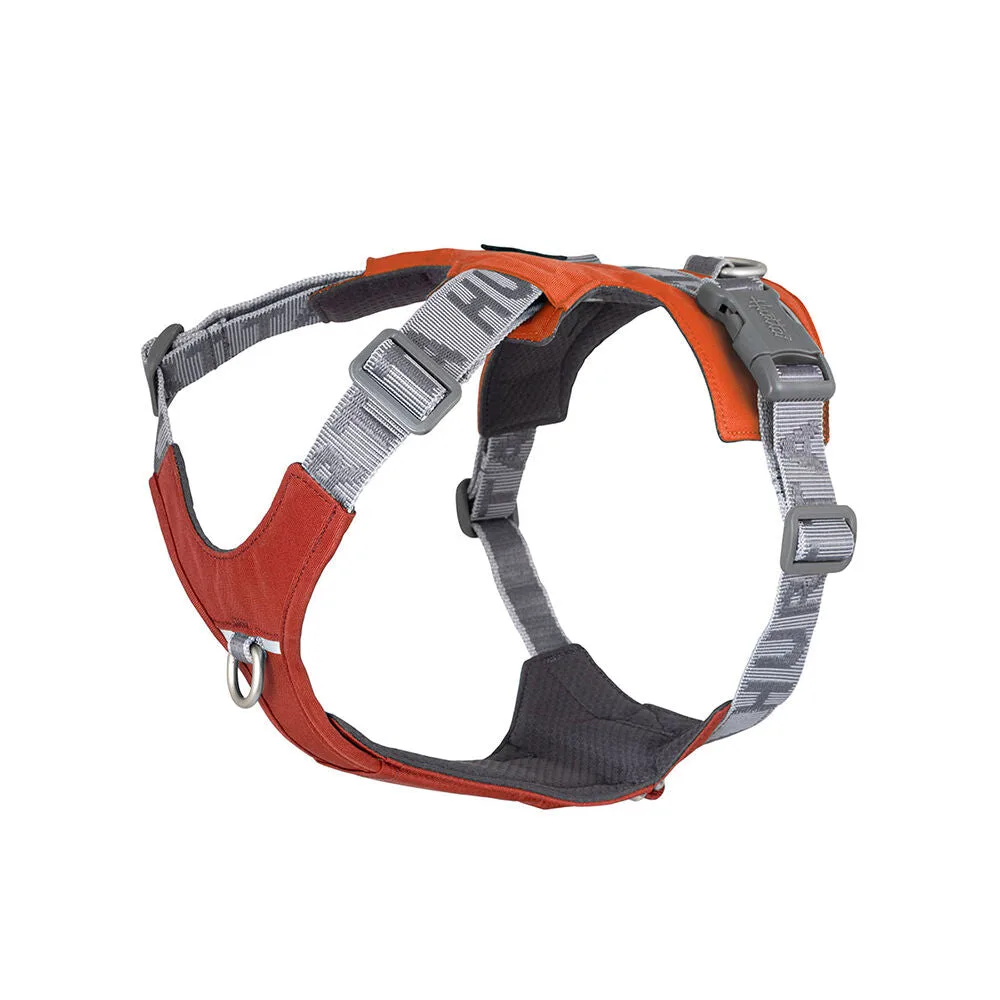
The Hurtta Casual Y-Harness ECO is designed to let the front legs move freely and evenly distributes the force of pulls across the chest. This can reduce friction points. For larger dogs, the Hurtta Rover Harness is engineered for freedom of movement, letting powerful front legs move naturally without rubbing or restrictions.
- If your dog has a deep chest or broad shoulders, look for a harness with a Y-front or a design that avoids the armpits.
Add a Layer of Protection
Sometimes the harness fits well, but the material still irritates your dog's skin. This can happen with new harnesses that haven't been broken in, or with dogs that have sensitive skin. Adding a thin layer between the harness and your dog's coat can reduce friction and prevent chafing.
The Hurtta Body Warmer is a multi-purpose overall that can be worn under a waterproof jacket or overall. Its smooth, elastic material is very comfortable to wear and can serve as a soft barrier between the harness and your dog's skin. The foil material on the inner surface reflects body heat, which is a bonus for older or rehabilitating dogs.
- Make sure the under-layer is smooth and doesn't have seams or tags that could create new rubbing points.
Diagnosis: Step-by-Step Fix for Harness Chafing
- Symptom: Red marks, hair loss, or your dog scratching, licking, or trying to chew at the harness area after walks. Identify the exact spot where chafing occurs—this tells you which part of the harness is the culprit.
- Likely Cause: Most often a fit issue: straps too tight, too loose, or positioned incorrectly. It can also be a design issue where the harness rubs under the front legs, or a material sensitivity. Check the fit first. If the fit is correct, consider the harness design and your dog's individual body shape.
- Corrective Action: Re-adjust the harness to a snug but comfortable fit, ensuring two fingers fit flat under every strap. If the problem persists, try a different harness style like a Y-harness, or add a smooth layer like the Hurtta Body Warmer under the harness. After adjusting, take a short walk and re-check for any signs of rubbing. If the chafing continues, move to the next step.
- When to Stop and Choose Another Option: If you've adjusted the fit, tried a different style, and added a protective layer but your dog still shows signs of chafing or discomfort, it's time to stop. The harness is not right for your dog. Consider a custom-fit or different brand. Also consult your vet if the skin is broken or shows signs of infection.
Products That Help
- Casual Y-Harness ECO: The Hurtta Casual Y-Harness ECO is a reliable, do-it-all harness that fits all breeds and can be used for everything from daily walks to more strenuous activities. The Casual Y-Harness allows the front legs to move freely, and it evenly distributes the force of pulls across the chest. If chafing is caused by a harness that restricts leg movement or concentrates pressure, this Y-harness design can reduce friction and improve comfort.
- Rover Harness: The Rover Harness is specially designed for bigger dogs. The unique design lets your dog's powerful front legs move naturally without any rubbing or restrictions. No more sliding or discomfort typical of larger dog harnesses—just a secure, perfect fit every time. For larger breeds, a harness that slides or rubs can cause chafing. The Rover Harness's design targets this problem.
- Body Warmer: The Body Warmer overall is a multi-purpose product suitable for extra warmth under a waterproof jacket or overall. Smooth and elastic material makes the overall very comfortable to wear. The foil material on the inner surface reflects the dog's body heat and provides extra warmth. Wearing the Body Warmer under a harness adds a smooth, comfortable layer that can prevent direct friction on sensitive skin.
Harness chafing is a fixable problem. Start with a proper fit check, consider the design of the harness, and don't hesitate to add a protective layer. If the problem persists, choose a different harness that better suits your dog's body. Your dog's comfort is worth the effort.