Quick answer
A harness does not make pulling worse by itself. Poor fit, the wrong attachment point, and inconsistent training do. If your dog pulls, check the harness fit first, then your handling. A well-fitted front-clip harness paired with reward-based training reduces pulling more reliably than switching gear alone.
Myth 1: A harness encourages pulling
This is the most common myth about dog pulling on leash. The truth is that a harness is a tool, not a training method. A dog pulls because pulling has worked before, not because the harness rewards it. If you put a harness on a dog that has never been taught loose-leash walking, that dog will still pull. The harness simply gives you more control and less risk of neck strain than a collar. The myth survives because people switch to a harness without changing their training, see no improvement, and blame the gear.
Myth 2: Front-clip harnesses stop pulling instantly
A front-clip harness can reduce pulling by redirecting your dog's forward motion to the side. That makes it harder for your dog to drag you down the street. But it does not teach your dog what you want instead. You still need to reward the behavior you want: a loose leash, checking in with you, and staying near you. Think of the front clip as a steering aid, not a brake. Without training, most dogs will still lean into the pressure and pull.
Myth 3: You should just use a collar instead
Some people argue that switching back to a collar will fix pulling. That is not supported by how dogs learn. A collar gives you less control over a strong puller and puts pressure on the throat. For dogs that already pull hard, a collar can make walks stressful for both of you. The real fix is not collar versus harness. It is teaching your dog that pulling does not move you forward, while a loose leash does.
Myth 4: Any harness works the same
Harness design matters. A back-clip harness can actually make pulling more comfortable for a dog because the pressure is spread across the chest. That is great for hiking but not for a dog that lunges. A front-clip harness gives you more steering control. Fit is just as important: a loose harness shifts and rubs, while an overly tight one restricts movement. Measure your dog's chest and neck, then check the harness maker's size chart. If the harness does not stay in place during a walk, it is not fitted correctly.
Myth 5: You need a special no-pull harness to fix pulling
No-pull harnesses can help, but they are not magic. The same rules apply: reward the behavior you want, prevent the behavior you don't, and be consistent. If you use a no-pull harness but still let your dog pull you to the park, your dog learns that pulling works. If you use a regular harness and reward loose-leash walking, your dog learns the same lesson. The gear is secondary to the training plan.
Myth verdicts
- A harness encourages pulling: False. A harness does not teach your dog to pull. Pulling is reinforced by movement and inconsistency, not by the harness itself. Verdict: myth. Fix the training, not just the gear.
- Front-clip harnesses stop pulling instantly: Partly true but incomplete. A front clip gives you more steering control, but you still need to reward loose-leash walking. Verdict: half-myth. Use it as a tool, not a solution.
- You should switch back to a collar: False. A collar gives less control and can put pressure on your dog's throat. The collar versus harness debate misses the point: training matters more than the tool. Verdict: myth. Keep the harness if it fits well and train the behavior.
- Any harness works the same: False. Back-clip and front-clip harnesses function differently. Fit is critical: a loose or tight harness will not help and may cause discomfort. Verdict: myth. Choose based on your dog's pulling style and measure carefully.
- You need a special no-pull harness: Not necessarily. A no-pull harness can help, but only if you also reward the behavior you want and prevent pulling from being rewarded. Verdict: optional tool. Training is the main fix.
Gear that supports better walks
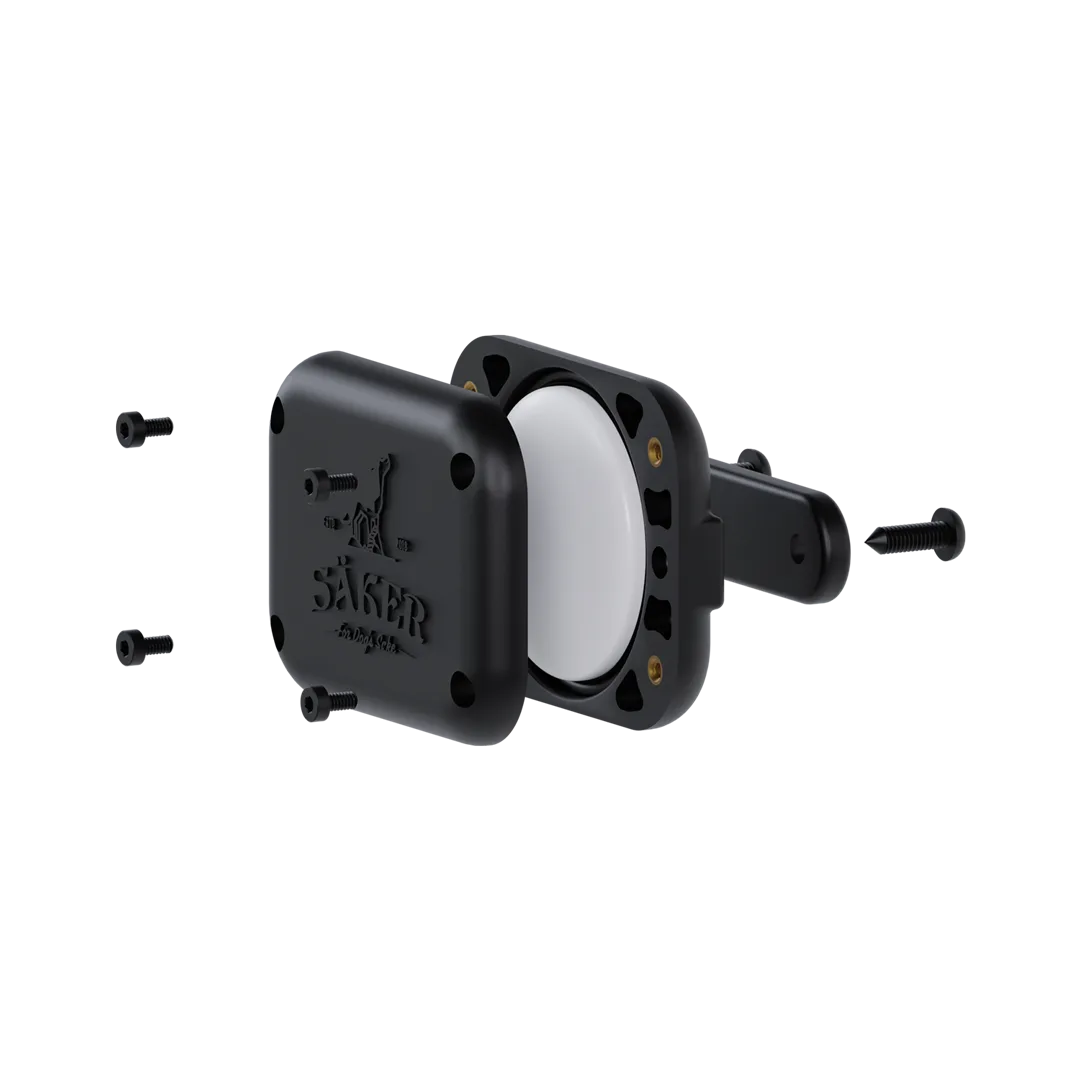
- Shield™ Airtag Holder: The Shield Airtag Holder is waterproof and shockproof, with a backplate and pierce-through screws to attach it to straps or fix it to gear. If you track your dog with an AirTag, this holder keeps it protected on walks, so you can focus on training instead of worrying about the device.
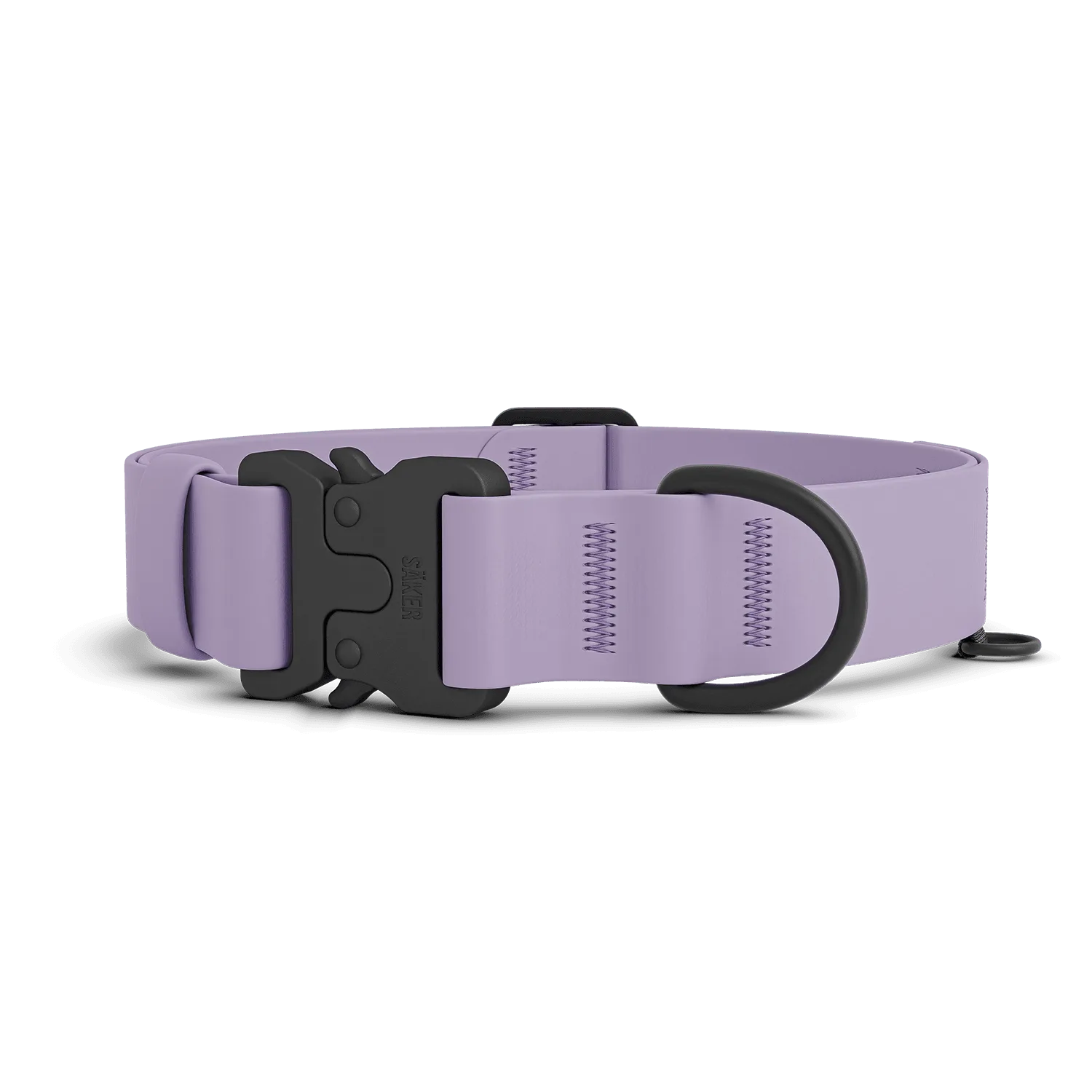
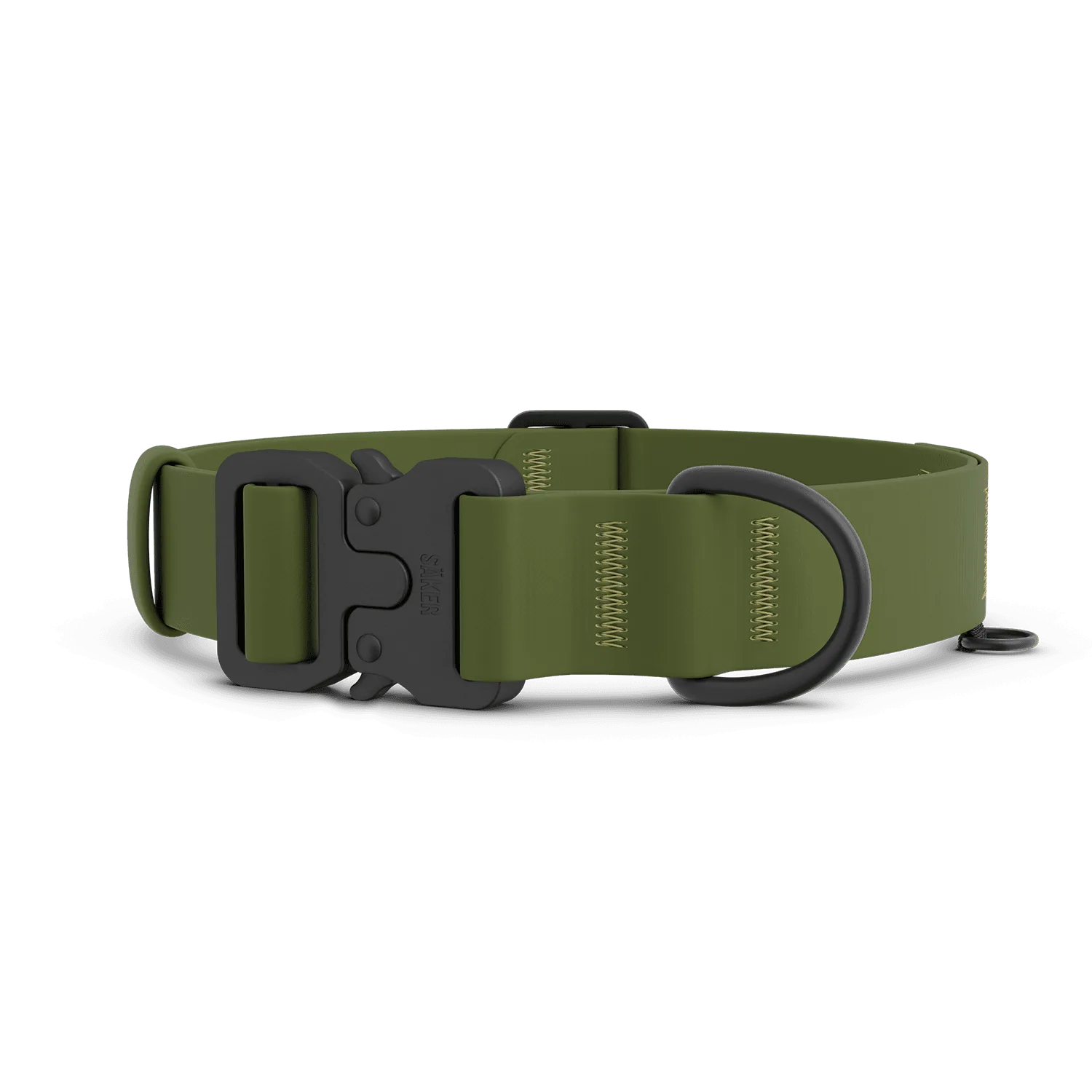
- Kelp™ Collar: The Kelp Collar is 100% waterproof and built with exclusive Kelp technology to thrive in any environment. A collar that holds up to water and mud means less gear maintenance and more consistent walks, which helps you stick to your training routine.