Quick answer
Replace a dog harness when the webbing is frayed or faded, stitching is broken or fuzzy, a buckle won't click or stay latched, or a metal ring has opened up or worn thin. If only a buckle or band is damaged, a replacement part is usually the cheaper fix; if the webbing or stitching is failing, replace the whole harness.
The five-minute dog harness safety check
Work in good light and check five points in this order: webbing, stitching, buckles, metal hardware, and fit. Run the webbing through your fingers along its full length, including the parts that sit under the belly and behind the front legs, since that's where abrasion shows up first. Then flex each buckle and look at where the straps meet the seams. Finish by putting the harness on your dog and checking that you can fit two fingers flat under every strap without the harness sliding over the shoulders.
- Webbing: look for fraying, thinning, sun-bleached color, or a fuzzy edge that keeps growing.
- Stitching: broken, loose, or pulled threads near buckles and ring attachments are a stop sign.
- Buckles: each one should click firmly and stay closed when you tug the strap.
- Metal rings: check for cracks, sharp edges, or a gap that has opened wider than when new.
- Fit: two fingers flat under each strap, no twisting, no gap that lets a leg slip out.
Worn harness signs that mean replace, not repair
Some damage is cosmetic and some is structural. A little surface fuzz on webbing is normal; a strap that has lost thickness, feels limp, or has a visible cut is not. The same goes for stitching: a single loose thread can be watched, but a seam that has separated at a load point, such as where the leash ring attaches, cannot be trusted again. If more than one of these problems shows up at the same time, replacing the harness is the safer call.
- Replace: cut or deeply frayed webbing, separated stitching at a load point, a cracked or bent ring, a buckle that pops open.
- Watch: light surface fuzz, minor color fade away from seams, a slightly stiff buckle that still latches.
- Retire immediately: any harness involved in a hard pull that ended with a broken part, even if it looks fine afterward.
How long should a dog harness last?
There is no fixed number of months, because wear depends on how often you walk, how hard your dog pulls, whether the harness gets wet or sandy, and whether it's left in the sun. A daily-walk harness on a strong puller can show real wear within a season, while a lightly used harness on a calm dog can last several years. Instead of counting time, inspect at the start of each season and after any swim, muddy hike, or hard pull.
- Inspect monthly for dogs that pull, swim, or hike off-road.
- Inspect before and after any trip where the harness gets soaked or gritty.
- Wash and dry according to the maker's instructions, then re-check stitching and buckles while it's clean.
What about harness buckle strength?
Buckles are the part most likely to fail quietly, because a cracked or worn latch can still look closed. When you check, close the buckle, then pull the strap firmly in both directions and listen for a click that holds. If the buckle releases under a moderate tug, or the side release feels mushy, stop using that harness until the buckle is replaced. On a modular harness, a new buckle can restore the whole setup, which is far cheaper than buying a new harness.
- Test every buckle individually, not just the one you use most.
- Check the buckle's rated strength only if the maker publishes it; do not assume a number.
- Replace a buckle if the latch is cracked, the spring feels weak, or the strap slips through when loaded.
Repair or replace? A simple decision rule
If the failure is isolated to one removable part, repair it. If the webbing, stitching, or multiple attachment points are compromised, replace the harness. This matters for modular designs, where a single replacement buckle can bring a harness back to working condition, while a torn strap means the harness has reached the end of its safe life. When in doubt, take a photo of the damage and compare it to the same spot on the other side of the harness; if one side looks noticeably worse, that harness is done.
- One damaged buckle or band: replace the part.
- Frayed webbing or broken stitching at a load point: replace the harness.
- Two or more problems anywhere: replace the harness.
Harness safety check FAQ
How often should I check my dog's harness?
Do a full five-point check monthly, and again after any swim, muddy hike, or hard pull. Quick checks before each walk take seconds: glance at the buckles and the leash ring. Put a recurring reminder in your phone so the monthly check actually happens.
Is my dog harness safe if the stitching looks fuzzy?
Light fuzz along a seam is usually cosmetic, but broken or pulled threads at a load point are not. Compare the suspect seam to the same seam on the other side of the harness. Any separated seam at a ring or buckle means stop using that harness.
Can I replace just the buckle instead of the whole harness?
Yes, if the harness is modular and the webbing and stitching are still sound. A replacement buckle is a fraction of the cost of a new harness and keeps a good-fitting harness in service. Check the webbing first; a new buckle on damaged webbing is not a fix.
What is the harness replacement timeline?
There is no universal expiry date. A daily-walk harness on a strong puller may need replacing within a season, while a lightly used harness can last years. Let condition, not the calendar, decide. Inspect at each season change and replace at the first structural fault.
Should I replace a harness after one hard pull?
Inspect it closely, especially the stitching around the leash ring and the buckles. If nothing is broken or stretched, keep using it; if any part has deformed, replace that part or the harness. A hard pull is a free stress test; treat the results seriously.
Parts and harnesses that make replacement easy
- Muse male buckle 25mm - 292lbs: This is the latest version of the male buckle for the Muse harness, redesigned to withstand 292 lbs. If a buckle is chewed or fails, this replacement restores the harness instead of forcing you to buy a whole new one.
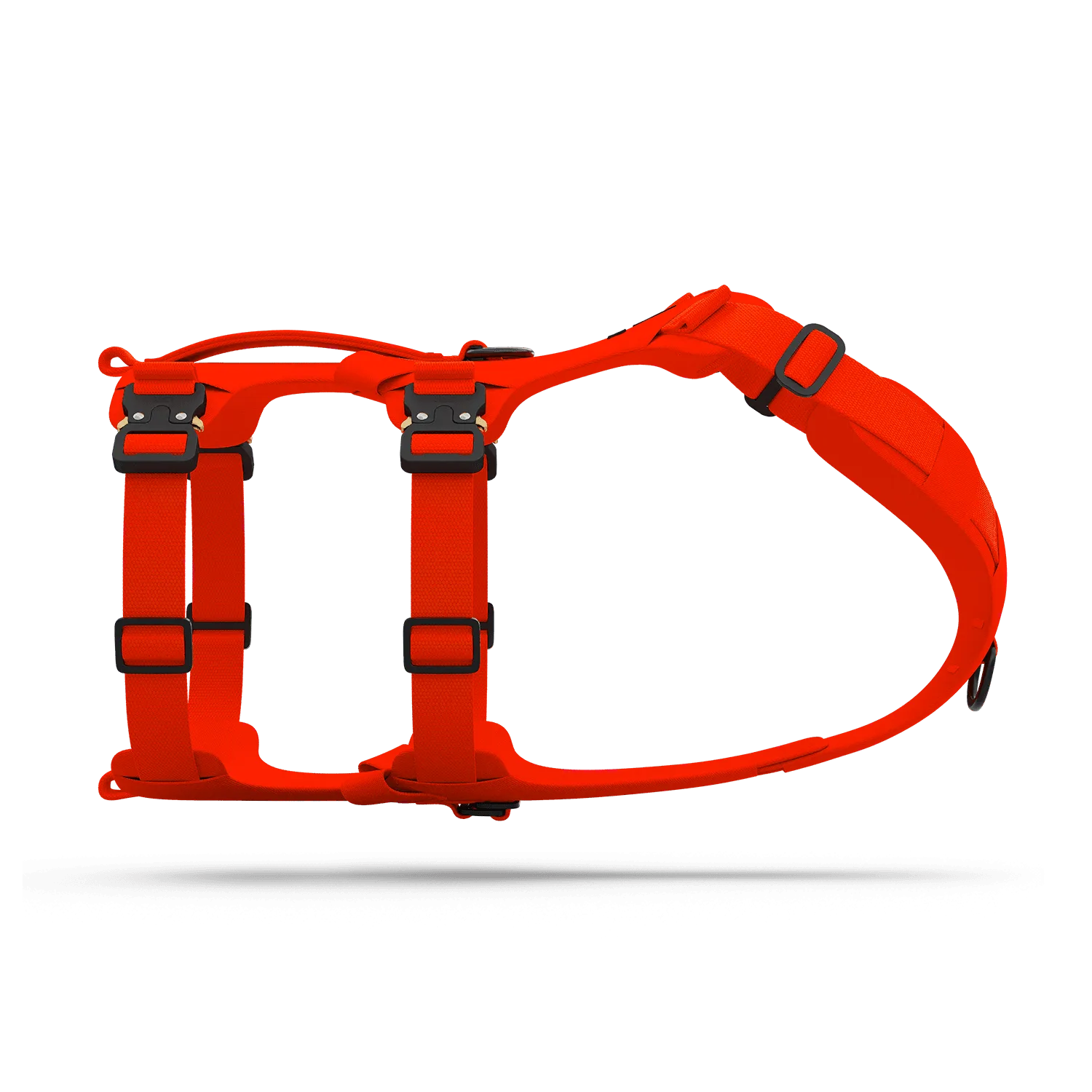
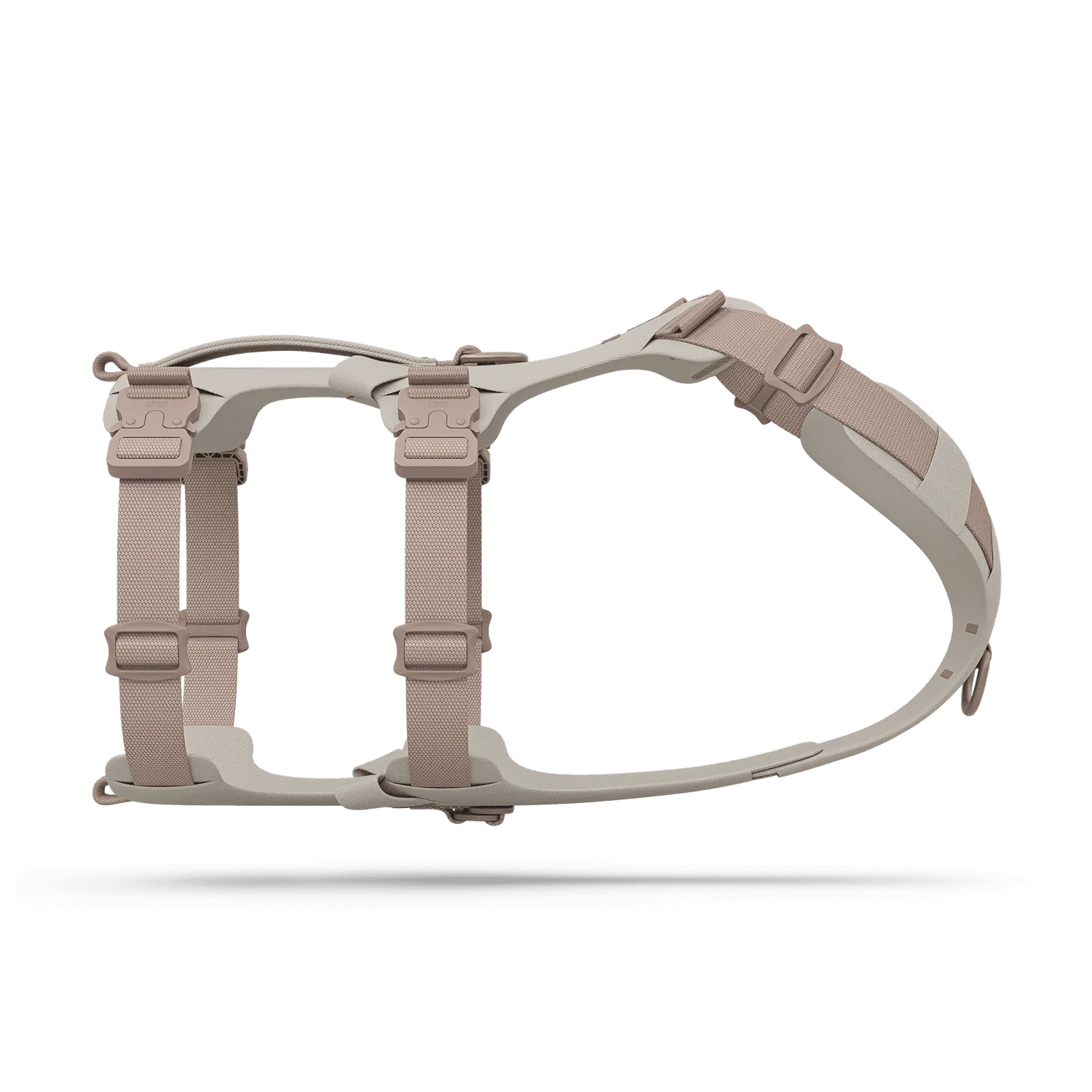
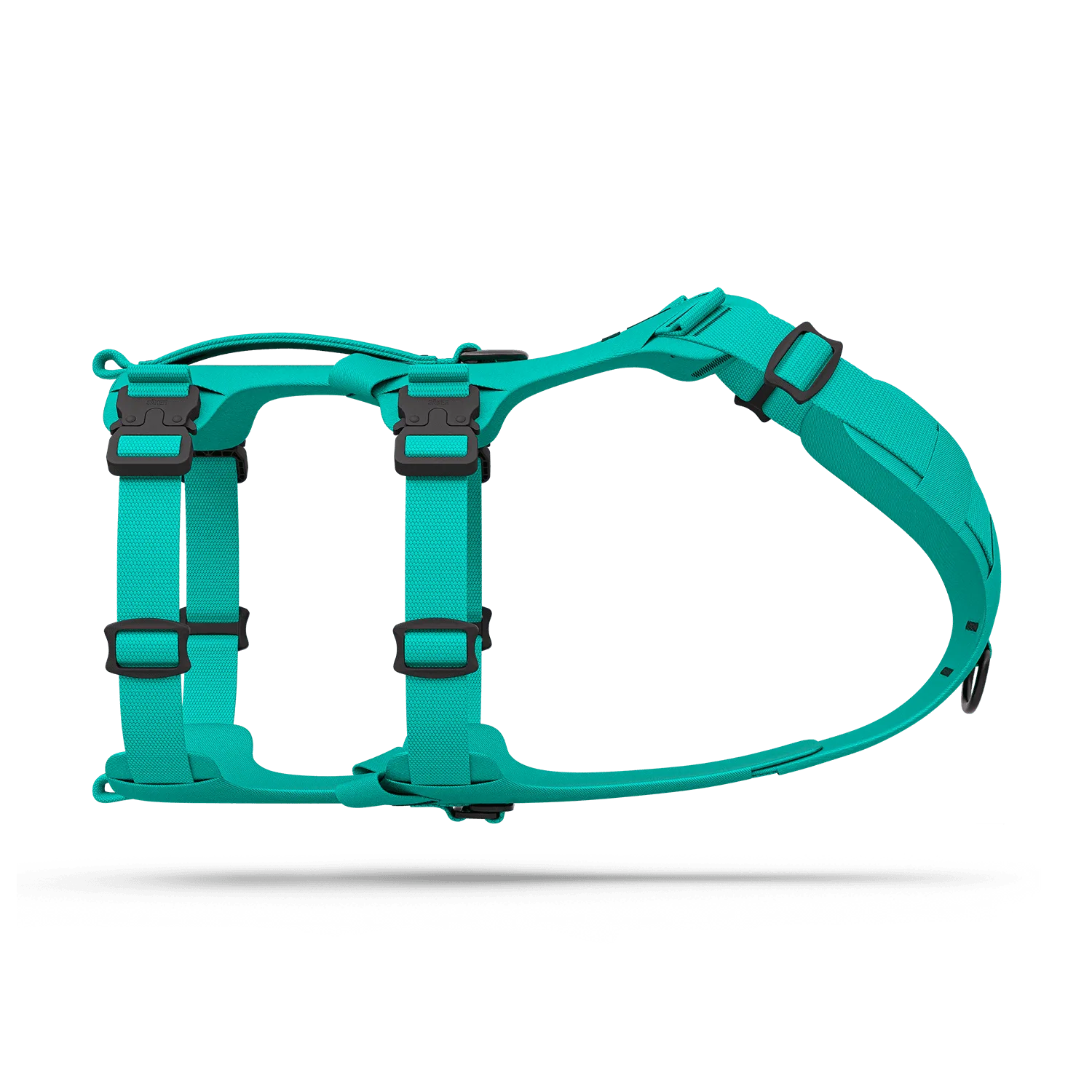
- Muse™ harness: The Muse harness is modular, low-profile, and light on weight. A modular design is the reason individual parts can be swapped, which extends the harness's working life and makes the safety check worthwhile.
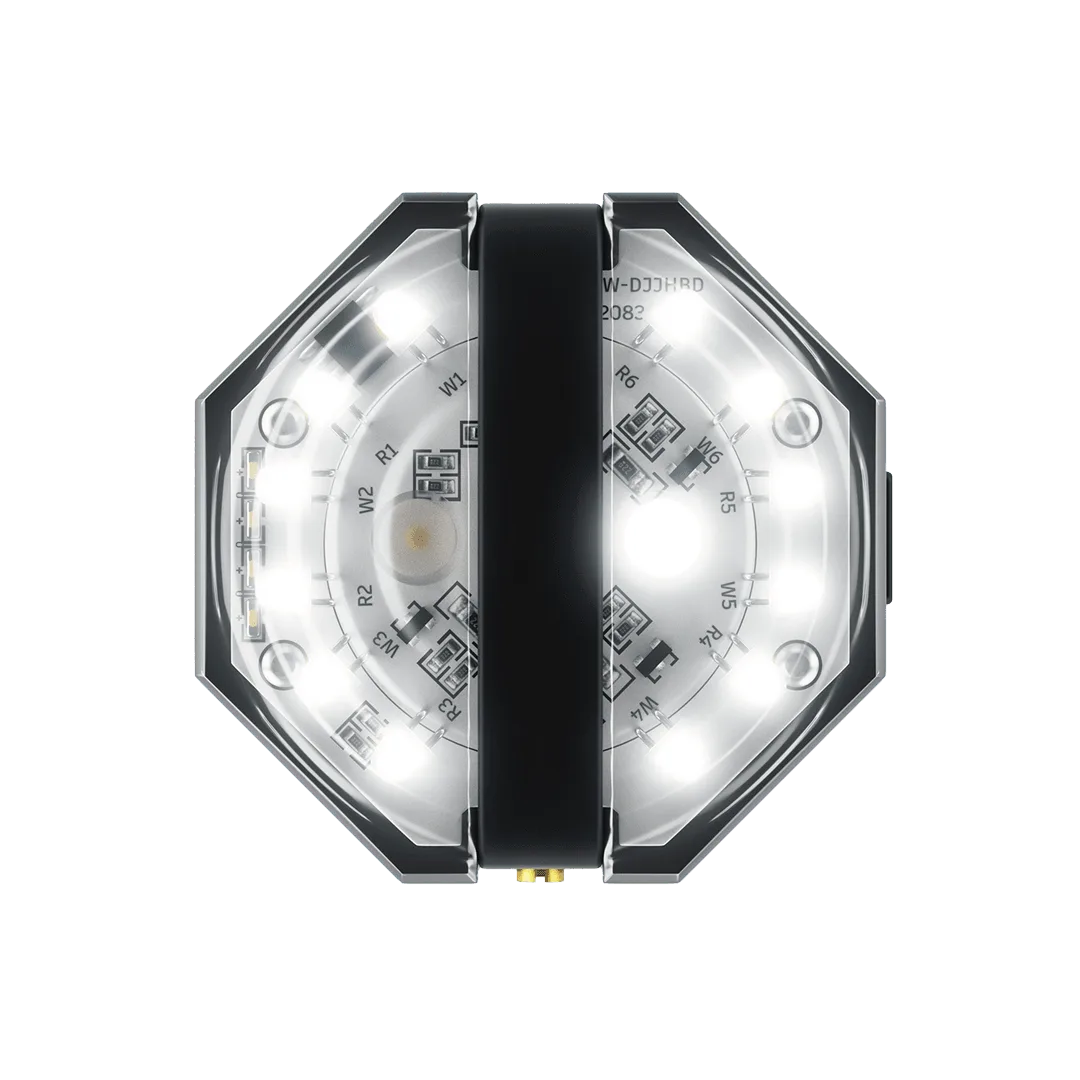
- Silicone Bands - Replacement PitchBlack: This replacement silicone band fits the PitchBlack safety light for a secure and reliable fit. Small worn parts on your visibility gear are easy to overlook; replacing the band keeps the light attached during evening walks.