Deciding between a dog harness and a collar is one of the most common dilemmas for pet owners. Both have their place in dog walking equipment, but the right choice often depends on your dog's breed, size, and individual needs. While collars are traditional and convenient, harnesses offer more control and safety for many dogs.
In this guide, we'll break down the pros and cons of each option and help you determine which is best for your furry friend. From small breeds prone to tracheal issues to strong pullers that need extra control, we'll cover the key factors to consider.
Understanding the Basics: Harness vs Collar
A dog collar is a simple strap that goes around your dog's neck, typically used for attaching a leash and holding ID tags. It's lightweight, easy to put on, and comes in a variety of materials like nylon, leather, or even neoprene for added comfort. Collars are the standard choice for many dogs, especially those that walk calmly on a leash.
A dog harness, on the other hand, wraps around your dog's chest and back, distributing pressure more evenly across the body. This design reduces strain on the neck and gives you better control over your dog's movements. Harnesses are particularly recommended for dogs that pull, have respiratory issues, or are prone to escaping from collars.
- Collars are suitable for well-behaved dogs that don't pull.
- Harnesses are ideal for dogs with neck sensitivities or that need extra control.
Pros and Cons of Dog Collars
Collars are the go-to choice for many pet owners because they're simple and affordable. They allow dogs to feel the natural sensation of leash pressure, which can be helpful for training. However, collars can pose risks, especially for breeds with delicate necks or those prone to pulling. Constant pressure on the neck can lead to tracheal collapse, eye issues, or spinal injuries.
For breeds like Greyhounds or Whippets, which have slender necks and sensitive tracheas, collars are generally not recommended. Even with a gentle walker, the risk of injury is higher. If you do use a collar, it's essential to choose one that's well-fitted and consider using a harness for activities that involve more pulling or excitement.
- Pros: Lightweight, easy to use, holds ID tags, good for training.
- Cons: Can cause neck injuries, not suitable for pullers, may slip off in some breeds.
Pros and Cons of Dog Harnesses
Harnesses are becoming increasingly popular because they offer more safety and control. They're especially beneficial for small breeds like Chihuahuas or Yorkshire Terriers, which are prone to tracheal collapse. By distributing pressure across the chest, harnesses protect the neck and reduce the risk of injury. They also give you better control over strong pullers, making walks more enjoyable for both of you.
On the downside, harnesses can be more complicated to put on, and some dogs may find them restrictive at first. They also require proper fitting to avoid chafing or discomfort. For dogs that are escape artists, a well-fitted harness can be a lifesaver, as they're much harder to slip out of than a collar.
- Pros: Protects the neck, better control, reduces pulling, harder to escape.
- Cons: Can be bulky, requires proper fitting, may take time to get used to.
Breed-Specific Considerations
Different breeds have different anatomical and behavioral traits that influence whether a harness or collar is better. For example, brachycephalic breeds like Pugs and Bulldogs have short muzzles and are prone to breathing difficulties. A harness is a safer choice because it avoids pressure on the throat, which could exacerbate respiratory issues.
Large breeds like Labrador Retrievers or German Shepherds often have strong pulling tendencies. A harness with a front clip can help redirect their attention and make walks more manageable. On the other hand, breeds with thick necks, like Bulldogs or Boxers, may find collars uncomfortable, as they can slip over the head easily. In such cases, a harness provides a more secure fit.
- Small breeds: harness to protect the neck.
- Brachycephalic breeds: harness to avoid throat pressure.
- Strong pullers: harness for better control.
- Thick-necked breeds: harness for secure fit.
When to Use Both: Harness and Collar
Many pet owners choose to use both a harness and a collar for different situations. For instance, you might use a collar for quick trips to the backyard where you need to grab your dog quickly, and a harness for longer walks or training sessions. Some dogs even wear a collar with ID tags and a harness for leash attachment, ensuring safety and identification.
If you decide to use both, it's important to ensure they don't interfere with each other. For example, a martingale collar can be used for training, while a harness is used for daily walks. This approach gives you flexibility and ensures your dog is comfortable in various situations.
- Use a collar for ID tags and quick control.
- Use a harness for walks and activities that require more control.
Choosing the Right Equipment for Your Dog
When selecting between a harness and a collar, consider your dog's size, breed, and behavior. For small or sensitive breeds, a harness is often the safest option. For dogs that pull, a harness with a front clip can make walks more pleasant. If you have a well-behaved dog, a collar might be sufficient, but always ensure it fits properly and is comfortable.
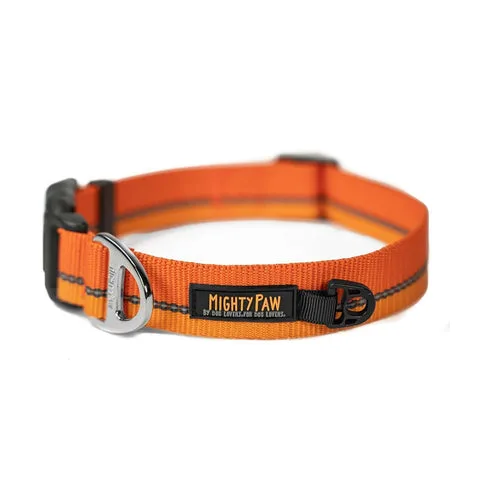
At Mightypaw, we offer a range of high-quality collars and harnesses to suit every dog. For example, the Reflective Colorblast Collar is perfect for low-light visibility, while the Neoprene Padded Sports Collar provides extra comfort for active dogs. If you're looking for more control, consider a harness that fits securely and distributes pressure evenly.
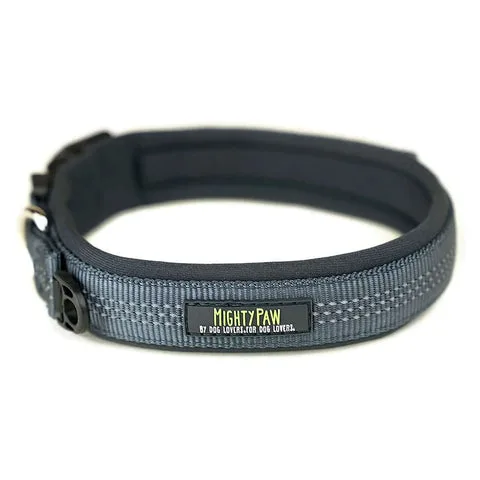
Neoprene Padded Sports Collar
- Measure your dog's neck and chest for the correct fit.
- Consider your dog's activity level and any health issues.
- Look for adjustable and padded options for added comfort.
Ultimately, the choice between a dog harness and a collar depends on your dog's unique needs. Both have their advantages, and many pet owners find that using a combination works best. By understanding the pros and cons and considering your dog's breed and behavior, you can make an informed decision that ensures safety and comfort on every walk. Explore our collection at Mightypaw to find the perfect fit for your furry friend.