When it comes to protecting your furry friend, a dog helmet is an essential piece of gear for certain activities. Whether you're engaging in dog sports, working in noisy environments, or simply want to safeguard your dog's head during travel, a helmet can provide crucial protection. This buying guide will help you understand what to look for in a dog helmet, focusing on safety and hearing protection.
While many dog owners are familiar with harnesses and leashes, helmets are less common but equally important in specific scenarios. For instance, dogs that accompany their owners to construction sites, shooting ranges, or even during certain types of agility training can benefit significantly from a helmet that offers both impact protection and hearing protection. In this guide, we'll explore the key features, sizing considerations, and top products like the K9Helm to ensure you make an informed decision.
Why Your Dog Might Need a Helmet
Dogs can be exposed to various hazards that a helmet can mitigate. For working dogs, such as those in police or military roles, helmets protect against head injuries during operations. For recreational dogs, helmets are useful during activities like biking, hiking in rocky terrain, or even when riding in open vehicles. Additionally, dogs with sensitive ears may need hearing protection in loud environments, such as fireworks displays or concerts.
A helmet that combines impact protection with hearing protection offers the best of both worlds. The K9Helm is a popular choice that provides both. It features a durable outer shell and padded interior to absorb shocks, while its ear cups are designed to reduce noise levels, protecting your dog's hearing from harmful decibels. This dual functionality makes it an excellent investment for dogs that accompany their owners in various settings.
- Consider your dog's lifestyle: working, sporting, or recreational activities determine the need.
- Look for helmets that offer both impact and hearing protection for maximum safety.
- Ensure the helmet is comfortable and secure to encourage your dog to wear it.
Key Features to Look For in a Dog Helmet
When shopping for a dog helmet, there are several features to prioritize. First, the material should be lightweight yet sturdy, such as high-impact ABS plastic. This ensures durability without adding unnecessary weight that could strain your dog's neck. The interior padding should be removable and washable for hygiene, and it should fit snugly but not too tight.
Another crucial feature is adjustability. A good helmet will have adjustable straps and possibly a chin cup to ensure a secure fit. This is especially important for active dogs that might shake their heads. Additionally, consider the helmet's ventilation. Dogs can overheat quickly, so look for helmets with adequate airflow to keep your dog cool during extended wear.
For hearing protection, the helmet should have ear cups that cover the ears completely. These cups should be padded and fit well to block out loud noises. Some helmets come with replaceable ear pads, which is a plus for long-term use. The K9Helm excels in this area, offering excellent noise reduction while maintaining comfort.
- Material: Lightweight and durable (e.g., ABS plastic).
- Padding: Removable, washable, and comfortable.
- Adjustability: Straps and chin cup for a secure fit.
- Ventilation: Adequate airflow to prevent overheating.
- Hearing protection: Padded ear cups that cover ears completely.
Sizing Your Dog for a Helmet
Choosing the right size is critical for both safety and comfort. To measure your dog, use a flexible tape measure around the widest part of the head, just above the eyes and ears. Also measure the circumference of the neck where the helmet's straps will sit. Compare these measurements with the manufacturer's sizing chart, as sizes can vary between brands.
Most helmets come in small, medium, large, and extra-large sizes. It's better to measure twice and choose a size that allows for a snug but not tight fit. A helmet that is too loose can shift and reduce protection, while one that is too tight can cause discomfort and restrict blood flow. If your dog is between sizes, opt for the larger size and use additional padding to achieve a secure fit.
Remember that puppies grow quickly, so if you're buying for a young dog, consider a helmet with adjustable features that can accommodate growth. The K9Helm offers multiple sizes and adjustable straps, making it a versatile choice for dogs of various breeds and ages.
- Measure head circumference above eyes and ears.
- Check the manufacturer's sizing chart.
- Choose a snug but comfortable fit.
- Consider adjustable options for growing puppies.
Top Dog Helmets on the Market
There are several reputable brands that produce high-quality dog helmets. The K9Helm is widely regarded as one of the best due to its combination of safety and hearing protection. It is designed with input from professionals and offers excellent durability and comfort. Another popular option is the Rex Specs brand, known for their protective eyewear, but they also offer helmets that provide impact protection.
When comparing helmets, consider the specific needs of your dog. For example, if your dog is involved in water activities, look for a helmet that is water-resistant. If your dog has a particularly large or small head, ensure the brand offers sizes that will fit. Reading customer reviews can also provide valuable insights into the fit and durability of different models.
At K9pro, we offer a range of dog helmets and safety gear. Our selection includes the K9Helm, which is a top choice for many dog owners. We also carry other protective accessories like the Ruffwear Front Range Harness and the Premium Leather Leash, which can complement your dog's safety gear.
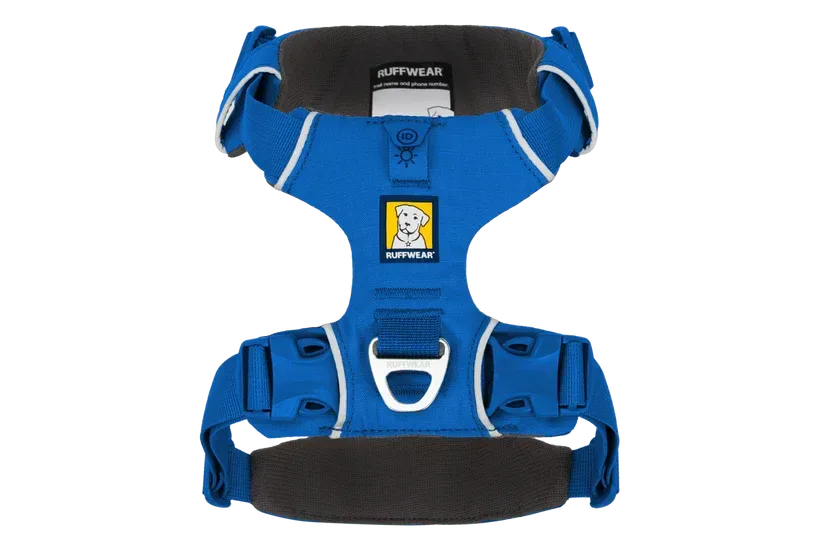
Ruffwear Front Range Harness
- K9Helm: Combines impact and hearing protection.
- Consider water-resistant options for aquatic activities.
- Read reviews to gauge fit and durability.
Training Your Dog to Wear a Helmet
Introducing a helmet to your dog should be done gradually to ensure a positive experience. Start by letting your dog sniff the helmet and reward them with treats. Then, briefly place the helmet on your dog's head for a few seconds, gradually increasing the duration as your dog becomes more comfortable. Always use positive reinforcement, such as treats and praise, to create a positive association.
It's also helpful to practice wearing the helmet in a calm environment before exposing your dog to noisy or chaotic situations. This allows your dog to get used to the sensation without added stress. If your dog shows signs of discomfort, take a break and try again later. Patience is key.
For additional training aids, consider using a treat pouch like the LickiMat Splash to keep your dog engaged during helmet training sessions. This can make the experience more enjoyable for your dog.
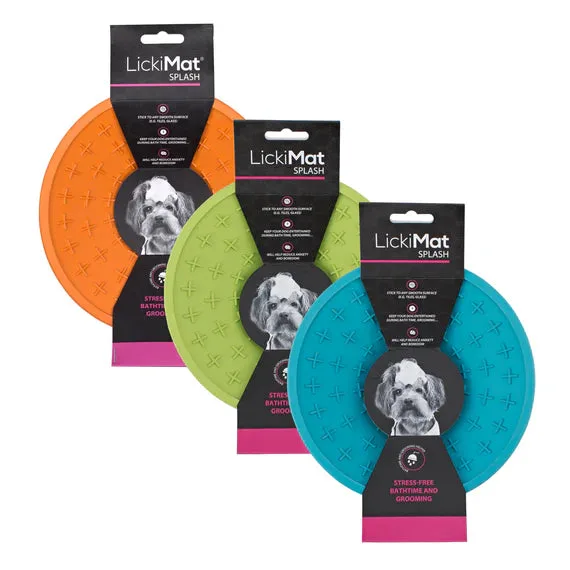
LickiMat Splash
- Introduce the helmet gradually with treats.
- Practice in a calm environment first.
- Use positive reinforcement consistently.
Choosing the right dog helmet is a significant decision that impacts your dog's safety and well-being. By considering the features outlined in this guide, measuring your dog correctly, and selecting a reputable product like the K9Helm, you can ensure your dog is well-protected in any situation. Visit K9pro to explore our range of dog helmets and other safety gear to find the perfect fit for your furry friend.