As our canine companions age, joint health becomes a top priority. Whether you have a working dog, a sporting breed, or a beloved family pet, maintaining healthy joints is essential for mobility and quality of life. With countless dog supplements on the market, choosing the right one can be overwhelming. This buying guide will walk you through the key factors to consider, from ingredients to form and vet guidance.
We'll explore the science behind joint supplements, what to look for on labels, and how to match a product to your dog's specific needs. By the end, you'll feel confident in making an informed decision for your four-legged friend.
Understanding Joint Health in Dogs
Joint health in dogs is influenced by age, breed, activity level, and genetics. Large breeds like Labradors and German Shepherds are prone to hip and elbow dysplasia, while active dogs may experience wear and tear from intense exercise. Cartilage, the protective tissue between bones, can degrade over time, leading to discomfort and reduced mobility.
Supplements aim to support cartilage health, reduce inflammation, and maintain joint fluid. Common ingredients include glucosamine, chondroitin, MSM, and omega-3 fatty acids. Each plays a distinct role, and understanding them is the first step in choosing the right product.
- Glucosamine: a building block for cartilage repair.
- Chondroitin: helps retain water in cartilage for shock absorption.
- MSM: a sulfur compound that may reduce inflammation.
- Omega-3s: support overall joint health and reduce stiffness.
Key Ingredients to Look For
When evaluating a dog joint supplement, check the active ingredients and their dosages. Glucosamine and chondroitin are the most studied, but not all products provide effective amounts. Look for a supplement that lists these ingredients explicitly, with dosages based on your dog's weight.
Additionally, consider supplements with added antioxidants like Vitamin E or natural anti-inflammatories such as turmeric. Some products include hyaluronic acid, which lubricates joints. Each ingredient contributes to a comprehensive approach to joint care.
- Verify ingredient amounts: effective doses depend on your dog's size.
- Look for veterinary-approved formulations.
- Avoid artificial fillers or preservatives.
Forms: Chews, Powders, and Liquids
Dog joint supplements come in various forms: soft chews, tablets, powders, and liquids. Chews are popular for ease of administration, but they may contain added sugars or flavors. Powders can be mixed into food, offering flexibility in dosing. Liquids are often quickly absorbed but may have a shorter shelf life.
Consider your dog's preferences and your routine. If your dog is picky, a flavored chew might be easiest. If you have multiple dogs, a powder might be more cost-effective. Always store supplements as directed to maintain potency.
- Soft chews: convenient but check sugar content.
- Powders: versatile for mixing with wet or dry food.
- Liquids: fast absorption but require refrigeration after opening.
Consulting Your Veterinarian
Before starting any supplement, consult your veterinarian. They can assess your dog's joint health through exams and possibly X-rays. Your vet may recommend a specific type or brand based on your dog's condition, such as osteoarthritis or hip dysplasia. They can also advise on potential interactions with medications.
Veterinary guidance ensures you choose a supplement that is safe and effective for your dog's unique situation. It also helps set realistic expectations: supplements can support joint health, but they are not a cure for severe conditions.
- Ask about dosage and duration of use.
- Discuss any existing health issues or medications.
- Request blood work if your dog has kidney or liver concerns.
Quality and Brand Reputation
Not all supplements are created equal. Choose products from reputable brands that follow good manufacturing practices (GMP). Look for third-party testing or certifications, which indicate quality control. Reading reviews from other dog owners can offer insights, but remember that individual results vary.
The K9 Pro store offers a range of training and care products, including supplements. While they don't currently list a specific joint supplement, they provide tools like the K9 Pro Training Bag to support your training regimen, which can complement a joint care routine.
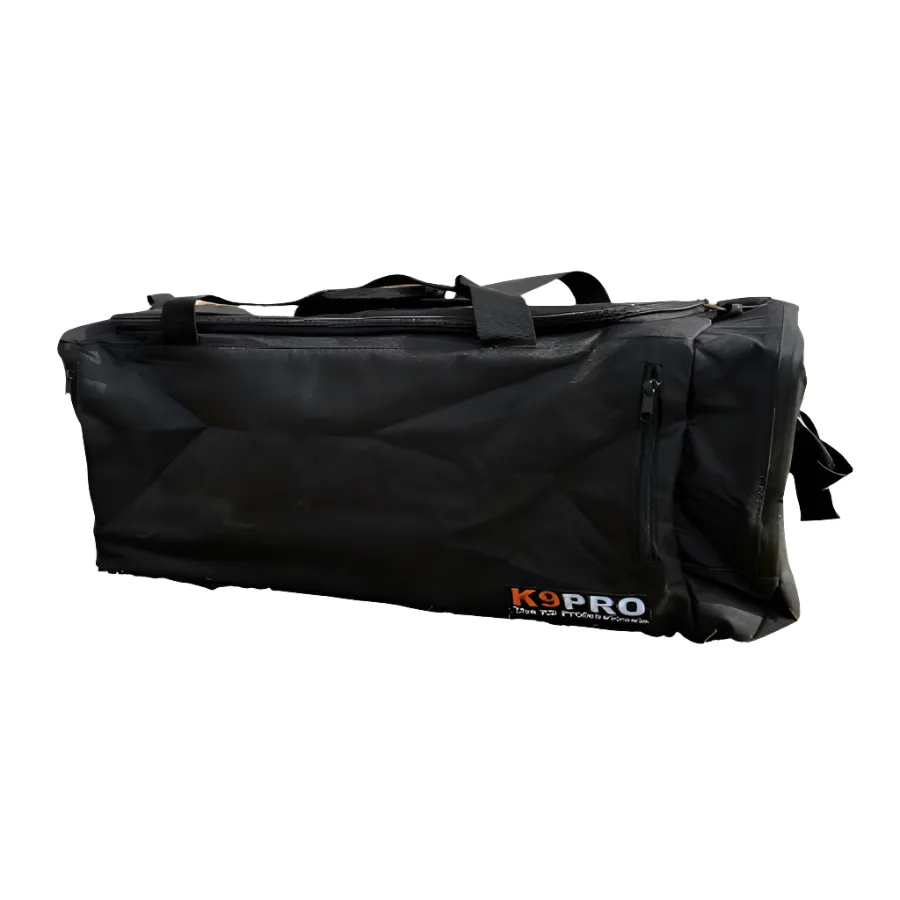
K9 Pro Training Bag
- Check for a Certificate of Analysis (COA) from the manufacturer.
- Avoid brands with vague labeling or proprietary blends.
- Look for transparency in sourcing and manufacturing.
Choosing the right dog joint supplement involves understanding your dog's needs, evaluating ingredients, and consulting your vet. By following this guide, you can make an informed choice that supports your dog's mobility and comfort. For additional training gear to keep your dog active and healthy, explore the K9 Pro Training Bag at K9pro.