Running with your dog is a fantastic way to stay fit together, but the right gear can make or break your workout. A standard leash may be fine for a casual stroll, but when you're picking up the pace, you need a leash designed for the demands of running. From safety features to comfort for both you and your pup, choosing the right running leash is crucial.
In this guide, we'll break down the key features to consider when shopping for a dog leash for running and jogging. Whether you're training for a 5K or just enjoy a daily jog, we'll help you find a leash that keeps you both safe, comfortable, and in sync.
Why a Regular Leash Isn't Enough for Running
Standard leashes, typically 4-6 feet long, are designed for walking and basic control. When you run, your dog's movement changes—they may pull ahead, veer to the side, or suddenly stop to sniff. A regular leash can cause jerking, tangling, and even injury to your hands or your dog's neck. Additionally, holding a leash in your hand while running can lead to poor posture and an uneven gait, increasing your risk of injury.
Running leashes are specifically engineered to address these issues. They often feature shock-absorbing bungee sections, ergonomic handles, and adjustable lengths to give your dog more freedom while maintaining control. Investing in a dedicated running leash is a smart move for any active dog owner.
Key Features to Look For
When evaluating running leashes, several features stand out as essential. First, consider the material: it should be durable, weather-resistant, and comfortable in your hand. Look for padded handles or neoprene grips to prevent chafing during long runs. Second, a bungee or shock-absorbing section is a game-changer—it reduces sudden tugs and protects both you and your dog from jarring impacts.
Another critical feature is hands-free capability. A hands-free running leash allows you to run with your hands free, either by wearing it around your waist or across your chest. This is especially useful for carrying water, using your phone, or maintaining proper running form. Many hands-free leashes also include a traffic handle for quick control when needed.
Finally, consider the length and adjustability. A leash that can be adjusted from a shorter 4-foot mode for crowded areas to a longer 6-foot mode for open spaces offers versatility. Some leashes even come with multiple attachment points to customize the fit.
- Look for a bungee section to absorb shocks and prevent injury.
- Choose a hands-free design for better posture and freedom of movement.
- Ensure the leash has a comfortable, padded handle or belt.
- Check for reflective stitching or materials for visibility during low-light runs.
Hands-Free vs. Traditional Running Leashes
Hands-free leashes are popular among runners because they distribute the pulling force across your core, reducing strain on your arms and shoulders. They often come with a belt that fits around your waist, and some include a bungee to absorb the impact of sudden movements. For example, the Double Bungee Leash (Add-On Only) is designed to attach to a belt or harness, providing two points of flexibility for a smoother run.
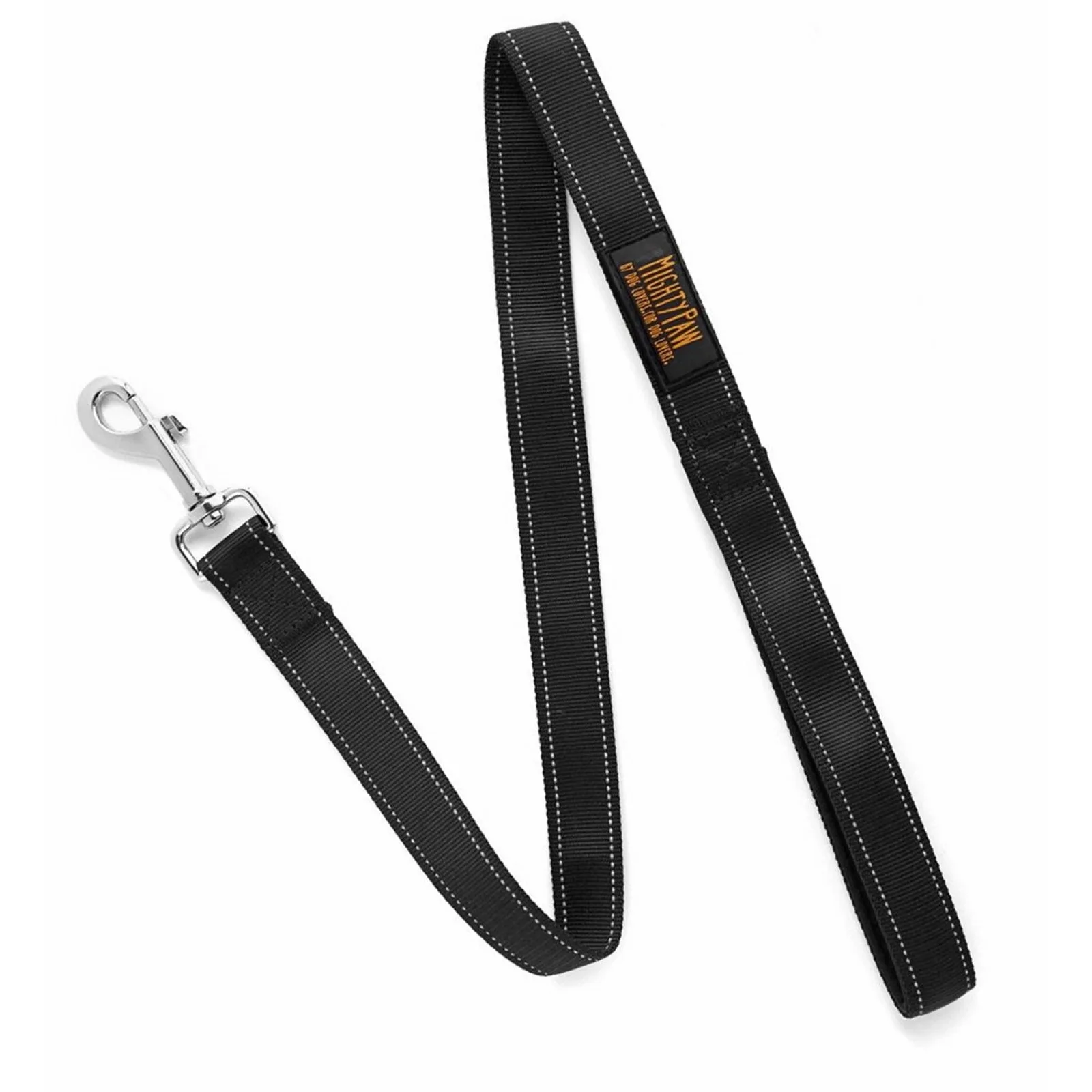
Double Bungee Leash (Add-On Only)
Traditional running leashes, on the other hand, are held in your hand but feature ergonomic handles and shock absorption. They may be simpler to use if you're not a fan of wearing a belt, but they can still cause hand fatigue on longer runs. Consider your personal comfort and running style when choosing between the two.
Safety Considerations for Running with Your Dog
Safety should be your top priority when running with your dog. A well-fitted collar or harness is essential—a harness is often recommended for running because it reduces strain on the neck and provides better control. Pair your leash with a sturdy harness like the Sport Collar 2.0 if you prefer a collar, but always ensure it's snug and comfortable.
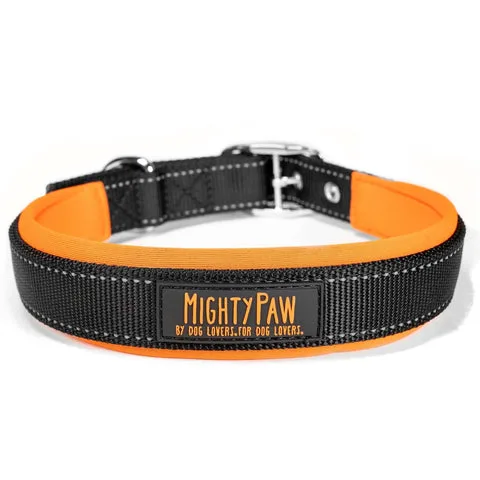
Sport Collar 2.0
Reflective elements are another must-have, especially if you run early in the morning or in the evening. Many running leashes come with reflective stitching or piping to make you and your dog visible to drivers. Additionally, always carry water and take breaks, especially on hot days.
Top Running Leashes to Consider
When you're ready to purchase, consider the Double Bungee Leash (Add-On Only) for its excellent shock absorption and hands-free compatibility. It's a favorite among runners who want a smooth, comfortable run. Another great option is the Sport Collar 2.0, which, while not a leash, pairs perfectly with any running leash for added comfort and control.
For those who prefer a traditional held leash, look for one with a padded handle and durable material. The key is to find a leash that feels comfortable in your hand and gives you confidence in controlling your dog. Always read reviews and consider your dog's size, strength, and pulling habits when making a choice.
Choosing the right dog leash for running can transform your jogs into a safe, enjoyable experience for both you and your furry friend. Remember to prioritize shock absorption, hands-free options, and safety features. Explore our collection of running leashes and accessories to find the perfect match for your active lifestyle.